Tiny White Spots on Arms and Legs: Causes, Signs, and Simple Ways to Care for Your Skin
Many adults eventually notice small white specks on their arms or legs, especially after years in the sun or as the skin matures with age. These marks are usually harmless, but they can become more obvious on tanned or deeper-toned skin, which often leads to concern about what they are and whether they can be reduced.
In most situations, these spots are a benign skin change linked to everyday factors such as ultraviolet exposure and the natural aging process. Understanding why they appear can make them feel far less alarming.
If you want to know what causes these white spots and what daily habits may help keep new ones from showing up, read on.
What Are These Small White Spots?
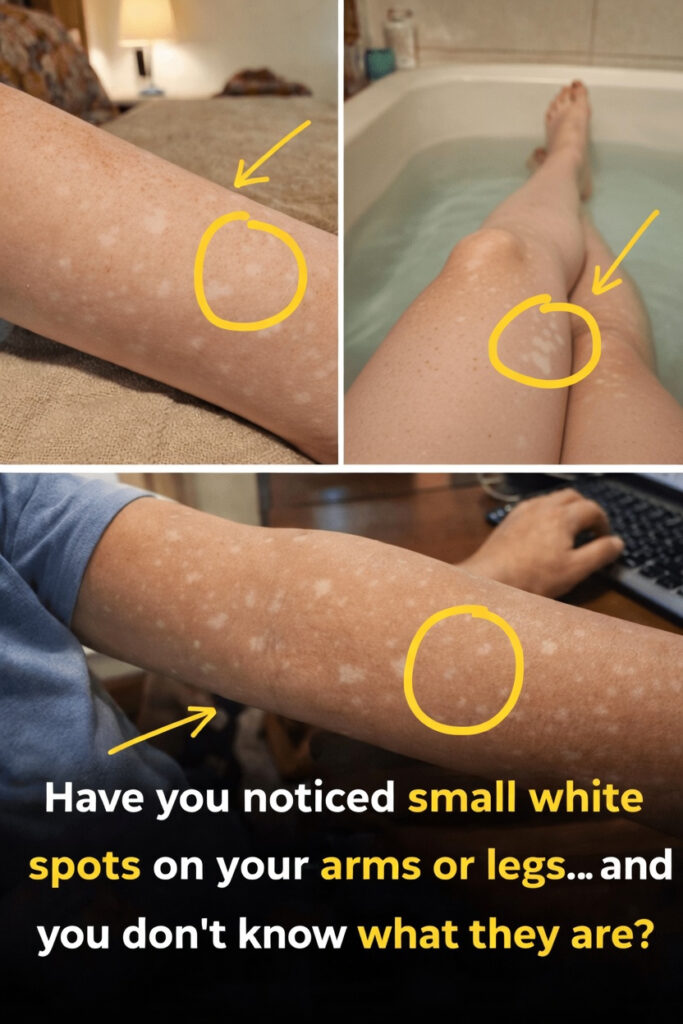
Tiny white spots that are flat, smooth, and round or oval in shape are often identified by dermatologists as idiopathic guttate hypomelanosis, also known as white sun spots. They are usually about 2 to 5 millimeters wide and tend to develop on areas that get frequent sun exposure, including:
- Forearms
- Shins
- Upper legs
- Shoulders
- Back
These spots become more common with age. Research suggests they are especially noticeable after age 40, affecting a large percentage of people in that age group and even more older adults. Long-term UV exposure is considered one of the main reasons they form, as sunlight can gradually reduce the number or activity of pigment-producing cells in small sections of skin.
The spots are typically:
- Flat rather than raised
- Smooth to the touch
- Painless
- Not itchy
- Lighter than the surrounding skin because of reduced pigment production
Why White Spots Appear on the Arms and Legs
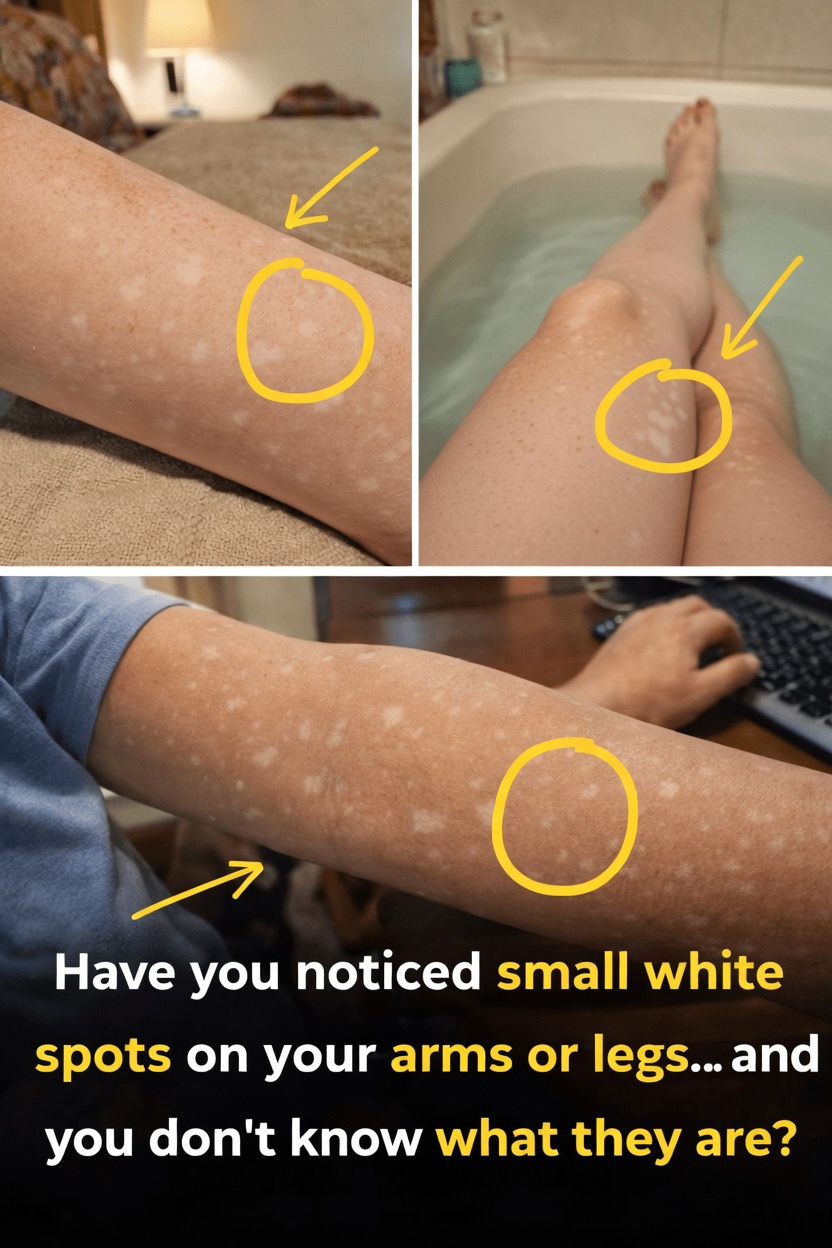
Several factors can contribute to the development of these pale marks.
1. Long-Term Sun Exposure
Sun damage is the most common cause. Over time, ultraviolet rays can affect melanocytes, the cells responsible for making melanin, which gives skin its color. When these cells are damaged in small areas, little white spots may appear.
People with fair skin and those who spend a lot of time outdoors without sun protection often notice them earlier.
2. Natural Skin Aging
As skin gets older, its ability to maintain even pigmentation can decline. Melanin production may become less consistent, especially on parts of the body that are exposed to sunlight regularly, such as the arms and legs.
3. Genetic Tendency
Family history may also play a role. Some people seem more likely to develop these spots because of inherited skin traits.
4. Other Possible Causes
Although classic white sun spots are usually linked to UV exposure and aging, there are less common reasons for pale patches, including:
- Certain fungal conditions
- Mild eczema-related pigment changes
Still, when the spots are tiny, scattered, and mainly found on the limbs, sun-related pigment loss is often the most likely explanation rather than anything contagious or dangerous.
How to Recognize Typical White Sun Spots
You can often get a general sense of whether your spots fit the common pattern by checking for these features:
- Small and round or slightly oval
- Flat and smooth
- Spread out rather than merging into one large patch
- Found mainly on sun-exposed skin
- Usually not associated with redness, flaking, or itching
- More noticeable during summer when nearby skin becomes darker
If they have appeared slowly over time and match this description, they are similar to what dermatologists frequently see in routine skin exams.
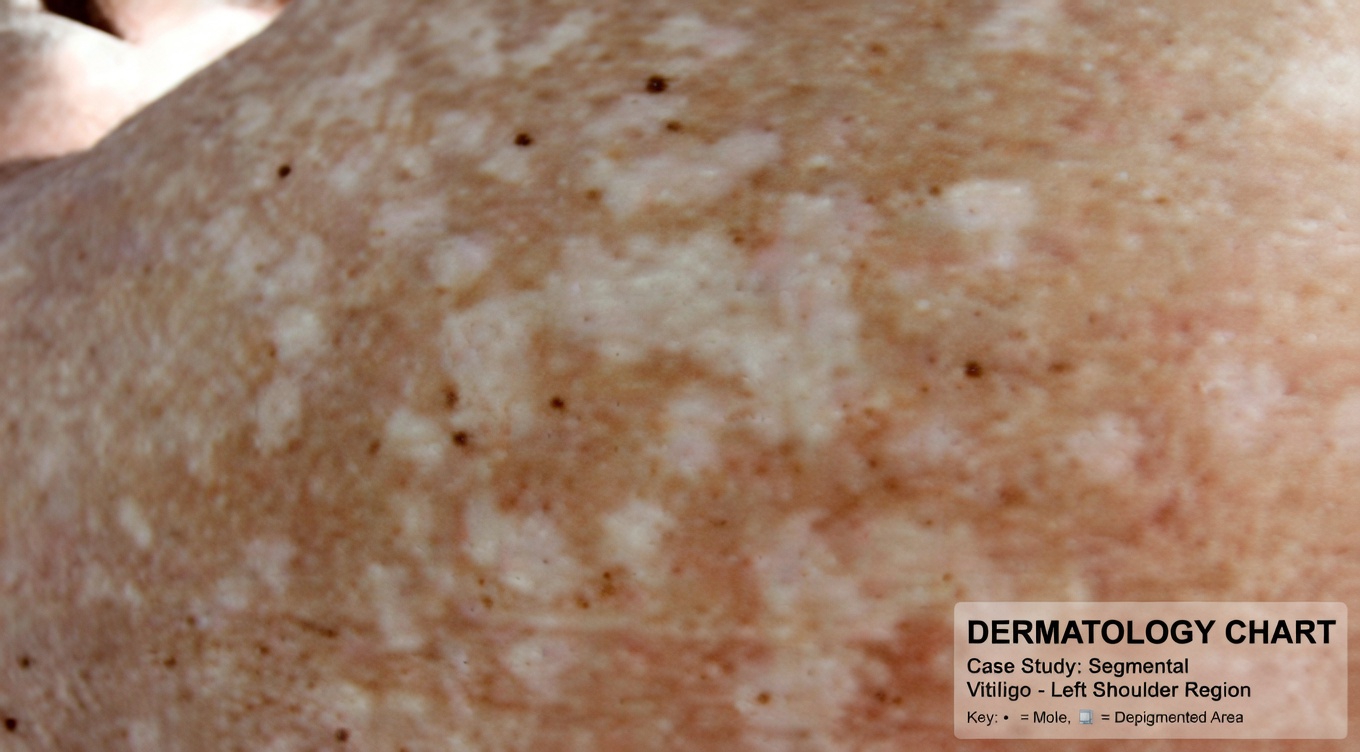
That said, not every white mark on the skin is the same. If the spots begin spreading quickly, change shape noticeably, or come with pain, itching, or other symptoms, it is a good idea to have them evaluated by a professional.
Daily Habits That Help Protect the Skin
You may not be able to erase existing white spots completely, but you can support healthier-looking skin and possibly lower the chance of developing more in the future.
Use Sunscreen Every Day
Apply a broad-spectrum sunscreen with SPF 30 or higher daily. This matters even on cloudy days and even when you are indoors near windows. If you are outside, reapply every two hours.
Cover Exposed Skin
Wear lightweight clothing such as:
- Long sleeves
- Loose pants
- Sun-protective fabrics when possible
This is especially helpful between 10 a.m. and 4 p.m., when UV exposure is strongest.
Stay in the Shade
Whenever possible, avoid direct midday sun. Shade can reduce cumulative sun damage over time.
Moisturize Consistently
Well-hydrated skin often looks smoother and healthier overall. Daily moisturizers may also make white spots seem less visually prominent by improving skin texture.
Consider Antioxidant Skincare
Products containing ingredients like:
- Vitamin C
- Niacinamide
may support overall skin health. Always patch test first before adding new products to your routine.
Small, consistent habits often make the biggest long-term difference.
Skincare Tweaks for Smoother, More Even-Looking Skin
Sun protection is the priority, but a gentle body-care routine can also help maintain a better-looking tone and texture.
Exfoliate Gently
Use a mild chemical exfoliant once or twice a week, such as one with lactic acid, to encourage natural cell turnover without harsh irritation.
Keep Skin and Body Hydrated
Drink enough water throughout the day and apply body lotion after showering to help lock in moisture.
Avoid Scrubbing or Picking
Aggressive exfoliation, scratching, or picking at the spots can irritate the skin and make the overall appearance worse.
Research continues to show that preventing additional UV damage is the most effective strategy for reducing the risk of new white sun spots forming.
When to See a Dermatologist
Most tiny white spots on the arms and legs are harmless and do not require treatment. Still, a visit to a dermatologist can be reassuring, especially if:
- The spots appear suddenly
- They begin multiplying quickly
- Other skin changes appear alongside them
- You want to discuss cosmetic treatment options, such as creams or in-office procedures
A simple skin check can often confirm that the condition is benign.
Final Thoughts: Care for Your Skin with Smart Daily Habits
Small white spots on the arms and legs are commonly linked to years of sun exposure and the natural aging of the skin. They may not disappear completely, but knowing what causes them can help you focus on practical, protective care instead of worry.
Daily sunscreen, sun-protective clothing, shade, and regular moisturizing all support healthier skin over time. Your skin reflects your life and your environment, so treating it gently can go a long way.
Frequently Asked Questions
What causes tiny white spots on arms and legs in adults?
They are often caused by long-term sun exposure that reduces pigment in small areas of skin. This becomes more common as people age.
Do white spots on the skin disappear naturally?
Usually, existing spots do not go away on their own. However, protecting the skin from further sun exposure may help prevent new ones from appearing.
Are small white spots on the legs dangerous?
In most cases, no. They are generally harmless. But if they show up suddenly, spread rapidly, or cause symptoms, it is best to seek medical advice.