Why Do Nails Become Brittle, Weak, or Prone to Splitting?
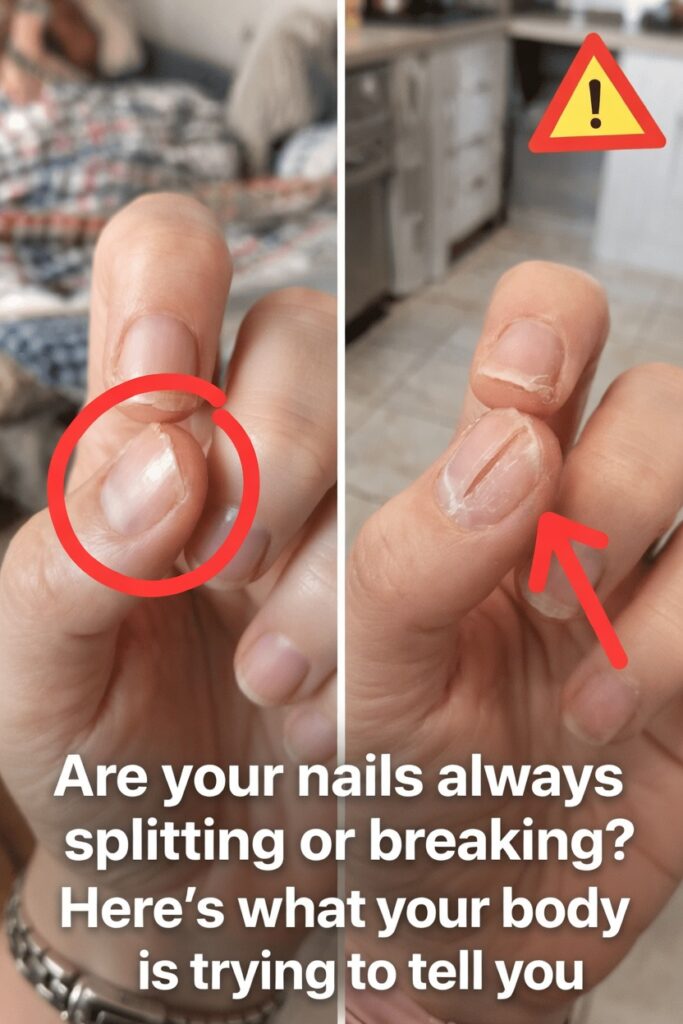
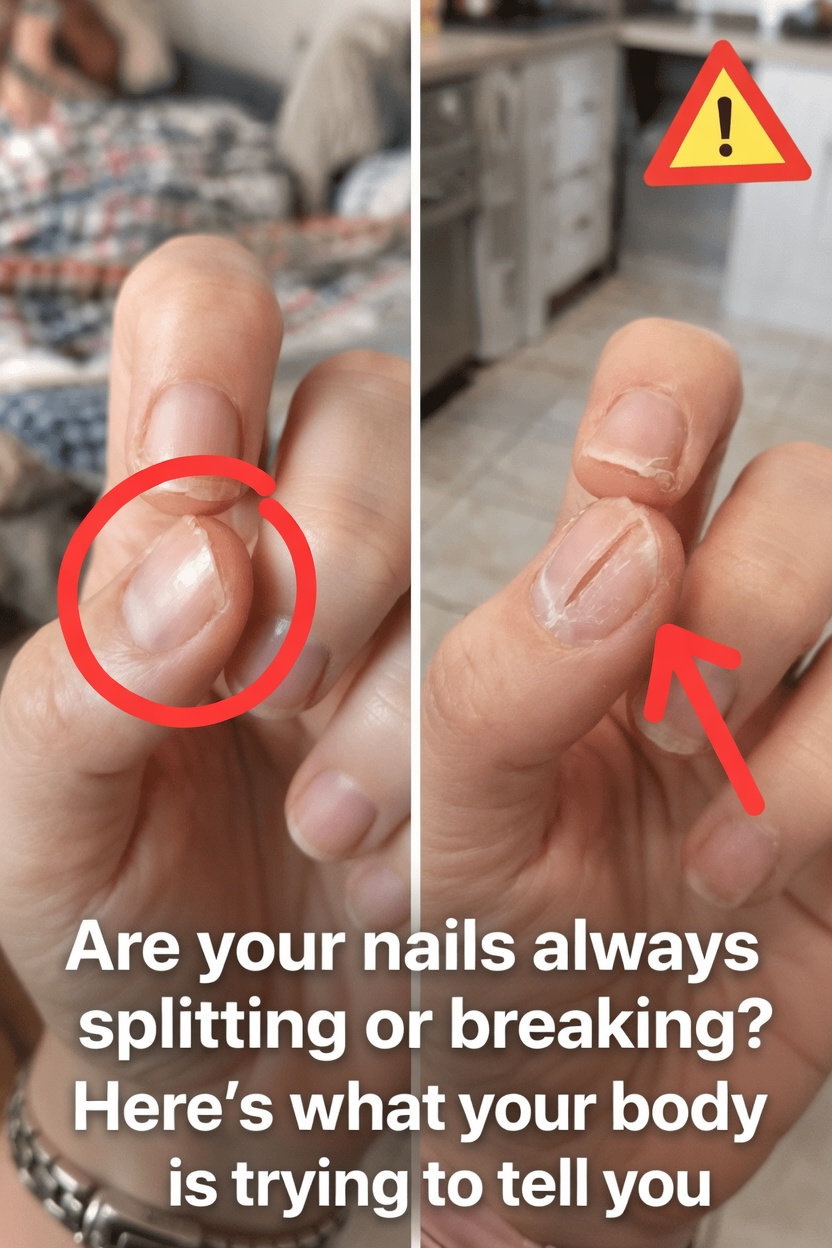
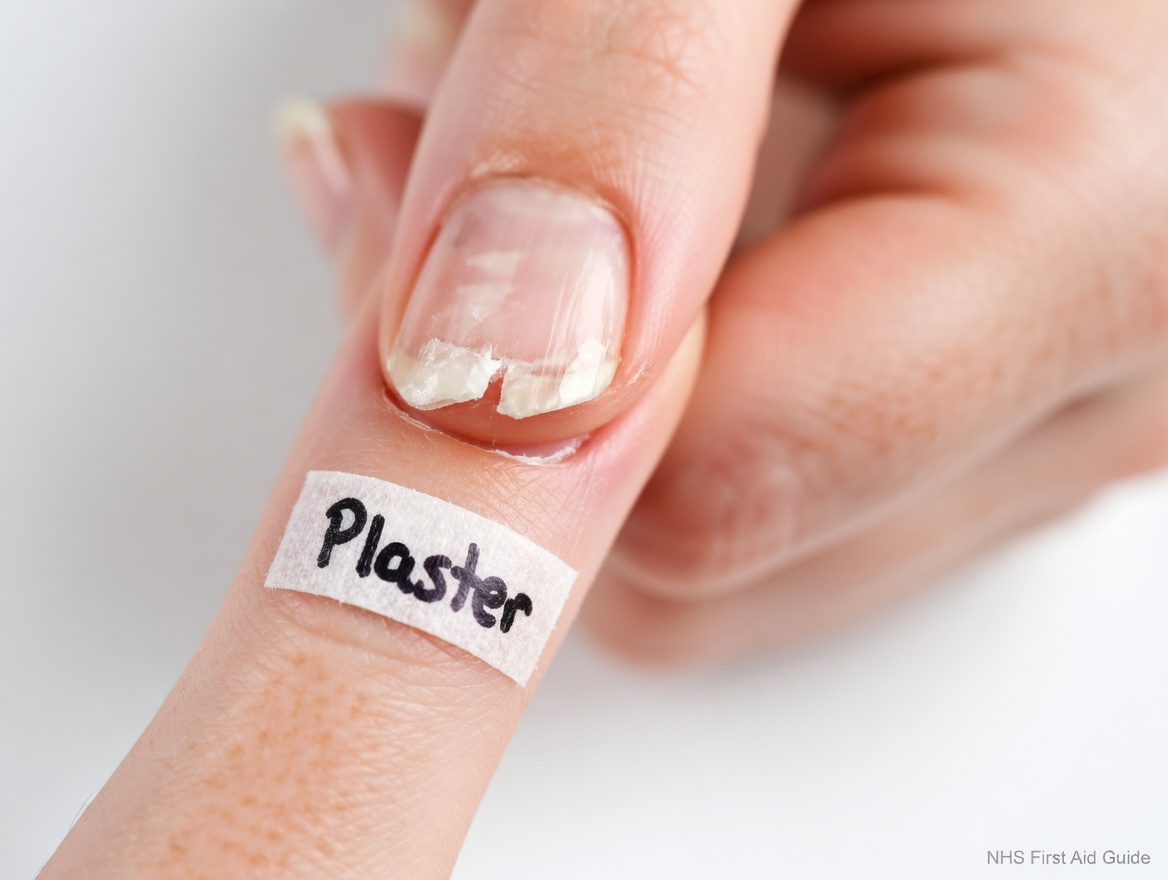
Many people notice their nails becoming weaker over time—edges split, layers peel away, or tips snap with simple daily tasks. It can be annoying and even painful when something as minor as opening a package, texting, or typing leaves you with a torn nail or rough edge. Dermatology studies suggest that brittle nails affect up to 1 in 5 adults, and the issue is especially common in women over 50.
The good news: in most cases, fragile nails are linked to everyday habits or environmental factors that can be adjusted. By understanding what’s behind brittle nails, you can make small, practical changes that support stronger, smoother nail growth. Below are 10 frequent causes and simple habits you can start using right away. Stay with it to the end for a surprising link that connects several of these triggers.
What Causes Nails to Become Brittle or Split?
Nails are primarily made of keratin, a tough structural protein that protects your fingertips. When the nail plate loses its ideal moisture balance, is repeatedly stressed, or reflects internal health shifts, nails can become dry, soft, flaky, or layered.
Dermatologists note that, in most people, brittle nails are caused more by external wear and tear than by serious medical conditions. However, some patterns are worth paying attention to.
1. Frequent Handwashing and Water Exposure
Constantly moving your hands in and out of water can strip away natural oils from the nails and surrounding skin. This repeated cycle of soaking and drying leads to:
- Loss of protective lipids in the nail plate
- Increased dryness and fine cracks
- Nails that peel, chip, or split more easily
People who wash dishes often, clean regularly without gloves, or work in wet environments (like healthcare or food service) commonly experience weak, splitting nails.
2. Aging and Natural Nail Changes
As we get older, nail growth tends to slow down and nails hold less moisture. Research has shown that post-menopausal women, in particular, are more likely to develop fragile nails due to:
- Reduced lipid content in the nail plate
- Thinner, drier nails that are easier to break
Aging itself can’t be stopped, but gentle, protective nail care can help counter some of these changes.
3. Dry Climates and Seasonal Changes
Cold, dry air—especially in winter—can pull moisture from the skin and nails. When you combine this with indoor heating, you get:
- Dehydrated nails that feel rough and brittle
- Increased flaking or splitting during low-humidity months
Many people report that their nail problems get noticeably worse in winter or in very dry climates.
4. Harsh Chemicals and Irritating Products
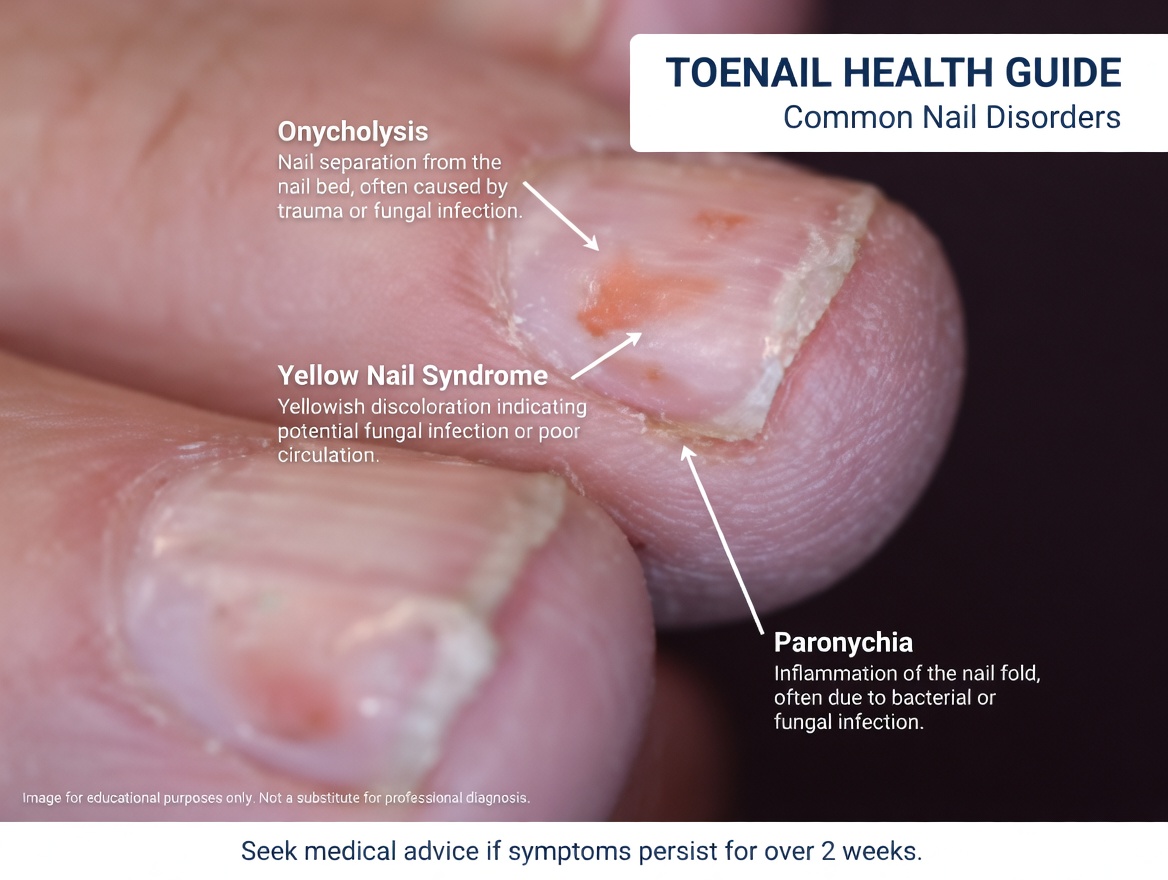
Regular exposure to strong chemical agents can erode the nail’s natural barrier. Common culprits include:
- Household cleaners and detergents
- Strong soaps and degreasers
- Nail polish removers, especially those containing acetone
- Alcohol-based hand sanitizers used many times per day
Over time, these can weaken nail structure, leading to peeling, transverse splits, and thinned nail plates.
5. Nail Habits and Everyday Trauma
Certain grooming habits and mechanical stress can slowly damage nails, even if you don’t notice it right away:
- Using nails to open cans, scrape labels, or pry things
- Nail biting or picking at cuticles
- Very long nails that snag and bend easily
- Aggressive filing, buffing, or cutting cuticles too deeply
- Frequent use of acrylics, gels, or extensions without breaks
All of these create microtrauma, which adds up and leaves nails weaker and more prone to cracking.
6. Overall Low Hydration (Dehydration)
Just like your skin, your nails need adequate hydration. If you’re not drinking enough water throughout the day, your body may show early signs in areas like:
- Dry, brittle nails that split or break easily
- Rough cuticles and surrounding skin
Staying well hydrated supports the nail matrix (the area where new nail cells are formed) and helps maintain a more flexible, less breakable nail plate.
7. Nutritional Factors, Starting with Biotin
Nutrition plays a key role in nail strength, beginning with biotin—a B vitamin that supports keratin production. Biotin is found in foods such as:
- Eggs (especially the yolk)
- Nuts and seeds
- Leafy green vegetables
Some small studies have reported that biotin supplementation can increase nail thickness and reduce splitting in certain people. However, results vary, and it’s not a universal solution. Still, ensuring your diet regularly includes biotin-rich foods is a smart step for overall nail health.
8. Iron Levels and Other Related Signs
Iron helps carry oxygen to rapidly dividing cells, including those that form your nails. When iron levels are low, some individuals may notice:
- Spoon-shaped nails (koilonychia), where the nail curves upward
- General nail thinning, fragility, or slow growth
- Other symptoms like fatigue, pale skin, or shortness of breath
Iron deficiency can stem from diet, blood loss, or absorption issues. If you suspect this might be a factor, it’s important to discuss testing with a healthcare provider.
9. Protein Intake and Keratin Building
Keratin—the main building block of nails—is a protein. If your diet is low in protein, your body has fewer resources to maintain strong, resilient nail plates. Helpful protein sources include:
- Lean meats, poultry, and fish
- Eggs and dairy products
- Beans, lentils, and soy products
- Nuts and seeds
Over time, insufficient protein can contribute to softer, weaker nails that bend and break easily.
10. Underlying Skin or Health Conditions
Sometimes, brittle nails are part of a bigger picture connected to skin or internal health issues. Examples include:
- Psoriasis: can cause pitting, discoloration, or separation of the nail from the nail bed
- Fungal nail infections: may lead to thickened, discolored, and crumbly nails
- Thyroid disorders: sometimes associated with brittle, ridged, or slow-growing nails
- Other systemic conditions that affect circulation, hormones, or nutrient absorption
If nail changes appear along with symptoms like hair loss, weight changes, severe fatigue, or skin rashes, it’s wise to seek medical advice.
Quick-Start Habits to Support Stronger Nails
You don’t have to overhaul your entire lifestyle to see improvements. Consistent, small steps often make the biggest difference.
Protective and Moisturizing Habits
-
Wear gloves for wet work
Use cotton-lined rubber gloves when washing dishes, cleaning, or using chemicals to reduce water and product exposure. -
Moisturize hands and cuticles daily
Apply a rich hand cream or cuticle cream containing lanolin, glycerin, or similar emollients—especially after washing, while skin is still slightly damp. -
File gently, in one direction
Use a fine-grit emery board, and avoid sawing back and forth. Smooth edges help prevent snags that turn into splits. -
Keep nails at a practical length
Short to medium-length nails are less likely to catch and tear during daily activities.
Hydration and Nutrition
-
Drink enough water
Aim to sip water regularly throughout the day to support overall hydration, including nails and skin. -
Choose nail-friendly foods
Include a variety of nutrient-dense foods such as eggs, nuts, spinach, lentils, beans, and lean proteins to provide biotin, iron, protein, and other key nutrients.
Smarter Nail-Care Choices
-
Give your nails a polish break
Take regular breaks from nail polish, gels, and removers to let the nail plate recover. -
Use gentler products
If you enjoy manicures, choose acetone-free polish removers and milder formulas to minimize drying and damage.
With steady habits, many people begin to see smoother, less brittle nails as the new growth replaces older, damaged nail—often within several weeks to a few months.
Comparing Common Approaches
Here’s how popular strategies for brittle nails generally stack up:
-
Daily cuticle and hand moisturizing
- How it helps: Restores and maintains surface hydration.
- Sustainability: High — easy to keep up long term.
- Ease of use: Very easy; fits into existing routines.
-
Wearing gloves for chores and cleaning
- How it helps: Reduces water, detergent, and chemical damage.
- Sustainability: High — simple habit once established.
- Ease of use: Easy; just remember to put them on.
-
Improving diet and hydration
- How it helps: Supports keratin production and overall nail growth from within.
- Sustainability: High — benefits overall health as well.
- Ease of use: Moderate; may require planning and consistency.
-
Using nail hardeners or strengthening polish
- How it helps: Offers temporary reinforcement to the nail surface.
- Sustainability: Low to moderate — overuse can sometimes make nails more brittle.
- Ease of use: Easy, but should be used thoughtfully.
-
Consulting a healthcare or skin professional
- How it helps: Identifies deeper issues like deficiencies, thyroid disorders, psoriasis, or fungal infections.
- Sustainability: As needed — targeted treatment based on diagnosis.
- Ease of use: Requires appointments and follow-up, but can be crucial when home care isn’t enough.
Putting It All Together: Small Changes, Real Results
Your nails can offer subtle clues about your daily habits and overall health. For many people, focusing on protection (gloves, gentler products), hydration (inside and out), and balanced nutrition leads to noticeably stronger, less fragile nails over time.
You don’t need to do everything at once. Start with one or two realistic changes—such as wearing gloves for cleaning and applying a moisturizing cream after handwashing—and pay attention to how your nails look and feel over the next few weeks and months.
Frequently Asked Questions
How long does it take for brittle nails to improve?
Fingernails typically grow about 3 mm per month. Because of this slow rate, it often takes 3–6 months of consistent care to see visible improvement, as new, healthier nail replaces older, damaged portions.
Are brittle nails always a sign of a serious health problem?
In most cases, no. Brittle nails are usually related to external factors such as:
- Frequent water or chemical exposure
- Dry air or seasonal changes
- Nail-biting or using nails as tools
However, if nail changes occur along with symptoms like fatigue, skin rashes, hair loss, or unexplained weight changes, a medical evaluation is important to rule out underlying issues.
Can supplements fix brittle nails?
Some research suggests that nutrients like biotin may help in specific situations, especially if you have a deficiency. But supplements:
- Are not guaranteed to work for everyone
- Take time to show any effect
- Should be used under professional guidance
Whenever possible, prioritize getting nutrients from whole foods first, and talk with a healthcare provider before starting any supplement for brittle nails.
This information is for educational purposes only and is not a substitute for professional medical advice, diagnosis, or treatment. Always consult a qualified healthcare provider with any questions about nail changes or your overall health.