Herbs That May Help Support Healthy Blood Circulation
Efficient circulation is essential for overall health. Blood carries oxygen and nutrients to tissues while helping remove metabolic waste. When circulation becomes sluggish—something that can happen with prolonged sitting, aging, or daily lifestyle habits—the legs may start to feel heavy, tired, or puffy. Supporting vascular function through smart food choices and healthy routines may help reduce that discomfort and improve daily well-being.
A growing body of research suggests that certain herbs and spices contain plant compounds that may influence platelet activity, blood vessel relaxation, and inflammation in ways that support healthy blood flow. For best results, these natural options should be combined with regular movement, adequate hydration, and advice from a qualified healthcare professional.
Best Herbs for Circulation and Vascular Comfort
Below are some of the most widely discussed herbs for promoting circulation and leg comfort. Their use is supported by both traditional practices and modern scientific reviews.
1. Garlic: A Classic Choice for Vascular Health
Garlic is well known in the kitchen, but it also has a strong reputation for supporting cardiovascular wellness. It contains sulfur-based compounds such as allicin, which research suggests may help affect platelet function and encourage smoother blood flow.
Several studies and reviews have explored garlic’s potential role in heart and vascular support, including its mild influence on clotting-related processes.
Ways to use garlic
- Add freshly crushed garlic to meals and let it rest for about 10 minutes before cooking to help activate allicin.
- Make garlic tea by steeping 1 to 2 cloves in hot water for 5 to 10 minutes.
- Mix it into soups, stir-fries, sauces, and salad dressings on a regular basis.
Many people find that smaller amounts used consistently work better than taking too much at once.
2. Ginger: Warming, Comforting, and Revitalizing
Ginger is often praised for its warming qualities, and it may also offer circulation-supportive benefits. Compounds such as gingerol have been linked in reviews to anti-platelet activity and blood vessel relaxation, both of which may contribute to healthier flow.
Animal and laboratory research also suggests ginger may help ease inflammation while supporting vascular function.
Simple ways to enjoy ginger
- Brew fresh ginger tea by slicing a 1-inch piece, boiling it for 10 minutes, and adding lemon or honey if desired.
- Grate fresh ginger into smoothies, stir-fries, and soups.
- Use small fresh pieces directly or add powdered ginger to cooking and baking.
Its warming nature can feel especially pleasant during cold weather or when your legs feel sluggish.
3. Turmeric: Golden Support for Blood Vessel Function
Turmeric contains curcumin, a compound widely studied for its anti-inflammatory and circulation-supportive properties. Research suggests curcumin may act in ways similar to mild anticoagulants and may also help blood vessels relax.
Its broader benefits for heart and vascular health have made turmeric one of the most popular herbs for circulation support.
Practical ways to use turmeric
- Prepare golden milk with warm milk or a plant-based alternative, 1 teaspoon of turmeric, a pinch of black pepper, and a little honey.
- Add turmeric to curries, rice dishes, eggs, or soups.
- Consider supplements if needed, but check with a healthcare provider first for proper guidance.
Black pepper is often paired with turmeric because it may improve curcumin absorption.
4. Cayenne Pepper: A Spicy Option for Better Blood Flow
Cayenne pepper contains capsaicin, a compound that may help stimulate nitric oxide production. This may encourage blood vessels to relax, potentially supporting healthier circulation.
Traditional use often highlights cayenne for its warming effect, particularly in the hands and feet. Some scientific reviews also suggest it may play a role in vascular comfort.
Easy ways to add cayenne
- Sprinkle a small amount on eggs, roasted vegetables, or soups.
- Try cayenne tea by adding a tiny pinch to hot water.
- Include it in spice blends used for everyday meals.
Start with a very small amount, especially if you have a sensitive stomach.
5. Cinnamon: An Easy Everyday Spice
Cinnamon is another common household spice that may offer circulation-related benefits. Research has linked its coumarin content with mild blood-thinning effects, and it may also support healthy blood vessel function through its antioxidant properties.
Because it is easy to include in daily meals, cinnamon can be a simple long-term habit.
Daily ways to use cinnamon
- Sprinkle it over oatmeal, yogurt, fruit, or coffee.
- Steep a cinnamon stick in hot water to make tea.
- Add it to smoothies, baked goods, or breakfast recipes.
Cassia cinnamon is the most common type and is generally used in small amounts.
Bonus Herb: Perilla (Shiso) Leaves
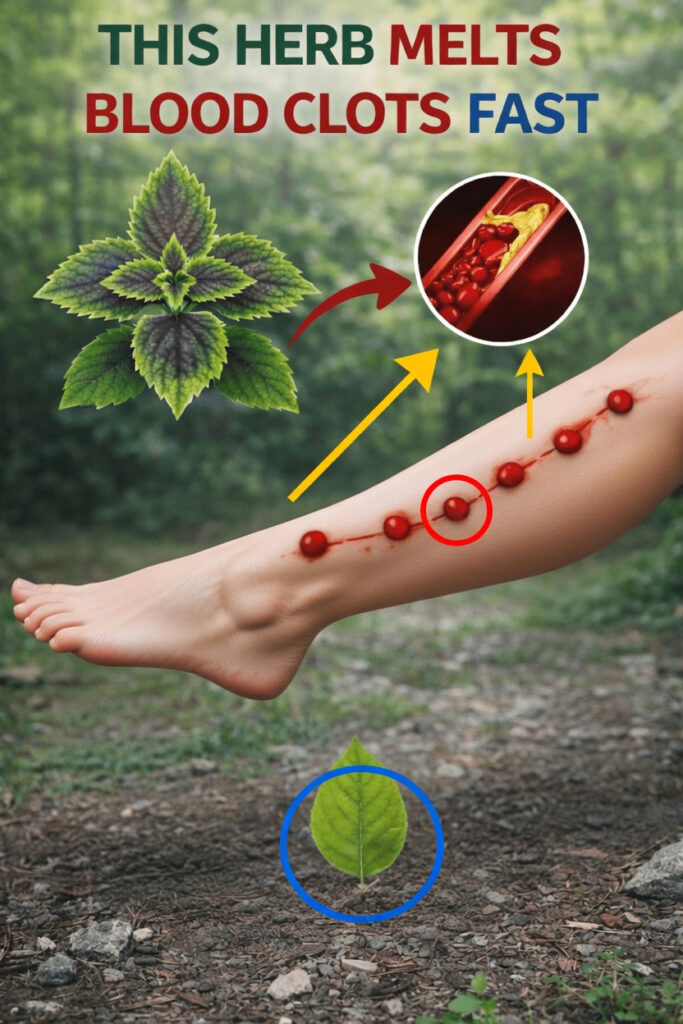
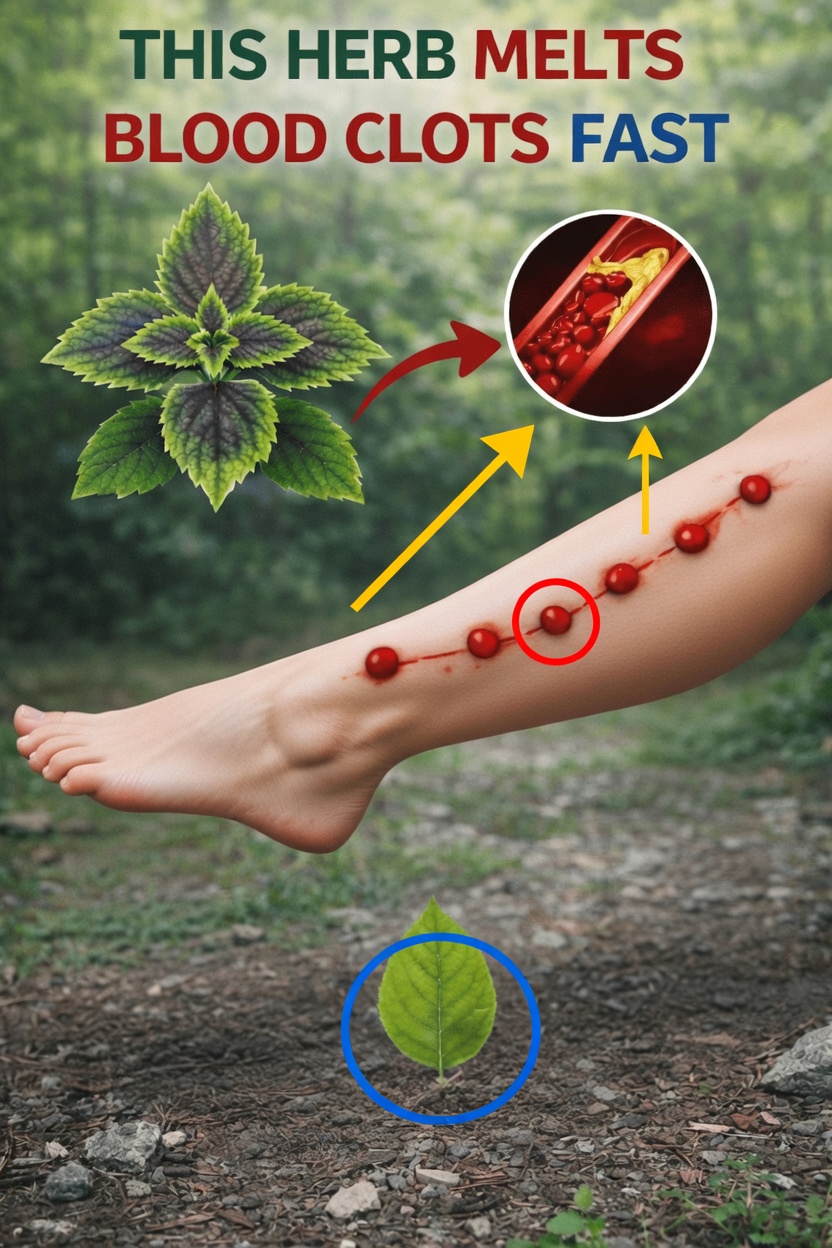
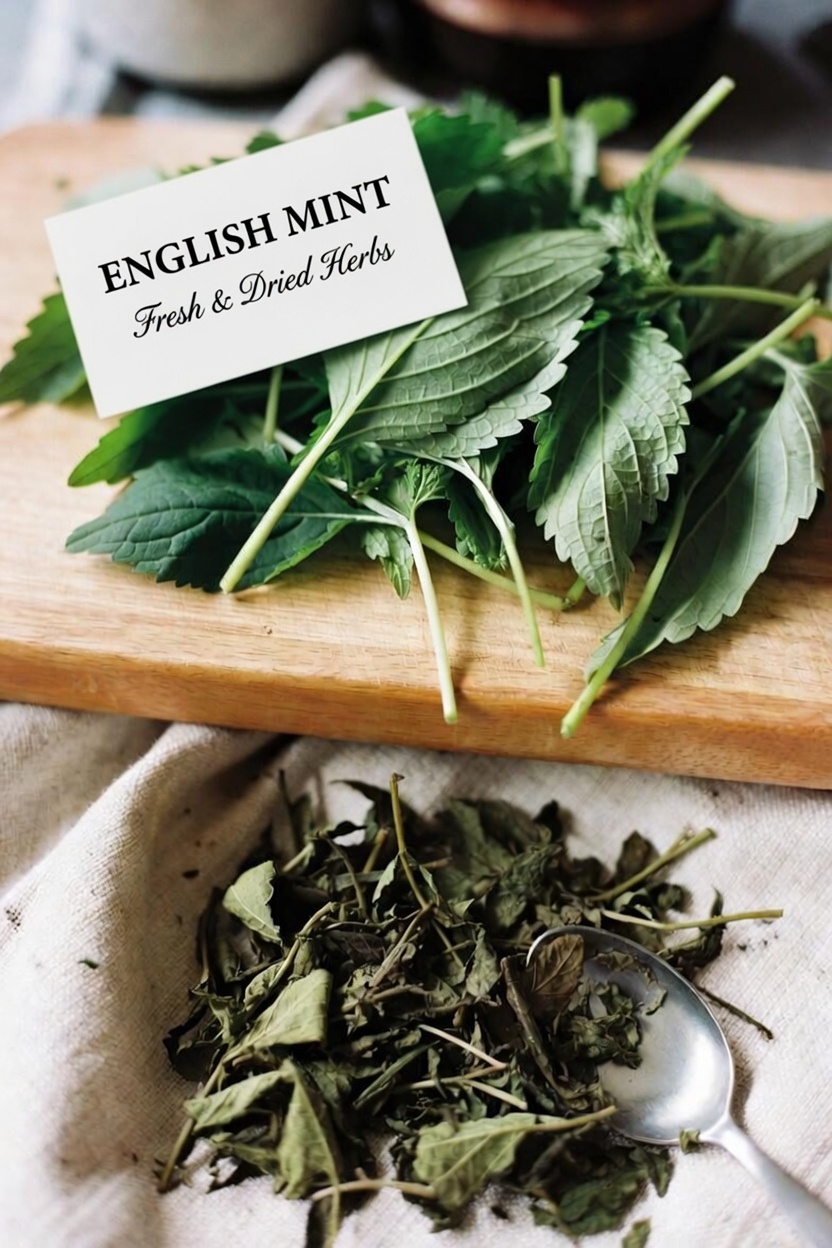
Perilla frutescens, also known as shiso, is an herb commonly used in Asian cuisine and traditional wellness practices. It contains compounds such as rosmarinic acid as well as oils rich in omega-3 fats. Some animal studies suggest that perilla oil may help reduce platelet aggregation and delay thrombus formation in research models, indicating possible circulation-supportive effects.
In traditional use, perilla has long been valued for general health support.
How to use perilla
- Add fresh leaves to salads, wraps, or rice dishes.
- Make tea by steeping 1 to 2 teaspoons of dried leaves in hot water.
- Use it as a garnish in Asian-inspired meals.
Perilla also offers a distinctive flavor that combines minty and basil-like notes.
Quick Comparison of These Circulation-Supporting Herbs
If you are deciding where to start, here is a simple overview:
- Garlic — often highlighted for platelet-related support due to allicin
- Ginger — a warming choice with anti-inflammatory appeal
- Turmeric — valued for curcumin’s broad vascular benefits
- Cayenne — known for a fast, stimulating warming effect
- Cinnamon — mild, convenient, and easy to use every day
- Perilla — an emerging option with omega-rich potential for flow support
A practical approach is to begin with 1 or 2 herbs based on your taste preferences and what is easy to find.
Simple Ways to Support Leg Circulation Starting Today
Herbs can be helpful, but they work best when paired with healthy daily habits. To improve circulation and leg comfort, consider these steps:
- Start gradually: Introduce one herb, such as ginger tea or garlic in meals, and use it daily.
- Move more: Aim for a 20 to 30 minute walk each day. Elevating your legs can also help.
- Drink enough water: Staying hydrated supports normal blood flow.
- Track how you feel: Notice whether your legs feel lighter or less heavy after 2 to 4 weeks.
- Speak with a professional: This is especially important if you take medications, since some herbs may interact with them.
Consistency matters. Small habits practiced every day often bring the most noticeable results over time.
Final Thoughts
Garlic, ginger, turmeric, cayenne, cinnamon, and perilla are all accessible herbs and spices that may help support healthy circulation when used as part of a balanced lifestyle. While they are not a cure for circulation problems, they may contribute to lighter-feeling legs and greater comfort when combined with movement, hydration, and healthy daily choices.
FAQ
Can these herbs replace medical treatment for circulation problems?
No. These herbs may support general wellness, but they are not a substitute for medical care. If you have ongoing swelling, pain, or other persistent symptoms, consult a doctor.
How long does it take to notice improvement in leg comfort?
Some people notice mild changes within 2 to 6 weeks when herbs are used consistently along with exercise, hydration, and a healthy diet.
Are there any side effects or drug interactions?
Yes, in some cases. Herbs such as garlic, ginger, turmeric, or cayenne may affect blood thinning or cause stomach irritation in certain people. If you take blood thinners or other medications, speak with a healthcare provider before using them regularly.