Basil Flowers: An Ancient Natural Remedy You Shouldn’t Throw Away
Basil flowers are a long-kept secret in natural wellness—often linked to better digestion, stronger immunity, and even healthier-looking skin.
When tiny blossoms start forming at the top of a basil plant, many people assume the herb is “done” for the season. That’s why the flowers get pinched off and tossed without a second thought. But what if those delicate blooms are actually a hidden botanical treasure?
The surprising truth: basil flowers are edible. More than that, they offer gentle flavor, useful nutrients, and natural medicinal properties—not just in the leaves, but in the blossoms too.
Modern research highlights basil’s valuable compounds, including flavonoids, polyphenols, and essential oils. These same components can also be found in the flowers, which—despite their small size—may provide antibacterial, anti-inflammatory, and antioxidant support.
For centuries, communities across Asia and the Mediterranean have used basil flowers in teas, traditional remedies, and regional cooking.
In this guide, you’ll learn why basil flowers deserve a place in your kitchen and self-care routine, how to use them safely, and what real-world benefits people report.
The Hidden Power of Basil Flowers
A Natural Extension of the Basil Plant
Just like basil leaves, the flowers contain aromatic essential oils such as eugenol, linalool, and methyl chavicol. These compounds shape basil’s signature scent and are also connected to many of its traditional wellness uses.
In terms of taste, basil flowers are typically milder than the leaves, with a subtle sweet, lightly spicy finish—ideal for delicate dishes and infusions.
Why So Many People Ignore Them
Gardeners often remove blossoms to encourage more leaf growth, because flowering can sometimes make leaves taste slightly more bitter. While that approach can be helpful for harvesting leaves, discarding the flowers wastes a valuable part of the herb.
Nutritional and Traditional Medicinal Value
Even in small amounts, basil flowers can contribute meaningful plant compounds and nutrients, including:
- Antioxidants to help fight free radicals and support healthy aging at the cellular level
- Essential oils that may support immune function and digestive comfort
- Vitamins A, C, and K, which are important for skin health, bone support, and circulation
- Minerals such as calcium and magnesium that contribute to muscle and bone function
Potential Health Benefits of Basil Flowers
1) Digestive Support
A warm basil flower tea is commonly used to calm the stomach and may help reduce bloating after heavy meals.
2) Immune System Support
Basil’s natural antimicrobial compounds are traditionally used to help the body defend against unwanted bacteria and fungi.
3) Anti-Inflammatory Support
Because basil contains anti-inflammatory plant compounds, it may be helpful for people managing joint discomfort or ongoing inflammation (as part of an overall healthy routine).
4) Stress Relief and Relaxation
The gentle aroma of basil blossoms can feel naturally calming—similar to mild, herbal aromatherapy.
5) Skin and Scalp Care
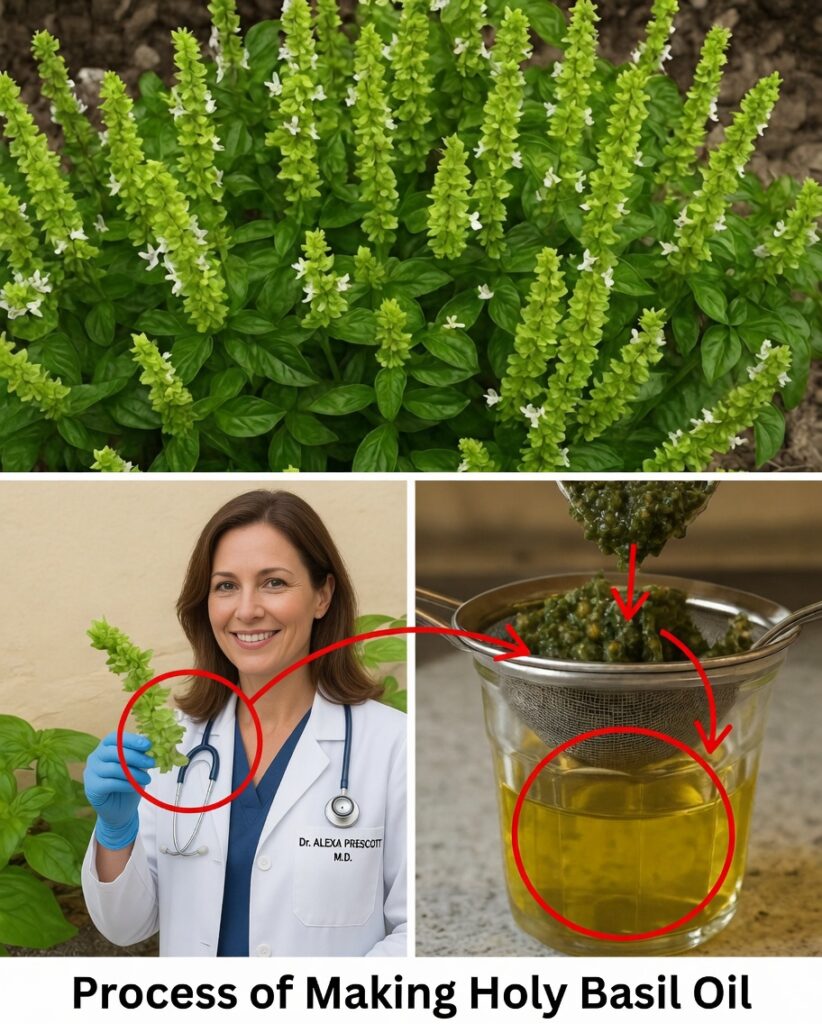
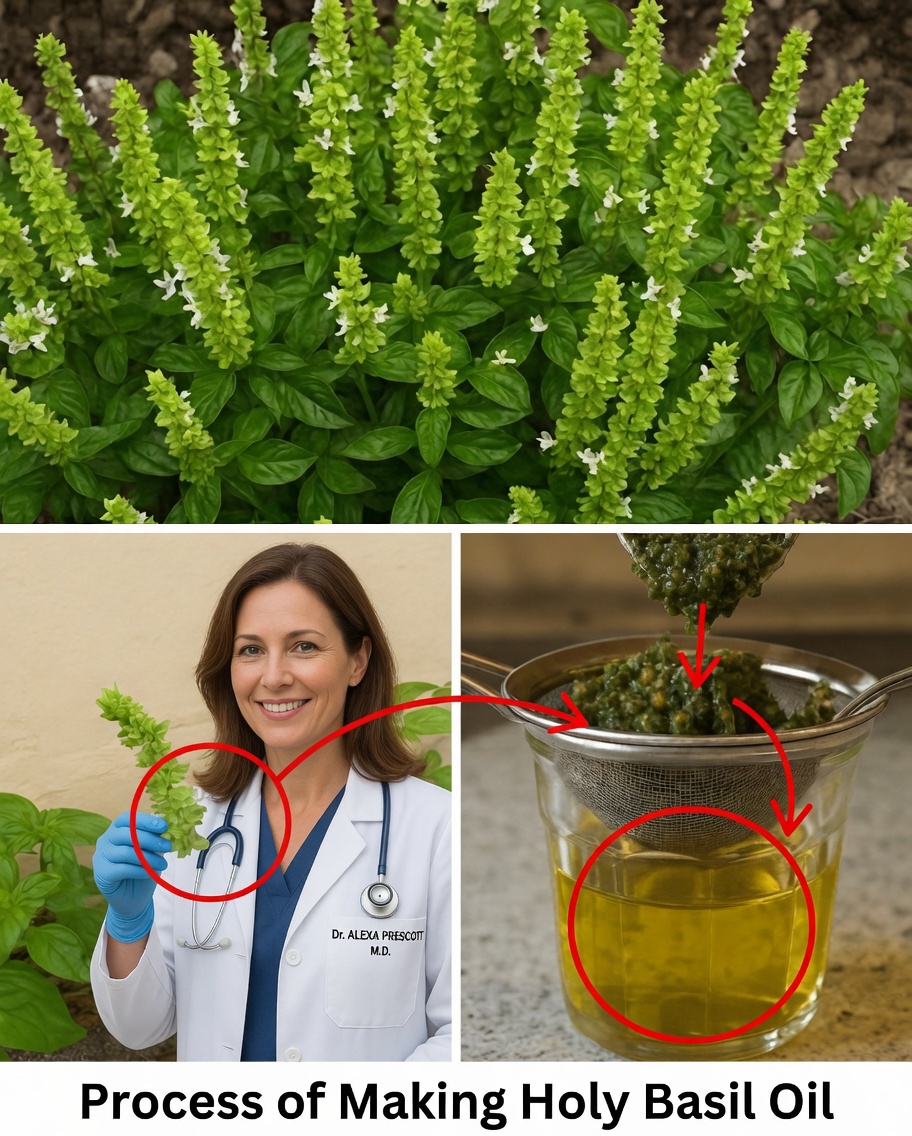
In folk remedies, infused basil flower oils are used to support clearer skin (including acne-prone areas), soothe irritation, and promote a healthier scalp.
How to Use Basil Flowers in Everyday Life
You don’t need special tools or advanced skills. Basil flowers are easy to incorporate into both food and natural care routines.
Culinary Uses for Basil Flowers
- Salads: Sprinkle fresh blossoms over salads for color and fragrance.
- Herb butter: Mix finely chopped flowers into softened butter for a floral, aromatic spread.
- Soups and pasta: Use as a garnish or stir in right before serving to preserve the delicate aroma.
- Infused oils or vinegars: Add flowers to olive oil or vinegar to create a lightly perfumed infusion.
Natural Wellness and Home Remedies
Basil Flower Tea
Add a small handful of basil flowers to hot water and steep for 5–10 minutes. This tea is often used for digestive comfort and relaxation.
Natural Home Fragrance
Dry the flowers and place them in sachets or potpourri to gently scent drawers and living spaces.
Infused Oil for Skin and Hair
Soak basil flowers in coconut oil for a few days, then apply to the skin or scalp as part of a simple self-care routine.
Real-Life Experiences People Report
The Curious Gardener
A home gardener in California began drying basil flowers for tea instead of throwing them away and noticed improved digestion after heavier meals.
Kitchen Creativity
A chef in New York used basil flowers in a salad dressing, and customers were pleasantly surprised by the soft floral note.
Natural Scalp Care
In India, a woman applied basil-flower-infused oil to her scalp and reported less dandruff after several weeks of regular use.
Important Safety Notes
Basil flowers are generally safe when used in moderate culinary amounts, but these precautions matter:
- Pregnancy: Avoid excessive intake of concentrated basil oils unless advised by a qualified professional.
- Blood thinners: Basil contains vitamin K, which may interfere with anticoagulant medications—ask a clinician if you’re unsure.
- Wash thoroughly: Rinse flowers well before eating or infusing, especially if grown outdoors.
Basil Flowers vs. Basil Leaves: What’s the Difference?
- Basil leaves: stronger, more peppery flavor—great for pesto, sauces, and warm dishes
- Basil flowers: softer, slightly sweet flavor—ideal for teas, garnishing, and infusions
Both parts are beneficial, but the flowers offer a delicate and highly versatile way to get more value from the same plant.
Conclusion
The next time your basil plant blooms, don’t toss those blossoms. Basil flowers bring unique flavor, antioxidants, and gentle wellness benefits that can elevate both your meals and your self-care routine.
Whether you use them in a calming tea, a fresh salad, or an infused oil for skin and hair, basil flowers are a natural gift—often overlooked, yet surprisingly valuable.
Disclaimer: This content is for informational purposes only and does not replace professional medical advice. Always consult a qualified healthcare provider for personalized guidance.