Small White Spots on the Arms and Legs: What They Mean and How to Care for Your Skin
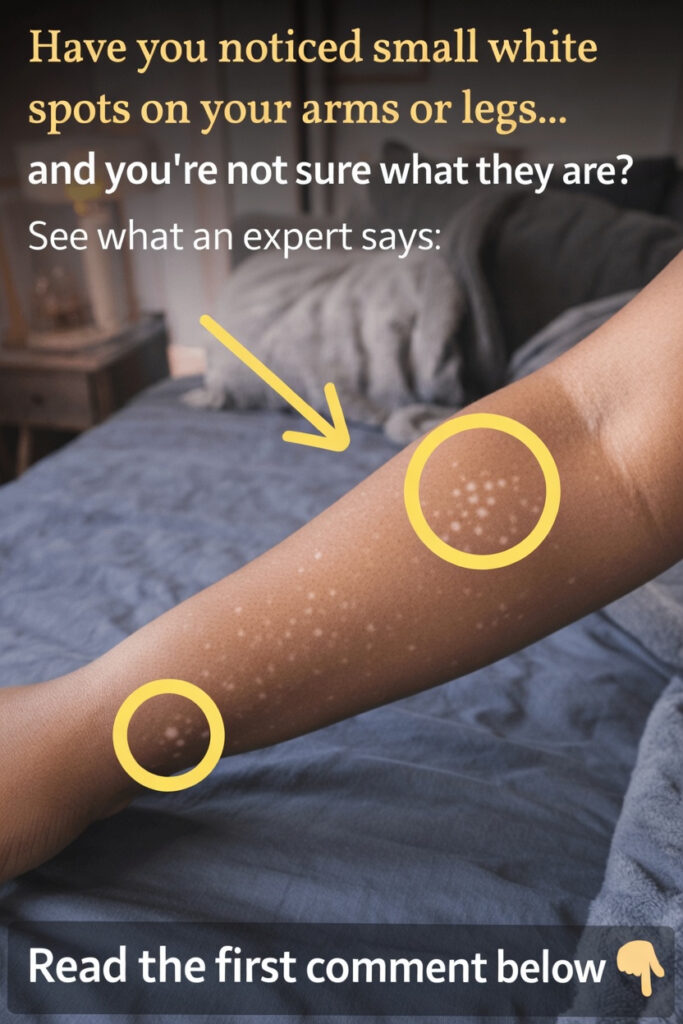
Tiny white marks on the arms or legs can be surprising, especially when they seem to develop gradually and become more noticeable against your natural skin tone. Many people wonder whether these pale spots are a warning sign or simply a common skin change that happens with time. In many cases, they are known as idiopathic guttate hypomelanosis (IGH), a very common and usually harmless condition.
These spots often appear on areas that receive frequent sun exposure, including the forearms, shins, and legs. The reassuring part is that they typically do not cause pain, itching, or other health problems. Still, knowing why they appear and what you can do to improve overall skin appearance can be very helpful. This guide explains what these small white spots are, why they show up, how to tell them apart from other skin conditions, and which daily habits may help your skin look more even over time.
What Are These Small White Spots?
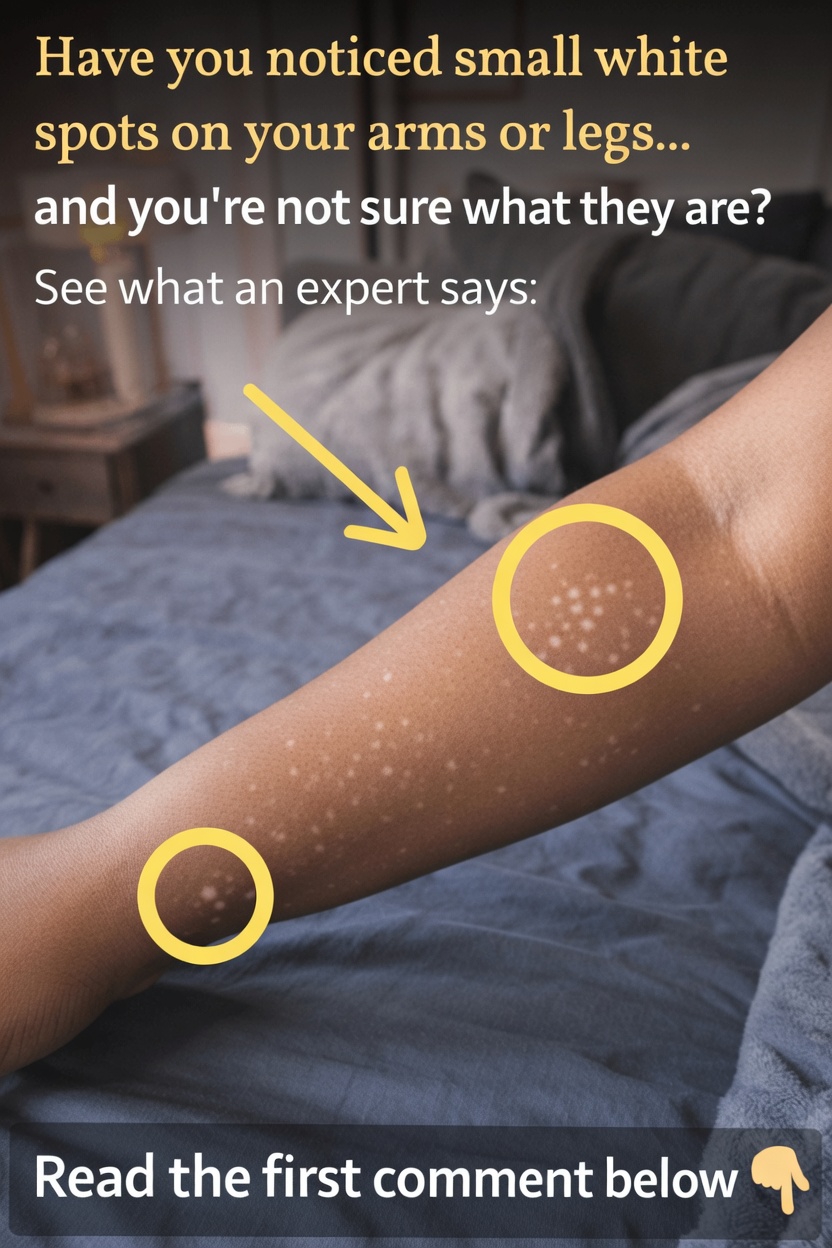
Idiopathic guttate hypomelanosis usually shows up as small, flat, round or oval patches that are lighter than the surrounding skin. Most are about 2 to 5 mm wide, although some can grow to 10 mm or slightly larger. They are typically smooth, with no raised surface and little to no scaling.
These pale spots are most often found on sun-exposed areas, such as:
- Arms
- Legs
- Shins
- Forearms
- Sometimes the upper back or chest
Studies suggest that IGH becomes more common with advancing age, especially after 40 years old. It is seen more often in people with lighter skin, but it can affect all skin tones. A major reason behind these spots is years of cumulative sun exposure, which can affect the cells responsible for producing skin pigment in small, localized areas.
However, sun exposure is not the only factor. Genetics and the natural aging process of the skin may also contribute, which is why the condition is considered “idiopathic,” meaning there is not always one exact cause.
Why Do They Appear More on the Arms and Legs?
The strongest link to these white spots is long-term ultraviolet (UV) exposure from sunlight. Over time, repeated sun exposure can reduce melanin production in tiny sections of the skin. Melanin is the pigment that gives skin its color, so when less of it is produced in certain patches, small white spots become visible.
Because the arms and legs are often exposed to sunlight over many years, these areas are especially likely to develop IGH. Some people refer to them as white sun spots or even reverse freckles.
Other factors that may play a role include:
- Aging: As skin matures, pigment cells may become less active in certain areas.
- Family history: Similar patterns can run in families, suggesting a genetic influence.
- Skin tone: Fair skin may show these spots more readily, while in deeper skin tones the contrast can be more obvious.
It is important to know that these spots are not caused by infection, not related to poor hygiene, and not contagious. They are considered a benign skin variation that many adults develop.

How to Know If It Is IGH or Something Else
Although IGH is a very common explanation for small white spots on the arms and legs, it is still useful to understand how it differs from other skin conditions.
Common Features of Idiopathic Guttate Hypomelanosis
- Small size, usually 2 to 5 mm
- Flat and smooth texture
- Round or oval shape
- Pale or white color
- Found mostly on sun-exposed limbs
- Usually no itching, pain, or scaling
- Appears gradually and becomes more common with age
Other Conditions That Can Look Similar
-
Tinea Versicolor
- Can create lighter or darker patches
- Often has fine scaling or flaking
- More commonly appears on the chest, back, or trunk
- Associated with yeast overgrowth on the skin
-
Pityriasis Alba
- Usually presents as mildly scaly patches
- Common in children and teenagers
- Often linked with dry skin or eczema
-
Vitiligo
- Tends to cause larger patches
- Usually has sharper borders
- May spread over time
- Sometimes affects hair, causing it to turn white in the affected area
If your spots are small, smooth, scattered, and non-itchy, especially on the arms or legs, IGH is a likely explanation. If you are uncertain, a dermatologist can confirm the diagnosis.
Daily Habits That Can Support Healthier-Looking Skin
You cannot erase past sun exposure, but good skin habits can help protect your skin and may reduce the appearance of future spots. Consistency matters most.
1. Use Broad-Spectrum Sunscreen Every Day
A broad-spectrum SPF 30 or higher is one of the best ways to protect your skin from further UV damage. Apply it every morning to exposed skin, and reapply every two hours when outdoors.
2. Wear Protective Clothing
During the strongest sunlight hours, usually 10 a.m. to 4 p.m., choose lightweight clothing that covers the skin when possible. Long sleeves, pants, and seeking shade can all help reduce additional sun exposure.
3. Keep Skin Well Moisturized
Hydrated skin often looks smoother and healthier overall. Choose fragrance-free moisturizers with ingredients such as:
- Ceramides
- Hyaluronic acid
- Other gentle barrier-supporting ingredients
4. Exfoliate Gently
Mild exfoliation may help improve skin texture and surface smoothness. Good options include:
- A soft washcloth
- A gentle chemical exfoliant such as low-strength lactic acid
- Exfoliating only 2 to 3 times per week
Avoid aggressive scrubbing, which can irritate the skin.
5. Support Skin From the Inside
Nutrition and hydration also matter. A skin-friendly diet can include:
- Berries
- Leafy greens
- Nuts
- Plenty of water
Antioxidant-rich foods support overall skin resilience and may contribute to a healthier appearance.

Simple Daily Routine for More Even-Looking Skin
A basic routine can make it easier to stay consistent:
Morning
- Cleanse gently
- Apply moisturizer
- Use sunscreen on the face and all exposed body areas
Midday
- Reapply sunscreen if you are outside
Evening
- Cleanse
- Moisturize
- Use gentle exfoliation 2 to 3 times weekly if desired
Weekly
- Check your skin in natural light and note any visible changes
Many people find that daily sun protection alone helps their skin tone look more even over time.
When to See a Dermatologist
Even though IGH is usually harmless, there are times when professional advice is a good idea. See a dermatologist if the spots:
- Start changing quickly in size
- Become raised
- Itch, hurt, or feel irritated
- Look very different from typical IGH spots
- Affect your confidence or cause concern
A dermatologist can confirm whether the spots are truly IGH and discuss cosmetic treatment options if desired. These may include:
- Topical retinoids
- Cryotherapy
- Laser-based treatments
Results can vary, and in many cases the spots remain present naturally.
Frequently Asked Questions
Are small white spots on the arms and legs dangerous?
No. In most cases, these spots are benign and not linked to a serious medical problem. They are commonly associated with sun exposure and skin aging.
Do these white spots disappear on their own?
Usually, once they develop, they tend to remain. However, sun protection may help prevent additional spots from forming and keep the condition from becoming more noticeable.
Can people with darker skin tones get IGH?
Yes. IGH can occur in all skin tones. In darker skin, the contrast may be more visible, which can make the spots stand out more clearly.
Final Note
This article is for educational purposes only and should not replace professional medical advice. If you have concerns about white spots on your skin or want a proper diagnosis, speak with a qualified healthcare provider or dermatologist.