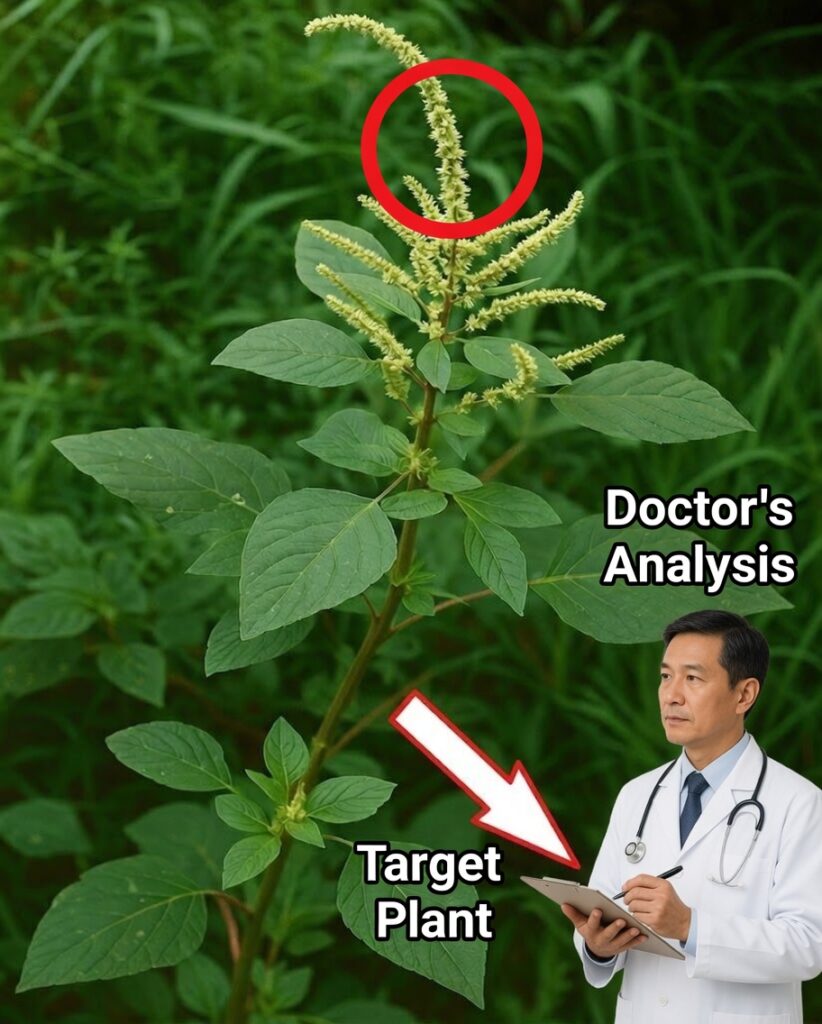
A Overlooked Backyard Plant That May Support Digestion, Ease Inflammation, and Nourish Your Blood
Have you ever pulled a plant from your garden assuming it was just a weed? Many people do—without realizing that some “unwanted” plants can be surprisingly nutritious and traditionally valued for wellness. White Amaranth (Amaranthus viridis) is one of those hidden gems. For centuries, different cultures have used it both as food and as a staple in traditional remedies. Yet today, it’s still commonly thrown away, even though it may be one of the most accessible greens growing right outside your door.
In a world where billions are spent each year on products for digestion, inflammation, and circulatory support, it’s worth noticing that a self-seeding plant can offer gentle, natural support in these same areas. So what makes Amaranthus viridis special—and how can you use it safely at home?
In this article, you’ll learn about its nutritional profile, traditional uses, key health benefits, practical preparation methods, and important precautions.
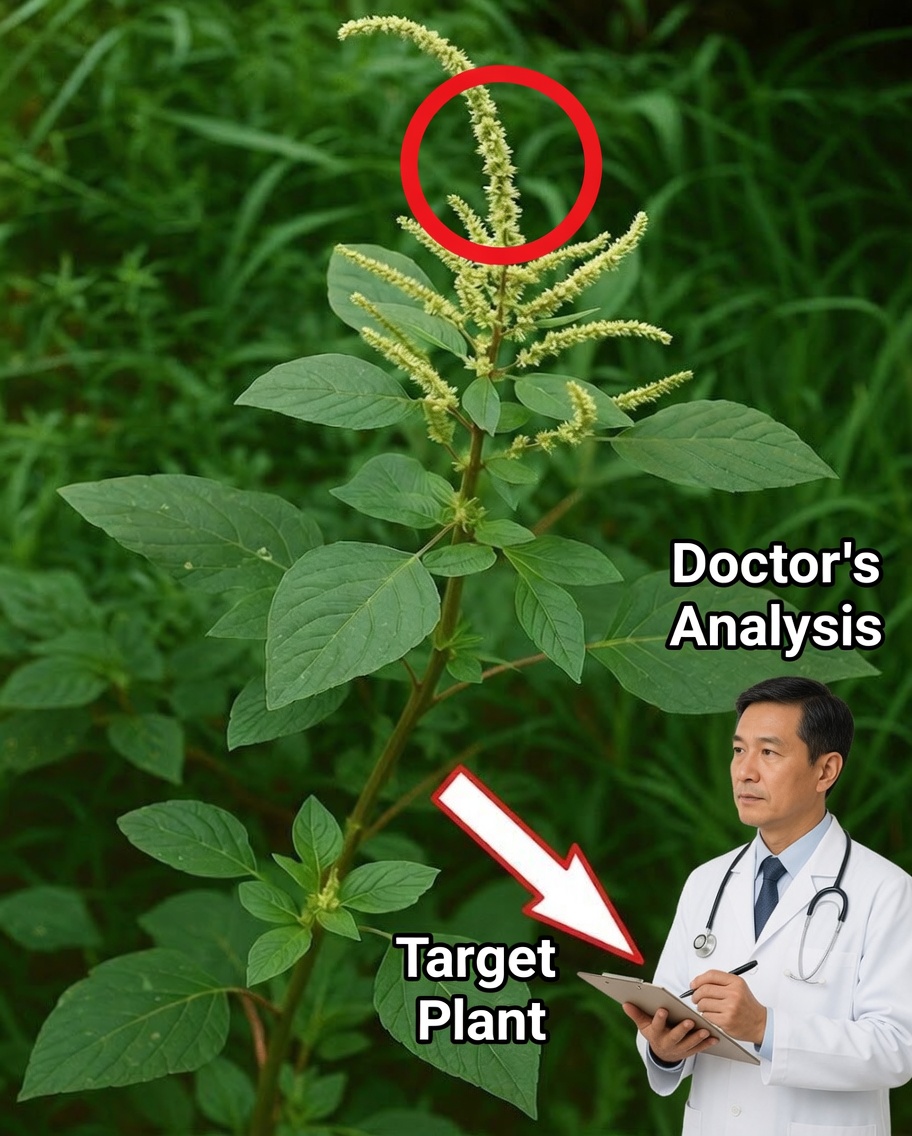
What Is White Amaranth (Amaranthus viridis)?
White amaranth, also called green amaranth or wild amaranth, belongs to the amaranth family—plants appreciated worldwide for both their nutrient-dense leaves and (in some species) protein-rich seeds.
It grows easily across tropical and subtropical regions, including parts of Latin America, Asia, and Africa, often appearing wherever soil is disturbed.
Key characteristics
- Leaves: soft, tender, light green foliage
- Growth habit: commonly sprouts in gardens, vacant lots, and along roadsides
- Edible parts: mainly leaves and young stems, typically eaten cooked
- Traditional uses: digestive discomfort, fever support, and soothing minor skin irritations
In many rural communities, it’s seen not only as food, but also as an affordable, everyday plant for basic home care.
Nutritional Value: Small “Weed,” Big Nutrition
Despite being widely ignored, Amaranthus viridis offers an impressive range of nutrients.
It naturally provides:
- Vitamins: A, C, and several B vitamins
- Minerals: iron, calcium, magnesium, and potassium
- Plant protein: often higher than many common leafy vegetables
- Dietary fiber: supports regularity and helps promote fullness
- Natural antioxidants: help the body defend against oxidative stress
Just one cup of cooked leaves can contribute meaningful amounts of vitamin A and iron, two nutrients strongly linked to energy, immunity, and healthy blood function.
Potential Health Benefits of White Amaranth
1. Digestive support
Thanks to its fiber content, white amaranth may help encourage healthy bowel movements and ease mild constipation for some people.
2. Anti-inflammatory potential
Traditional use and naturally occurring plant compounds suggest the leaves may help calm inflammation, which can be helpful for everyday joint or muscle discomfort.
3. Circulatory and blood nourishment
With iron plus protective antioxidants, this leafy green may support red blood cell production and overall circulation as part of a balanced diet.
4. Traditional skin care
In folk practice, crushed fresh leaves are sometimes used as a simple poultice to soothe:
- minor irritation
- insect bites
- small superficial wounds
5. Nutritional support during pregnancy (with guidance)
In some traditions, the plant is eaten to help boost iron and folate intake. Even though it’s a nourishing food, pregnant people should consult a qualified health professional before using it frequently.
How to Use White Amaranth at Home
Leaf tea (traditional preparation)
- Simmer a handful of fresh leaves in water for about 10 minutes.
- This infusion is traditionally used for mild digestive discomfort.
Cooked greens (use it like spinach)
- Rinse the leaves thoroughly.
- Sauté with garlic and a small amount of olive oil.
- Add to soups, broths, rice, or stews.
Simple herbal poultice (topical use)
- Crush fresh leaves into a paste.
- Apply to clean skin for a few minutes.
- Traditionally used to soothe minor irritation.
Important Safety Notes
White amaranth is generally considered safe as a food, but a few precautions matter:
- Contains oxalates (similar to spinach), which may contribute to kidney stones when eaten in large amounts by susceptible individuals.
- Cooking is recommended: it can reduce certain anti-nutrients and improve mineral availability.
- If you have kidney disease or other chronic conditions, consult a healthcare professional before frequent use.
- Only harvest from clean areas, away from pesticides, heavy traffic, or polluted soil.
Practical Tips for Everyday Meals
- Pair with garlic or onion to boost flavor and add additional antioxidant compounds.
- Use it anywhere you’d normally use spinach: soups, stir-fries, stews, and rice dishes.
- Eat it with vitamin C-rich foods (tomatoes, lemon, citrus) to help improve iron absorption.
- Leaves can be sun-dried and stored for later use.
Conclusion
White amaranth (Amaranthus viridis) may look like an ordinary garden weed, but it carries real nutritional value and a long history of traditional use. With its mix of vitamins, minerals, fiber, and antioxidants, it has supported generations as both food and a simple form of natural wellness support.
It isn’t a replacement for medical care—but when prepared properly and used sensibly, it can be a smart, affordable addition to a healthy diet.
The next time you spot it growing in your yard, you may want to pause before pulling it out—this “weed” could be a genuine green treasure.