
Why Vaginal Discharge May Change After Intimacy
Many women notice that their vaginal discharge looks different at certain times, especially after sexual activity. Changes such as thick white clumps, clear fluid, bubbly texture, or a yellow tint can feel confusing and sometimes worrying. These shifts are a common part of women’s health conversations because the vagina naturally works to keep its internal environment balanced. The good news is that learning what these signs may mean can help you make confident decisions about your comfort, hygiene, and overall well-being.
Vaginal discharge is not just normal—it is an important part of how the body stays clean and protected. After intimacy, changes in pH, semen exposure, lubrication, or friction can affect the vaginal microbiome and make discharge seem different for a while. Research suggests that sexual activity may temporarily influence this balance. In many cases, these changes are manageable with simple everyday habits that support vaginal health naturally.

Normal Discharge vs. Changes That Stand Out
Discharge is a healthy bodily function. According to trusted medical sources such as the Cleveland Clinic, normal vaginal discharge is usually clear or white, mild in smell, and useful for removing old cells and bacteria.
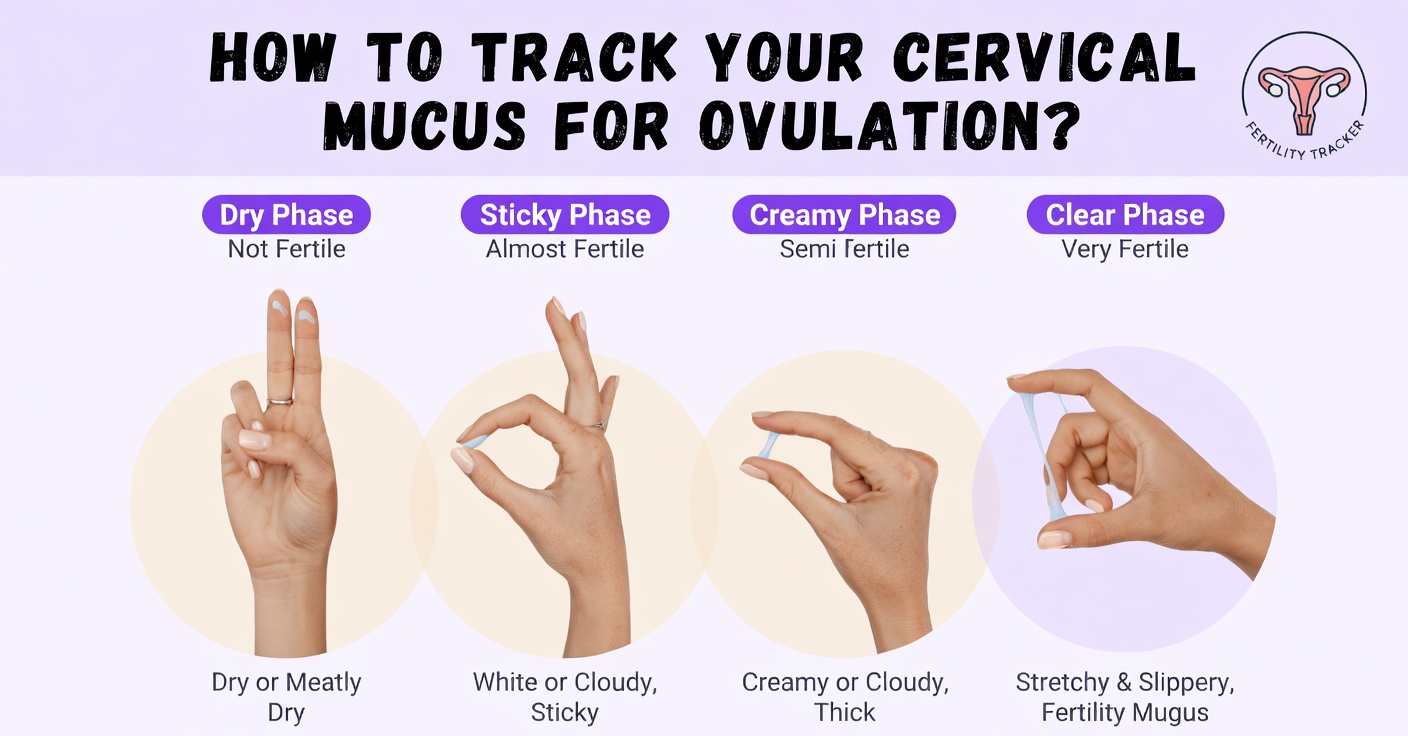
Its appearance can shift throughout the menstrual cycle. At some points, it may be thicker and creamier, while at others it may become more watery or slippery. After intimacy, extra clear or milky fluid is often a normal response to arousal and natural lubrication.
Still, some changes are more noticeable and may raise questions, including:
- Thick, white, clumpy discharge that looks similar to cottage cheese
- Frothy or bubbly discharge with a yellow-green tone and a thinner texture
These signs do not always mean something serious. However, if they happen along with irritation or discomfort, many women choose to seek medical advice.
Common Reasons Discharge Changes After Sex
Sexual activity can sometimes alter the vaginal environment for a short time. Several possible reasons are often discussed in women’s health.
Yeast Overgrowth
A yeast imbalance happens when naturally present yeast grows more than it should. Hormonal changes, medications, moisture, or shifts related to intimacy may contribute. The discharge is often described as thick, white, and clumpy, usually without a strong odor. Itching, redness, or irritation may also appear.
Bacterial Imbalance
Bacterial vaginosis, often called BV, happens when the normal balance of vaginal bacteria is disrupted. It is sometimes associated with new sexual partners or multiple partners. Discharge linked to BV may look thin and grayish-white and often has a fishy smell that becomes stronger after intimacy.

Other Possible Causes
Some infections, including trichomoniasis, may cause discharge that looks frothy, yellowish-green, and has a more noticeable odor. These are frequently mentioned in relation to sexual transmission.
Studies also note that unprotected sex or a new partner can increase the likelihood of vaginal pH and microbiome changes while the body adjusts.
Even so, not every shift in discharge points to a serious problem. Some are temporary and improve with supportive daily care.
When to Pay Closer Attention
It is wise to be more alert if discharge changes come with other symptoms, such as:
- Ongoing itching, burning, or redness
- A strong or unusual odor that does not go away
- Pain or discomfort during urination or sex
- Swelling, tenderness, or soreness
If these signs appear, it is a good idea to speak with a healthcare provider for proper evaluation and personalized guidance.
Daily Habits That Help Support Vaginal Health
Simple routines can make a meaningful difference in maintaining comfort and balance. Many women find these habits helpful:
-
Drink enough water and eat a balanced diet
Staying hydrated supports overall wellness. Foods with probiotics, such as yogurt, may also be beneficial for maintaining a healthy internal environment. -
Wear breathable clothing
Cotton underwear and loose-fitting clothes can help reduce trapped moisture and keep the area more comfortable. -
Practice gentle hygiene
Clean the area with water or a mild, fragrance-free soap. Avoid douching, since it can disturb the vagina’s natural balance. -
Use protection during sex
Barrier protection may help reduce pH disruption caused by semen and lower the risk of certain infections. -
Track your cycle and discharge patterns
Knowing what is typical for your body can help you recognize when something truly seems different.
Quick Guide: Normal Discharge vs. Changes to Notice
Usually Normal
- Clear to white in color
- Mild or no odor
- Texture changes during the menstrual cycle
- No itching, burning, or irritation
Worth Monitoring More Closely
- Thick, clumpy white discharge
- Frothy yellow or yellow-green discharge
- Fishy or strong smell
- Itching, burning, pain, or discomfort
Consistently following healthy habits can improve day-to-day comfort and help support the vagina’s natural protective balance.
Final Thoughts: Pay Attention to What Your Body Is Telling You
Discharge after intimacy is often a normal response, not necessarily a reason to panic. At the same time, noticing unusual changes can help you stay proactive about your vaginal health. Gentle hygiene, smart daily habits, and awareness of your normal patterns can go a long way in supporting confidence and comfort. Small choices each day can have a big impact on your well-being.
FAQ
What causes thick white discharge after intimacy?
Thick white discharge may be related to a normal point in your menstrual cycle, but it can also happen with temporary imbalances such as yeast overgrowth. Intimacy may sometimes contribute to these changes.
Is yellowish or frothy discharge always a problem?
Not always. However, if it is paired with a strong odor, itching, burning, or discomfort, it is best to speak with a healthcare provider to identify the cause.
How can I support vaginal balance naturally?
Wearing breathable underwear, drinking enough water, using gentle cleansing methods, and practicing safer sex are all simple ways to help maintain a healthy vaginal environment.