What Your Fingernails May Reveal About Your Health
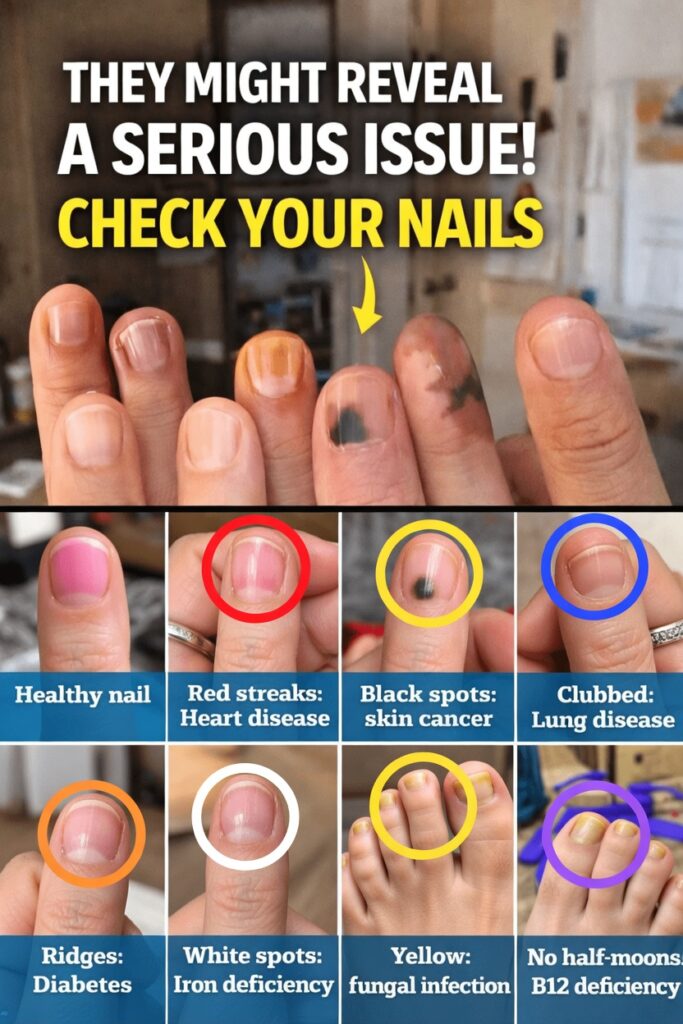
Have you ever examined your fingernails and noticed that something seemed different? A shift in color, shape, or surface texture may sometimes reflect more than routine nail damage or cosmetic concerns. Although many people dismiss these changes as normal aging, minor injuries, or everyday wear, nails can occasionally provide early clues about what is happening inside the body.
The encouraging part is that learning to recognize these signs can help you take better care of your health. Below, we’ll look at nine common nail changes that medical sources have connected to different wellness factors, along with simple ways to support stronger, healthier nails.
Why Nail Changes Matter
Nails are formed from living tissue, so they often mirror internal changes over time. According to medical organizations such as the Mayo Clinic and Cleveland Clinic, nail abnormalities may be related to nutrition, blood flow, illness, or other systemic issues. Of course, not every nail variation points to a serious problem. Many changes are temporary and harmless. Still, nail changes that appear suddenly or last a long time should not be ignored.
Knowing what is normal for your nails makes it easier to notice when something changes.
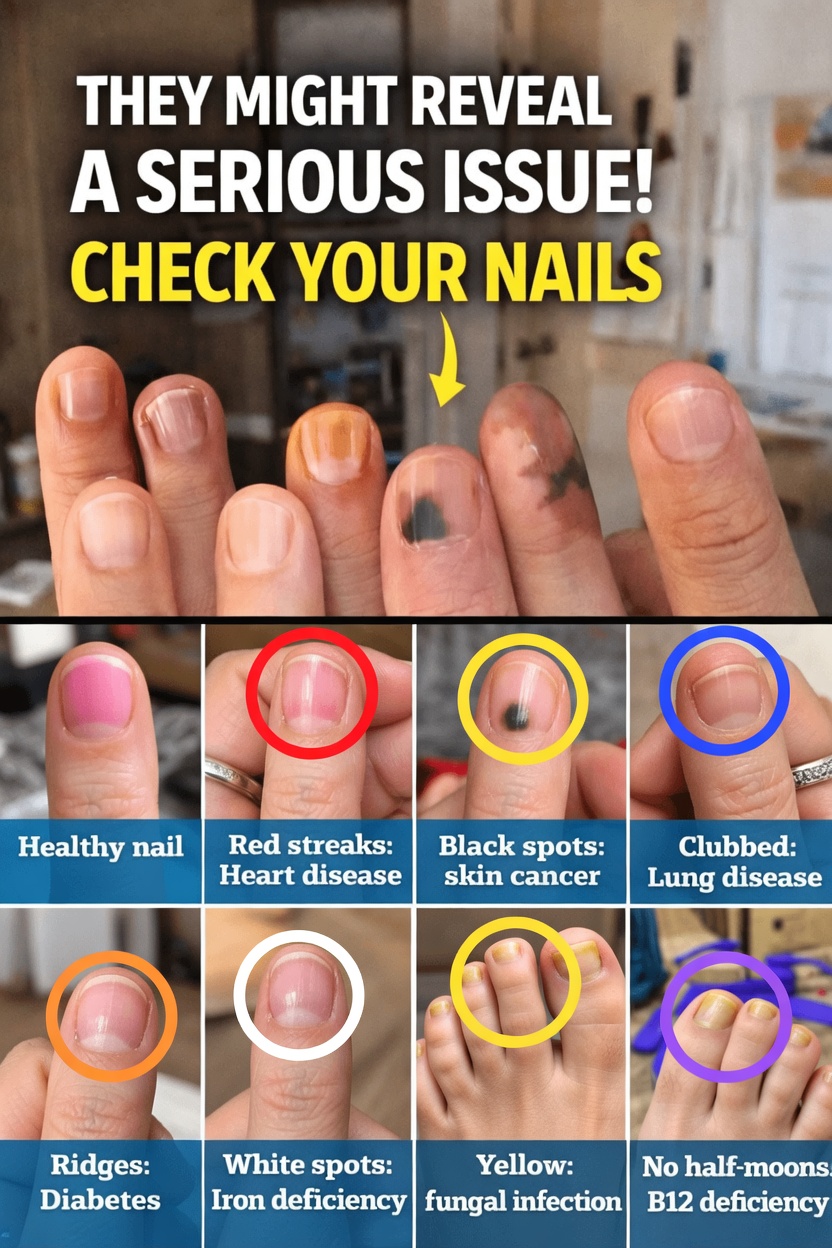
1. Healthy Nails: Your Normal Starting Point
A healthy nail is usually:
- Smooth and fairly even in texture
- Light pink in tone
- Firm but not brittle
- Free from deep grooves, unusual discoloration, or major spots
- Securely attached to the nail bed
- Marked by a small pale half-moon shape near the base in some people
Consistent hydration, a nutrient-rich diet, and regular moisturizing can help maintain this healthy appearance. If your nails generally look like this, it is often a sign that your nail care habits are working well.
2. Vertical Ridges: Common With Age
Lines that run from the cuticle to the tip of the nail are very common, especially as people get older. In many cases, these ridges are harmless. They may simply become more visible due to aging, dryness, or minor nutritional shortcomings.
To help keep nails smoother:
- Drink enough water daily
- Eat foods high in biotin, such as eggs and nuts
- Moisturize your cuticles every evening
If these ridges suddenly become very deep or appear unexpectedly, it may be wise to speak with a healthcare professional.
3. Horizontal Grooves (Beau’s Lines): A Sign of Past Physical Stress
Deep horizontal dents across the nail are known as Beau’s lines. Dermatology experts, including the American Academy of Dermatology, note that these grooves may appear after high fever, illness, or major physical stress that temporarily interrupts nail growth.
Because nails grow slowly, one of these lines may reflect an event that happened months earlier. To support more even growth afterward:
- Prioritize balanced nutrition during recovery
- Protect nails from repeated injury
4. White Spots: Usually Caused by Minor Trauma
Small white marks on the nails, called leukonychia, are often linked to light injury or pressure affecting the nail matrix. According to the Cleveland Clinic, these spots are usually not serious and tend to disappear as the nail grows out.
Helpful tip:
- Keep nails neatly trimmed so the spots grow out more quickly
Although widespread or persistent white spotting may deserve further attention, isolated specks are commonly harmless.
5. Yellow Nails: Sometimes Related to Fungal Problems
Nails that become yellow, thick, or slow-growing may sometimes be affected by fungal infections, especially in warm and damp conditions. In less common situations, medical references such as WebMD also mention associations with respiratory issues or other health conditions. A rare condition called yellow nail syndrome may involve slow nail growth and missing cuticles.
To lower the risk of yellowing caused by fungal issues:
- Keep hands and feet clean and dry
- Choose breathable footwear
- Wear gloves when necessary for wet tasks or exposure
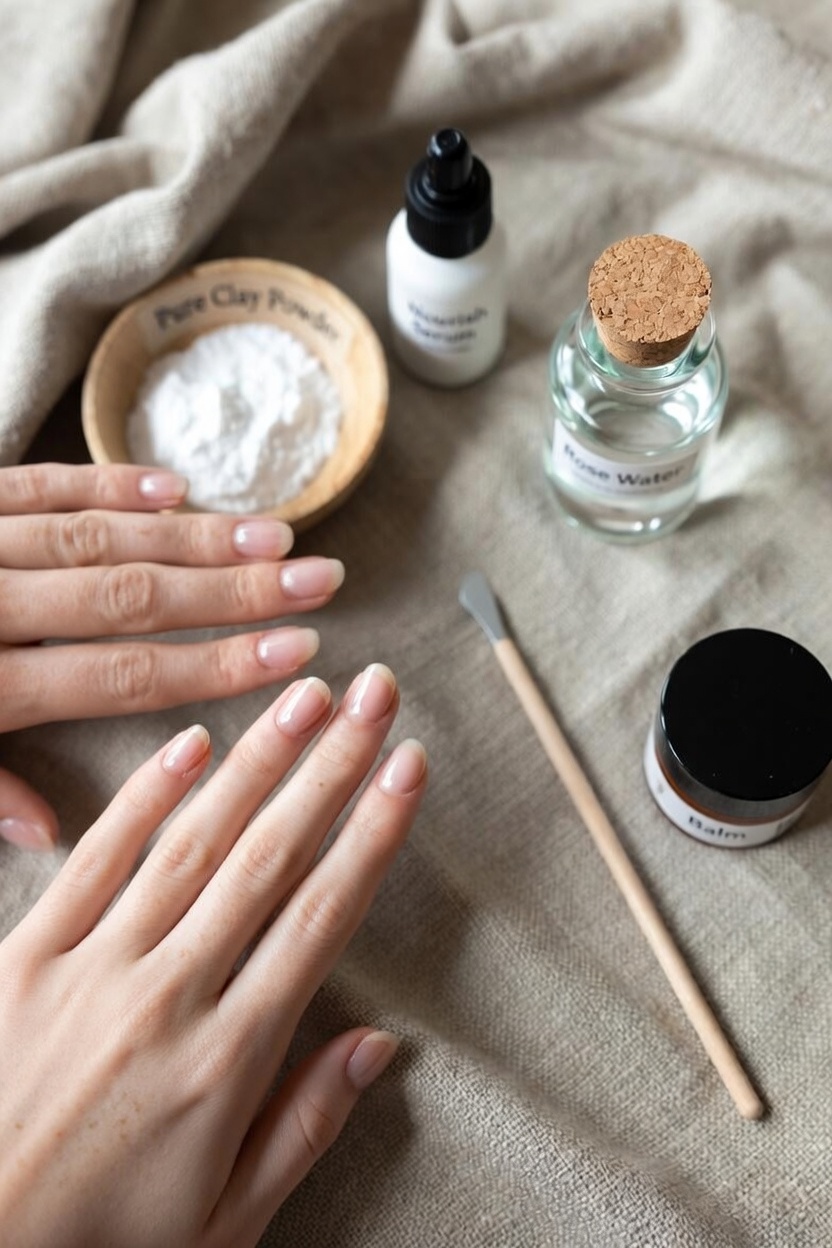
6. Pale or White Nails: Possible Clues About Blood Flow or Nutrition
Very pale nails may sometimes be linked to reduced circulation or low levels of important nutrients such as iron. Mayo Clinic resources note that anemia and other factors can contribute to this washed-out appearance.
Supportive habits include:
- Eating iron-rich foods like beans, lean meat, and leafy greens
- Pairing iron sources with vitamin C to improve absorption
If the change is persistent, a healthcare provider can help determine whether there is an underlying reason.
7. Clubbing: A Nail Shape Change That Deserves Prompt Attention
Clubbing happens when the fingertips become enlarged and the nails curve downward over them, creating a rounded, bulb-like shape. Trusted medical sources, including the Mayo Clinic and Cleveland Clinic, have associated clubbing with long-term low oxygen levels, often connected to heart or lung conditions.
If you notice this kind of gradual change:
- Watch for symptoms such as shortness of breath
- Arrange a medical evaluation as soon as possible
8. Dark Lines or Spots: Important to Have Checked
A dark vertical streak under the nail that is new, changing, or widening should be taken seriously. The American Academy of Dermatology advises having concerning pigment changes evaluated, as some may be related to important skin health issues.
What you can do:
- Take clear photos to track changes over time
- Make an appointment with a dermatologist if the streak changes or looks unusual
9. Spoon Nails (Koilonychia): When Nails Curve Upward
Spoon-shaped nails curve upward in the center, creating a shallow scooped appearance. This pattern may develop slowly and is sometimes associated with iron-related issues or other underlying factors.
To support nail health:
- Increase foods that support healthy iron levels
- Avoid harsh products that dry or weaken the nail surface
Everyday Habits That Help Keep Nails Strong
Healthy nails often benefit from simple daily routines. Here are several practical, research-supported habits you can begin right away:
- Moisturize often — Hand cream or cuticle oil can reduce dryness and brittleness.
- Eat a balanced diet — Include protein, iron, zinc, and biotin-rich foods like eggs and almonds.
- Protect your hands — Wear gloves when cleaning, washing dishes, or handling chemicals.
- Trim carefully — Cut nails straight across and file gently to prevent splitting.
- Avoid biting or picking — This lowers the risk of infection and damage.
Most importantly, pay attention to changes. Being observant is one of the best ways to catch potential issues early.
Final Thoughts: Your Nails Can Be a Health Signal
Your fingernails offer a visible and useful glimpse into your overall well-being. While many nail changes are minor and improve with better self-care, others may signal a need for medical attention. By building healthy habits and noticing unusual changes early, you can support both nail strength and general wellness.
FAQ
What is the most common reason for white spots on nails?
In most cases, white spots are caused by minor trauma to the nail matrix. They are usually harmless and fade as the nail grows.
Are vertical ridges in nails always a sign of a problem?
No. Vertical ridges are often a normal part of aging and are usually not serious. However, sudden or severe changes may be worth checking.
When should I see a doctor about nail changes?
You should seek medical advice if nail changes are sudden, persistent, widespread, or especially concerning, such as clubbing, dark streaks, or ongoing discoloration.