Pork Fat, Cholesterol, and Heart Health: What the Facts Really Say
Many people feel uneasy about foods such as pork fat or lard because they are often linked to poor heart health. Online posts frequently go further, claiming that certain foods are far worse, clogging arteries faster or containing shockingly high cholesterol levels. Messages like these can be confusing, especially for people who eat traditional or everyday foods believing they are part of a healthy lifestyle. The encouraging news is that once you understand how dietary cholesterol and saturated fat actually work, it becomes much easier to make smart decisions without unnecessary fear.
What surprises many people is this: although pork fat is rich in saturated fat, several familiar foods contain much higher amounts of cholesterol. At the same time, scientific evidence shows that dietary cholesterol is not the main factor behind high blood cholesterol for most individuals. Knowing what truly affects artery health can help you approach your diet with more confidence.
Dietary Cholesterol and Saturated Fat Are Not the Same
The cholesterol found in food is different from the cholesterol circulating in your bloodstream. According to research and guidance from groups such as the American Heart Association, saturated fat and trans fat usually have a stronger effect on raising LDL, often called “bad” cholesterol, than dietary cholesterol alone.
Lard is a good example. It contains a large amount of saturated fat, but its cholesterol content is relatively modest compared with some other animal-based foods. On average, pork fat provides about 95 mg of cholesterol per 100 grams.
This means a food can be high in saturated fat without being the highest source of cholesterol. That distinction matters when evaluating popular claims about “dangerous” foods.
Foods With Much More Cholesterol Than Pork Fat
USDA data and health research show that several common foods contain considerably more cholesterol than lard. Here are some notable examples:
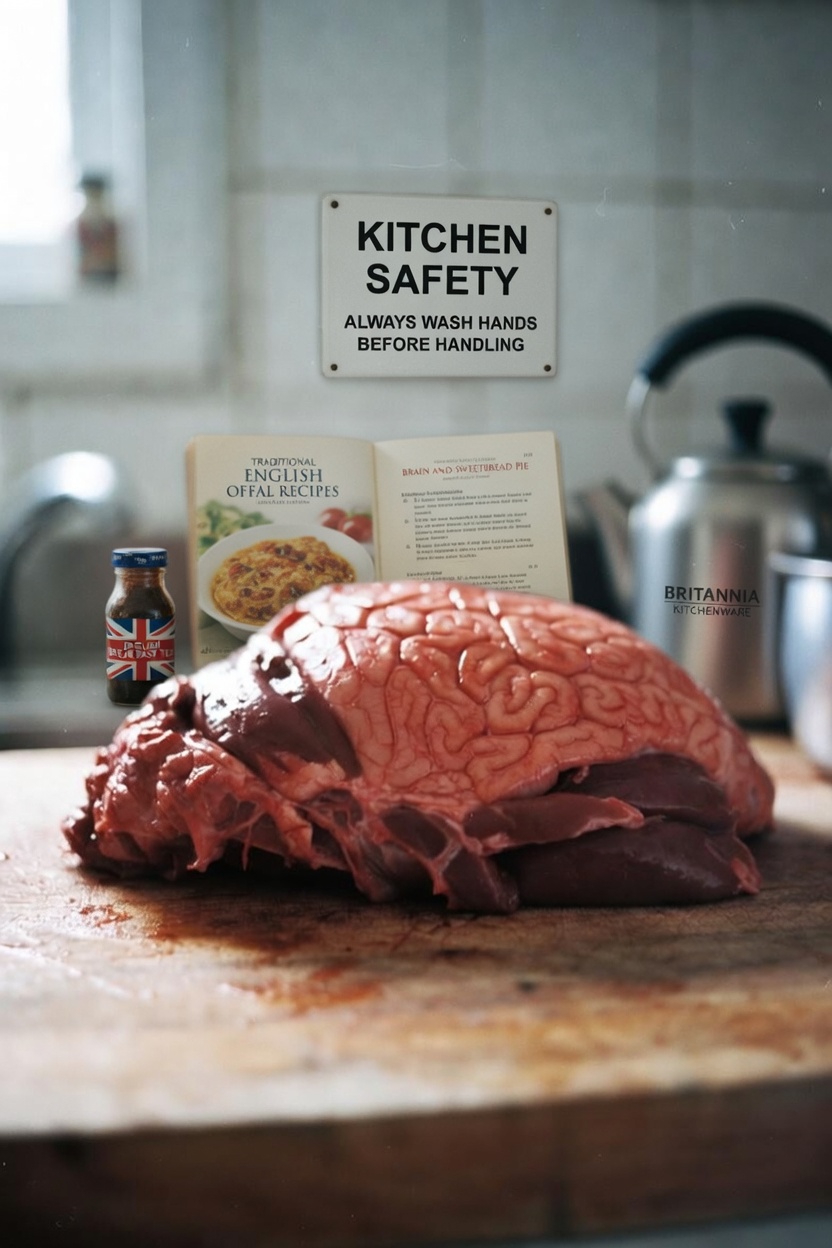
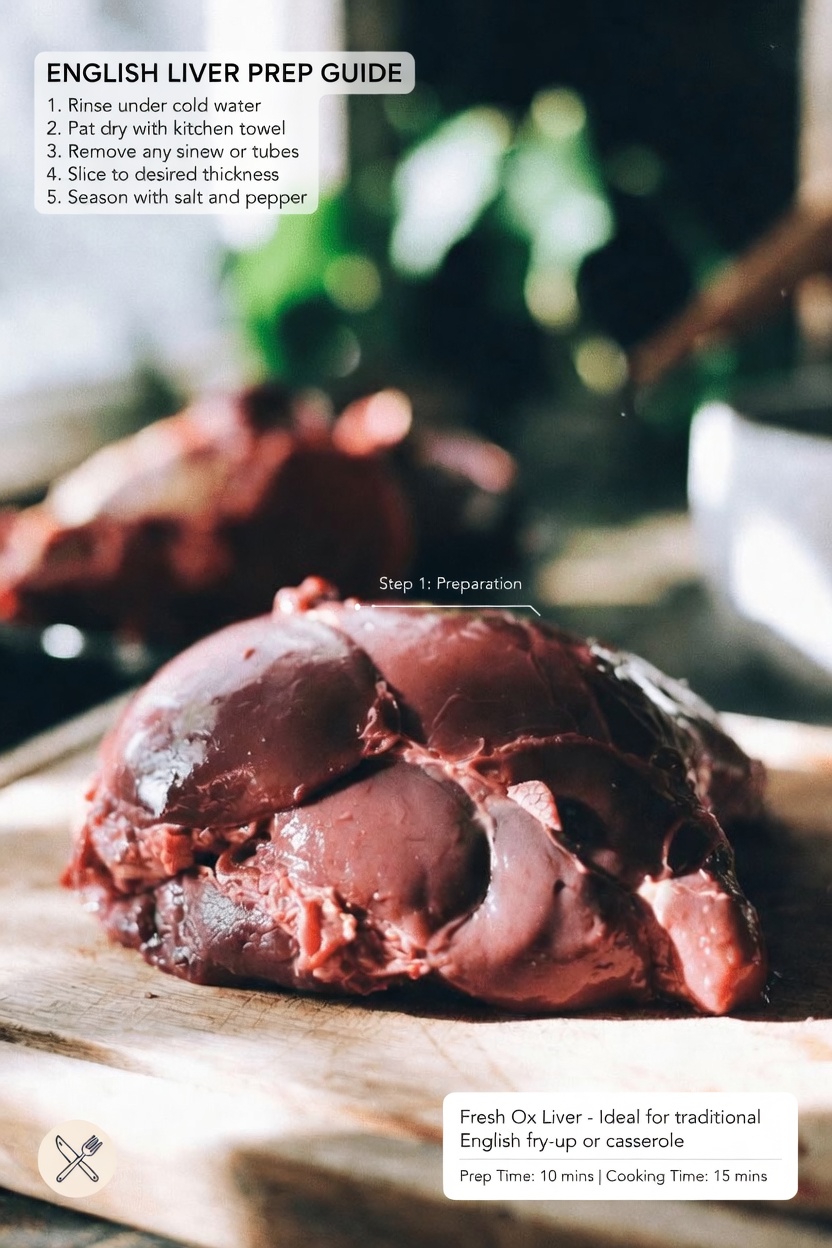
- Organ meats such as liver, kidney, and brain are among the richest sources of cholesterol. Animal brain, in particular, may exceed 2,000 mg per 100 grams, making it many times higher than pork fat. In many culinary traditions, these foods are appreciated for nutrients like iron, vitamin A, and B vitamins.
- Egg yolks are another concentrated source. One large yolk contains around 186 mg of cholesterol. While the comparison by weight is different, regular intake can still add up for people who are monitoring consumption.
- Shellfish, especially shrimp and lobster, are also higher in cholesterol than lard. Shrimp contains about 195 mg per 100 grams, roughly double the level found in pork fat.
- Full-fat dairy products such as cheese and butter contribute both cholesterol and saturated fat, which is why total intake may matter more than focusing on one food alone.
Quick Cholesterol Comparison
To make the numbers easier to see, here is a simple comparison:
- Lard: about 95 mg cholesterol per 100 g; high in saturated fat at roughly 40 g per 100 g
- Beef liver: about 300 to 400 mg per 100 g
- Pork brain: about 1,500 to 2,500 mg per 100 g
- Shrimp: about 195 mg per 100 g
These figures show that cholesterol levels vary widely from one food to another. Still, the bigger takeaway from current research is that eating foods high in cholesterol does not automatically cause a major rise in blood cholesterol for most people, especially when saturated fat intake is kept reasonable.
Why “Artery Killer” Claims Can Be Misleading
Social media often turns one ingredient or dish into a villain, labeling it the worst possible food for your arteries. While it is true that too much saturated fat over time can play a role in plaque buildup, no single food acts as an instant “artery blocker.” Heart health is shaped by a much broader picture.
Important influences include:
- overall diet quality
- physical activity
- smoking status
- stress levels
- sleep habits
- genetics and family history
Large reviews published in respected medical journals consistently point to patterns rather than panic. In other words, long-term habits matter more than occasional servings of a specific food. Many people can enjoy cholesterol-rich foods from time to time without causing major problems, especially as part of a balanced diet.
Practical Ways to Support Healthy Arteries
You do not need an extreme diet to protect your heart. Small, consistent habits can make a meaningful difference.
1. Choose leaner protein more often
Try rotating in options such as:
- fish
- skinless poultry
- beans
- lentils
- tofu
- nuts and seeds
This can help reduce frequent reliance on fatty cuts of meat or organ meats.
2. Build a balanced plate
A simple structure works well for many people:
- half the plate with vegetables and fruit
- one quarter with whole grains
- one quarter with protein
This approach improves fiber intake and supports healthier eating overall.
3. Cut back on saturated fat when possible
Instead of cooking mainly with butter or lard, consider oils richer in unsaturated fats, such as:
- olive oil
- avocado oil
- canola oil
These swaps can support healthier cholesterol levels over time.
4. Watch portion sizes
Foods high in cholesterol do not always need to be eliminated. Moderation is often enough. For example, many healthy adults can include eggs regularly, often up to one per day, depending on their overall diet and medical situation.
5. Check your numbers regularly
Routine health visits and lipid testing are important because individual responses vary. What works well for one person may not be ideal for another, so it helps to monitor your cholesterol profile with your doctor.
The Real Bottom Line on Cholesterol
Foods like organ meats, egg yolks, and shellfish can contain more cholesterol than pork fat, sometimes by a very large margin. However, when it comes to artery health, saturated fat intake, dietary patterns, and lifestyle factors usually matter more than dietary cholesterol alone.
Instead of fearing one specific food, it is better to focus on variety, moderation, and sustainable habits. A heart-friendly diet is not about perfection. It is about building an enjoyable way of eating that supports long-term wellness.
FAQ
Is dietary cholesterol the main reason blood cholesterol becomes high?
No. For most people, blood cholesterol is influenced more by saturated fat intake, activity level, body weight, genetics, and other lifestyle factors than by dietary cholesterol alone.
Can people with high cholesterol still eat eggs or shellfish?
In many cases, yes, as long as intake is moderate and part of an overall balanced diet. Personal advice from a healthcare professional is best, especially if you already have elevated cholesterol or heart disease risk factors.
What is the best way to keep arteries healthy?
The most effective approach combines several habits:
- eat a balanced, plant-rich diet
- stay physically active
- avoid smoking
- manage stress
- maintain regular medical check-ups
Together, these steps support healthier arteries far more effectively than obsessing over a single food.