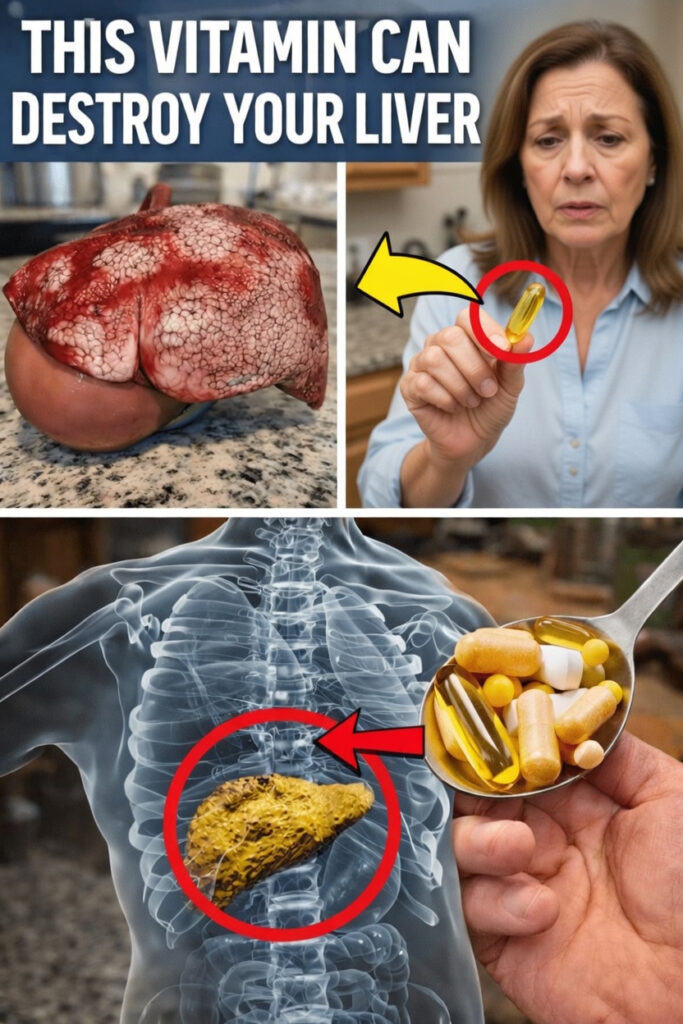
Can Supplements Affect Liver and Kidney Health?
Vitamins and dietary supplements are widely used to improve overall wellness. However, products intended to support health can sometimes create unexpected problems for important organs, especially the liver and kidneys. That can be concerning, particularly if you are already experiencing tiredness or other subtle symptoms that suggest something is not quite right.
The encouraging part is that a little knowledge goes a long way. When you understand how supplements behave in the body, it becomes much easier to make safer choices. One simple habit can completely change the way you use supplements: get personalized guidance before taking them regularly.
How Supplements Can Impact the Liver and Kidneys
The liver and kidneys are constantly working behind the scenes. The liver helps process nutrients and break down substances, while the kidneys filter waste and maintain fluid balance. When certain supplements are taken in large amounts, these organs may be forced to work harder than they should.
According to research, herbal and dietary supplements are associated with roughly 20% of liver injury cases in the United States. That statistic is not meant to cause alarm. Instead, it shows why informed decisions matter.
It is also important to remember that supplements are not all equally risky. Some are generally well tolerated when used properly, while others may become problematic when taken in concentrated forms, high doses, or for long periods.
9 Common Supplements Linked to Possible Liver or Kidney Concerns
1. Green Tea Extract: Helpful Antioxidants, But Dose Matters
Green tea extract is often promoted for weight control, metabolism, and energy support because it contains powerful antioxidants. In highly concentrated supplement form, though, it may pose risks to the liver due to high catechin content.
Some studies suggest that too much green tea extract can trigger oxidative stress in the liver. Kidney issues are less common, but people who are prone to stones may want to be cautious with excessive use.
Safer approach:
- Choose brewed green tea instead of strong extract capsules when possible
- Keep EGCG intake below 300 mg per day
- Avoid taking it on an empty stomach unless advised otherwise
2. Turmeric: A Popular Anti-Inflammatory That Still Requires Care
Turmeric is commonly used for inflammation support, largely because of its active compound, curcumin. Although it has many potential benefits, large doses or highly absorbable formulas may put stress on the liver.
There have been reports of turmeric supplements being linked to increased liver enzymes. In people who are vulnerable to kidney stones, high intake may also worsen the problem.
Smart use tips:
- Use turmeric in cooking whenever possible
- If supplementing, begin with a low dose
- Be mindful with formulas combined with black pepper, since absorption can increase significantly
3. Vitamin A: Necessary for Health, Dangerous in Excess
Vitamin A is essential for immune health and vision, but too much from supplements can build up in the liver over time. Unlike water-soluble vitamins, excess vitamin A is not easily flushed out.
Daily intakes above 40,000 IU have been associated with liver toxicity. Kidney problems may also occur indirectly through metabolic effects related to overdosing.
Better strategy:
- Prioritize food sources such as carrots, spinach, and sweet potatoes
- Do not exceed recommended intake unless a doctor tells you to
4. Niacin (Vitamin B3): Useful but Risky at High Levels
Niacin is often used to support cholesterol balance and energy metabolism. However, large doses can be hard on the liver. Intakes above 2,000 mg daily have been linked to acute liver injury.
On the kidney side, too much niacin may raise uric acid levels, which can contribute to kidney stones or gout flare-ups.
How to reduce risk:
- Use niacin only when medically appropriate
- Follow professional guidance for dose and form
- Be especially cautious with high-dose or extended-release products
5. Ashwagandha: Stress Support With Emerging Safety Questions
Ashwagandha is a well-known adaptogen used to support stress resilience and mood. While many people tolerate it well, some reports have connected it to liver toxicity.
Evidence related to kidney effects is more limited, but heavy or prolonged use may still place extra burden on the body’s filtration systems.
Practical advice:
- Consider using it in cycles, such as 8 weeks on and 4 weeks off
- Monitor for unusual fatigue, digestive discomfort, or dark urine
- Stop use and seek medical advice if symptoms appear
6. Black Cohosh: Menopause Relief With Rare Liver Warnings
Black cohosh is frequently used to ease menopause-related symptoms. In rare cases, it has been associated with liver injury.
Kidney-related concerns appear to be low, but combining it with multiple herbal products may increase the chance of unwanted effects.
Safer use suggestions:
- Buy only from reputable companies
- Look for standardized extracts
- Avoid combining with many other herbs without guidance
7. Garcinia Cambogia: Weight Loss Claims, Real Safety Concerns
Garcinia cambogia is commonly marketed for appetite control and weight management. Some research has tied it to liver problems, potentially related to its hydroxycitric acid content.
It may also influence fluid and electrolyte balance if overused, which can affect kidney function in some people.
Best practice:
- Focus on nutrition and exercise before relying on supplements
- If used, keep it short term
- Drink enough water and stop if unusual symptoms appear
8. High-Dose Vitamin C: Good for Immunity, Hard on Kidneys in Excess
Vitamin C plays an important role in immune function, but more is not always better. Doses above 2,000 mg per day may increase the risk of kidney stones by raising oxalate levels.
Liver issues are uncommon, though excessive intake may still add to overall oxidative strain.
Simple prevention tips:
- Spread vitamin C intake across the day
- Stay well hydrated
- Prefer food sources like citrus fruits, berries, and peppers
9. Red Yeast Rice: Natural Cholesterol Support With Statin-Like Effects
Red yeast rice contains monacolin K, a compound similar to prescription statins. Because of this, it can sometimes raise liver enzymes.
Kidney concerns may arise indirectly if muscle breakdown occurs, since the byproducts can burden the kidneys.
If using long term:
- Ask your doctor about liver function monitoring
- Watch for muscle pain or weakness
- Consider cholesterol-friendly foods such as oats, nuts, and legumes as part of your plan
Quick Comparison of Potential Risks
The table below summarizes the main concerns and safer intake suggestions.
| Supplement | Primary Organ Concern | Suggested Safer Daily Limit | Food or Lifestyle Alternative |
|---|---|---|---|
| Green Tea Extract | Liver | Under 300 mg EGCG | Brewed green tea |
| Turmeric | Liver/Kidneys | 500 to 2,000 mg curcumin | Culinary turmeric |
| Vitamin A | Liver | Under 10,000 IU | Carrots, spinach |
| Niacin | Liver | Under 35 mg for general use | Poultry, fish |
| Ashwagandha | Liver | 300 to 600 mg | Stress management practices |
| Black Cohosh | Liver | Follow label and medical advice | Lifestyle support for menopause |
| Garcinia Cambogia | Liver | Short-term use only | Balanced diet and exercise |
| Vitamin C | Kidneys | Under 2,000 mg | Citrus fruits |
| Red Yeast Rice | Liver | Use only with monitoring | Oats, nuts |
This comparison makes one thing clear: moderation, quality, and alternatives matter.
Warning Signs You Should Not Ignore
Liver and kidney problems do not always begin with dramatic symptoms. Early clues can be mild and easy to dismiss.
Possible liver-related signs:
- Unusual fatigue
- Yellowing of the skin or eyes
- Dark urine
- Nausea or abdominal discomfort
Possible kidney-related signs:
- Swelling in the hands, feet, or face
- Changes in urination
- Flank pain
- Persistent fatigue
Many supplement-related issues can improve if identified early, which is why paying attention to your body is so important.
A Simple Health Checklist for Supplement Users
If you use supplements regularly, these habits can help you stay safer:
- Keep a record of everything you take each day
- Write down any symptoms that begin after starting a new product
- Get blood work done regularly, especially if you use multiple supplements
- Speak with a healthcare professional before combining products
- Stop immediately if you notice signs of a reaction
Practical Ways to Protect Your Liver and Kidneys
You do not need to overhaul your routine overnight. Small changes can make supplement use much safer.
Read Labels Carefully
Look for third-party testing from groups such as USP or NSF. This helps reduce the risk of contamination or inaccurate dosing.
Start With a Lower Dose
Instead of jumping in at the full recommended amount, begin with less and see how your body responds.
Support Your Body With Basics
Good hydration, balanced meals, and enough sleep all help the liver and kidneys do their jobs more efficiently.
Avoid Random Supplement Stacking
Some combinations increase the chance of side effects or drug interactions. Mixing products without guidance can create unnecessary risk.
Take Breaks When Appropriate
Not every supplement needs to be taken continuously. In some cases, periodic breaks may help reduce stress on the body.
Final Thoughts
Supplements can offer real benefits, but they are not automatically harmless. The liver and kidneys handle much of the work involved in processing these substances, and some products can become risky when taken in high doses or without proper oversight.
The most effective strategy is also the simplest: use supplements based on your personal needs, not just trends or marketing. Professional guidance can help you choose the right product, the right dose, and the right duration while reducing avoidable harm.
Frequently Asked Questions
What are the earliest signs that a supplement may be harming the liver or kidneys?
Early symptoms may include unexplained fatigue, abdominal discomfort, dark urine, swelling, or changes in urination. If these symptoms continue, seek medical advice promptly.
Are multivitamins safe if I am worried about liver or kidney health?
In many cases, yes. A basic multivitamin without extra herbal ingredients is usually well tolerated when taken at the recommended dose. Problems are more likely when multiple products are combined or when high-dose formulas are used unnecessarily.
How can I choose safer supplements?
Focus on trusted brands, look for third-party testing, check ingredient quality, and verify information through reliable sources such as the NIH Office of Dietary Supplements. Most importantly, talk to a healthcare professional before starting long-term use.