Nighttime Warning Signs of Stroke Risk: What to Watch For and How to Protect Your Brain
Many people wake up feeling refreshed and normal. However, for others, subtle sensations during the night or unusual symptoms in the morning may point to a deeper health concern. Stroke is still one of the top causes of long-term disability around the world, and it often develops suddenly with little obvious warning. What seems like a small issue while sleeping may sometimes reflect underlying risk factors that have been building gradually.
The encouraging part is that understanding stroke risk, recognizing possible nighttime clues, and improving daily habits can help support brain and blood vessel health. Below, we’ll look at what experts say about sleep-related experiences that may deserve attention, practical steps you can take now, and one commonly overlooked nighttime habit that can make a meaningful difference.
What a Stroke Is and Why Symptoms May Show Up at Night
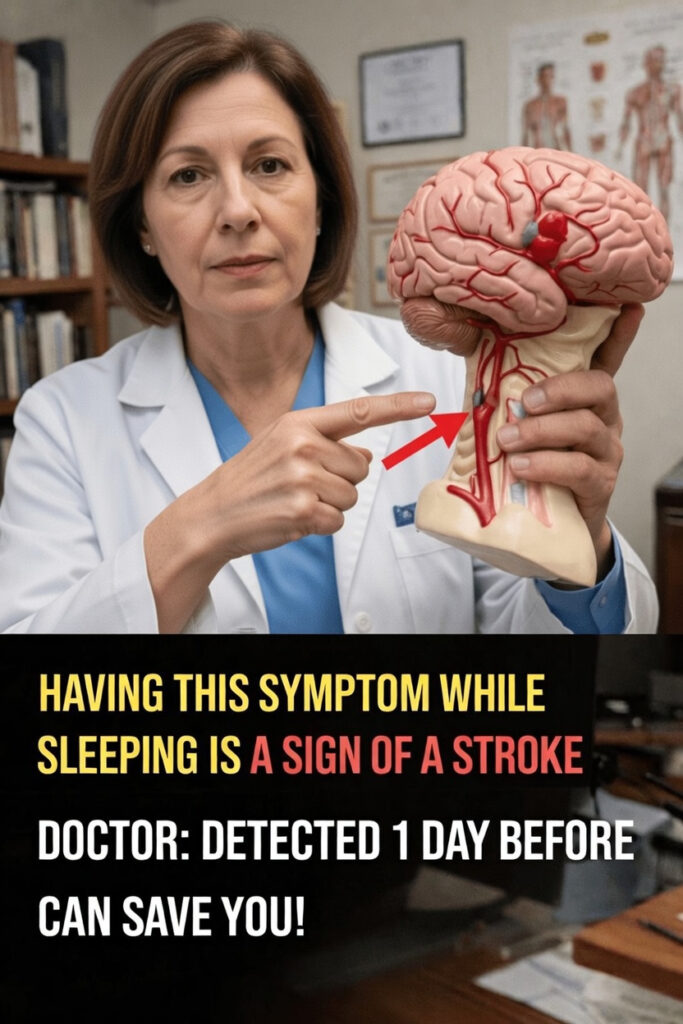
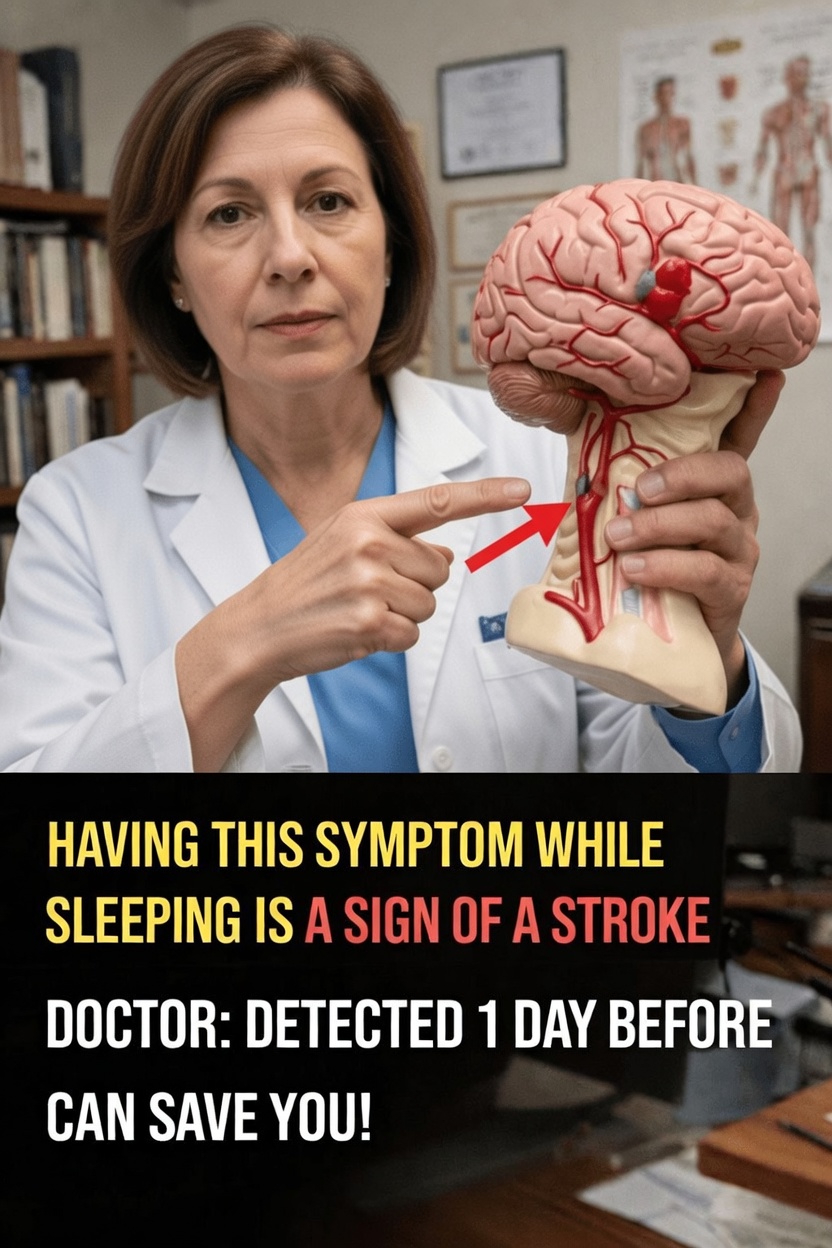
A stroke occurs when blood supply to part of the brain is blocked or when a blood vessel in the brain ruptures. Health authorities such as the American Heart Association and Mayo Clinic note that many strokes happen during sleep or are first recognized after a person wakes up. This is often referred to as a wake-up stroke, meaning the symptoms become noticeable in the morning rather than at the exact moment they begin.
Research also suggests that some sleep-related conditions, especially obstructive sleep apnea, may increase stroke risk. This condition causes repeated breathing interruptions during sleep, which can lower oxygen levels and place stress on the cardiovascular system. Poor sleep alone does not directly cause a stroke, but over time it may contribute to problems such as high blood pressure, which is a major risk factor.
The main takeaway is simple: no single nighttime symptom can confirm a stroke on its own, but recurring or sudden changes should never be ignored.
Nighttime and Morning Symptoms That May Need Immediate Attention
Some symptoms reported during sleep or soon after waking are considered possible stroke warning signs. Experts advise taking these seriously, especially if they begin suddenly.
- Numbness or weakness affecting one side of the face, arm, or leg after waking
- Trouble speaking clearly or difficulty understanding speech in the morning
- Blurred or reduced vision in one or both eyes
- A severe headache that feels very different from previous headaches
- Dizziness, poor coordination, or balance problems when getting out of bed
These warning signs match the well-known FAST stroke checklist:
- Face drooping: Does one side of the face sag when smiling?
- Arm weakness: Can both arms be raised evenly?
- Speech difficulty: Is speech slurred or hard to understand?
- Time: Call emergency services immediately if any of these signs appear
If symptoms come on suddenly, urgent medical care is essential. Fast treatment can greatly improve outcomes.
How Breathing and Sleep Position May Affect Stroke Risk
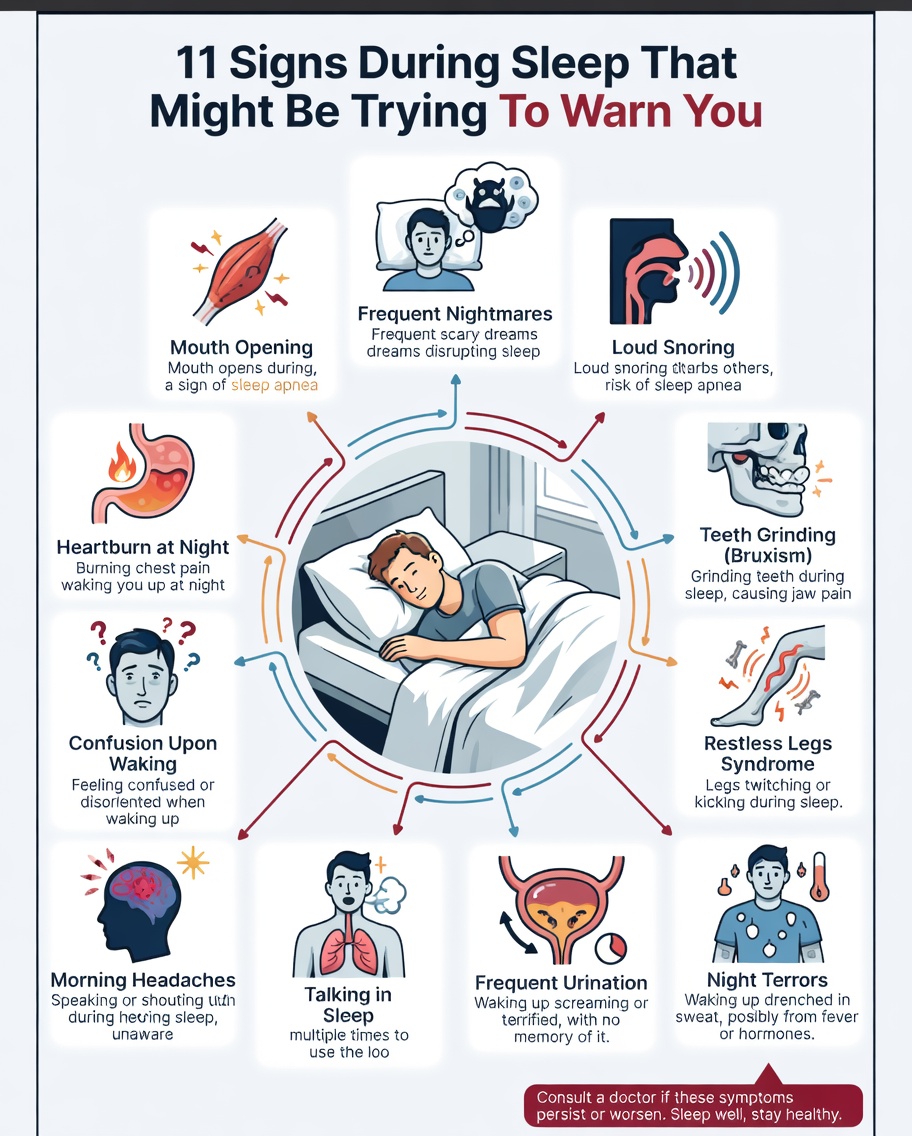
Sleep quality is not just about feeling rested. Studies have shown that sleep-disordered breathing, including loud snoring and pauses in breathing, is linked to a higher risk of stroke. Research published in neurology-related journals has found that repeated drops in oxygen during sleep can strain blood vessels and negatively affect circulation.
There is also evidence that basic sleep adjustments may help reduce some of that nighttime stress.
- Sleep on your side rather than flat on your back, which may help keep the airway more open
- Go to bed and wake up at consistent times to support healthy body rhythms
- Keep your bedroom cool, dark, and comfortable to improve sleep quality
These habits are not a guarantee against stroke, but they may support healthier breathing, better rest, and less strain on the vascular system.
Daily Habits That Help Support Brain and Vascular Health
Lowering stroke risk usually starts with small, steady lifestyle choices. Major health organizations consistently recommend the following habits:
- Check your blood pressure regularly and work to keep it within a healthy range
- Follow a balanced diet that includes fruits, vegetables, whole grains, and lean protein
- Aim for at least 150 minutes of moderate exercise each week, such as brisk walking
- Cut back on excess salt, ultra-processed foods, and alcohol
- Stop smoking if you smoke, since it damages blood vessels and increases stroke risk
- Work with your doctor to manage diabetes, high cholesterol, and other chronic conditions
Making gradual improvements in these areas can build long-term protection for both the brain and heart.
The Often-Missed Nighttime Habit That Matters More Than People Think
One important factor many people overlook is how well they breathe during sleep. Waking up often, feeling unrefreshed, or being told that you snore loudly or gasp at night may point to sleep apnea. This condition is widely recognized as a contributor to vascular stress and may raise stroke risk over time.
If sleep problems continue, experts recommend discussing them with a healthcare professional. A doctor may suggest a sleep study to check whether your breathing is being interrupted overnight. Identifying and treating sleep apnea early, whether through lifestyle changes or medical treatment, can improve sleep recovery and support overall health.
Normal vs. Concerning Nighttime Experiences
Use this quick comparison to better understand what may be harmless and what may deserve closer attention.
| Experience | Usually Normal | When to Be More Concerned |
|---|---|---|
| Waking briefly during the night | Happens occasionally because of noise or light | Repeated waking with choking, gasping, or breathlessness |
| Mild numbness in an arm or leg | Often caused by sleeping in an awkward position | Sudden one-sided numbness that continues after waking |
| Headache in the morning | May result from dehydration or tension | Severe headache that feels unusual or much worse than normal |
| Feeling tired after sleep | Can happen after poor sleep habits | Ongoing daytime exhaustion despite 7 or more hours of sleep |
This kind of pattern tracking can be useful when deciding whether it is time to seek medical advice.
What You Can Do Tonight and This Week
If you want to take simple, practical action without changing your whole routine, start here:
- Pay attention tonight to how you feel before bed and when you wake up.
- Notice whether you have any unusual symptoms, especially one-sided weakness or numbness.
- Try sleeping on your side if you normally sleep on your back.
- Monitor your blood pressure at home for the next week if possible.
- Arrange a routine health check if you have stroke risk factors such as high blood pressure, family history, or age over 55.
- Share this information with family members so they also know what symptoms to watch for.
These steps are manageable and can help you become more aware of changes in your body.
Stay Informed, Not Fearful
Paying attention to nighttime symptoms does not mean becoming anxious about every sensation. It means being informed and proactive. Recognizing unusual patterns early, understanding the role of sleep in stroke risk, and building healthier habits can all support long-term well-being.
Small actions done consistently can have a powerful effect over time. Awareness, prevention, and timely medical attention are key.
FAQ
What should I do if I wake up with weakness on one side of my body?
Get emergency medical help right away, even if the symptom fades quickly. Stroke treatment is highly time-sensitive.
Is snoring always a warning sign of stroke?
Not necessarily. However, loud and persistent snoring—especially when paired with gasping or pauses in breathing—should be evaluated by a doctor because it may suggest sleep apnea or another condition affecting vascular health.
Can lifestyle changes really reduce stroke risk?
Yes. Research shows that controlling blood pressure, staying physically active, eating a healthy diet, and avoiding smoking can significantly support brain and heart health over the long term.