Do You Have Dense Breasts? One Simple Step Can Help Spot Problems Before It’s Too Late
Learning that you have dense breast tissue after a screening can feel unsettling. Many women immediately wonder: Was the mammogram enough? Could something have been missed? If those thoughts sound familiar, you’re not alone—and the good news is that there are clear, practical steps that can help you move forward with confidence.
Dense breasts are very common, and having them doesn’t mean something is wrong. It simply means you may need a more tailored approach to breast cancer screening.
What “Dense Breasts” Actually Mean
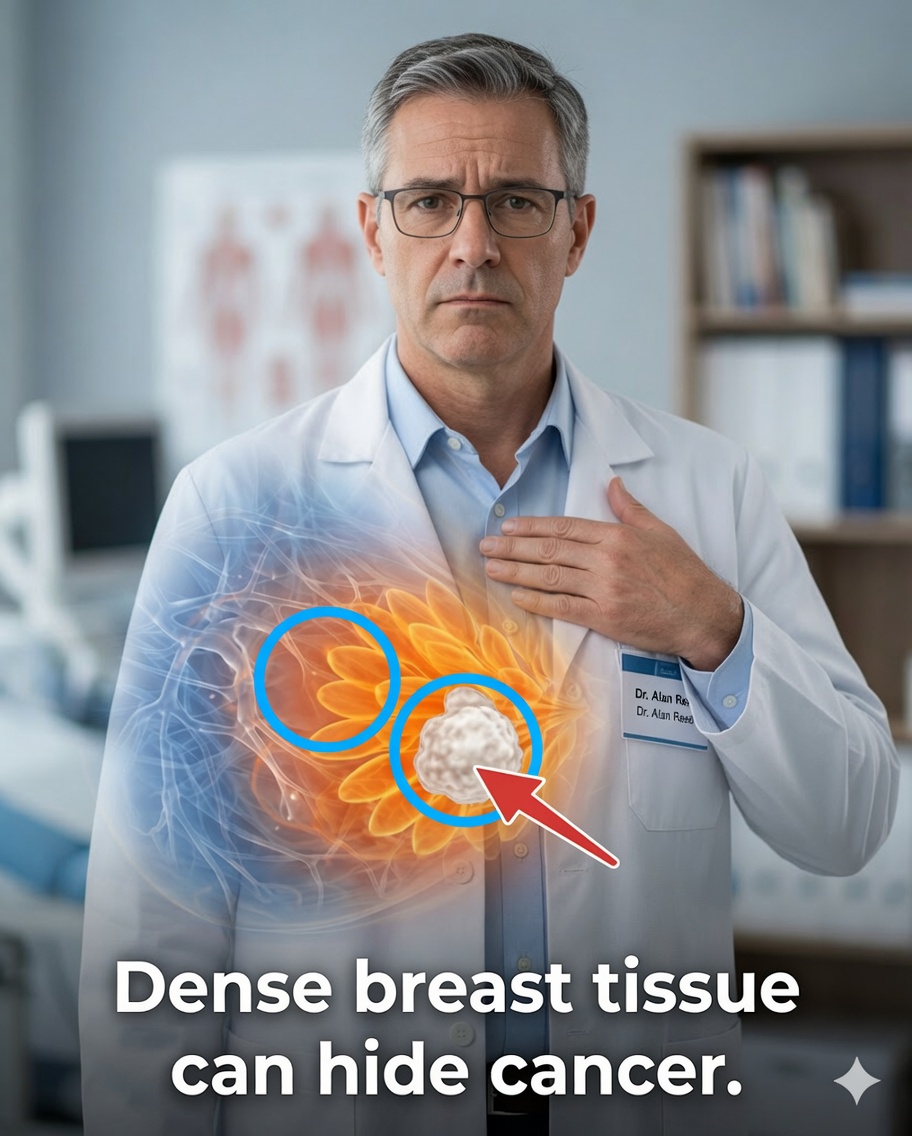
Breast density refers to the proportion of fibrous and glandular tissue compared to fatty tissue. When breasts are dense, there is more fibrous/glandular tissue and less fat.
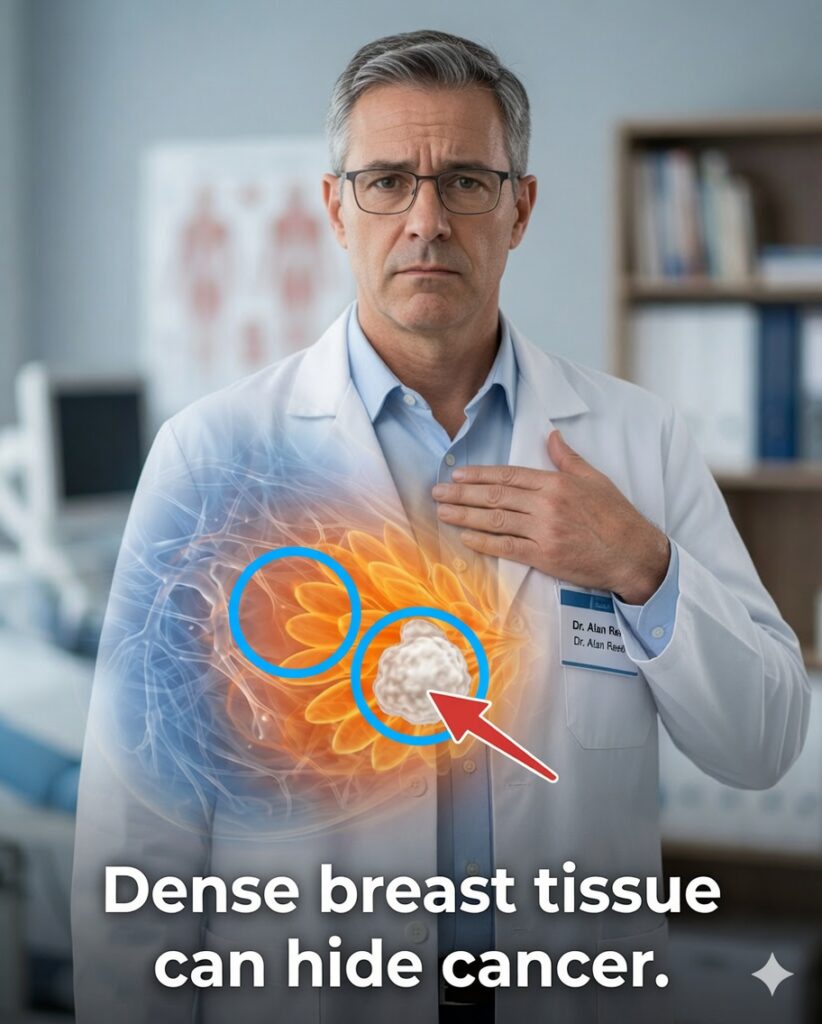
This matters because on a standard mammogram, both dense tissue and many abnormalities appear white. This can create a “masking effect,” making subtle changes harder to see—especially small masses that could blend into the background.
Does Breast Density Increase Cancer Risk?
Women with dense breasts have a slightly higher risk of developing breast cancer compared with women whose breasts are mostly fatty. However, it’s crucial to put this into context:
- The increased risk is relative, not a guarantee.
- Many other factors strongly influence overall risk, including family history, age, hormones, and lifestyle.
Dense breasts are also extremely common. Around 40% to 50% of women over 40 have dense breast tissue. So this is a widespread finding that calls for attention—not panic.
How Dense Breasts Affect Your Screening Results
A traditional 2D mammogram remains the most widely used screening tool and has a long track record of saving lives. Still, its sensitivity can be lower in dense breasts because of the masking effect described above.
The encouraging part: today, patients have more transparency and more options. In many countries, mammogram reports must clearly state breast density, making it easier for you and your doctor to decide whether additional screening could help.
Supplemental Screening Options to Discuss With Your Doctor
Not every woman with dense breasts needs extra tests. But depending on your overall risk profile, your clinician may consider additional screening such as:
- 3D Mammography (Tomosynthesis): often improves visibility in dense tissue by capturing layered images
- Breast Ultrasound: may find abnormalities not seen on mammography
- Abbreviated Breast MRI: highly sensitive and designed to detect early lesions
- Contrast-Enhanced Mammography (CEM): an emerging technique that can improve detection in certain cases
These tools can be especially useful for women with very dense breasts or those with additional risk factors.
Understanding Your Personal Risk (Not Just Density)
Breast density is only one piece of the bigger picture. Your true risk depends on multiple variables, including:
- Family history of breast cancer
- Age at first period
- Menopause timing and hormonal factors
- Body weight and alcohol intake
Risk assessment calculators and clinical evaluations can help create a clearer, more individualized view. The most important step is to review your risk with a qualified clinician.
What You Can Do Right Now: The Simple Step That Matters
Taking control often starts with a small action: read your mammogram report carefully and confirm your breast density category.
Here are practical next steps:
- Review your report and look for your density category (typically A to D)
- Talk to your doctor about whether supplemental screening makes sense for you
- Learn what tests are available in your area and what they’re best at detecting
- Keep up with routine screening (often yearly starting at age 40, depending on guidelines and personal risk)
- Support breast health with lifestyle choices:
- balanced nutrition
- regular physical activity
- limiting alcohol
Why This Matters
Recent advances show that supplemental screening can increase early detection for women at higher risk or with extremely dense breasts. At the same time, risk-based decisions can help avoid unnecessary testing for those who don’t need it.
The result is a more personalized screening plan—and often, greater peace of mind.
Conclusion
Having dense breasts is common and manageable. With the right information, consistent screening, and an open conversation with your healthcare provider, you can make informed choices that support long-term health.
The key is simple: don’t ignore it—but don’t panic either. Knowledge, in this context, can truly save lives.
Frequently Asked Questions
Does having dense breasts mean I’m at high risk for breast cancer?
Not necessarily. Dense breast tissue is linked to a moderately higher risk, but overall risk depends on many factors.
Do I need an MRI if I have dense breasts?
Not always. MRI may be recommended based on your total risk profile. This decision should be made with your doctor.
How can I tell if my mammogram was 3D?
Check your report for terms like tomosynthesis or ask the imaging center directly.
Important Notice
This content is for informational purposes only and does not replace medical advice. Always consult a qualified healthcare professional for guidance tailored to your situation.