Why Do Fingernails Have Vertical Lines?
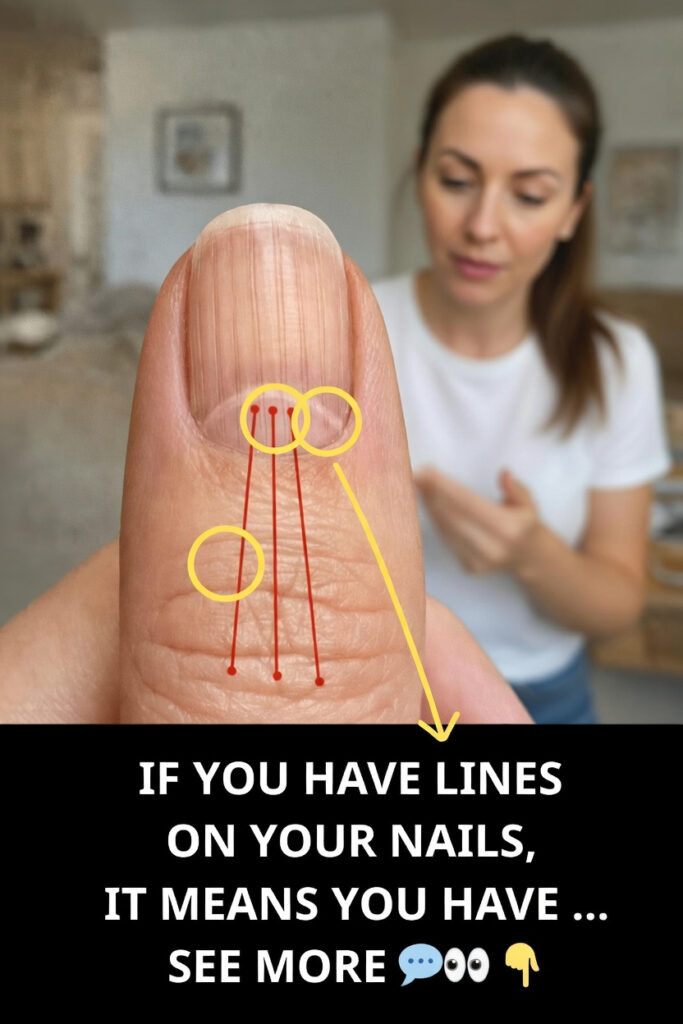
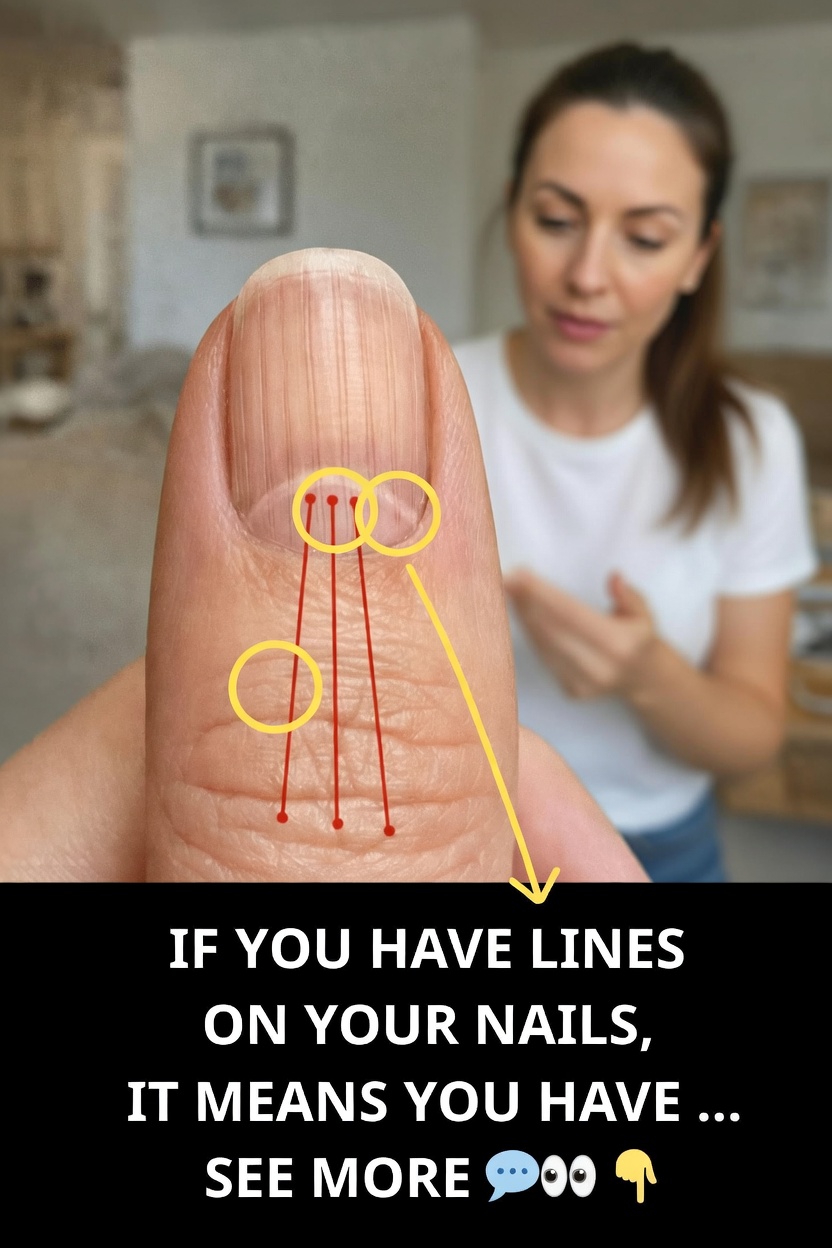
Have you ever noticed fine lines running from the base of your fingernails to the tips? These vertical ridges are very common, and many people wonder whether they are simply a normal change or a sign that something needs attention. When the lines seem more visible than before, nails can look rougher, less even, or older in appearance.
In most situations, these ridges are harmless and connected to normal changes in the body. Still, learning why they appear can offer useful clues about nail health and general wellness. The good news is that a few simple habits may help your nails stay smoother, stronger, and healthier over time.
What Are Vertical Nail Ridges?
Vertical lines on fingernails are often called longitudinal ridges. They extend from the cuticle all the way to the nail tip. According to trusted medical sources such as the Cleveland Clinic and Mayo Clinic, this is one of the most frequently noticed nail changes.
These ridges are different from horizontal grooves. Horizontal lines, commonly known as Beau’s lines, may appear when nail growth has been interrupted by illness, physical stress, or injury. Vertical ridges, by contrast, usually develop slowly and gradually.
Research suggests that mild vertical ridging can happen because of natural changes in cell turnover within the nail matrix, the area responsible for producing new nail cells.
Common Reasons Vertical Ridges Appear
The most common cause is simply aging. As people get older, nail growth may slow down slightly, and the process of cell renewal becomes less uniform. This can make vertical lines more noticeable. Experts at Mayo Clinic note that this is a normal change for many adults and is usually not a reason for concern.
Other everyday factors may also contribute, including:
-
Dryness or dehydration
When the nail plate lacks moisture, ridges can stand out more clearly. -
Nutritional factors
Some studies suggest that low levels of certain nutrients, such as B vitamins, iron, or protein, may be linked to more visible ridging, although this is not always the primary cause. -
Skin-related conditions
Problems like eczema or chronically dry skin can affect the appearance of the nails. -
Less common medical influences
In some cases, thyroid-related issues or inflammatory conditions may also play a role.
A key point from reliable health sources, including Healthline and Cleveland Clinic, is that fine, even vertical ridges across several nails are usually benign.
Vertical vs. Horizontal Nail Lines
Understanding the difference between vertical and horizontal lines can help you know when a change is likely harmless and when it may deserve closer attention.
Vertical ridges
- Run up and down from cuticle to tip
- Often associated with aging or minor dryness
- Usually appear gradually
- Commonly show up on multiple nails
- Typically harmless
Horizontal ridges
- Run side to side
- Known as Beau’s lines
- May reflect a temporary pause in nail growth
- Can be linked to high fever, severe stress, injury, or other health events
- May affect one nail or several, depending on the cause
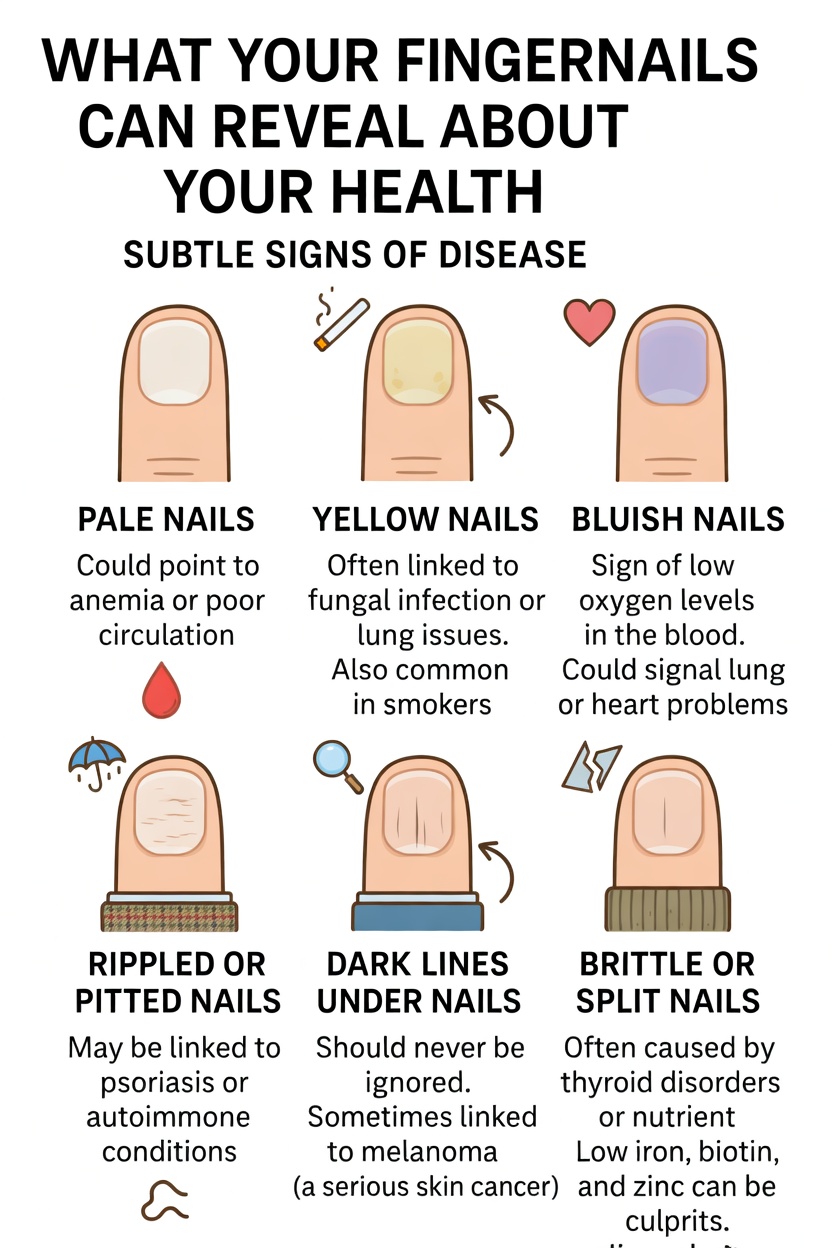
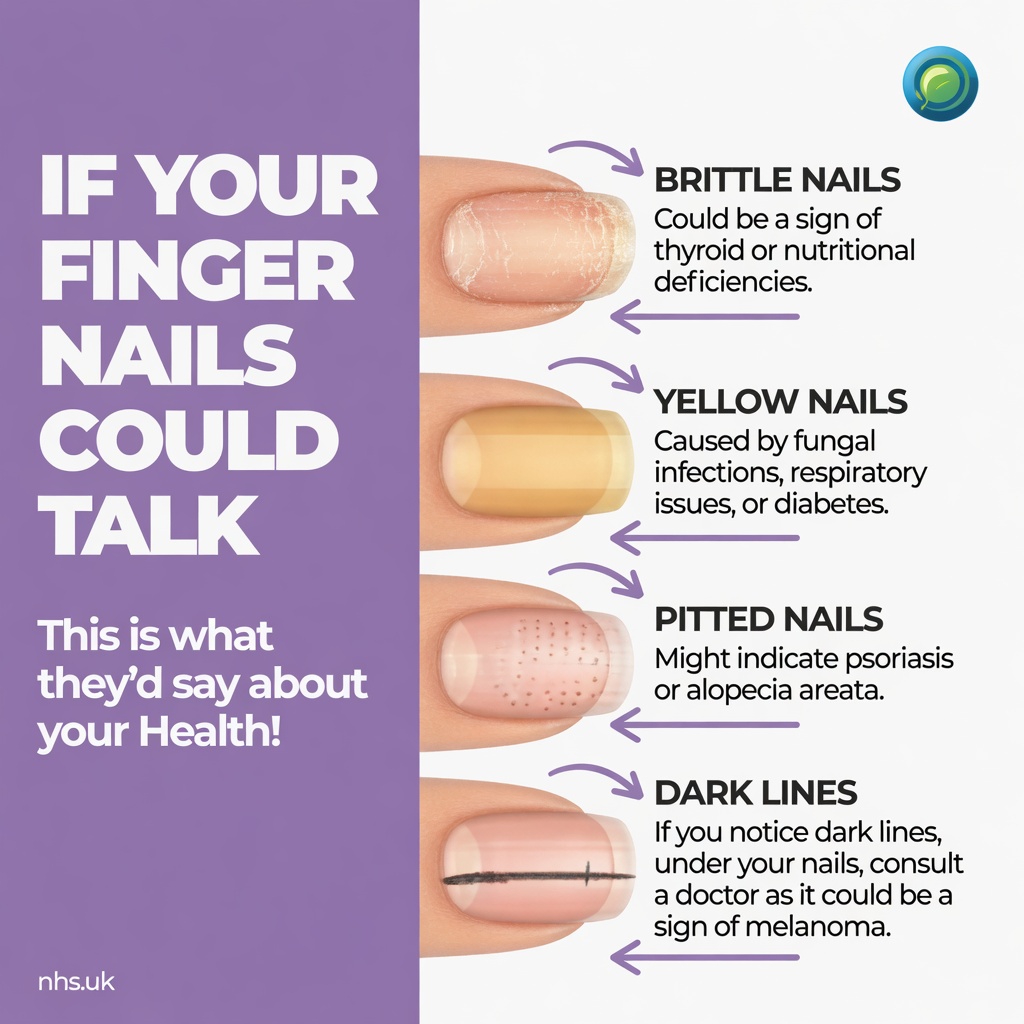
If you notice horizontal grooves, sudden deep ridges, or nail color changes, it is a good idea to speak with a healthcare professional for individualized guidance.
How to Support Stronger, Healthier Nails
You do not need expensive treatments to improve the look and condition of your nails. A few basic nail care habits can make a meaningful difference.
1. Keep nails hydrated
- Drink enough water throughout the day
- Use a gentle hand cream regularly
- Moisturize the cuticles and nail surface to reduce dryness
2. Handle nails gently
- Avoid aggressive scrubbing
- Do not over-buff, since this can make ridges more noticeable
- Trim nails straight across
- File edges smoothly to prevent breakage
3. Focus on nutrient-rich foods
A balanced diet supports nail growth and strength. Try to include:
- Lean proteins
- Leafy greens
- Nuts and seeds
- Fruit
- Foods rich in biotin, such as eggs and avocados
- Foods high in omega-3 fatty acids, such as salmon
4. Protect your hands
- Wear gloves while cleaning
- Cover your hands in cold or very dry weather
- Reduce repeated exposure to water and harsh detergents
5. Smooth ridges carefully if desired
If the ridges bother you cosmetically, you can use a soft nail buffer very lightly. However:
- Do it sparingly
- Limit buffing to once a week or less
- Avoid thinning the nail surface
With consistent care, many people begin to see an improvement in nail appearance after a few months.
Extra Everyday Nail Care Tips
Small routines can also help support healthier-looking nails over time:
- Apply cuticle oil each night
- Limit contact with strong chemicals found in cleaners or nail polish removers
- Get enough sleep and manage stress, since overall wellness can affect nail condition
- Use a ridge-filling base coat if you want a temporarily smoother appearance
These steps are not instant cures, but they are practical ways to support nail health naturally.
Final Thoughts
Vertical lines on fingernails are usually a normal part of aging or the result of minor lifestyle factors such as dryness. On their own, they are rarely a cause for alarm. Paying attention to hydration, nutrition, and gentle nail care can help keep your nails looking smoother and feeling stronger.
Your hands work hard every day, so giving them a little extra care can go a long way.
Frequently Asked Questions
Are vertical ridges on fingernails always a sign of illness?
No. In most cases, vertical ridges are a common and harmless change associated with aging, according to experts from Mayo Clinic and Cleveland Clinic.
How are vertical ridges different from horizontal lines?
Vertical ridges travel from the cuticle to the tip and are usually harmless. Horizontal lines, or Beau’s lines, may indicate that nail growth was interrupted in the past and may need medical attention if they are new, deep, or sudden.
Can vertical nail ridges disappear completely?
Not always. If the ridges are related to aging, they may not go away entirely. However, moisturizing your nails, eating a healthy diet, and protecting your hands can reduce their appearance and improve overall nail strength.