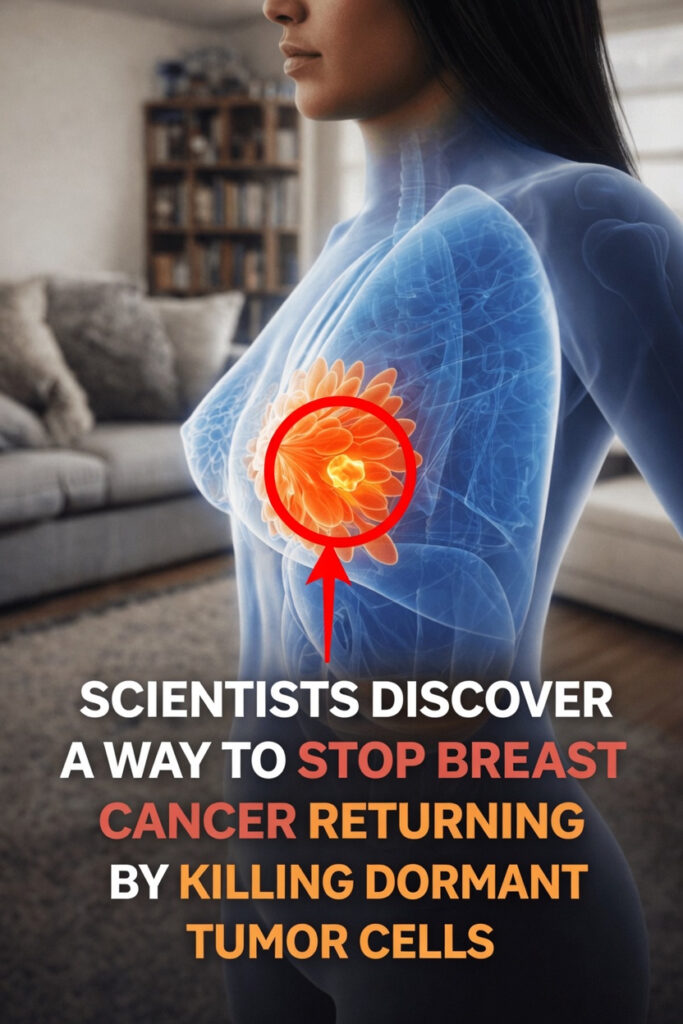
New Hope for Breast Cancer Survivors: Research on Dormant Tumor Cells
For many breast cancer survivors, one fear often lingers quietly in the background: the possibility that cancer could come back months or even years after treatment ends. That worry can feel especially difficult because some cancer cells may remain hidden in the body without causing obvious symptoms, affecting emotional well-being and everyday peace of mind.
Encouragingly, a new clinical study is offering fresh optimism. Researchers are gaining a clearer understanding of these dormant cells and exploring potential ways to target them after initial breast cancer treatment.
What makes this especially important is that the early results suggest meaningful progress—progress that could eventually change how patients and oncology teams talk about recurrence risk and survivorship care.
What Are Dormant Tumor Cells in Breast Cancer?
Dormant tumor cells, also known as disseminated tumor cells (DTCs), are tiny cancer cell remnants that can separate from the original breast tumor early in the disease process. These cells may travel to other parts of the body, particularly the bone marrow, where they can remain inactive for long stretches of time.
Instead of growing right away, they enter a resting state. During this phase, they rely on internal survival mechanisms that help them avoid the body’s natural processes for clearing damaged or abnormal cells. This is one reason breast cancer recurrence can occur long after treatment appears successful.
For years, scientists have recognized that dormant cells may play a role in late recurrence. However, only recently have more dependable methods become available to identify these cells in people who have already completed treatment.
The Clinical Trial Drawing New Attention
In 2025, researchers at the University of Pennsylvania conducted a phase II randomized clinical trial called the CLEVER study. The trial enrolled 51 breast cancer survivors who were within five years of their initial diagnosis and had detectable dormant tumor cells identified through a simple bone marrow test.
The study evaluated two existing medications that were originally approved for other medical uses:
- Hydroxychloroquine, which interferes with a cellular recycling process known as autophagy
- Everolimus, which targets mTOR signaling pathways that help dormant cells survive
Participants received one of these drugs alone or the two together over a short treatment period.
Importantly, this study was not intended to replace standard breast cancer care. Instead, it served as a proof-of-concept trial to determine whether repurposed medicines could safely lower the number of detectable dormant tumor cells in survivors.
What the Study Found
According to findings published in Nature Medicine, the treatment strategy eliminated or significantly reduced dormant tumor cells in roughly 80% of participants who received the study drugs.
After a median follow-up of 42 months, the three-year recurrence-free survival rates were:
- 91.7% with one medication
- 92.9% with the other medication
- 100% in the small group that received both drugs together
These outcomes appear stronger than what is usually seen in similar groups of breast cancer survivors who have detectable dormant cells.
One of the most promising observations was that larger reductions in dormant cell counts seemed to correlate with better long-term outcomes. In other words, the people whose cell levels dropped the most were also more likely to remain free of recurrence.
That said, this was still a small early-stage trial. Larger studies are now in progress to determine whether these results can be confirmed in broader populations and over longer follow-up periods. Even so, the study introduces an important new direction in post-treatment breast cancer care.
Why Dormant Cells Deserve More Attention
During treatment, most focus naturally stays on the active tumor. But dormant tumor cells may quietly remain in the body for five, ten, or even twenty years before becoming active again.
Researchers believe several factors may help keep these cells in a sleeping state, including:
- Signals from the body
- Availability of nutrients
- Proteins in surrounding tissues
If those conditions change—possibly because of aging, chronic stress, inflammation, or other health-related shifts—the dormant cells may begin growing again.
This growing understanding of tumor dormancy is changing the conversation. Instead of relying only on long-term observation, researchers are beginning to explore more proactive ways to monitor and potentially manage recurrence risk during survivorship.
Practical Steps Breast Cancer Survivors Can Take Now
Although this research is still being evaluated, there are several practical steps survivors can discuss with their oncology teams today.
Five useful actions based on current survivorship guidance
- Keep all follow-up appointments exactly as recommended and ask whether any new monitoring tools may be relevant to your long-term risk.
- Track symptoms in a simple journal, including unusual fatigue, bone discomfort, or noticeable changes in energy, so you can report patterns clearly.
- Talk openly with your care team about your personal and family history, since these factors may affect how closely you are monitored.
- Support overall wellness through regular physical activity, balanced nutrition, and consistent sleep to help maintain immune health and reduce inflammation.
- Explore patient registries or clinical trial databases if you want to hear sooner about research studies that may match your profile.
These actions are not a substitute for medical care, but they can help survivors feel more informed and engaged while the science continues to advance.
Lifestyle Habits That May Support Survivorship
Evidence continues to show that daily health habits can strengthen the body’s natural defenses during the years after breast cancer treatment.
Many oncology teams encourage the following habits:
- Get at least 150 minutes of moderate exercise each week, such as brisk walking, cycling, or swimming, to help regulate inflammation and hormone balance.
- Choose a nutrient-rich diet with vegetables, fruits, whole grains, and lean proteins to support cellular health with fiber and antioxidants.
- Aim for seven to nine hours of sleep per night, since quality rest is important for immune regulation and recovery.
- Use stress-management practices like meditation, breathing exercises, or gentle yoga to help keep cortisol levels in a healthier range.
- Stay current on recommended screenings and vaccines to protect your overall health.
These habits are not treatments for dormant tumor cells, but they can help build a stronger foundation while researchers continue testing more targeted strategies.

How This Research Could Shape the Future of Breast Cancer Care
The CLEVER trial is among the first studies to show that it may be possible to detect and directly address dormant tumor cells during survivorship using already available medications.
If larger trials confirm these early findings, routine follow-up care for breast cancer survivors could eventually include simple bone marrow or even blood-based testing. That could help doctors identify who may benefit from short-term interventions before recurrence becomes visible.
For now, the most important message is one of hope. Breast cancer research is moving beyond a purely reactive approach and toward more proactive support for long-term survivor health.
Frequently Asked Questions
What are dormant tumor cells?
Dormant tumor cells are microscopic cancer cells that leave the original breast tumor and settle in other areas of the body, such as the bone marrow. They may remain inactive for long periods, but they still have the potential to become active later, which is why they are associated with delayed recurrence.
Who may be a candidate for newer monitoring approaches?
People who have completed breast cancer treatment within the last five years and want to better understand their recurrence risk can discuss this with their oncologist. Current research is mainly focused on individuals who still have detectable dormant cells on specialized testing.
Will this study immediately change standard follow-up care?
Not yet. The findings come from a small phase II trial, so they must be confirmed in larger studies before they affect standard guidelines. Even so, the results are already influencing important discussions and helping shape future research.
Final Takeaway
The fear of breast cancer recurrence is real, especially when dormant cells may remain hidden without symptoms. But this new research suggests that science is getting closer to identifying and reducing those cells before they cause problems.
That shift could eventually transform survivorship care—from waiting for recurrence to actively working to prevent it.
This article is for informational purposes only and does not constitute medical advice.