The Truth Behind the “Overnight Eyesight Repair” Powder
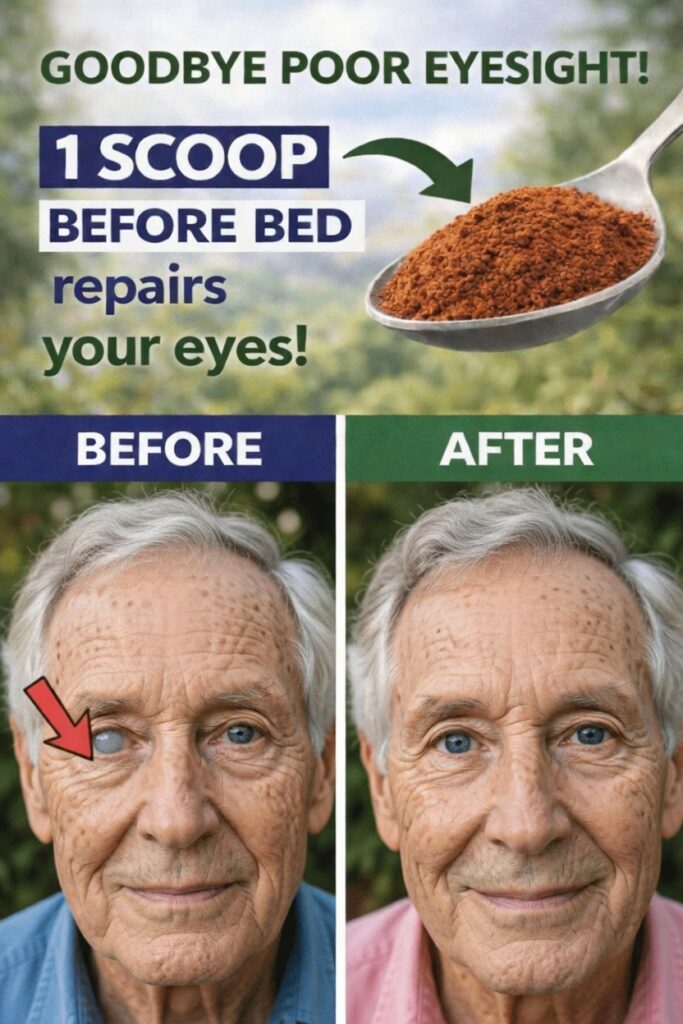
A widely shared image shows a reddish-brown powder, advertised as a single scoop taken before sleep, paired with dramatic before-and-after eye photos: cloudy, cataract-like eyes turning crystal clear overnight. Despite the compelling visuals, this is classic clickbait marketing an unproven remedy, not a medically validated treatment.
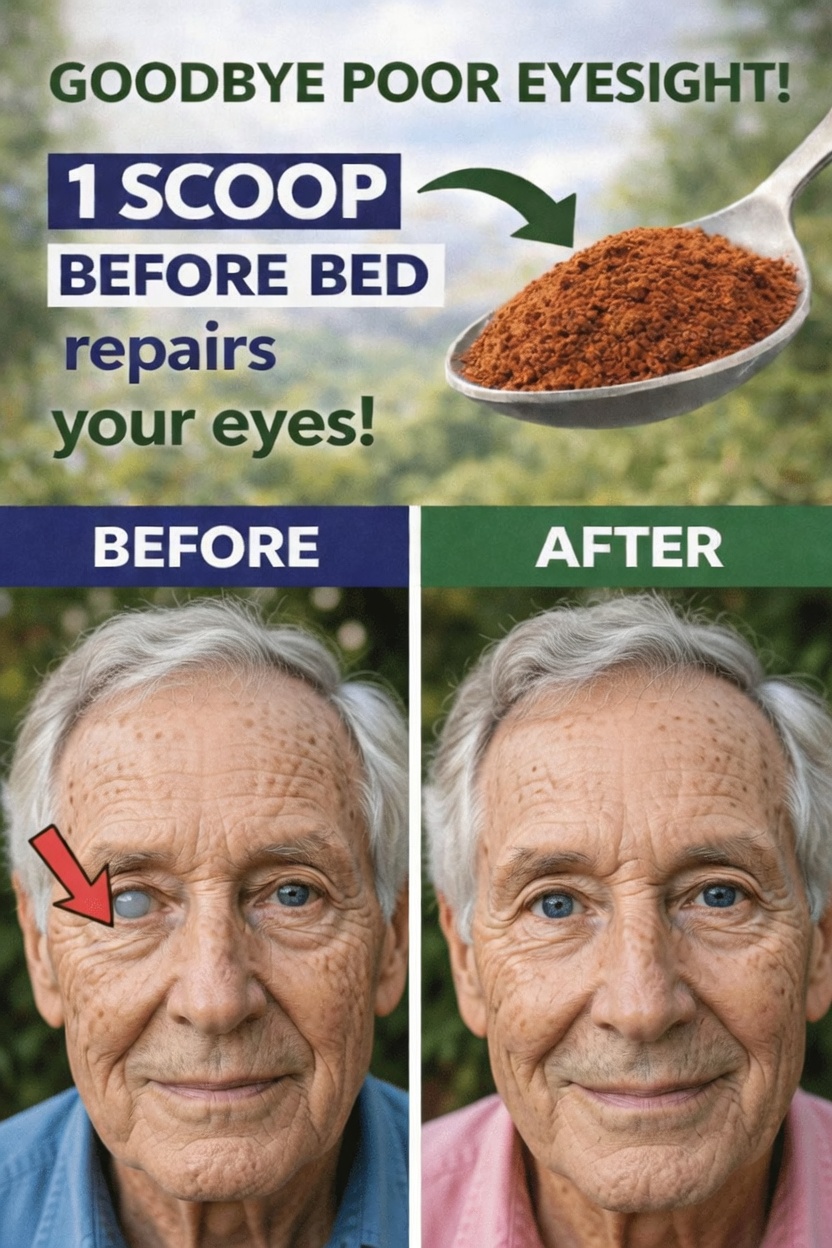
These ads often rely on exaggerated promises and misleading images to sell “miracle” eye cures. In reality, no powder can repair damaged eyesight or reverse cataracts overnight.
What Is This Reddish-Brown Powder Likely To Be?
Many viral posts and ads describe homemade, “natural” or Ayurvedic-style spice blends. Common examples include:
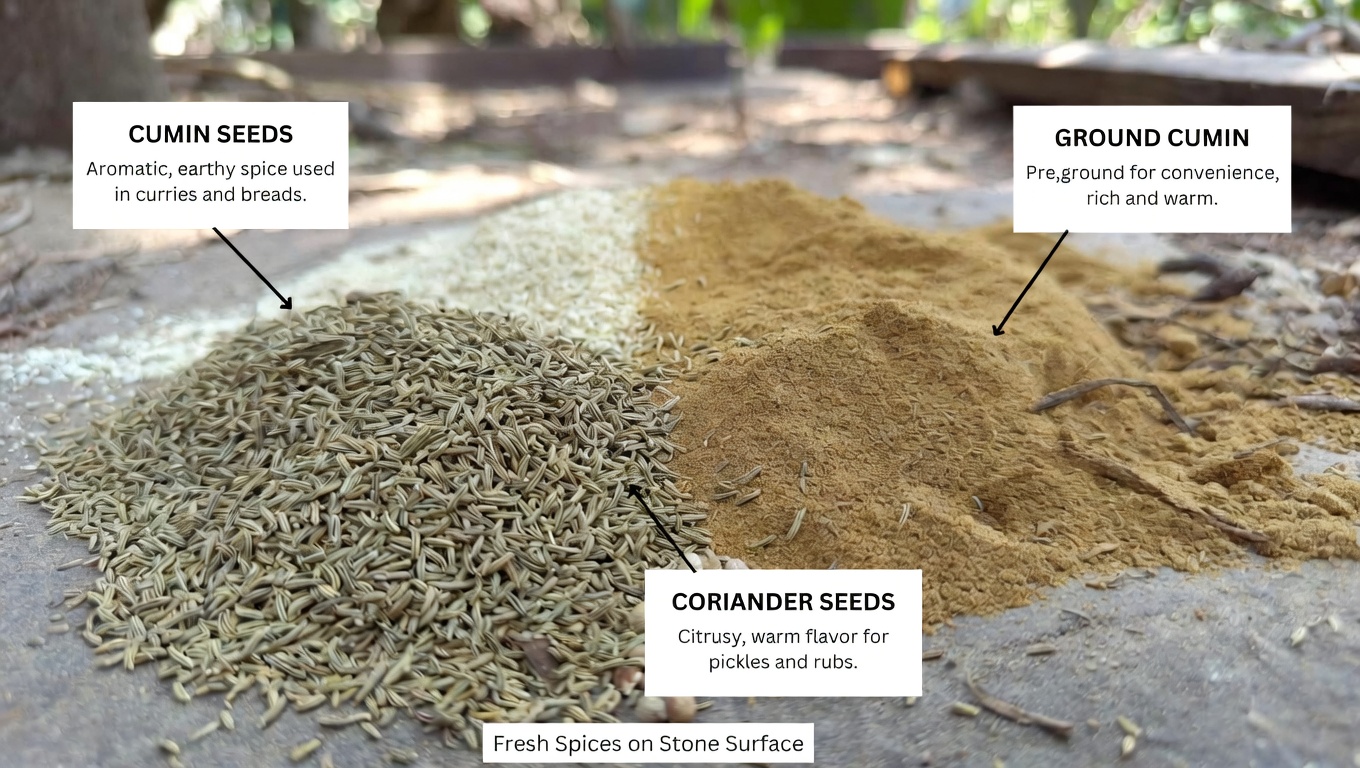
1. Fennel Seed Powder (Saunf) Mixes
Fennel powder is frequently promoted for eye health:
- Often lightly roasted, which can deepen its color to a brownish tone.
- Typically taken as 1 teaspoon with warm milk before bed.
- Sometimes combined with black pepper, almonds, sugar candy (mishri), or other spices.
- Fennel is rich in antioxidants and has traditional use in some cultures for eye comfort.
However, there is no strong scientific evidence that fennel powder can significantly improve vision or reverse serious eye conditions.
2. Turmeric and Cinnamon-Based Powders
Other viral recipes feature:
- Turmeric: Naturally golden yellow, but may look darker or reddish-brown when mixed with other ingredients or roasted.
- Contains curcumin, which has anti-inflammatory and antioxidant properties.
- May indirectly support eye health by reducing inflammation in the body, including conditions like dry eye or general oxidative stress.
- Cinnamon:
- Known for helping regulate blood sugar levels.
- Better blood sugar control supports long-term retinal health, particularly in people with diabetes.
These spices can be part of a healthy lifestyle, but they do not “repair” vision overnight or cure cataracts.
3. Other Popular Additions
Some posts and videos also promote:
- Saffron threads in milk (costly and gives a reddish-golden color).
- Almond–fennel–black pepper blends taken before sleep.
While these ingredients may offer general health benefits and antioxidants, they are not miracle cures. The “before/after” photos used in ads are often edited, taken from unrelated medical sources, or pulled from stock image libraries.
Why “Overnight Eyesight Repair” Claims Are Misleading
Current medical science does not support the idea that any single powder, drink, or supplement can:
- Reverse cataracts (the cloudy lens appearance often shown in “before” photos).
- Restore severely damaged vision overnight.
- Cure refractive errors like myopia (nearsightedness) or hyperopia (farsightedness) in one dose.
Serious eye diseases require proper diagnosis and management by qualified eye specialists. Marketing that promises instant results or dramatic transformations in a few hours is not backed by reliable clinical studies and can delay people from getting real medical care.
Evidence-Based Ways to Support Eye Health
Instead of chasing unverified powders, focus on a proven, long-term approach to protecting your eyes.

1. Nourish Your Eyes With Key Nutrients
Research (including large studies like AREDS and AREDS2) suggests that certain nutrients can help maintain eye health and may slow age-related decline in some people. Aim to regularly include:
- Leafy green vegetables (kale, spinach, collard greens)
- High in lutein and zeaxanthin, carotenoids that concentrate in the retina and help filter harmful blue light.
- Orange and yellow vegetables (carrots, sweet potatoes, pumpkin)
- Provide vitamin A, essential for night vision and overall eye function.
- Citrus fruits and berries (oranges, kiwis, strawberries, blueberries)
- Rich in vitamin C, an antioxidant that supports blood vessels in the eyes.
- Nuts, seeds, and oily fish (almonds, sunflower seeds, walnuts, salmon, sardines)
- Supply vitamin E, zinc, and omega‑3 fatty acids, which support retinal health and may help with dry eyes.
Some individuals at high risk for advanced age-related macular degeneration (AMD) may benefit from specific supplement formulas based on AREDS/AREDS2, but these should be taken only under medical guidance.
2. Use Timing to Support Nighttime Repair
The eyes naturally undergo repair processes during sleep. While no food will directly “fix” eyesight overnight, some people choose to:
- Consume antioxidant-rich foods or beverages in the evening (such as a small serving of berries, nuts, or herbal teas).
- Maintain a consistent sleep routine, which supports overall recovery and reduces eye strain.
This approach is supportive and gradual—not a quick fix.
3. Lifestyle Habits That Protect Vision
Simple daily habits can have a big impact on eye health:
- Follow the 20-20-20 rule for screen use:
- Every 20 minutes, look at something at least 20 feet away for 20 seconds to reduce digital eye strain.
- Wear UV-protective sunglasses outdoors:
- Protects against ultraviolet light, which can contribute to cataracts and other eye conditions over time.
- Schedule regular eye exams:
- Detects early signs of glaucoma, diabetic retinopathy, macular degeneration, and other problems before symptoms become severe.
- Manage chronic conditions:
- Keep blood sugar, blood pressure, and cholesterol under control to reduce the risk of eye damage.
A Gentle Evening Drink If You Like Spices
If you’re interested in a soothing nighttime ritual that may support general health (without expecting miracle results), you might try a light “golden milk” style drink:
- Warm a cup of milk (dairy or fortified plant-based).
- Add about ½ teaspoon turmeric and ½ teaspoon cinnamon.
- Stir well; optionally add a small amount of black pepper (to enhance curcumin absorption) and a modest natural sweetener if desired.
- Sip about an hour before bed.
Potential benefits:
- Turmeric’s curcumin may offer mild anti-inflammatory and antioxidant support.
- Cinnamon may help circulation and blood sugar balance, indirectly benefiting the eyes over time as part of an overall healthy lifestyle.
- The warm drink can be calming and may support better sleep.
However, this is not a treatment for eye disease and will not repair vision. It should be seen as a comfort beverage, not a cure.
When to See an Eye Doctor
Always speak with an eye specialist or healthcare provider:
- Before relying on any supplement or home remedy for serious eye issues.
- If you notice blurred vision, sudden vision changes, eye pain, light flashes, floaters, or cloudy vision.
- If you have diabetes, high blood pressure, or a family history of eye disease.
Professional care, a nutrient-rich diet, and smart lifestyle habits are the real foundation of long-term eye health—not viral powders promising overnight miracles.