Mulberry Leaves: A Natural Option for Blood Sugar, Cholesterol, and Everyday Wellness
Mulberry leaves, harvested from the Morus alba plant, commonly known as white mulberry, have been used in Asian traditions for generations. Today, they are attracting attention for their impressive concentration of plant compounds, including flavonoids, polyphenols, and notably 1-deoxynojirimycin, or DNJ.
What makes them especially interesting is their antioxidant content. These compounds may help the body handle daily oxidative stress, which is widely associated with overall health and wellness.

How Mulberry Leaves May Help Support Healthy Blood Sugar
One of the most researched benefits of mulberry leaves involves blood sugar control, especially after eating. Evidence suggests that compounds in the leaves, particularly DNJ, may slow the digestion of carbohydrates in the intestinal tract.
In a placebo-controlled study, people who consumed mulberry leaf extract showed a smaller spike in blood sugar after a starch-heavy meal compared with those given a placebo.
Another clinical trial lasting three months found that individuals with type 2 diabetes had improved post-meal blood sugar responses when mulberry leaf extract was taken with meals.
Ongoing research continues to examine this area, and review papers have highlighted mulberry leaf’s potential role in supporting healthy glucose metabolism.
Potential Benefits for Cholesterol and Heart Health
Cardiovascular health is closely linked to cholesterol and triglyceride levels. Some research suggests that mulberry leaf extract may help promote a healthier lipid profile.
In one smaller study, participants with elevated cholesterol who used mulberry leaf supplements experienced moderate reductions in LDL cholesterol, often called “bad” cholesterol, along with increases in HDL, the “good” cholesterol, after several weeks.
Reviews and meta-analyses of randomized controlled trials have also reported positive effects on total cholesterol, LDL, and triglycerides when mulberry is included as part of the diet.
Together, these findings suggest mulberry leaves may contribute to heart health and broader cardiovascular wellness when combined with healthy lifestyle habits.
Mulberry Leaves and Support for Circulation
Circulation issues can sometimes cause symptoms such as leg heaviness, discomfort, or visible vein concerns. Although direct clinical evidence on mulberry leaves and circulation is still limited, their antioxidant and anti-inflammatory properties may offer indirect vascular support.
Because mulberry leaves may help manage blood sugar and lipid levels, they could also play a supportive role in maintaining healthier blood flow and improving overall comfort over time.
Easy Ways to Add Mulberry Leaves to Your Routine
If you want to try mulberry leaves, there are several simple ways to use them:
- Drink them as tea: Steep 1 to 2 teaspoons of dried mulberry leaves in hot water for 5 to 10 minutes. Many people drink 1 to 2 cups a day, preferably with or after meals.
- Blend into smoothies: Add dried mulberry leaf powder to a smoothie. Start with about 1/2 teaspoon and increase gradually if desired.
- Use supplements: Choose standardized mulberry leaf extracts that list DNJ content when possible. Typical label directions often suggest 500 to 1000 mg per day, divided with meals.
It is best to begin with a small amount, observe how your body responds, and keep track of any changes over a few weeks.
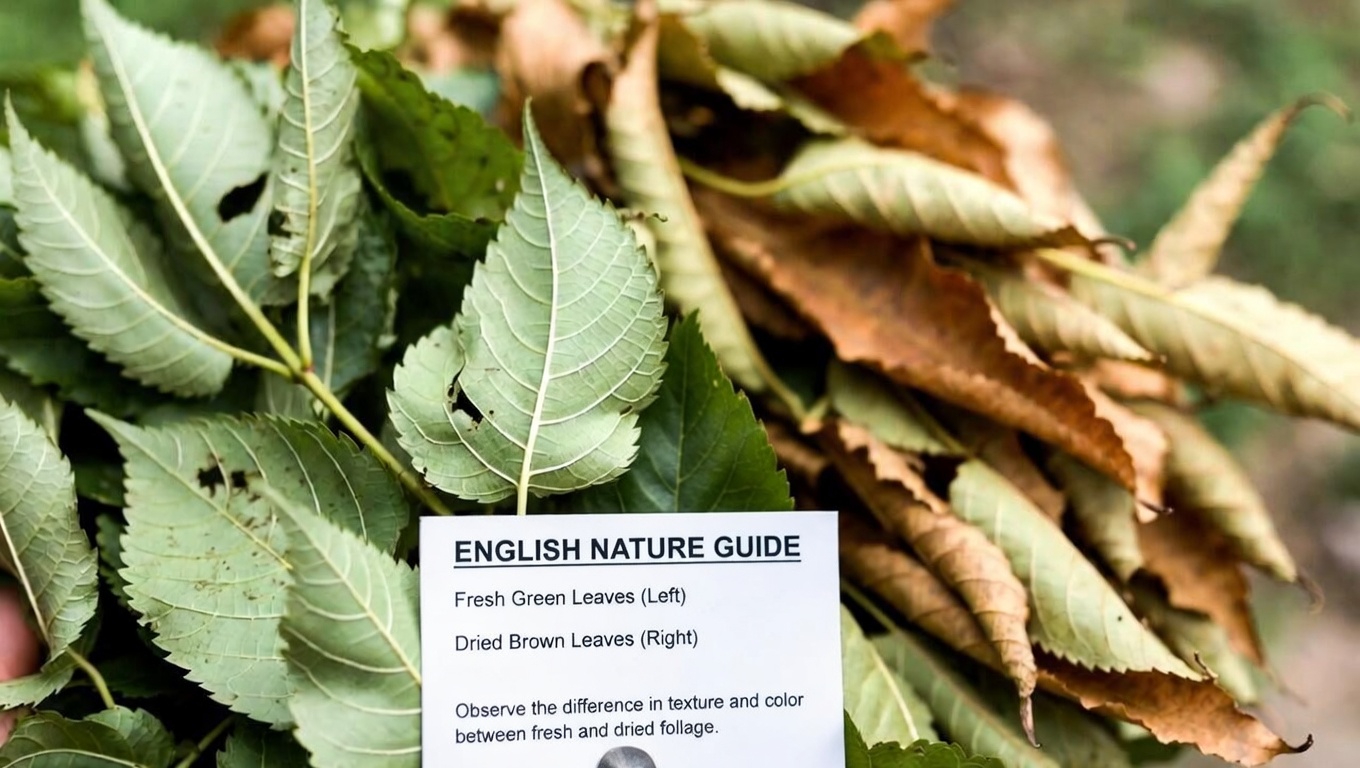
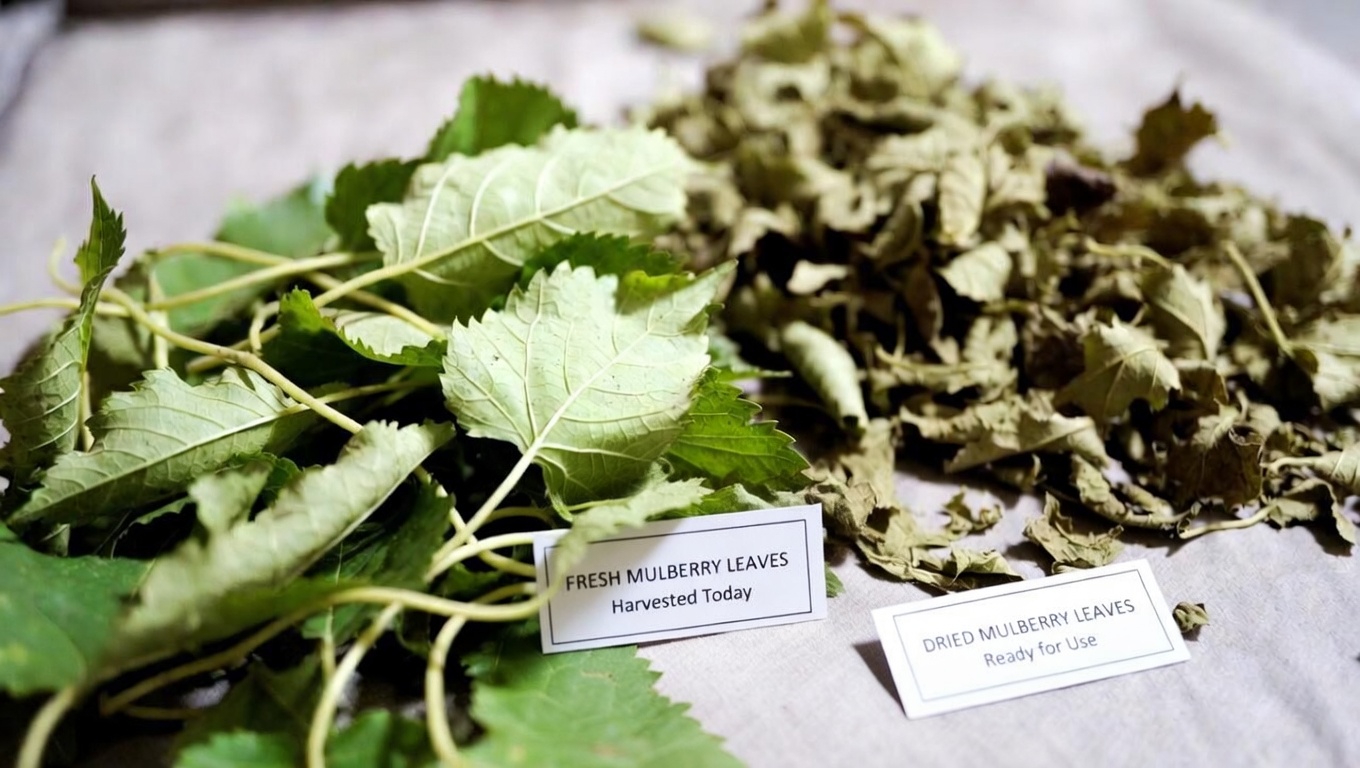
Fresh vs. Dried Mulberry Leaves
Here is a simple comparison to help you decide which form may fit your lifestyle best:
-
Availability
- Fresh leaves: Usually seasonal and sourced from trees or local markets
- Dried leaves or powder: Available year-round online or in health stores
-
Preparation
- Fresh leaves: Need washing and should be used quickly
- Dried leaves or powder: Convenient for tea, capsules, or smoothies
-
Potency
- Fresh leaves: May vary depending on season and harvest conditions
- Dried leaves or powder: Often more consistent, especially when standardized
-
Shelf life
- Fresh leaves: Short storage time, usually only a few days refrigerated
- Dried leaves or powder: Can last for months if stored properly
-
Best use
- Fresh leaves: Ideal for immediate culinary use
- Dried leaves or powder: Better suited for daily wellness routines
Other Ways Mulberry Leaves May Support a Healthy Lifestyle
Mulberry leaves may fit naturally into a broader wellness plan in several ways:
- Antioxidant support: Their polyphenols may help protect cells from free radical damage.
- A useful addition to balanced meals: Pairing mulberry leaves with fiber-rich foods may support better overall dietary habits.
- Easy to include: Many people find them simple to add without making major changes to their routine.
The most meaningful benefits often appear when mulberry leaves are combined with consistent habits such as regular walking, balanced nutrition, and stress management.
Conclusion: A Plant-Based Ally for Everyday Health
Mulberry leaves offer a promising, research-supported option for people looking for natural support with blood sugar balance, cholesterol management, and metabolic wellness. They are not a substitute for medical treatment, but they may be a useful addition to a healthy lifestyle.
As with any wellness practice, it is wise to make gradual adjustments and pay attention to how your body responds.
FAQ
Can I drink mulberry leaf tea every day?
Yes, many people enjoy 1 to 2 cups daily as part of a regular routine. It is still a good idea to start slowly and watch for any digestive sensitivity.
Is mulberry leaf appropriate for everyone?
Mulberry leaf is generally considered well tolerated. However, anyone taking medications, especially for blood sugar or blood pressure, or dealing with existing health conditions should speak with a healthcare professional before using it regularly.
How long does it take to notice results?
Some people report mild improvements in post-meal comfort or energy within a few weeks. Benefits related to cholesterol or lipid balance may take 1 to 3 months of consistent use, according to available studies.