
Vitamin A and Circulation: What It Really Does for Vascular Health
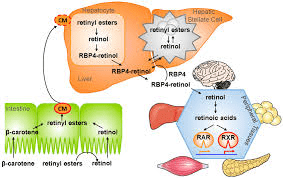
Vitamin A is a fat-soluble nutrient that plays a vital role in many functions throughout the body. It exists in different forms, including retinol from animal foods and provitamin A carotenoids, such as beta-carotene, from plant sources. While it is best known for supporting vision and immune function, research also suggests that vitamin A may influence blood vessel health through its antioxidant effects and its involvement in maintaining healthy cells.
Some studies examining the connection between nutrition and cardiovascular wellness have found that getting enough vitamin A is associated with healthier endothelial function. The endothelium is the delicate inner lining of blood vessels that helps control blood flow. In several population-based studies, higher intake of vitamin A-rich foods has been linked with better heart and vascular health markers, possibly because the nutrient helps reduce oxidative stress that can damage vessel walls.

That said, the evidence related specifically to leg circulation, blocked veins, or blood clots is still limited. There is no strong large-scale proof that vitamin A can directly clear veins or dissolve clots. However, maintaining adequate vitamin A levels may help support the overall strength and function of the vascular system.
How Vitamin A May Help Support Blood Vessel Function
Vitamin A contributes to vascular health in a few important ways:
- Antioxidant defense: It helps counter free radicals that may gradually injure the lining of blood vessels.
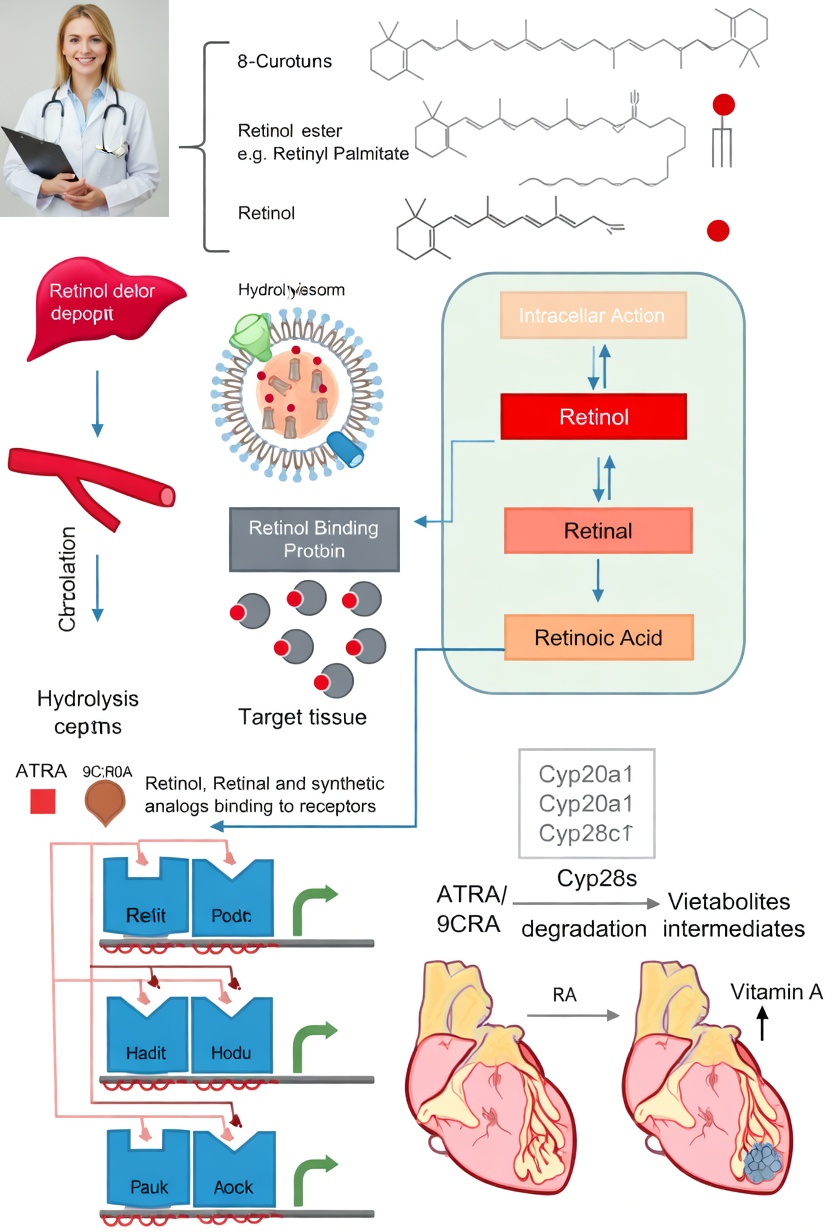
- Cell regulation: In its retinoic acid form, vitamin A helps regulate gene expression in vascular cells, which may support smooth muscle function and reduce irritation in vessel walls.
- Immune and inflammation balance: Healthy vitamin A status may help the body manage inflammatory responses that can affect circulation.
Large observational studies suggest that diets naturally rich in vitamin A sources are often associated with better cardiovascular markers. However, supplement studies have produced mixed or neutral findings, especially after researchers account for other lifestyle factors.
Why Food Sources Matter More Than High-Dose Supplements
One key point is that the potential benefits of vitamin A seem to come mainly from regular dietary intake, not from taking large supplemental doses. Excessive supplementation can be risky, especially with preformed vitamin A, which can build up in the body over time.
For most people, a food-first approach is the safest and most practical way to support vascular health.
Best Natural Food Sources of Vitamin A
If you want to raise your intake, focus on whole foods rather than megadose pills. The richest sources include both animal and plant options.
Animal Sources of Preformed Vitamin A
- Liver such as beef or chicken liver, which is extremely concentrated
- Fatty fish like salmon and tuna
- Dairy products including milk and cheese
- Eggs
Plant Sources of Beta-Carotene
- Carrots
- Sweet potatoes
- Spinach
- Kale
- Butternut squash
- Cantaloupe
- Mangoes
Colorful fruits and vegetables are especially helpful because many beta-carotene-rich foods also provide anti-inflammatory compounds and fiber, making them a smart choice for overall heart and circulation support.
Everyday Examples of Vitamin A-Rich Foods
Here is a quick look at how some common foods contribute to daily vitamin A intake:
- 1 medium sweet potato: Provides more than 100% of daily needs in the form of beta-carotene
- 3 ounces of beef liver: Extremely high in vitamin A, so small portions are enough
- 1 cup cooked spinach: Offers a strong plant-based contribution
- 1 large carrot: A convenient snack that provides roughly 200% of the daily value
Including two to three of these foods across the day can often help meet your needs without going overboard.
Easy Ways to Add More Vitamin A to Your Routine
Building vitamin A into your meals does not have to be complicated. These simple habits can help:
- Improve breakfast: Blend carrots or cooked sweet potato into a smoothie, or serve them on the side
- Upgrade lunch salads: Add spinach, kale, or shredded carrots
- Choose better snacks: Swap processed snacks for mango slices or cantaloupe
- Boost dinner nutrition: Add roasted butternut squash or a serving of leafy greens
- Watch portion sizes: If you eat liver, keep it occasional, such as once a week
These habits work even better when paired with daily movement, such as short walks, along with proper hydration and a balanced eating pattern.
Cooking Tips to Improve Vitamin A Absorption
The way you prepare food can affect how much vitamin A your body can use. To get the most from your meals:
- Lightly steam or roast vegetables: This often preserves beta-carotene better than boiling them too long
- Add healthy fats: Vitamin A is fat-soluble, so it is absorbed better with fats like olive oil or avocado
- Eat a variety of sources: Combining animal and plant foods can create a more balanced intake
- Avoid excessive supplements: Too much preformed vitamin A from pills can accumulate in the body
Research suggests that long-term eating patterns matter more than quick fixes. Consistency is usually more valuable than chasing a single “super nutrient.”
Risks of Too Much Vitamin A
Vitamin A from food is generally safe for most people, but high intakes from supplements can cause problems. Too much vitamin A, particularly preformed vitamin A, may lead to hypervitaminosis A. Symptoms can include:
- Nausea
- Skin changes
- Headaches
- Dizziness
- Liver-related concerns in severe cases
Pregnant individuals need to be especially careful, because very high doses of vitamin A may increase the risk of birth defects. Anyone considering supplements should first speak with a healthcare professional, especially if they take medications or have existing medical conditions.
A Realistic Take on Vitamin A for Circulation
Adding vitamin A-rich foods to your diet is a practical way to support vascular health as part of an overall heart-friendly lifestyle. Brightly colored vegetables, leafy greens, and moderate amounts of animal sources can help nourish blood vessels without making unrealistic promises.
Simple habits like eating carrots regularly, adding spinach to meals, or rotating in sweet potatoes may contribute to better overall wellness and circulation support over time. Still, no single nutrient can solve circulation issues on its own. The best results come from combining good nutrition with regular activity, healthy body weight, and appropriate medical care.
FAQ
What are the best natural sources of vitamin A for circulation support?
The best options are beta-carotene-rich foods such as carrots, sweet potatoes, spinach, and kale. These foods allow the body to convert what it needs into vitamin A and also provide fiber and antioxidants.
Can vitamin A from food help with leg swelling or poor circulation?
Adequate vitamin A may help support healthy blood vessels and overall wellness, which could indirectly benefit circulation comfort. However, it is not a direct treatment for leg swelling or circulation disorders, so underlying causes should be evaluated by a professional.
Are vitamin A supplements safe for vascular health?
Food sources are usually the better choice. Supplements can be helpful in some cases, but overuse may lead to toxicity. It is best to speak with a doctor before taking vitamin A supplements, especially to confirm whether you actually need them.