Tramadol for Chronic Pain: Benefits, Limits, and Safety Concerns
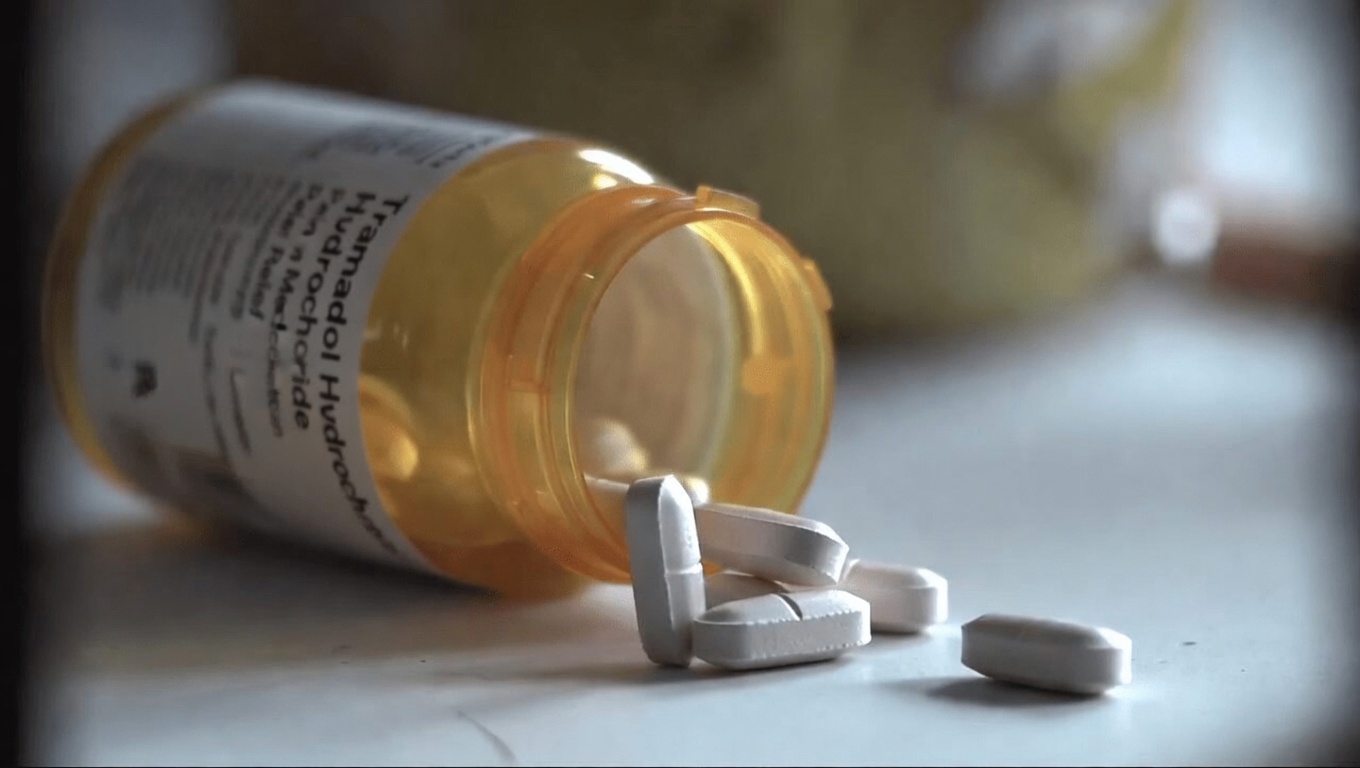
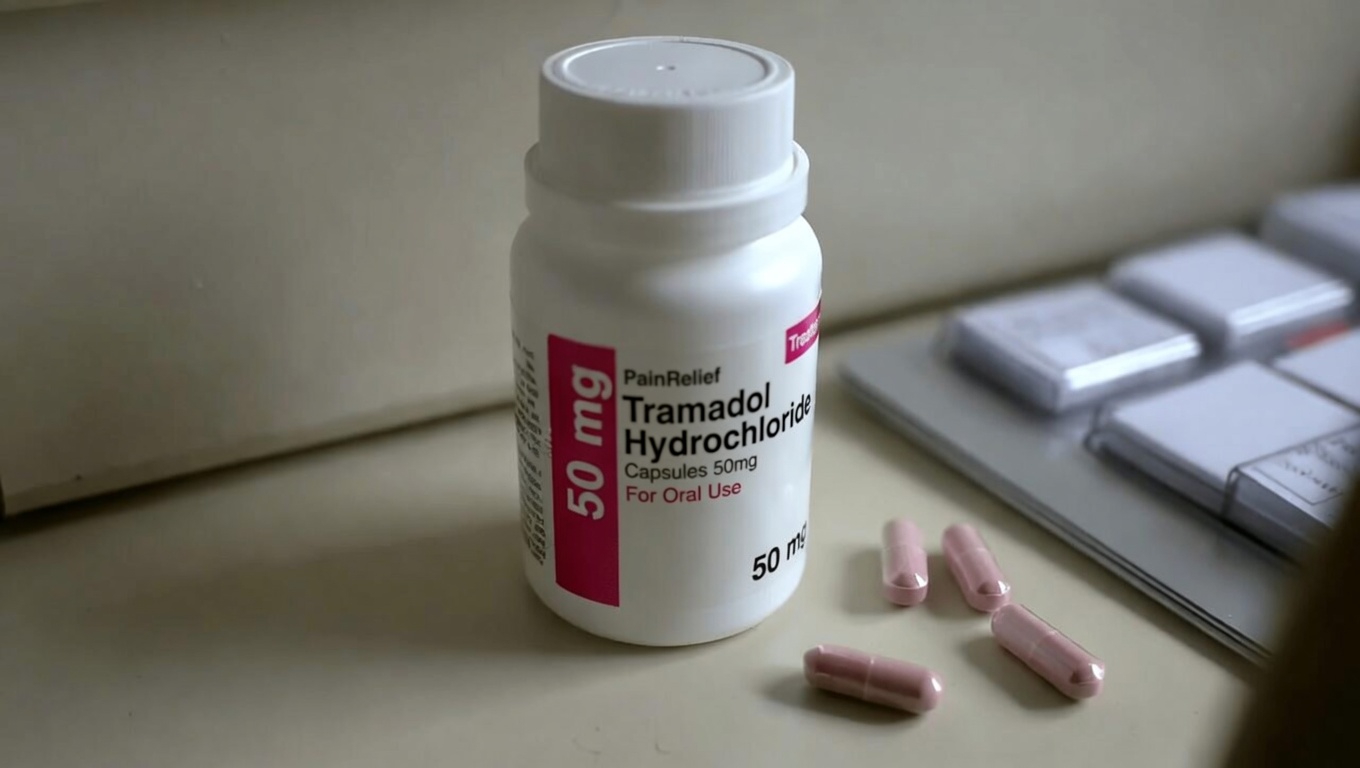
Tramadol is a prescription pain medicine in the opioid analgesic category, but it does not act exactly like stronger opioids. In addition to targeting opioid receptors, it also influences serotonin and norepinephrine in the brain. Physicians commonly prescribe it for moderate to moderately severe long-term pain, especially when nonprescription options no longer provide enough relief.
One reason tramadol became widely used is its reputation as a "milder" opioid, often viewed as less risky than medications such as oxycodone. For many people living with ongoing pain, it can seem appealing because it may help them remain mobile, work, or handle everyday responsibilities more comfortably.
Still, newer research suggests that this favorable image may not fully reflect the real balance between benefit and risk.
What the Latest Research Says About Tramadol’s Effectiveness
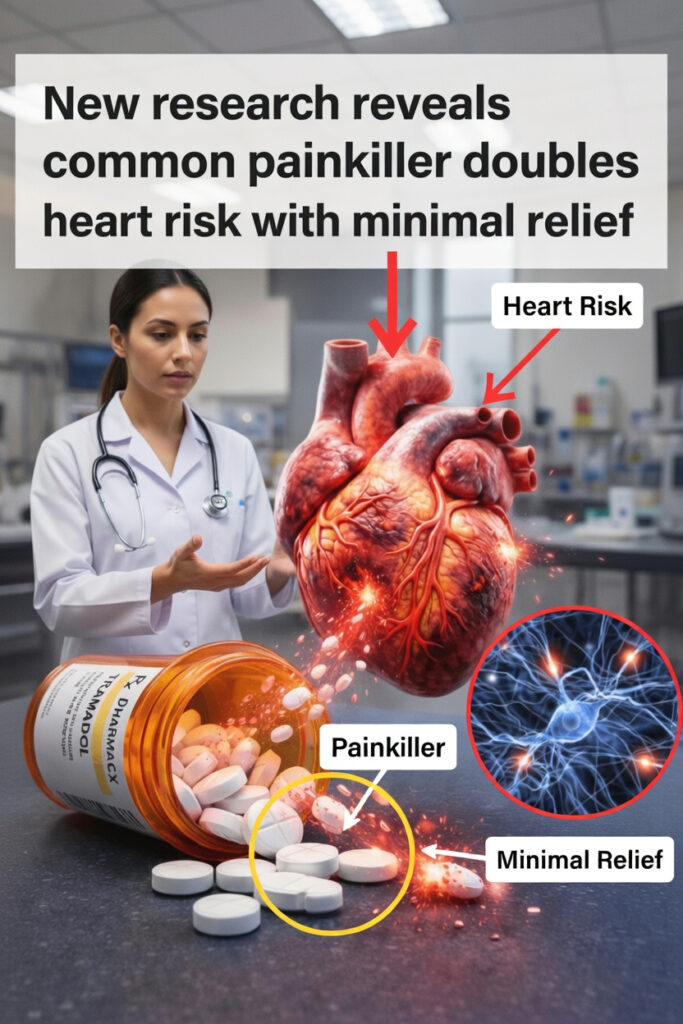
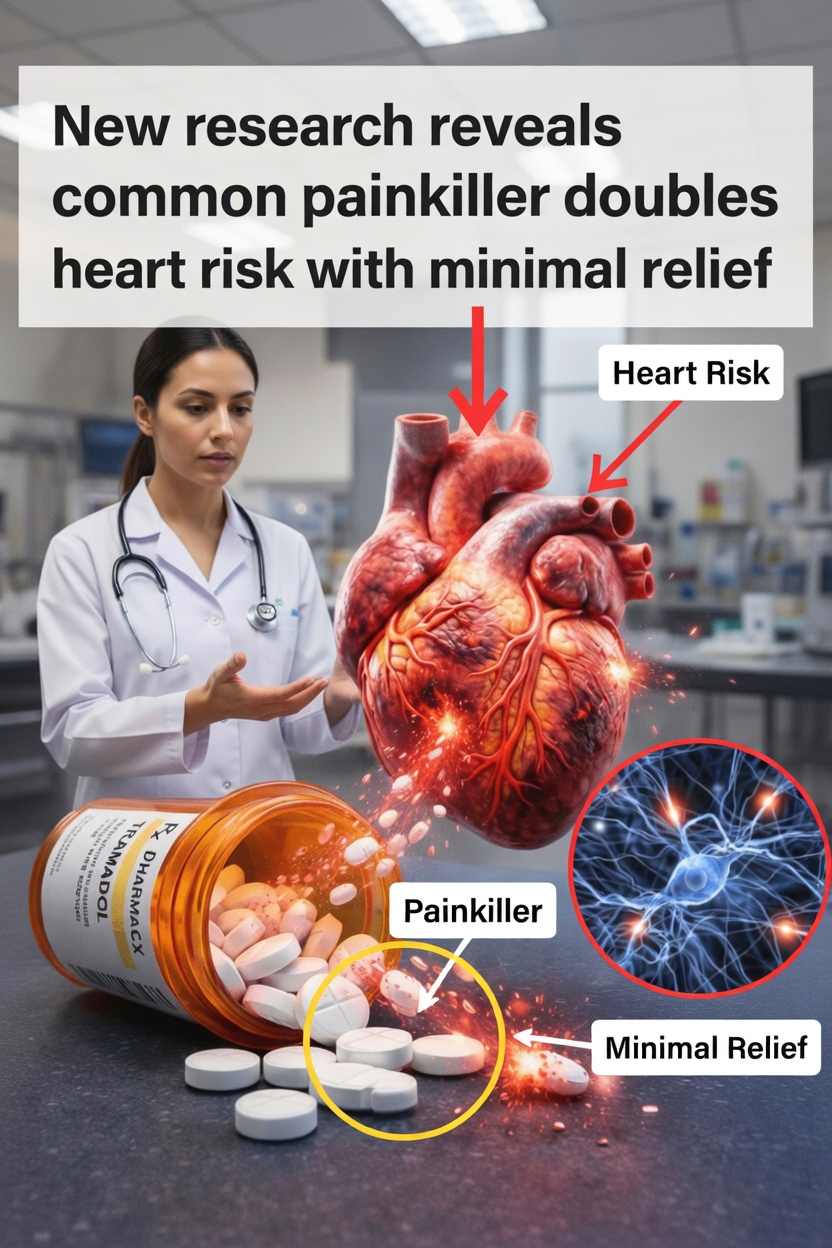
Current evidence shows that tramadol can reduce pain, but the degree of improvement appears limited. A 2025 BMJ review combining results from 19 clinical trials with thousands of participants found that tramadol reduced pain by about 0.93 points on a numerical pain scale compared with placebo. That figure falls below the 1-point difference many specialists consider clinically meaningful.
In practical terms, this means some patients may feel a noticeable benefit, while others may see little improvement even with regular use. Response can vary depending on the person, the type of pain being treated, and the dose used. Even so, the overall data does not strongly support expectations of major pain relief for most users.
And pain relief is only part of the equation.
Major Safety Issue: Tramadol and Heart-Related Complications
The same review reported that tramadol was associated with roughly twice the odds of serious adverse events, with an odds ratio of about 2.13 and moderate-certainty evidence. Much of that increased risk was linked to cardiovascular problems, including more reports of chest pain, heart failure, and related conditions during follow-up periods lasting from several weeks to a few months.
Additional research has also examined tramadol’s possible effects on heart rhythm, blood pressure control, and other aspects of cardiovascular function, reinforcing concerns about its safety profile.
This does not mean everyone who takes tramadol will develop heart problems. However, the repeated signal across multiple studies is important, particularly for people who already have cardiovascular disease or risk factors such as hypertension.
Key Findings From the Evidence
Several points stand out when reviewing the available data:
- Pain reduction is present, but often modest
- Serious side effects appear more common, especially those involving the heart
- Non-serious but disruptive effects such as nausea, dizziness, constipation, and drowsiness are frequent
- Many studies provide limited information about long-term quality of life
Because of these issues, healthcare professionals are increasingly cautious when considering tramadol for long-term pain control.
Common Side Effects That Can Affect Daily Life
Even when serious complications do not occur, tramadol often causes side effects that interfere with comfort and routine activities. Common complaints include:
- Nausea and vomiting
- Dizziness or feeling lightheaded, which may increase fall risk
- Constipation that can become persistent
- Sleepiness or fatigue that disrupts normal functioning
- Headache
- Dry mouth
These effects often appear early in treatment and may continue over time. For some patients, they become bothersome enough to require a dose change or discontinuation.
In some analyses, the number needed to harm for certain side effects ranges from 7 to 13. In other words, these problems are not unusual.
How Tramadol Compares With Other Pain Relief Options
Many people ask whether tramadol is better than other treatments for chronic pain. Direct comparisons differ across studies, but clinical guidelines often recommend trying non-opioid strategies first whenever appropriate.
Here is a simple overview of common alternatives:
-
Acetaminophen (paracetamol)
- Frequently used as an initial option
- Generally carries fewer heart-related concerns
- May not be strong enough for more severe pain
-
NSAIDs such as ibuprofen
- Can work well for pain linked to inflammation
- Long-term use may raise the risk of stomach irritation, ulcers, or kidney problems
-
Physical therapy and exercise programs
- Support strength, flexibility, and function
- Avoid medication-related side effects
-
Topical pain treatments
- Useful for localized pain
- Usually involve minimal absorption into the rest of the body
-
Non-drug approaches
- Mindfulness
- Heat or cold therapy
- Acupuncture
- Relaxation techniques
Discussing these options with a healthcare provider can help create a plan that supports both safety and day-to-day function.
Practical Steps You Can Take Now
If you are currently taking tramadol or thinking about starting it, taking an active role in your care is important. Consider these steps:
-
Speak honestly with your doctor
- Report any side effects, new symptoms, or worries
- Ask whether recent evidence changes the role of tramadol in your treatment plan
-
Keep track of your symptoms
- Record pain levels, side effects, activity, and sleep each day
- A simple log can reveal whether the medicine is truly helping
-
Add non-medication support
- Gentle walking, stretching, and guided relaxation may improve comfort and mobility over time
-
Reassess the dose regularly
- If pain improves, lower doses or shorter use may reduce risk
-
Pay attention to heart health
- Managing blood pressure, cholesterol, weight, and physical activity is especially important for long-term pain patients
-
Consider multidisciplinary care
- Pain specialists, rehabilitation experts, or physical medicine teams may offer a broader, more effective approach
Small, steady changes can produce meaningful progress over time.
Why This Matters in Long-Term Pain Care
Chronic pain affects millions of people and can interfere with work, sleep, movement, and overall enjoyment of life. Although tramadol may help some individuals, growing evidence shows that pain management is often most effective when it is balanced and multifaceted.
A focus on function can be just as important as a focus on pain scores. Staying active, sleeping better, and maintaining social connection often lead to more lasting improvements than depending too heavily on one medication alone.
The real goal is not only to lower a number on a pain scale, but to improve the quality of everyday life.
FAQ
Is tramadol still used for chronic pain?
Yes. Tramadol is still prescribed in some cases for chronic pain. However, many clinicians now use it more carefully because newer reviews suggest the benefits may be smaller and the risks greater than previously assumed. It is generally considered when the expected benefit appears to outweigh the potential harm for a specific patient.
What should I do if tramadol causes side effects?
Contact your healthcare provider as soon as possible. They can decide whether the dose should be changed, whether another option would be safer, or whether closer monitoring is needed. Do not stop suddenly without medical guidance, since withdrawal symptoms can occur.
Are there safer ways to manage chronic pain?
In many cases, yes. Options may include non-opioid medications, physical therapy, exercise, lifestyle changes, and complementary approaches. The safest and most effective plan depends on your pain condition, medical history, and overall health, so professional guidance is essential.
Important Note
This article is intended for informational purposes only and is not medical advice. Always speak with a qualified healthcare professional before starting, stopping, or changing any medication or treatment plan. Responses to tramadol and other pain therapies vary from person to person, and treatment decisions should be based on individual health needs.