How Banana Ripeness Affects Nutrition and Health
One of the simplest ways to understand the health benefits of bananas is to look at what happens inside the fruit as it ripens.
Picture your ideal banana for a moment. Is it soft and very sweet with small brown speckles on the peel? Or do you prefer a firmer, pale-yellow banana that’s just shy of fully ripe?
Most people know that a banana’s taste, color, and texture change as it ripens. What’s less obvious is that its nutritional profile also changes. Below, you’ll discover how each stage of ripeness affects digestion, blood sugar, and overall health.
Green Bananas
Green bananas are firm, starchy, and not very sweet. Most of the carbohydrates in this stage are in the form of resistant starch—a type of starch that isn’t fully broken down in the small intestine.
Because resistant starch digests slowly, green bananas:
- Tend to keep you full for longer
- May feel heavier in your stomach
- Can sometimes cause bloating or discomfort in sensitive individuals
That same starch is what gives green bananas their dense, chewy texture, making them ideal for cooking and frying. They hold their shape well and absorb heat without turning mushy.
From a blood sugar perspective, green bananas have a lower glycemic index (GI) than ripe ones. The body still converts their starch into glucose, but the process is slow and steady, creating a gradual rise in blood sugar rather than a rapid spike.
The trade-off? Green bananas:
- Are less sweet
- Often have a mild, slightly astringent taste
If you’re focused on lower sugar intake and long-lasting satiety, green bananas can be a smart option.
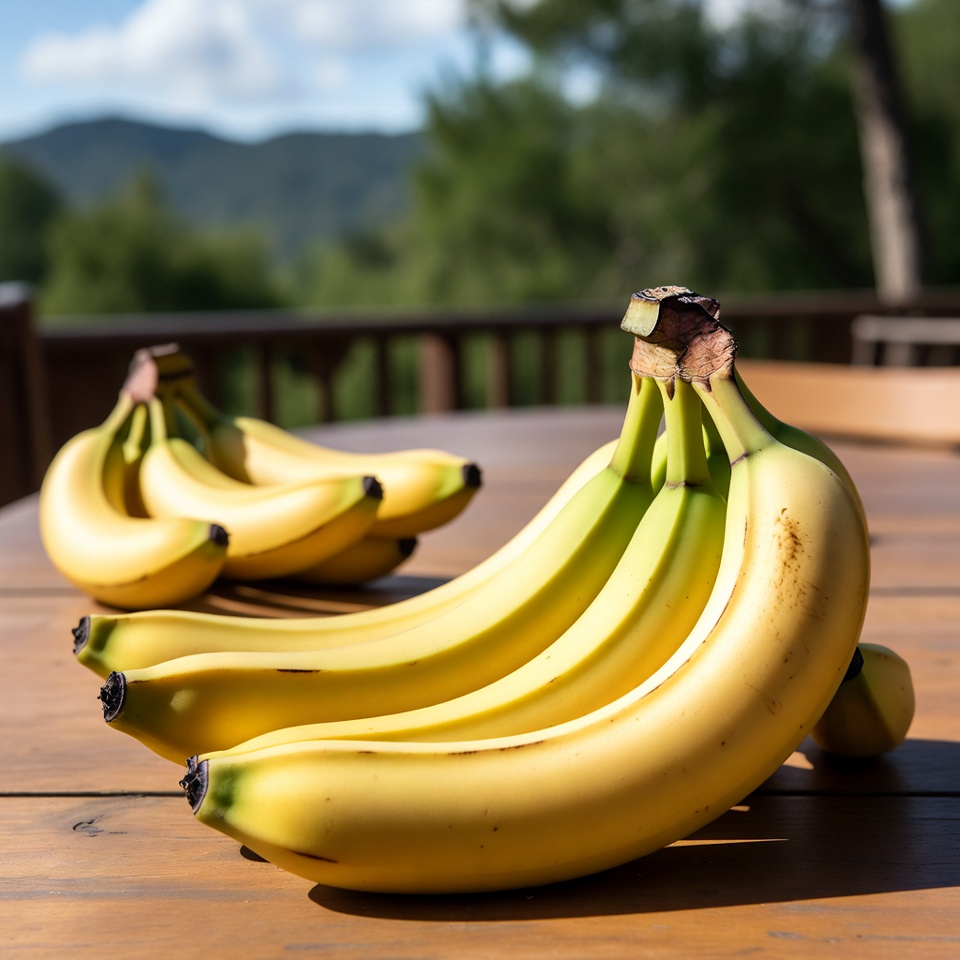
Yellow Bananas
As bananas ripen from green to yellow, the resistant starch is gradually converted into simple sugars such as glucose, fructose, and sucrose. This shift makes yellow bananas:
- Softer in texture
- Noticeably sweeter
- Easier to chew and digest
Because there is less resistant starch, yellow bananas are more quickly broken down and absorbed by the digestive system. This means a higher glycemic index compared with green bananas, but also easier digestion for many people.
With ripening, bananas do begin to lose some micronutrients, including certain vitamins and minerals. However, this nutrient loss is partly balanced by a rise in antioxidant levels, which support immune function and help protect cells from oxidative damage.
To slow the decline of nutrients:
- Store ripe yellow bananas in the refrigerator
- The peel may darken, but the process of nutrient loss will be slower than at room temperature
Yellow bananas are a great everyday choice if you want a good mix of digestibility, sweetness, and nutrients.
Spotted Bananas
When yellow bananas develop brown speckles, they’ve moved into the spotted stage of ripeness. At this point they are:
- Sweeter than solid yellow bananas
- Very soft and aromatic
- Richer in antioxidants
The brown spots are visual markers of how much starch has been converted into sugar—think of them as “sugar freckles.” More spots usually mean:
- Higher sugar content
- A sweeter overall flavor
Spotted bananas are also associated with enhanced immune-supporting properties. Some research suggests that very ripe bananas may contain higher levels of compounds such as tumor necrosis factor (TNF), which has been studied for its potential anti-cancer effects.
If you typically avoid speckled bananas because they look overripe, you may want to reconsider. They’re:
- Easier to digest
- Naturally sweeter
- Packed with beneficial antioxidants
Brown Bananas
By the time a banana turns mostly brown, essentially all of the resistant starch has been transformed into sugar. These bananas:
- Look soft, shriveled, and sometimes unappealing
- Have a very sweet, almost caramel-like flavor
- Are extremely tender and easy to mash
Along with starch breakdown, the chlorophyll (the green pigment) in the banana also degrades. This process produces a variety of antioxidant compounds, meaning that fully brown bananas can be surprisingly rich in antioxidants, despite their tired appearance.
Instead of tossing them out, use brown bananas as a natural sweetener in:
- Banana bread or muffins
- Smoothies and shakes
- Pancakes, waffles, or healthy snack bars
- “Nice cream” and other better-for-you desserts
Their softness and high sugar content make them perfect for baking and dessert recipes.
Which Stage of Banana Is the Healthiest?
Bananas are a nutritious choice at every stage of ripeness. On average, a medium banana provides:
- Around 100 calories
- Negligible fat
- A good source of potassium
- Vitamin B6
- Vitamin C
- Dietary fiber
However, ripeness changes how those benefits show up in your body. Choosing the “healthiest” banana depends on your personal goals:
-
For a low-sugar, filling snack
- Choose green bananas
- Higher in resistant starch
- Lower glycemic index
- Help you stay full longer
-
For easy digestion and antioxidant support
- Pick yellow or lightly spotted bananas
- Easier on the digestive system
- Good balance of sweetness and nutrients
- Increasing antioxidant content
-
For a natural sweet treat or baking ingredient
- Go for brown bananas
- Very sweet and soft
- Ideal for baking and desserts
- High in antioxidant compounds
In short, there is no single “best” banana. The healthiest choice is the one that aligns with your needs—whether that’s blood sugar control, digestive comfort, immune support, or satisfying a sweet craving. Choose the ripeness that fits your lifestyle, and enjoy bananas in every stage of their golden life cycle.