A Small Lump Came Out After Sneezing: It May Be a Tonsil Stone
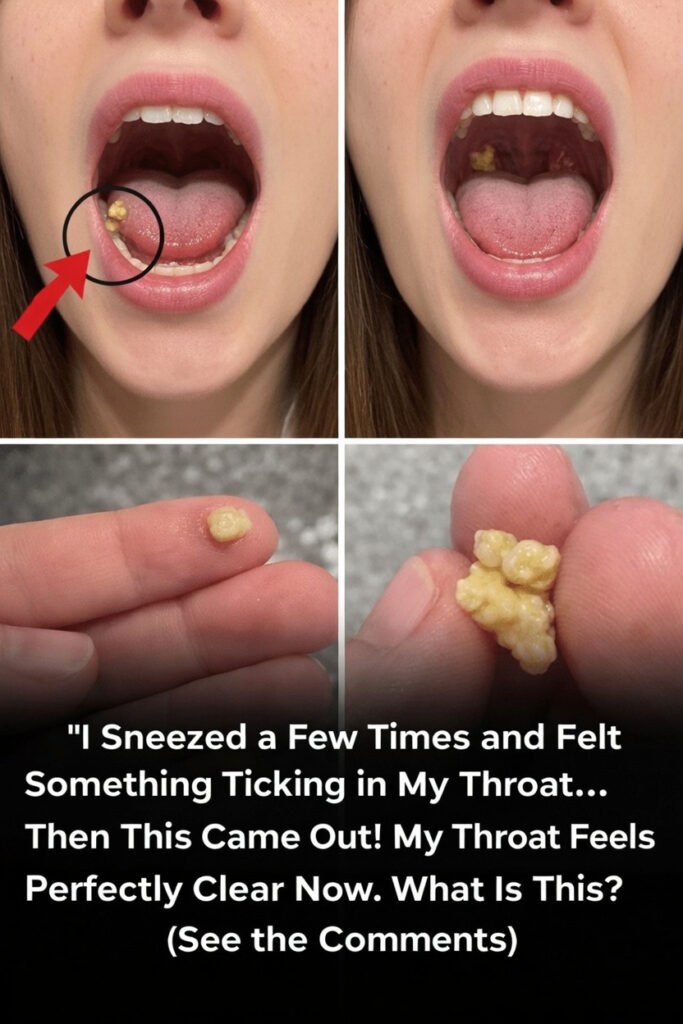
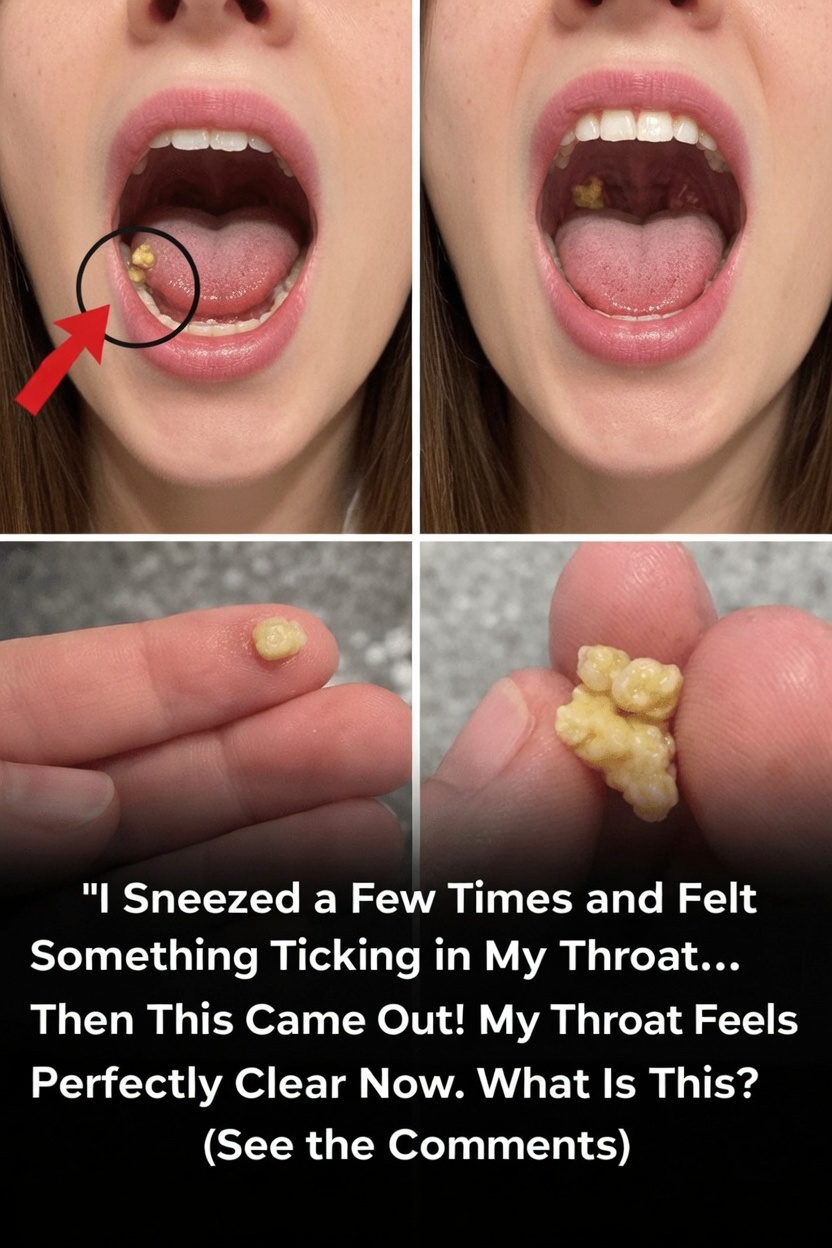
Many people have experienced a strange moment after sneezing a few times: something shifts in the back of the throat, and suddenly a tiny lump appears. It can be unsettling, especially when you spit it out and notice a yellowish, soft, cheese-like piece. Naturally, the first reaction is often concern—where did it come from, and does it mean something is wrong?
Interestingly, many people also notice that their throat feels clearer afterward. That sense of relief can be comforting, but it often leads to another question: what exactly was that?
In many cases, the answer is simple and harmless. These small lumps are often tonsil stones, and understanding them can make the experience far less worrying.
What Are Tonsil Stones?
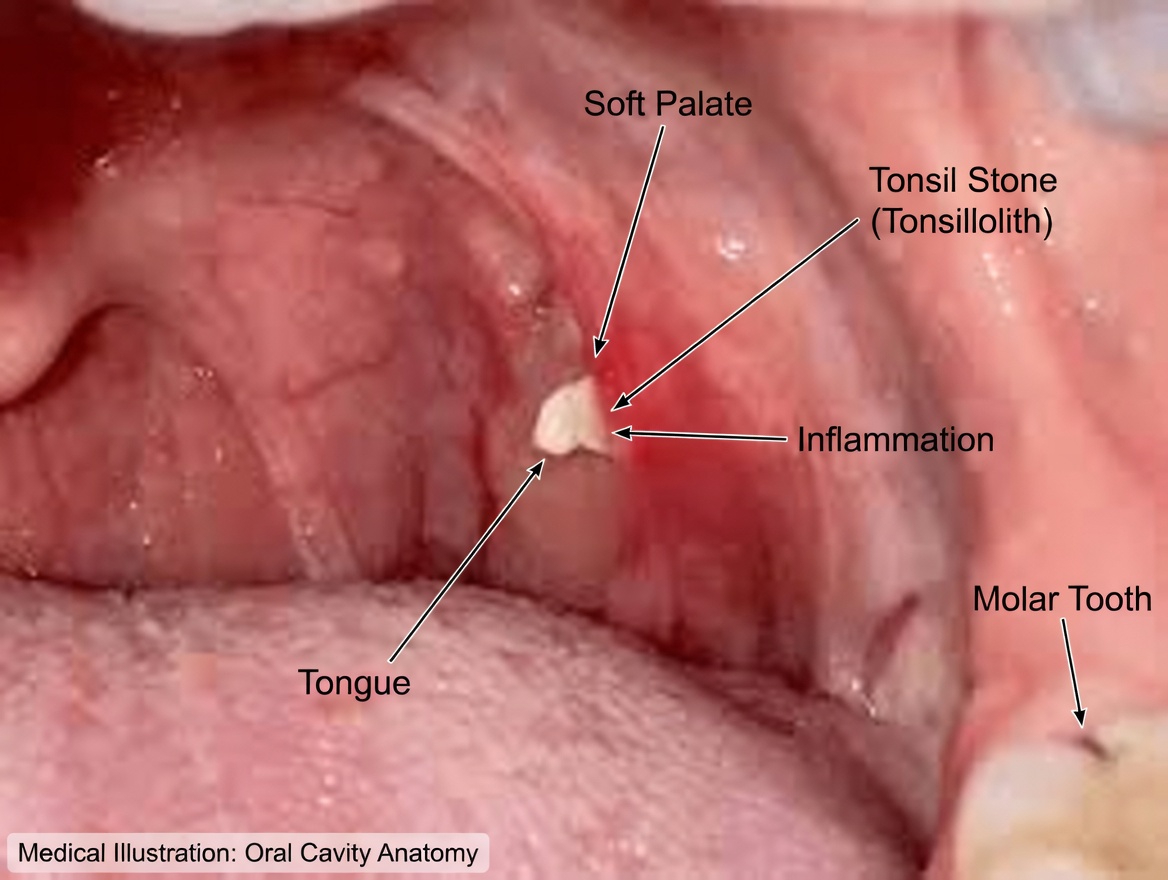
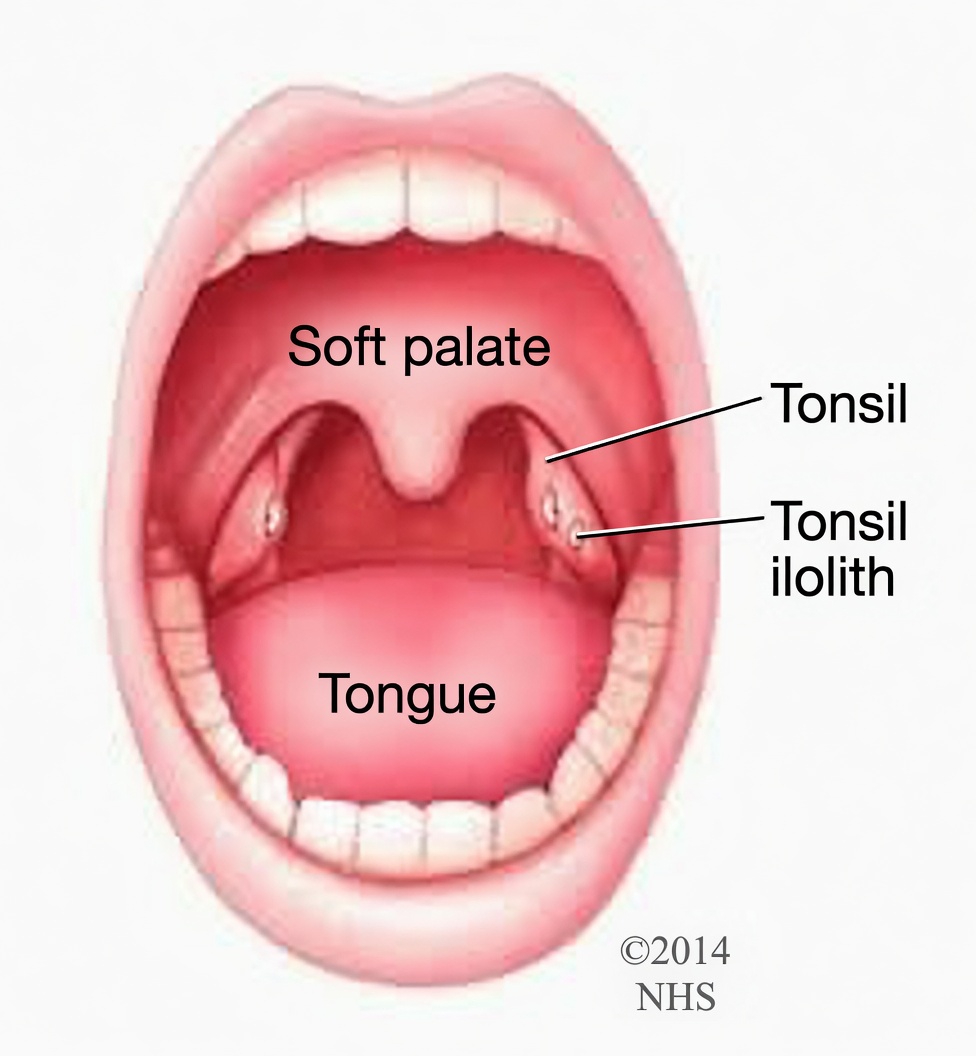
These little formations are usually called tonsil stones, also known medically as tonsilloliths. They develop inside the small crevices, or crypts, found in the tonsils at the back of the throat. Their color is commonly white, off-white, or yellow, and they may look like tiny pebbles or soft crumbs with a cottage cheese-like texture.
Medical sources such as the Cleveland Clinic explain that tonsil stones form when substances like:
- food particles
- mucus
- dead cells
- bacteria
become trapped in the tonsil crypts. Over time, minerals in saliva can harden this material, creating a small calcified lump.
Many people have tonsil stones and never realize it. Others only notice them when one becomes loose and comes out during everyday actions like coughing, sneezing, or clearing the throat.
The reassuring part is that they are usually harmless and simply reflect a common buildup process in the throat area.
Why Do Tonsil Stones Develop?
Tonsils act as part of the body's defense system. Their uneven surface helps catch unwanted particles before they move farther into the body. However, those same grooves and pockets can also collect debris.
Some people are more likely to develop tonsil stones because their tonsil crypts are naturally deeper or more visible. This makes it easier for material to stay trapped long enough to harden.
Other contributing factors may include:
- repeated throat irritation
- dehydration, which lowers saliva flow
- inconsistent oral hygiene
- a history of tonsil inflammation or infection
That said, not everyone with tonsils gets noticeable stones. Their appearance often depends on a mix of anatomy, daily habits, and overall oral health.
Common Factors That May Increase the Chances
Several issues can make tonsil stones more likely to form:
- Deep tonsil pockets that hold onto debris more easily
- Low saliva production from not drinking enough water
- Bacterial and food buildup over time
- Past throat infections that may enlarge or deepen the tonsil crypts
These factors do not guarantee tonsil stones, but they can make them more common in some individuals.
Why Sneezing Can Make a Tonsil Stone Come Out
A strong sneeze creates pressure and vibration in the throat. That force can be enough to loosen a tonsil stone sitting inside one of the tonsil crypts. The same thing may happen with coughing or forceful throat clearing.
This is why someone may suddenly feel a tickle, then notice a small lump in the mouth moments later. Once the stone is expelled, the throat may feel more open or less irritated because that trapped material is no longer sitting in the tonsil pocket.
Although it can be surprising, this kind of natural dislodging is fairly common and usually not a sign of a serious problem.
Symptoms People Commonly Notice
Not every tonsil stone causes symptoms. In fact, many remain unnoticed. But when they do become noticeable, people often describe sensations such as:
- feeling like something is stuck in the throat
- a tickling or scratchy sensation
- ongoing bad breath that does not improve much with brushing
- mild throat soreness
- an unpleasant or metallic taste in the mouth
- occasional ear discomfort due to connected nerve pathways
If these symptoms continue or become bothersome, it is a good idea to speak with a healthcare professional.
Daily Habits That May Help Reduce Tonsil Stones
Supporting better oral and throat hygiene can help lower the chance of buildup. While these habits may not eliminate tonsil stones completely, many people find them helpful over time.
Practical Oral Care Tips
-
Brush your teeth and tongue twice a day
- Use a soft-bristled toothbrush to remove bacteria and residue from the mouth.
-
Floss every day
- This helps remove food particles that could otherwise contribute to buildup in the back of the mouth.
-
Gargle with warm salt water
- Doing this several times a week may help loosen debris and soothe the throat.
- A simple mix is:
- 1/2 teaspoon of salt
- 1 cup of warm water
-
Drink enough water throughout the day
- Good hydration supports saliva production, which naturally helps wash the mouth and throat.
-
Use an alcohol-free mouthwash if needed
- This can be a useful addition to your evening routine for freshness and oral support.
Small, consistent habits often make the biggest difference. Over time, these steps may help the throat feel cleaner and more comfortable.
When to Seek Professional Advice
Tonsil stones are usually harmless, but there are situations where medical or dental advice makes sense. You should consider getting checked if:
- the discomfort does not go away
- you notice swelling
- bad breath remains a persistent issue despite good oral hygiene
- the stones seem large or frequent
- throat symptoms become painful or disruptive
A doctor or dentist can examine the area and recommend the best next steps for your specific case. In some situations, they may discuss targeted cleaning approaches or other options if the stones return often.
Because every person is different, professional guidance can be helpful when symptoms are recurring or unclear.
Key Takeaway
Finding a small yellowish lump after sneezing can feel alarming at first, but it is often just a tonsil stone. These formations are common, typically harmless, and often linked to trapped debris in the tonsil crypts.
Understanding what they are can take away much of the worry. With steady oral hygiene, regular hydration, and attention to throat health, many people are able to reduce how often they appear and feel more comfortable overall.
Frequently Asked Questions
Is it normal for something to come out of the throat after sneezing?
Yes, it can happen. Sneezing may loosen small buildups, including tonsil stones, from the tonsil area. In many cases, this is not serious.
Why do tonsil stones sometimes cause bad breath?
Tonsil stones can contain bacteria and trapped debris. As that material breaks down, it may create an unpleasant odor, which is why bad breath is a common complaint.
Can lifestyle changes help prevent tonsil stones?
They may help. Good oral hygiene, tongue cleaning, regular flossing, salt-water gargling, and staying hydrated can all support a cleaner oral environment and may reduce buildup for some people.
Are tonsil stones dangerous?
Most of the time, no. They are usually benign. However, if they cause pain, swelling, persistent bad breath, or repeated irritation, a healthcare provider should evaluate them.
Why does the throat feel better after one comes out?
When a tonsil stone is removed or dislodged, it no longer occupies space in the tonsil crypt. That can reduce the feeling of pressure, irritation, or something being stuck in the throat.