Rice Water for Hair and Skin: Benefits, Science, DIY Methods, and Safe Use
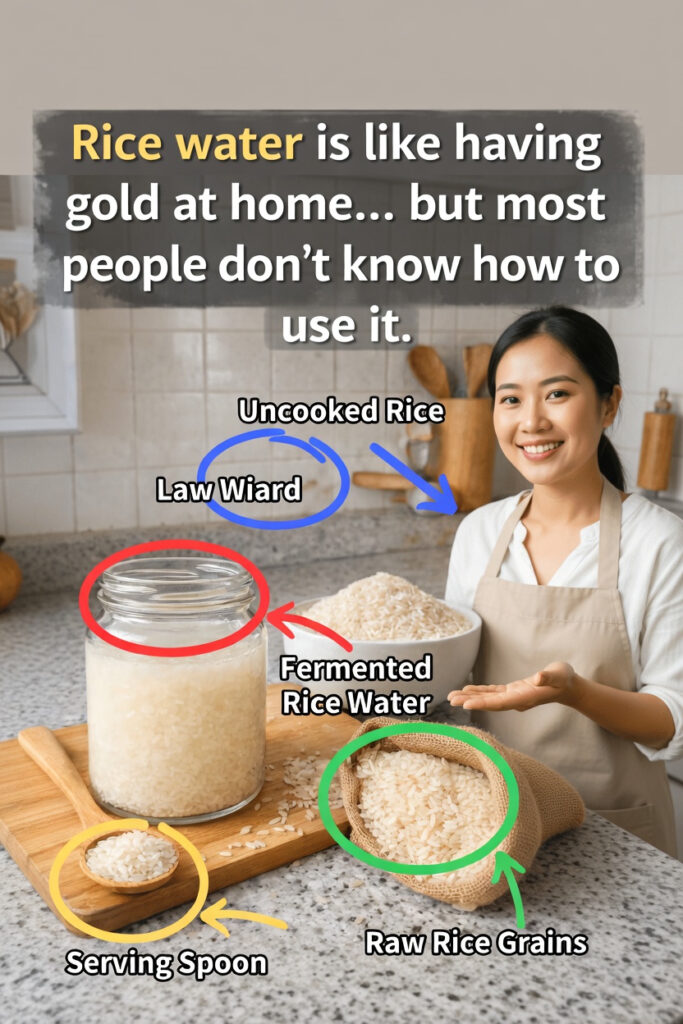
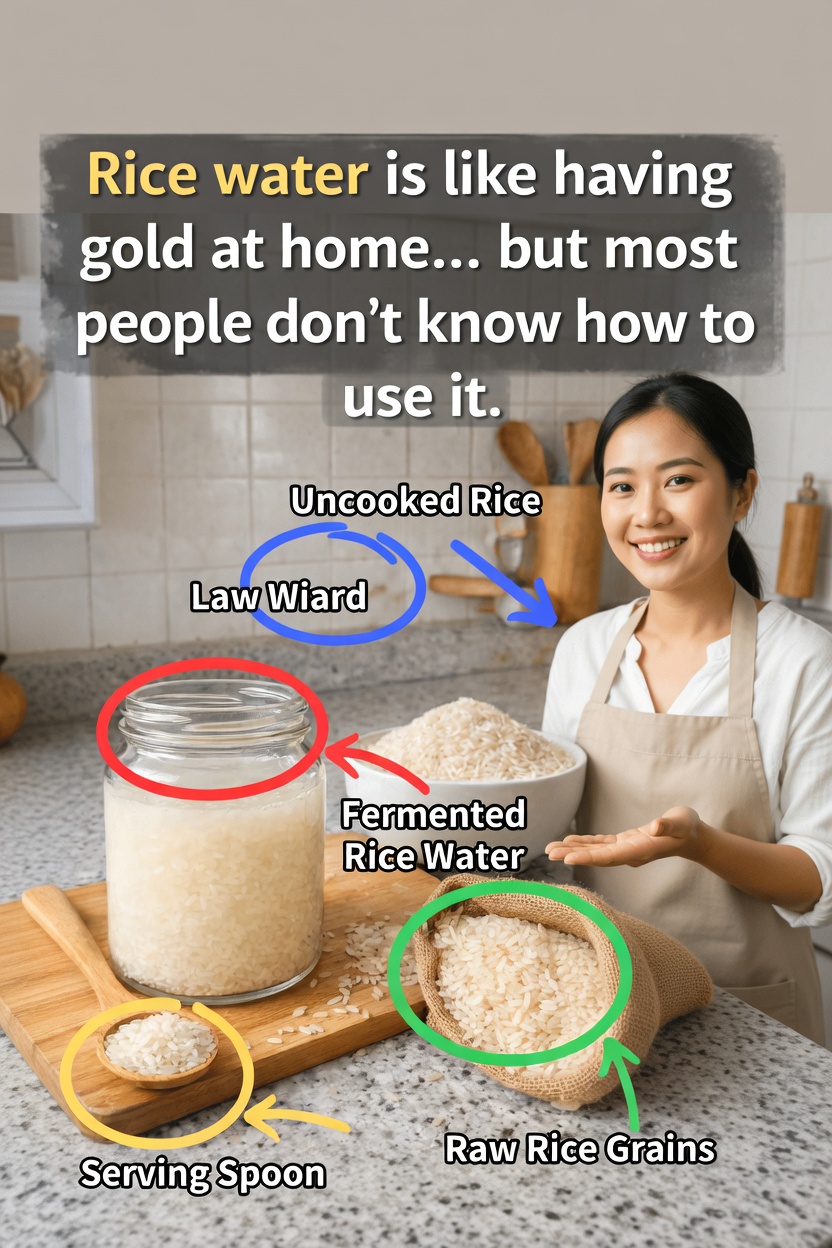
Rice water is the cloudy, starch-rich liquid that remains after uncooked rice is rinsed or soaked. Across many parts of Asia, it has long been included in traditional beauty rituals. One of the most well-known examples comes from Huangluo Yao Village in China, where women famous for their very long, dark hair have linked part of their hair care routine to fermented rice water rinses.
In recent years, rice water has gained worldwide attention through social media, where people use it as a simple, natural option for hair care and skin care. Traditional use often focused on improving softness and overall appearance, while modern interest tends to highlight naturally occurring compounds such as amino acids, vitamins, and antioxidants.
Although research on rice water and related rice-derived ingredients points to some promising supportive effects, findings are still mixed and individual results can differ. More human studies are needed to confirm exactly how much it can do.
What Science Says About Rice Water
A number of lab-based studies and scientific reviews have examined rice water components and rice bran extracts. Some findings suggest that inositol, a compound associated with rice, may help reduce friction on hair fibers and improve elasticity under laboratory conditions. A review of rice-based hair products also noted effects on biological signals connected to the hair growth cycle, including higher expression of factors related to the anagen, or active growth, phase.
For skin care, one study on fermented rice water used in a gel formula reported antioxidant activity in vitro, along with elastase-inhibiting effects and good skin compatibility. Fermentation may also create compounds similar to those used in skincare products designed to support skin renewal.
That said, many dermatologists point out an important limitation: strong clinical evidence in large human studies is still lacking. Most reported benefits seem to be more about improving how hair and skin look or feel rather than producing dramatic transformations. Keeping expectations realistic is the best approach when trying rice water at home.
How to Make Rice Water at Home
Making rice water is easy and inexpensive. In most cases, you only need rice, water, and a clean container.
1. Basic Soaked Rice Water
This is the simplest option and a good place for beginners to start.
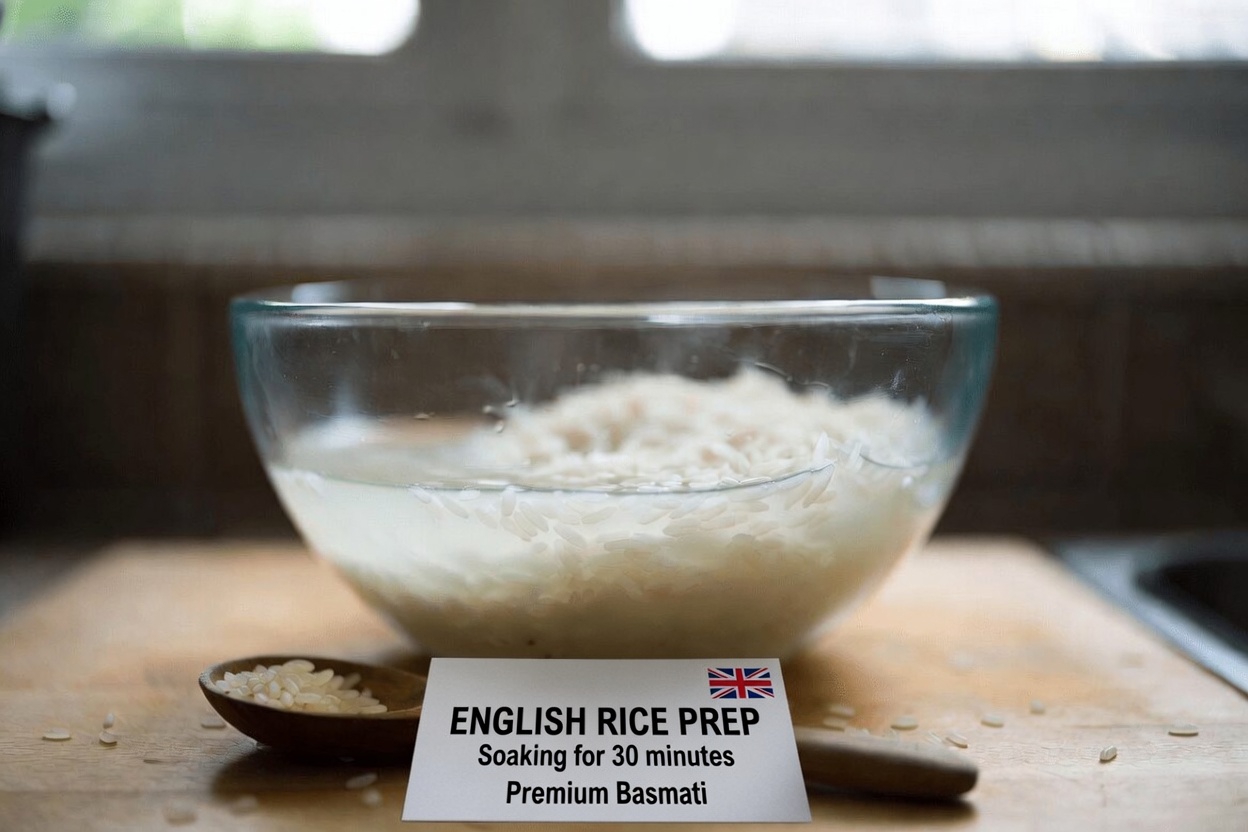
- Rinse 1/2 cup of uncooked white rice under running water until the water is mostly clear. This helps remove dirt and surface impurities.
- Put the rinsed rice into a bowl.
- Add 2 cups of clean, filtered water.
- Stir gently and leave it to soak for about 30 minutes.
- Strain the liquid into a clean bottle or jar.
The rice itself does not go to waste and can still be cooked normally.
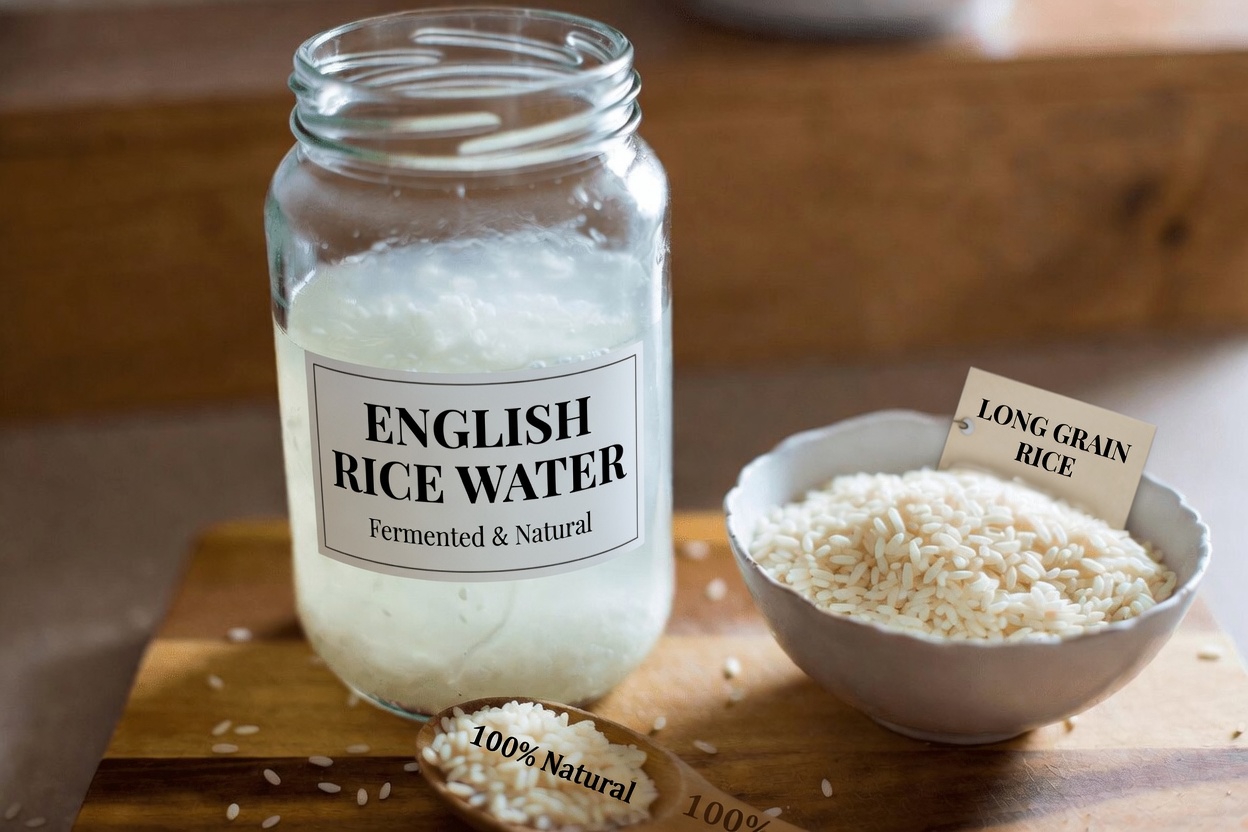
2. Fermented Rice Water
Fermented rice water is often chosen by those who want a stronger version.
- Prepare soaked rice water using the steps above.
- After straining, loosely cover the liquid.
- Leave it at room temperature for 12 to 48 hours, depending on temperature and humidity. Warmer climates usually speed up fermentation.
- Once it develops a mildly sour scent, place it in the refrigerator right away.
- Use it within one week.
A slightly sour smell is expected during fermentation. Always use clean utensils and filtered water, and make small batches at first to see what suits you best.
How to Use Rice Water for Hair
Rice water is most commonly used as a post-shampoo rinse. Many people try it to make hair feel smoother, softer, and easier to manage.
Step-by-Step Hair Application
- Wash your hair with your regular shampoo.
- Rinse thoroughly.
- Pour rice water over the scalp and lengths of your hair.
- Massage gently for 2 to 3 minutes.
- Let it sit for 5 to 20 minutes. If this is your first time, start with a shorter wait.
- Rinse well with cool or lukewarm water.
- If you prefer, finish with plain water to remove any leftover residue.
How Often Should You Use It?
- Start with 1 to 2 times per week
- Adjust based on how your hair feels
- Reduce use if you notice stiffness, dryness, or buildup
Some people find that the starchy texture helps with detangling and gives hair a temporarily smoother feel.
How to Use Rice Water for Skin Care
Rice water is also used in skincare, usually as a toner-like rinse or a calming compress.
Simple Ways to Apply It
- Soak a cotton pad in diluted rice water and sweep it gently over clean skin
- Use it as a final rinse after cleansing
- Soak a soft, clean cloth in rice water and place it on the face for 5 to 10 minutes as a soothing compress
If it feels too strong, mix it with plain water in a 1:1 ratio. This is especially helpful for sensitive skin. Avoid applying it too close to the eyes.
Some users report that skin feels fresher after use, but responses can vary depending on skin type.
Tips for Better Results
To get the most from rice water while avoiding common issues, keep these practical tips in mind:
- Dilute when needed: Fermented rice water can be stronger, so mixing it with plain water may make it gentler on hair and skin
- Do not overuse it: Too much can lead to dryness or product buildup in some people
- Pair it with moisture: Follow with conditioner for hair or moisturizer for skin if needed
- Try different rice varieties: White rice is the most popular choice, but some people experiment with jasmine rice or other types
Common Rice Water Variations
Each preparation method offers a slightly different experience:
- Soaked rice water: Mild smell, quick to prepare, beginner-friendly
- Fermented rice water: More acidic, stronger scent, may create more noticeable texture effects for some users
- Boiled rice water: Made by briefly boiling rinsed rice in water, then cooling and straining; the liquid is thicker and sometimes used in hair mask routines
Possible Side Effects and Precautions
Rice water is generally well tolerated, but it is not ideal for everyone. Some users notice temporary dryness, roughness, or stiffness, especially if they apply it too often. The starch content may contribute to that effect. People with highly sensitive skin may also experience mild irritation.
Before You Start
- Do a patch test on the inner arm
- Wait 24 hours to check for a reaction
- If you have very dry, chemically treated, colored, or tightly coiled hair, begin slowly
- Stop using it if your skin or hair feels worse instead of better
- Speak with a dermatologist or hair care professional if you have ongoing concerns
Adding Rice Water to a Modern Beauty Routine
One reason rice water remains so appealing is its simplicity. It requires no expensive tools and uses something that might otherwise be discarded in the kitchen. Many people enjoy the ritual itself, along with the possibility of subtle improvements in hair texture or skin appearance over time.
Still, the best results usually come from combining it with healthy daily habits, including:
- Balanced nutrition
- Gentle cleansing
- Regular moisturizing
- Sun protection
- A consistent hair and skin care routine
Rice water can be a useful addition, but it works best as part of an overall approach rather than a miracle solution.
Frequently Asked Questions
How long does homemade rice water last?
Unfermented rice water usually stays fresh for about 3 to 5 days in the refrigerator. Fermented rice water is generally best used within one week. If the smell changes noticeably or it seems off, discard it.
Can I use rice water every day?
It is usually better to begin with 1 to 2 uses per week. Daily use may be too much for some people and could lead to dryness or buildup.
Is rice water suitable for all hair and skin types?
Many people can use it without problems when it is diluted and not overused. However, those with very sensitive skin, rice allergies, or specific scalp or hair conditions should test carefully first or consult a dermatologist.
Final Thoughts
Rice water is an affordable and accessible way to explore a traditional beauty practice in a modern setting. Its popularity comes from how easy it is to make and its potential to support smoother-feeling hair and a fresher-looking complexion. While scientific evidence is still developing, many people appreciate it as a simple, low-cost addition to their personal care routine.