
Why Adding 2 Cloves a Day May Support Everyday Wellness
Daily annoyances such as occasional indigestion, reduced vitality linked to oxidative stress, or mild mouth discomfort after eating can gradually affect how you feel. Even when these issues seem minor, they may make your day less comfortable and routine activities more draining.
The encouraging part is that small, sustainable habits can sometimes help. One simple option is adding a familiar kitchen spice to your routine.
What could happen if you started using just two cloves a day? This fragrant spice contains several natural compounds that researchers continue to study for their potential health-supportive properties. Let’s explore what science says and how cloves may fit into a balanced lifestyle.
What Makes Cloves Unique?
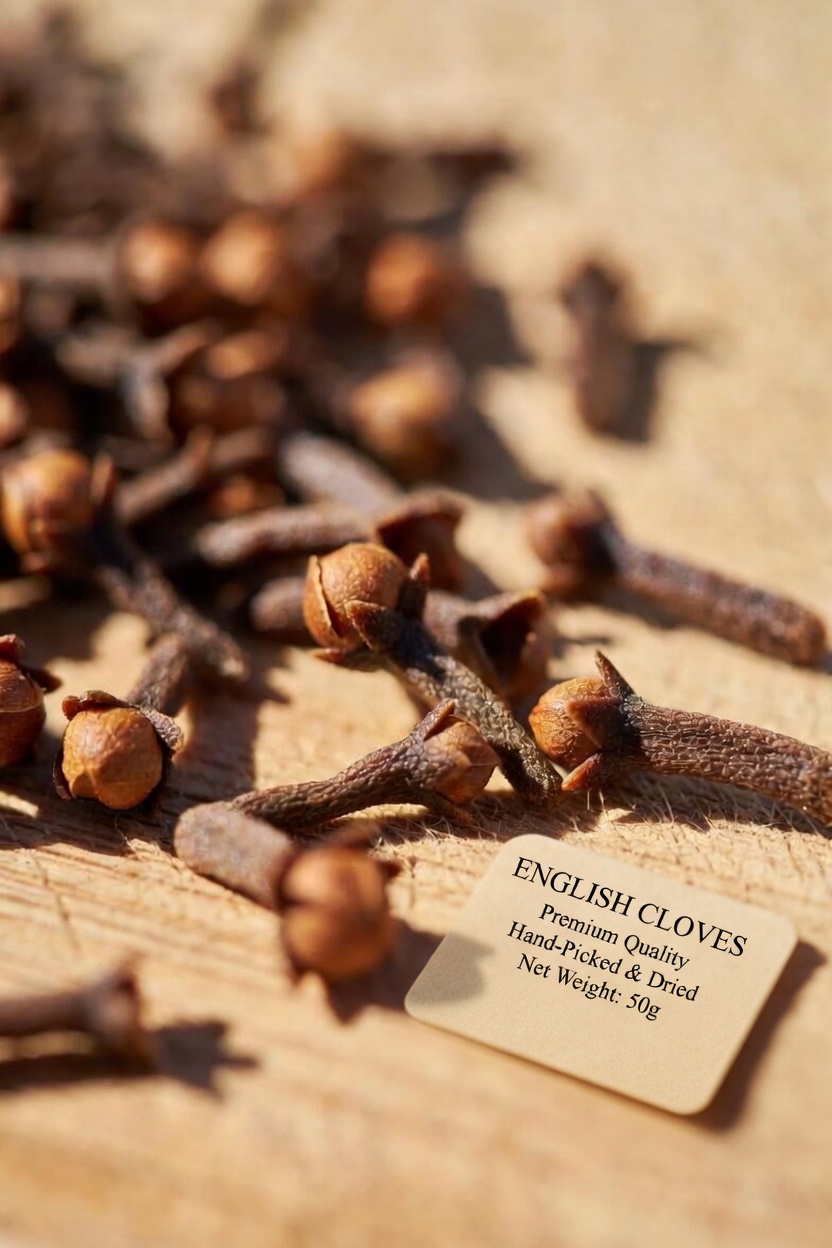
Cloves are the dried flower buds of the Syzygium aromaticum tree. They have been used for generations in both culinary traditions and wellness practices. Their standout feature is their concentration of active plant compounds, especially eugenol, which makes up a large portion of clove essential oil.
Cloves are especially well known for their high antioxidant content. Research has identified them as one of the richest antioxidant spices, thanks to their abundance of polyphenols and other protective compounds. These substances help counter free radicals, which are unstable molecules associated with everyday cellular stress.
Comparative lab studies have even ranked cloves very highly for antioxidant power, often ahead of many fruits and vegetables in neutralizing oxidative stress.
In addition to that, cloves also contain natural antimicrobial compounds, which is one reason they are frequently mentioned in conversations about overall wellness.

Natural Support Against Oxidative Stress
One of the most studied benefits of cloves is their role in helping the body manage oxidative stress. Antioxidants such as eugenol and other phenolic compounds help reduce the impact of free radicals on cells.
Studies consistently suggest that diets rich in antioxidant-containing foods may support long-term cellular health. Cloves are notable because their polyphenol levels are particularly concentrated compared with many other spices.
Using small amounts regularly may be a simple way to add antioxidant support to your day, especially when combined with a nutrient-rich diet that includes fruits, vegetables, legumes, and whole foods.
Cloves and Oral Comfort
Cloves have a long-standing reputation in oral care. Traditionally, they have been used to ease minor discomfort in the mouth, and modern research offers some explanation for this use.
Eugenol has mild numbing properties, which may help soothe temporary oral irritation. It also has antibacterial effects, which may support a cleaner oral environment.
Many people turn to cloves when dealing with occasional tooth sensitivity or mild gum discomfort. Common traditional methods include gently chewing a whole clove or using cloves in a warm rinse. While not a replacement for dental care, cloves may complement habits like brushing and flossing.
If you experience mild oral discomfort from time to time, this may be one practical area to explore carefully.
Digestive Comfort and Gut Support
Another commonly discussed benefit of cloves is digestive support. Their natural compounds may encourage digestive enzyme activity and help reduce occasional bloating or gas, especially after heavier meals.
Some research also suggests that the antimicrobial properties of cloves may help support a healthier gut environment. This is one reason cloves are often included in spice blends used in savory dishes and teas.
For simple everyday use, adding cloves to meals or hot drinks may offer gentle digestive support without requiring major lifestyle changes.
Other Potential Benefits Being Studied
Researchers have also examined cloves in several other areas of wellness. While the evidence is still developing, these findings have drawn growing interest.
1. Blood Sugar Support
Early studies on clove extracts suggest they may help support healthier glucose control after meals. This may be related to improved insulin sensitivity. While stronger effects are usually seen in controlled research settings, moderate use of whole cloves may still provide a small supportive benefit.
2. Liver Health
Animal and laboratory research indicates that eugenol may help protect liver function by lowering certain forms of stress. However, more human studies are needed before strong conclusions can be made.
3. Inflammation Balance
Eugenol also appears to have anti-inflammatory properties. This may help the body regulate normal inflammatory responses in everyday life, as shown in several experimental models.
Because much of the current evidence comes from lab research, animal studies, and limited human trials, more investigation is still needed.
Quick Summary of Possible Supportive Effects
Here is a simple overview of where cloves may be helpful:
- Strong antioxidant activity that helps combat free radicals
- Antimicrobial properties that may support oral and digestive wellness
- Mild digestive support after meals
- Possible support for blood sugar balance
- Broader wellness benefits linked to natural plant compounds
How to Use 2 Cloves a Day Safely
If you want to try cloves as a daily habit, keep it simple and start with a small amount. Pay attention to how your body responds.
Step-by-step approach
-
Choose good-quality cloves
- Buy whole dried cloves from a trusted source.
- Look for cloves that are dark brown, fragrant, and intact.
-
Try chewing them after meals
- Place 1 to 2 whole cloves in your mouth after eating.
- Chew gently for a few minutes.
- You can then swallow them or discard them.
- If the flavor feels too strong, begin with one clove.
-
Make clove tea
- Steep 2 cloves in hot water for 5 to 10 minutes.
- Add lemon or honey if desired.
- Drink once a day.
-
Use them in food
- Grind a small amount into rice, soups, stews, or baked dishes.
- This is an easy way to enjoy their flavor and potential benefits.
-
Test it for 7 days
- Use cloves consistently for one week.
- Notice any changes in digestion, oral comfort, or overall energy.
-
Keep the amount moderate
- Stay with 1 to 2 cloves per day.
- Taking more does not necessarily improve results.
For best results, combine this habit with a healthy diet, enough water, regular movement, and good sleep.

Safety Considerations to Keep in Mind
Cloves are generally considered safe when used in normal food amounts. However, large quantities or concentrated forms such as clove oil may cause unwanted effects.
Possible mild side effects may include:
- Mouth irritation
- Stomach discomfort
- Digestive upset if too much is consumed
Extra caution is important for people who:
- Take blood-thinning medication
- Have bleeding disorders
- Struggle with low blood sugar
- Are preparing for surgery
This is because eugenol may influence blood clotting and glucose regulation. People who are pregnant or breastfeeding should also consult a qualified healthcare professional before using cloves regularly in larger-than-culinary amounts.
As a general rule, whole cloves in small amounts are a safer option than extracts or essential oils.
Final Thoughts
Using just two cloves a day is a simple and natural way to add more antioxidant-rich plant compounds to your routine. From digestive ease and oral comfort to broader wellness support, cloves offer a range of potential benefits that continue to attract scientific interest.
They are not a miracle cure, but small daily habits can make a meaningful difference over time. If you are curious, try a mindful 7-day trial and see how your body responds.
Frequently Asked Questions
Can I chew cloves every day?
Yes, most people tolerate 1 to 2 whole cloves per day without problems when used as part of a normal diet. Still, it is wise to watch for any sensitivity and speak with a healthcare provider if you have medical conditions or take medication.
When is the best time to take cloves?
After meals is often the most practical time, especially if you want digestive or oral support. You can also drink clove tea in the morning for an antioxidant-rich start. Consistency matters more than the exact time of day.
Are whole cloves different from clove oil?
Yes. Whole cloves are milder and generally safer for regular culinary use. Clove oil is highly concentrated and carries a greater risk of side effects, so it should not be used internally without professional guidance.