
Why Trying 2 Cloves a Day for 7 Days May Support Everyday Wellness
Many people deal with common wellness concerns such as occasional digestive upset, sluggish energy, or the desire to better support the body’s natural defenses. Over time, these small issues can leave you feeling less balanced and not quite at your best. The encouraging part is that simple habits, including adding nutrient-dense spices to your routine, may provide gentle support for overall health.
This article explores what may happen when you eat 2 cloves a day for 7 days. You’ll also find practical guidance on how to try this habit safely and make it work effectively in daily life.
What Are Cloves and What Makes Them Unique?
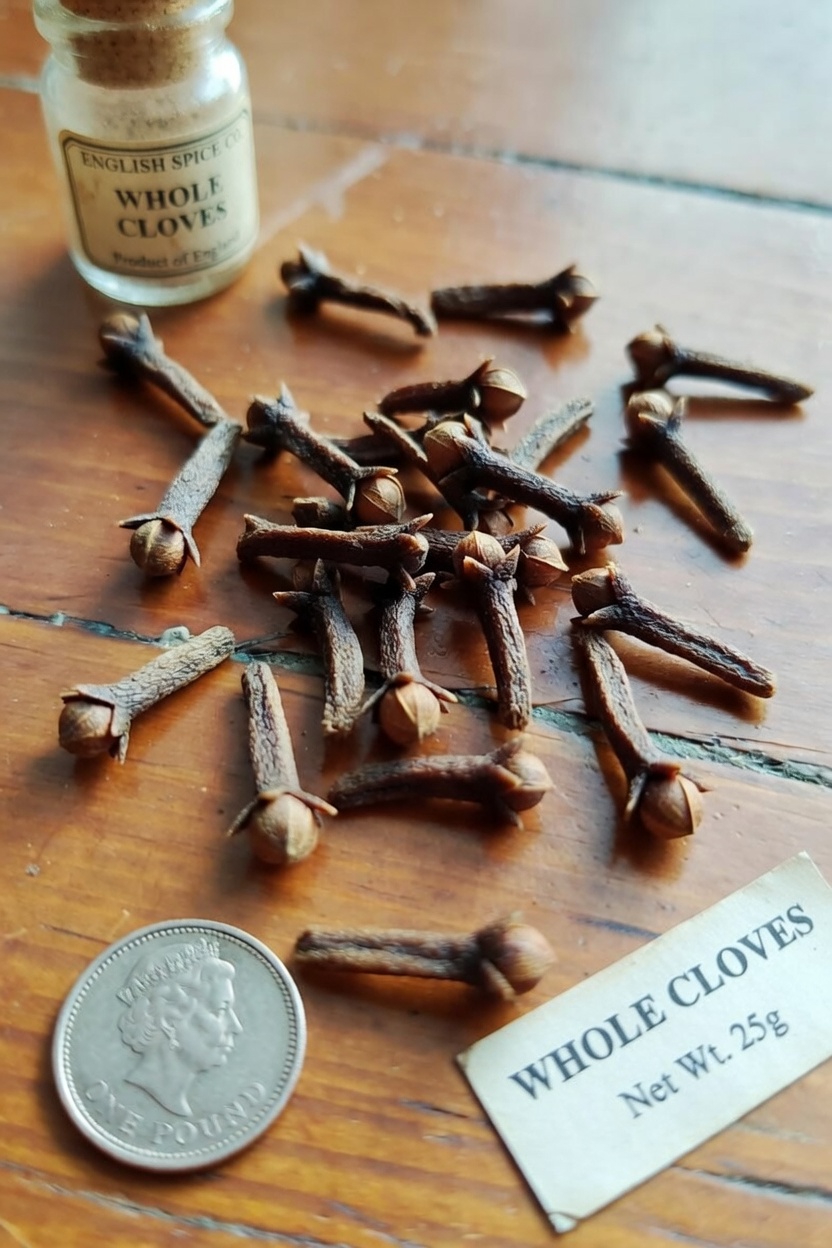
Cloves are the dried flower buds of the Syzygium aromaticum tree. They have been valued for centuries in cooking and traditional wellness practices. Their standout feature is their rich supply of active plant compounds, especially eugenol, along with antioxidants such as flavonoids and phenolic acids.
Studies identify cloves as one of the most antioxidant-rich spices available in nature. Research suggests they rank very high in their ability to fight oxidative stress, an important factor in maintaining everyday health.
Cloves are also known for compounds that may help support a healthy inflammatory response, which can be useful when the body faces daily stress.

Key Clove Compounds That May Promote Well-Being
Eugenol is the main active compound in cloves and makes up a significant portion of their essential oil. It is linked to several supportive properties, including:
- Strong antioxidant action
- Possible anti-inflammatory benefits
- Antimicrobial effects against certain bacteria
Cloves also provide manganese, a mineral that plays a role in enzyme activity and bone health, along with small amounts of nutrients such as vitamin C.
When consumed regularly in small quantities, these compounds may work together to help the body maintain balance.
Potential Benefits of Eating Cloves, According to Research
Cloves are commonly used in food and are generally well tolerated in modest amounts. Here is what research suggests about their possible benefits when used consistently in small doses.
1. Antioxidant Support
Cloves contain more antioxidants than many commonly eaten fruits and vegetables. These compounds help neutralize free radicals, which supports cell health and may reduce the long-term effects of oxidative damage.
2. Support for Healthy Inflammation Levels
Laboratory and animal studies suggest that eugenol may help reduce inflammatory activity. While more human studies are needed, this points to a possible role for cloves in supporting the body’s response to everyday inflammation.
3. Digestive Comfort
Some early evidence indicates that cloves may help soothe the stomach lining and support digestion. In traditional use, they are often associated with relief from occasional bloating or mild indigestion, and regular small amounts may help maintain digestive comfort.
4. Blood Sugar Support
Preliminary studies, including limited human research, suggest cloves may help support steadier blood sugar after meals. One study reported modest improvements from clove extract, though the effects were not dramatic and may vary from person to person.
5. Oral Health Benefits
Chewing cloves releases eugenol, which has natural antibacterial properties. This may help freshen breath and support gum comfort as part of a simple oral care routine.
6. Liver and General Protective Effects
Animal studies suggest eugenol may support liver function by reducing certain forms of stress. The antioxidant content of cloves may also offer gentle protection for important organs.
Quick Summary of Possible Benefits
Here is a simple overview of the potential effects of adding cloves to your routine:
- Rich in antioxidants for daily protection
- May help ease mild inflammation
- Supports digestive comfort
- Could assist with blood sugar balance in some individuals
- May freshen breath and support oral wellness
- Offers possible liver-supportive effects
It is important to remember that these benefits are mostly linked to moderate culinary use or low-dose extracts. Results are usually subtle, not dramatic, and individual experiences can differ.
How to Eat 2 Cloves a Day Safely
If you want to test this habit, especially in the evening, follow a simple and cautious approach:
- Choose whole dried cloves from a reliable source to ensure freshness and quality.
- Begin with just 1 clove to check how your body responds.
- If you feel comfortable, increase to 2 cloves daily.
- Chew them slowly before bed, or soak them in warm water for 10 to 15 minutes and drink the infused water.
- If the flavor feels too intense, you can spit them out after chewing instead of swallowing.
- Drink a glass of water afterward to support hydration and digestion.
- Pay attention to how you feel during the week, including changes in digestion, energy, or sleep quality.
Many people also enjoy this as a calming nightly ritual, since the warm aroma of cloves can feel relaxing.
What You Might Notice After 7 Days
People who try eating 2 cloves a day for a week usually describe mild, gradual changes rather than immediate dramatic results. Some of the effects you may notice include:
- A calmer stomach after meals
- Fresher breath in the morning
- Slightly more stable energy during the day
- A more relaxed feeling before bedtime
These experiences are mostly anecdotal, but they match the known supportive properties of clove compounds. There are no major studies specifically focused on eating 2 cloves before bed for 7 days, yet the available research does support cloves as a useful addition to a wellness routine.

Safety Notes and Possible Side Effects
In small food-level amounts, cloves are considered safe for most people. However, a few precautions are important:
- Eating too many cloves may irritate the mouth or stomach
- High doses of eugenol may affect blood clotting or interact with certain medications
- Large amounts should be avoided during pregnancy or breastfeeding unless approved by a healthcare professional
- People taking blood thinners should be especially cautious
- Children and anyone with allergies should speak with a healthcare provider before trying this habit
Pay attention to your body and stop using cloves if you notice discomfort or unusual symptoms.
Conclusion: Is This a Simple Habit Worth Trying?
Eating 2 cloves a day for 7 days can be an easy and low-risk way to add antioxidant support to your daily routine. From possible digestive comfort to gentle whole-body wellness benefits, this traditional spice may be worth exploring.
Try it with awareness and see whether it fits naturally into your lifestyle. Small, consistent habits often create the most meaningful long-term results.
FAQ
Can I eat cloves every night for a long time?
Yes, in moderation, such as 1 to 2 cloves per day, cloves are generally well tolerated when used as part of food or tea. If you plan to continue for a longer period, monitor for any irritation and consult a healthcare professional if needed.
Is chewing whole cloves better than using clove powder?
Whole cloves release their active compounds gradually when chewed, which may be helpful for breath freshness and oral comfort. Clove powder can also be useful in tea or recipes. In small amounts, both forms offer similar general benefits.
Can cloves improve sleep?
Cloves are not a sleep remedy, but their soothing aroma and possible digestive support may help you relax at night. For better rest, combine this habit with healthy sleep practices such as reducing bright light before bed.