
Baking Soda Water for Occasional Digestive Relief: Benefits, Uses, and Safety
Many people experience digestive discomfort from time to time after eating. A heavy stomach, bloating, or mild heartburn can make meals less enjoyable and interfere with everyday comfort. When these symptoms show up repeatedly, it is natural to look for a simple and natural remedy that may help.
One option that often comes up is baking soda water. Baking soda, also known as sodium bicarbonate, can be mixed with water to create an alkaline solution. Because of its ability to react with stomach acid, it has become a widely discussed home remedy for temporary relief.
This article explains how baking soda water works, what research says about its possible benefits, and what precautions you should keep in mind before adding it to your routine.

What Is Baking Soda and How Does It Work in the Body?
Baking soda is a white powder commonly used in baking and household tasks. Chemically, it is sodium bicarbonate. Once dissolved in water, it forms an alkaline mixture that can help counteract acidity.
That acid-neutralizing effect is the main reason sodium bicarbonate is used in many antacid products. Scientific evidence shows that it acts as a buffer, helping regulate acidity levels in certain body fluids. In the stomach, this means it can briefly reduce excess acid, which may ease occasional indigestion for some individuals.
Health authorities and medical reviews have noted that this buffering action supports its inclusion in FDA-approved antacids intended for short-term relief.
Research-Based Benefits of Baking Soda Water
Baking soda water is not a universal solution, but research does support a few practical uses in daily life.
1. Temporary Relief for Indigestion and Heartburn
One of the best-known benefits of sodium bicarbonate is its ability to provide fast, short-term relief from indigestion and heartburn. It works by neutralizing stomach acid, which may reduce the burning or heavy sensation that sometimes follows spicy, rich, or oversized meals.
Sources such as Mayo Clinic and WebMD suggest that sodium bicarbonate can be effective for occasional symptoms when taken in small amounts and used correctly. Some people notice relief within minutes.
However, ongoing heartburn or frequent digestive symptoms should not be ignored. Persistent discomfort may signal an underlying issue that needs medical attention.

2. Support for High-Intensity Exercise Performance
Sodium bicarbonate is also used by some athletes and fitness enthusiasts. During intense exercise, the body produces acid that can contribute to muscle fatigue. Because sodium bicarbonate increases the body’s buffering capacity, it may help delay that fatigue.
According to research from the International Society of Sports Nutrition, sodium bicarbonate may improve muscular endurance during high-intensity efforts lasting roughly 30 seconds to 12 minutes. This includes activities such as sprint cycling, repeated intervals, and other demanding workouts.
Position statements and studies have reported small but meaningful performance improvements in both single-bout and repeated-effort exercise. In some cases, participants showed better time-to-exhaustion during cycling or running tests.
3. Other Emerging Areas of Interest
Some studies are exploring whether sodium bicarbonate may offer benefits beyond digestion and sports performance. For example, a 2018 study suggested it might help promote an anti-inflammatory response in certain settings. Other research has examined its use in kidney-related care, where it can help manage acid levels under medical supervision.
That said, these findings are still developing. They should not be taken as a reason for routine daily use without professional advice.
How to Make Baking Soda Water Safely
If you want to try baking soda water for occasional digestive support or for exercise-related purposes, use it carefully and in small amounts.
Basic preparation steps
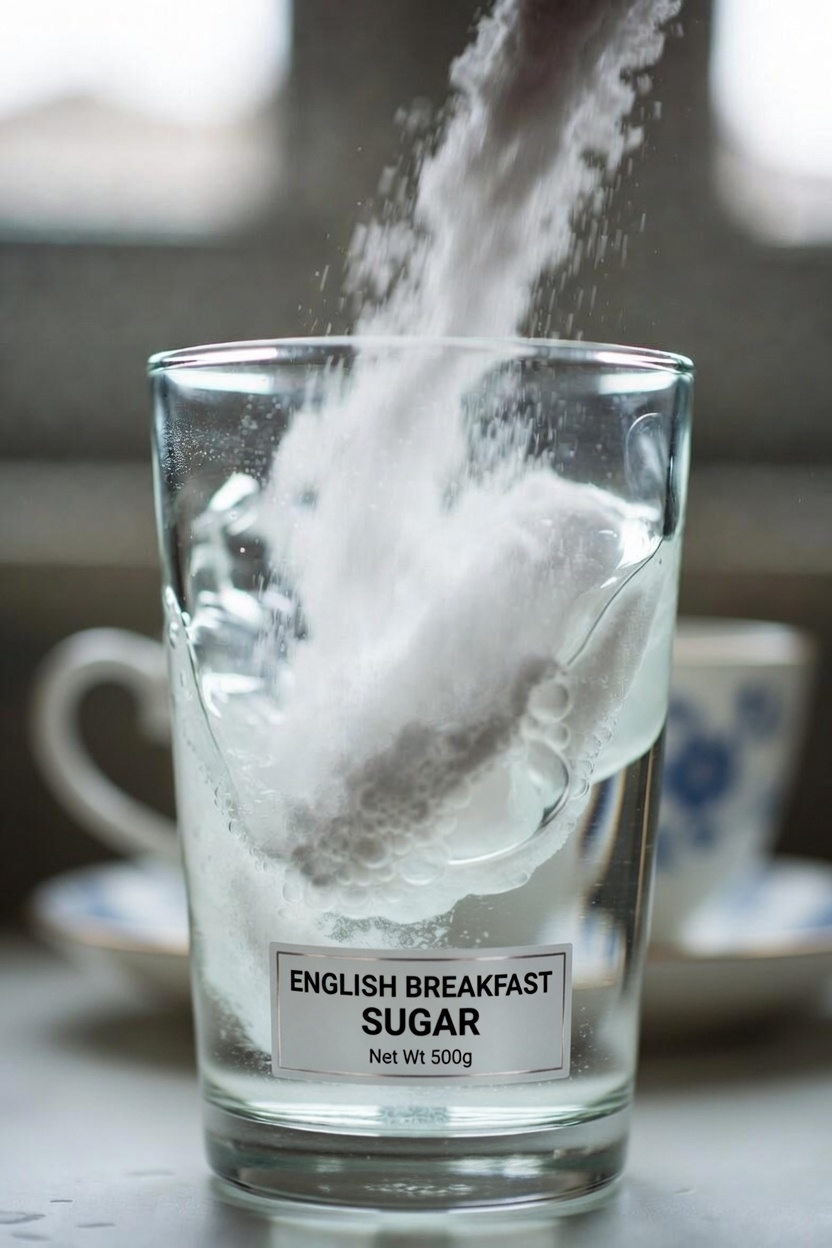
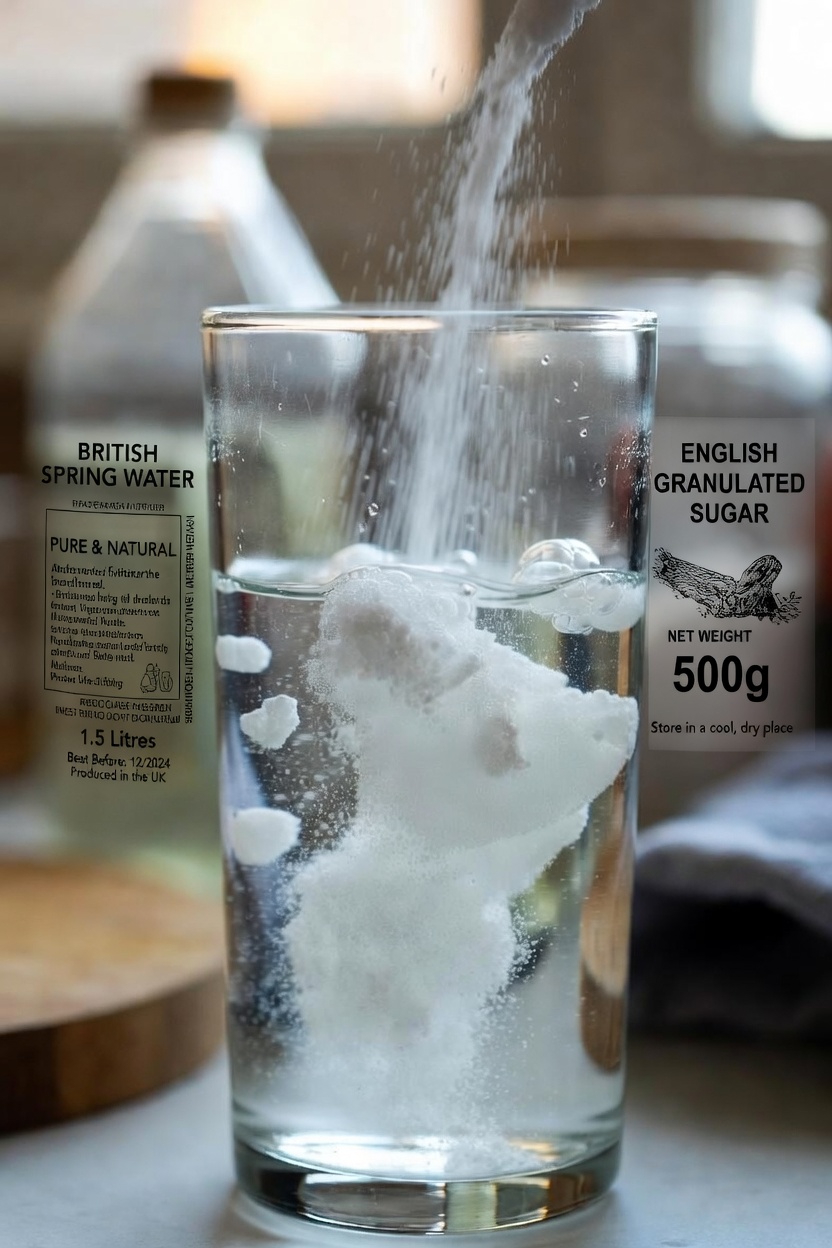
- Dissolve 1/4 to 1/2 teaspoon of baking soda in a full glass of water, about 8 to 12 ounces.
- Stir until the powder is completely dissolved.
- Drink it slowly rather than all at once.
- For digestion, take it preferably after a meal.
- For exercise support, it is often used 60 to 180 minutes before intense activity.
- Use it only from time to time, not as a long-term habit.
- Drink enough plain water during the day to stay hydrated.
Always choose food-grade baking soda and avoid taking more than small recommended amounts.
Risks and Side Effects to Consider
Although baking soda water can be safe in moderation, it is not free of side effects. Even small amounts may cause discomfort in some people.
Common side effects
- Bloating
- Gas
- Mild stomach upset
- Nausea
- Belching
These effects often happen because the reaction between sodium bicarbonate and stomach acid produces carbon dioxide.
More serious concerns
Using too much baking soda, or using it too often, may lead to bigger problems such as:
- Electrolyte imbalance
- Changes in acid-base balance
- Excess sodium intake
- Increased fluid retention
- Possible effects on blood pressure
Because of its sodium content, baking soda water may not be suitable for everyone.
Who should avoid it?
It is generally not recommended for:
- People with high blood pressure
- Individuals with kidney problems
- Those with heart conditions
- Anyone following a sodium-restricted diet
- Children
- Pregnant individuals
- People considering long-term use without medical supervision
For many people, stomach discomfort from the drink itself is also a reason not to use it regularly.
Baking Soda Water vs. Other Digestive Remedies
If you are comparing options for digestive comfort, baking soda water has both strengths and limitations.
How it compares
-
Baking soda water
- Works quickly
- Low cost
- Best for occasional use
- High in sodium
-
Over-the-counter antacids
- Similar acid-neutralizing action
- Often easier to dose
- Some versions contain less sodium
- Available in flavored or chewable forms
-
Ginger tea or peppermint
- Natural and soothing
- May help with mild digestive discomfort
- No significant sodium load
-
Probiotic foods
- Better for long-term gut support
- Do not provide immediate acid relief
For exercise performance, some people look at alternatives such as beta-alanine or citrulline, which may offer similar buffering-related support with fewer gastrointestinal side effects.
Key Takeaways
Baking soda water is a simple and inexpensive option that may help with occasional indigestion and may also support high-intensity exercise performance. Its main advantage comes from its buffering effect, which can temporarily reduce acidity in the stomach or help the body manage acid buildup during demanding exercise.
Still, moderation matters. Taking too much or using it too often can increase the risk of side effects and health complications.
Pay attention to how your body responds. If symptoms feel unusual or worsen, stop using it and speak with a healthcare professional. In many cases, basic habits like eating more mindfully, avoiding trigger foods, and staying active can support lasting digestive comfort without extra remedies.
FAQ
Is it safe to drink baking soda water every day?
No. Daily use is not advised because of the sodium content and the risk of side effects. It is better reserved for occasional situations.
Can baking soda water support long-term health goals?
Current evidence does not strongly support broad long-term health benefits for general use. For lasting wellness, focus on balanced nutrition, healthy habits, and professional guidance when needed.
What should I do if I have side effects after trying it?
Stop using it right away. If symptoms continue or you notice severe discomfort or unusual reactions, seek medical advice promptly.