
Cardamom: A Simple Spice with Surprising Benefits for Digestion, Breath, and Everyday Comfort
Feeling heavy, bloated, or sluggish after meals is extremely common. Add in occasional bad breath and mid-afternoon energy dips, and even normal days can feel more draining than they should. One traditional spice, cardamom (Elettaria cardamomum), is gaining research interest for its potential to support digestion, fresh breath, and overall comfort when used regularly within a healthy lifestyle.
This guide looks at what current evidence says about cardamom’s active compounds and offers easy, practical ways to use it daily. You’ll also find a simple 30-day routine at the end to help you try it consistently.

Why Cardamom Is Different from Other Spices
Cardamom pods are rich in bioactive compounds such as 1,8‑cineole, terpinyl acetate, and various antioxidants. Scientific studies suggest these components may positively influence several health markers.
Research, including systematic reviews and meta-analyses of randomized controlled trials, has investigated cardamom’s role in:
- Inflammatory response
- Blood pressure support
- Metabolic health factors
For instance, a 2023 meta-analysis reported that cardamom intake was associated with reductions in certain inflammatory markers (including hs‑CRP, IL‑6, and TNF‑α) and modest improvements in both systolic and diastolic blood pressure in adults.
Another review pointed to potential benefits for lipid profiles, with some clinical trials noting:
- Lower total cholesterol
- Decreased triglyceride levels
These results come from human studies, though outcomes vary depending on dose, length of use, and individual health status. Traditional systems like Ayurveda have long used cardamom to ease digestive discomfort, which aligns with several modern observations.
On top of that, cardamom’s aromatic flavor and scent make it one of the most enjoyable spices to include every day.
How Cardamom May Support Digestion and Gut Comfort
Digestive discomfort after eating—such as gas, fullness, or bloating—is a frequent concern. Cardamom’s key constituents, especially cineole, are thought to help:
- Relax smooth muscles in the digestive tract
- Stimulate digestive secretions and enzymes
This understanding comes from traditional usage as well as preliminary animal and in vitro (lab) research.
Although large-scale human trials specifically on bloating are still limited, experimental studies suggest cardamom may have gastroprotective effects, including:
- Reduced oxidative stress in the stomach lining
- Potential support for the integrity of the digestive tract
Many people anecdotally report feeling lighter and more comfortable after incorporating cardamom into meals, teas, or after-meal routines.
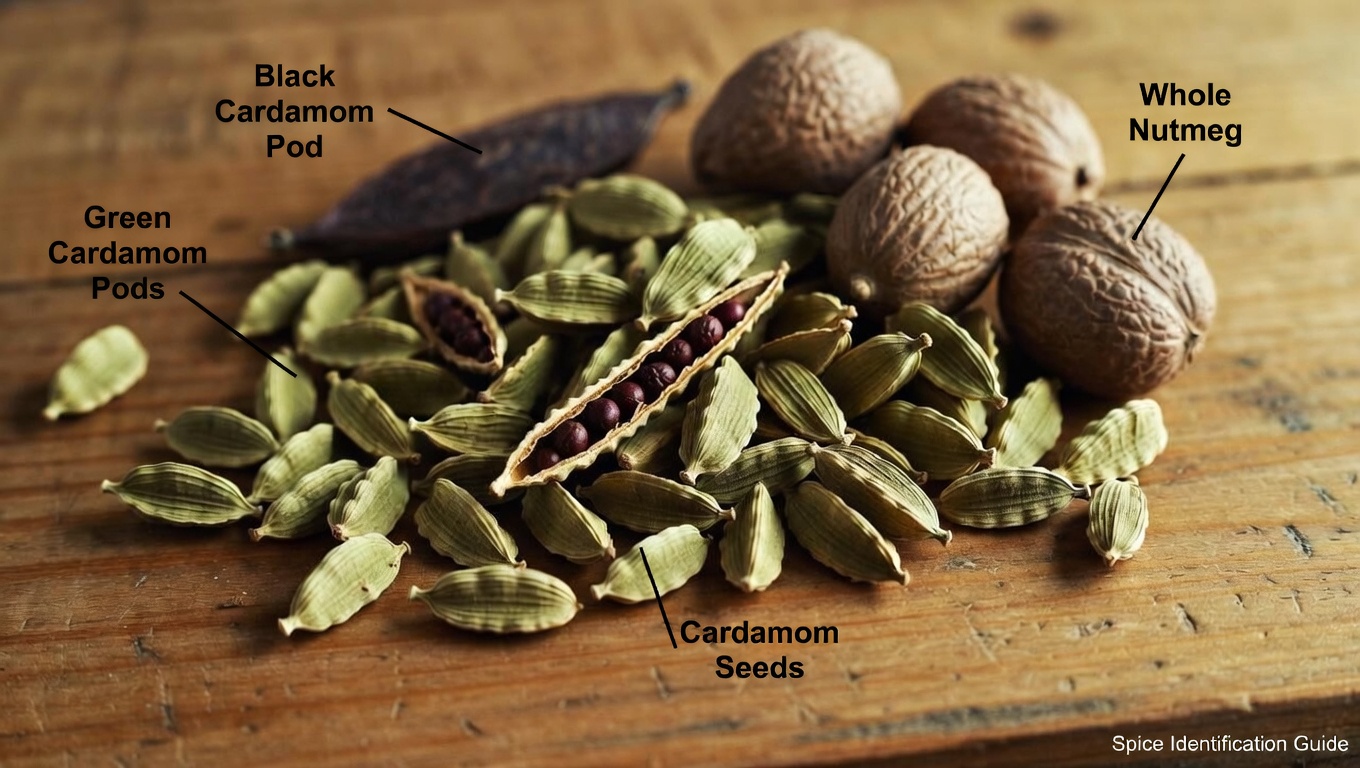
Practical idea: After eating, chew 1–2 cardamom seeds from a pod. The natural fibers and essential oils can provide both a mild mechanical effect on digestion and a soothing aromatic experience.
Natural Breath Freshening with Cardamom
Everyday habits, certain foods, and oral hygiene gaps can all contribute to bad breath. Cardamom’s essential oils have demonstrated antibacterial activity in lab settings against some oral pathogens, including bacteria associated with unpleasant odors.
Some research on cardamom extracts has shown:
- Inhibition of growth of specific oral microbes
- Potential as a natural option to support fresher breath
How to use for breath:
- Lightly crush one cardamom pod and chew the seeds for 1–2 minutes.
- Alternatively, steep crushed seeds in warm water and use as a gentle mouth rinse (do not swallow if you’re using it as a rinse only).
Possible Support for Blood Sugar and Blood Pressure Balance
Steady energy levels are closely tied to metabolic health, including blood sugar control and vascular function. Several clinical studies suggest that cardamom may:
- Help moderate post-meal blood glucose responses
- Support healthy blood pressure levels in some individuals
A narrative review on cardamom and metabolic syndrome components noted:
- Improvements in certain insulin sensitivity markers
- Better lipid balance (such as cholesterol and triglycerides) in specific groups
In one study involving people with prediabetes, taking 3 grams of cardamom daily was linked to favorable changes in cholesterol-related measures.
These findings are best viewed as supportive, not curative. Cardamom is a complementary spice, not a replacement for prescribed medication or medical care.
Other Areas of Research Interest
Emerging evidence points to several additional potential benefits of cardamom, though many areas still require larger, high-quality human trials:
-
Inflammation and oxidative balance:
Meta-analyses associate cardamom with reductions in inflammatory markers, which may contribute to overall wellness and resilience. -
Liver and detoxification support:
Animal studies show protective effects on liver enzymes and antioxidant capacity, suggesting possible support for liver health. -
Mood and relaxation:
The aroma of cardamom essential oil has been explored in aromatherapy for its calming and uplifting effects. Human evidence is still limited, but early findings are promising.
Laboratory research also points to antimicrobial and protective properties against certain pathogens, though more clinical work is needed before drawing firm conclusions.
How Cardamom Compares to Other Wellness Spices
Cardamom is often used alongside other well-known functional spices. Here’s a quick comparison:
-
Ginger:
Famous for easing nausea and motion sickness. Cardamom may not be as strong for nausea, but offers added breath-freshening and a delicate floral aroma. -
Cinnamon:
Widely studied for supporting healthy blood sugar and insulin response. Cardamom has a softer, sweeter flavor and pairs well with cinnamon in drinks and desserts. -
Turmeric:
Known for its powerful anti-inflammatory and antioxidant effects (largely due to curcumin). Cardamom is gentler on the stomach and often more palatable for daily use.
Many people prefer cardamom for its pleasant taste, versatility, and the way it fits seamlessly into both sweet and savory dishes.
Simple Ways to Use Cardamom Every Day
Here are practical, easy-to-implement ideas for adding cardamom to your routine:
-
Morning cardamom tea
Steep 2–3 lightly crushed cardamom pods in hot water for 5–10 minutes. Add honey or lemon if you like. This can be a soothing start to the day. -
After-meal seed chew
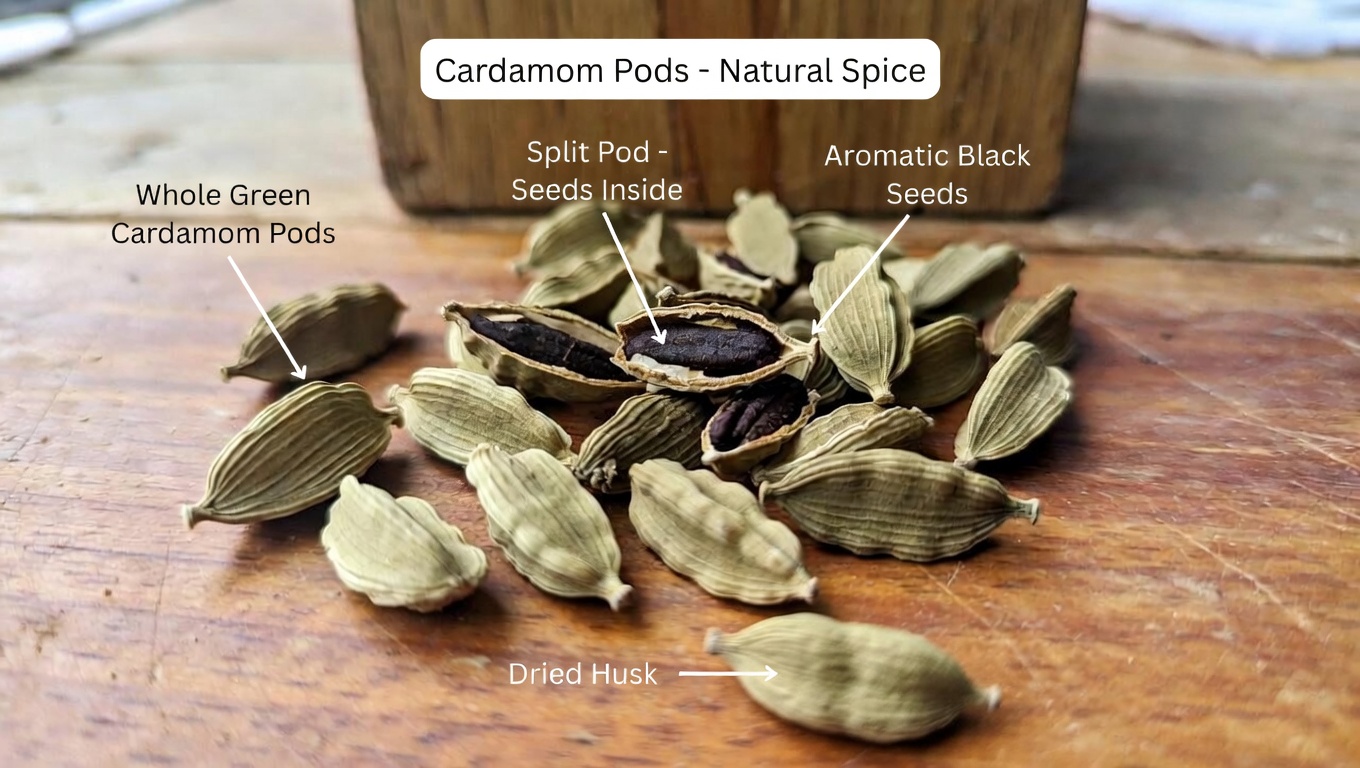
Keep a small container of pods with you. After lunch or dinner, open a pod and chew 1–2 seeds slowly. -
Enhance coffee or smoothies
Add about ¼ teaspoon of ground cardamom to coffee grounds before brewing, or blend it into smoothies for a fragrant twist. -
In everyday cooking
Use cardamom in rice dishes, curries, stews, or baked goods. It pairs well with dairy, grains, and many fruits, helping create meals that feel lighter and more digestible. -
Aromatherapy-style inhale
Crush a pod between your fingers and inhale deeply for 30–60 seconds. Many people find the aroma both comforting and refreshing.
Start with small amounts and pay attention to how your body responds.
A Simple 30-Day Cardamom Routine to Try
If you want to explore cardamom’s potential benefits consistently, this four-week plan can help you ease in:
-
Week 1: After-meal trial
- Chew 1–2 cardamom seeds after your main meals.
- Notice any changes in post-meal comfort, bloating, or heaviness.
-
Week 2: Add daily tea
- Continue the after-meal seeds if you like.
- Add 1 cup of cardamom tea per day (morning or evening).
-
Week 3: Use in recipes
- Introduce ground cardamom to at least one dish or drink daily (oats, coffee, yogurt, rice, or baked snacks).
- Adjust the amount to match your taste.
-
Week 4: Combine and adjust
- Mix and match the methods that work best for you: chew seeds, sip tea, and cook with cardamom.
- Reflect on changes in digestion, breath, and general comfort.
Many people notice a subtle but meaningful shift toward feeling more at ease throughout the day when they stick with this routine.
FAQ About Cardamom Use
How much cardamom do studies usually use?
Most clinical trials use around 1–3 grams of cardamom per day, often in powdered form or as whole pods. This roughly corresponds to 2–6 pods daily, depending on size and density.
Is cardamom safe to consume every day?
For most healthy adults, cardamom appears safe in typical food quantities used in cooking and beverages. If you are considering higher, supplement-level doses or have existing medical conditions, it is wise to discuss this with a healthcare professional first.
Can cardamom replace my medications?
No. Cardamom is best considered a supportive dietary spice, not a medication or cure. Always follow your healthcare provider’s instructions for managing any health condition, and view cardamom as a helpful addition to an overall balanced lifestyle.