Are Your Period Cramps Unbearable? Natural Ways to Support Endometriosis Relief
Many women wake up month after month to waves of pelvic pain so intense it can radiate down the legs, trigger nausea, and leave them drained before the day even begins. This isn’t occasional discomfort—it can be a relentless cycle that forces missed workdays, canceled plans, and even self-doubt.
Too often, these warning signs are dismissed as “just bad cramps,” quietly stealing years of quality of life. Here’s the empowering truth: learning what endometriosis is—and recognizing its signals—can be the first step toward getting your life back.
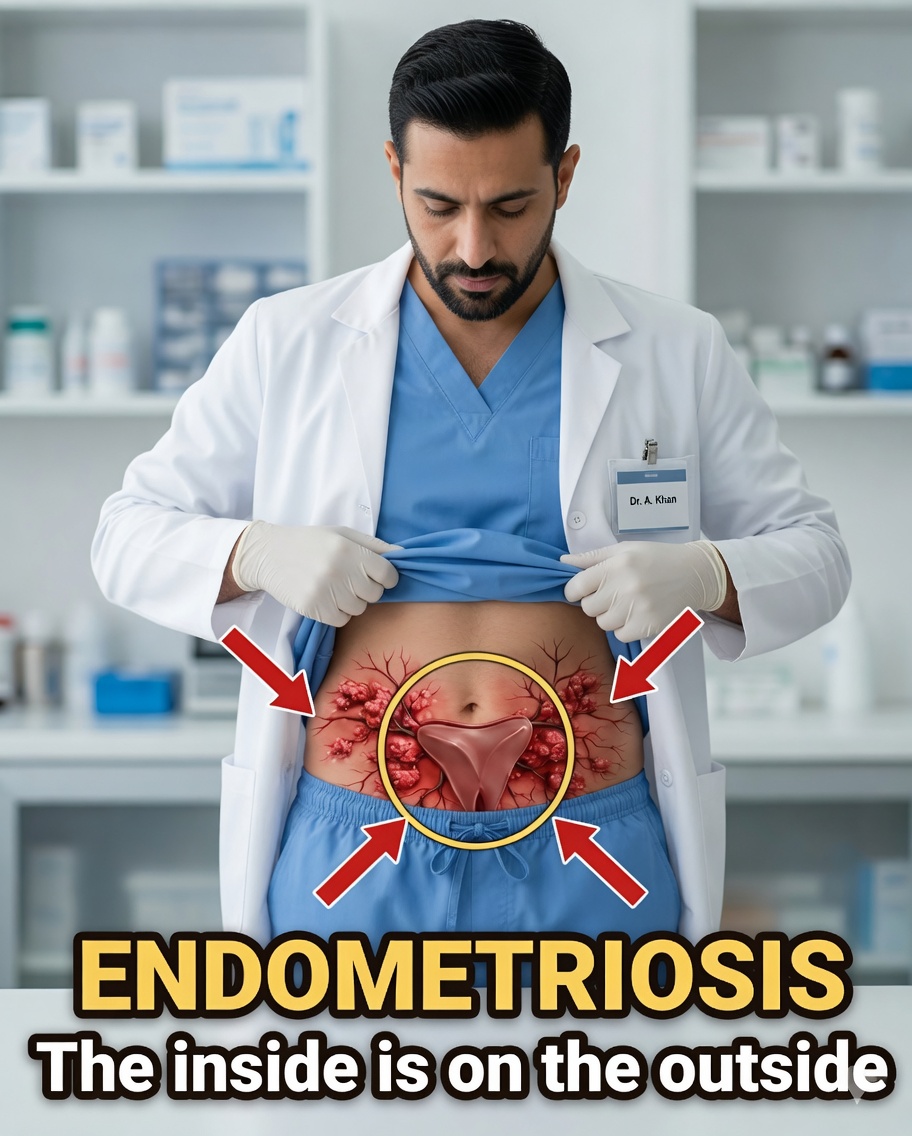
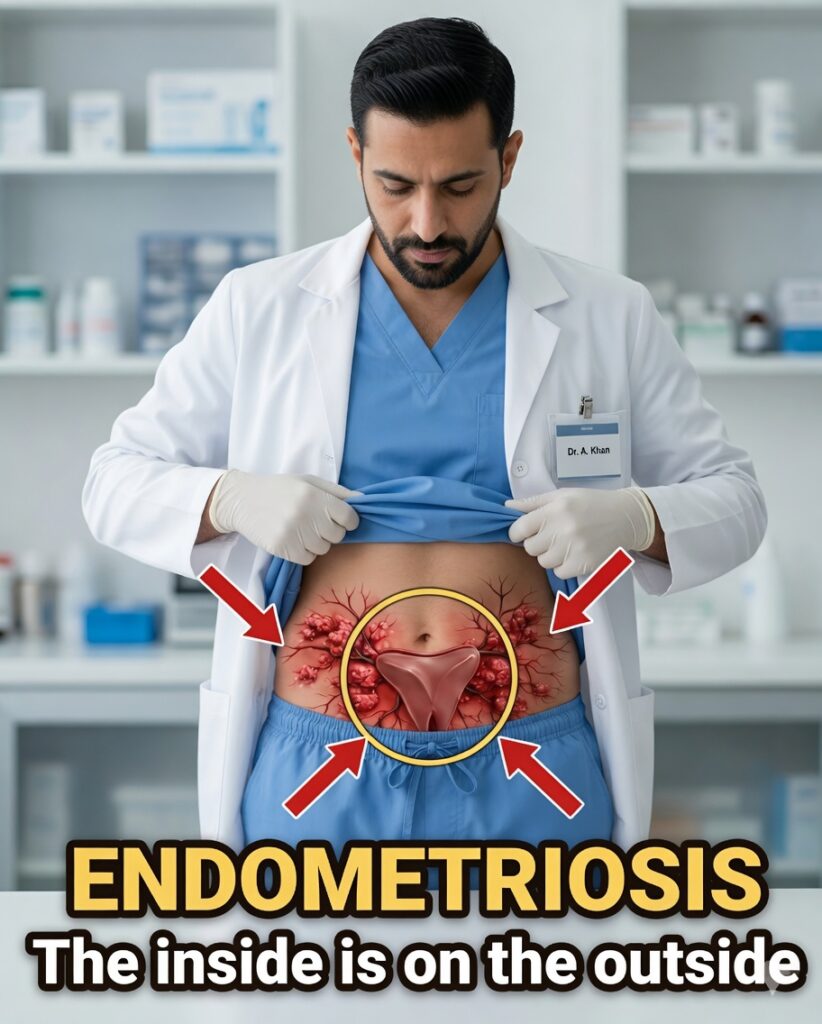
What Exactly Is Endometriosis?
Endometriosis occurs when tissue similar to the uterine lining (endometrium) grows outside the uterus—such as on the ovaries, fallopian tubes, the outer surface of the uterus, and sometimes even the bowel or bladder.
Like the uterine lining, this tissue responds to menstrual hormones: it thickens, breaks down, and bleeds. But because it has nowhere to exit the body, it can lead to inflammation, scarring (adhesions), and severe pain.
Although it’s not talked about enough, endometriosis is more common than many realize—affecting roughly 10% of women of reproductive age worldwide.
Symptoms You Shouldn’t Ignore
A key sign is pelvic pain that goes far beyond typical period cramps. Pain may begin before your period, worsen during menstruation, and linger afterward.
Other common endometriosis symptoms include:
- Heavy or irregular bleeding
- Pain during or after sex
- Pain when having a bowel movement or urinating, especially during your period
- Ongoing fatigue
- Bloating, nausea, and cyclical digestive issues
- Difficulty getting pregnant
An estimated 30% to 50% of women with endometriosis experience fertility challenges. And importantly: this pain is not “in your head.”
Real Stories, Real Impact
Many women spend years seeking answers without a diagnosis. Some faint from pain. Others reorganize their entire lives around their menstrual cycle—planning travel, work, and relationships around the days they expect to suffer.
Often, the first real relief comes when they finally receive an accurate diagnosis—along with the validation that their experience is real and treatable.
What Causes Endometriosis?
There isn’t one single confirmed cause, but several factors may play a role:
- Retrograde menstruation (menstrual flow moving backward into the pelvis)
- Genetic predisposition
- Immune system differences
- Hormonal influences, especially estrogen
One crucial point: it is not your fault. Endometriosis is complex and multifactorial.
Why Early Awareness Matters
When symptoms are ignored, the condition may progress—potentially leading to increased inflammation, more scarring, and greater pain over time. Recognizing signs early can help you seek medical support sooner, begin appropriate treatment, and significantly improve quality of life.
Diagnosis: What to Expect
There is no single simple test that confirms endometriosis in every case. Imaging such as ultrasound or MRI can help identify signs, but the most definitive diagnosis is often made through laparoscopy (a minimally invasive surgical procedure).
A practical first step is to track and document your symptoms carefully—timing, severity, triggers, and how they affect daily life.
Treatment Options for Endometriosis
There is currently no universal cure, but many effective treatments can help manage symptoms and slow progression, including:
- Hormonal therapies
- Surgery to remove endometriosis lesions
- Specialized follow-up with an experienced clinician
Because endometriosis varies widely from person to person, treatment should be individualized.
Natural Strategies That May Help
Alongside medical care, lifestyle and natural approaches may support overall well-being and reduce symptom intensity for some people:
- Anti-inflammatory eating (vegetables, omega-3–rich fish, nuts)
- Reducing ultra-processed foods
- Gentle movement such as walking, yoga, or swimming
- Prioritizing quality sleep and lowering stress
- Warm compresses or heat therapy on the lower abdomen
These strategies don’t replace medical treatment, but they may help you feel more in control and more comfortable.
When Should You Seek Medical Help?
If pain disrupts your routine, sleep, relationships, work, or fertility goals, it’s time to seek professional guidance. Bring a clear symptom record, and don’t hesitate to advocate for yourself—you know your body best.
There Is Hope
Research is moving forward, with improved diagnostic tools and new treatments under study. More healthcare professionals are becoming better trained to recognize endometriosis earlier—meaning fewer years spent searching for answers.
Take Action Today
Small steps can make a meaningful difference:
- Track your symptoms for two cycles
- Schedule an appointment with a gynecologist
- Share this information with other women
- Write down questions to bring to your visit
What you do now can lead to greater relief later.
Conclusion
Endometriosis is real, deeply life-affecting, and should never be minimized. Knowledge is power—when you understand what’s happening in your body, you’re closer to living with less pain and more freedom.
Frequently Asked Questions
Is there a cure for endometriosis?
Not yet. However, symptoms can often be managed effectively with the right treatment plan.
How long does diagnosis usually take?
On average, 7 to 10 years, though proper evaluation and specialist care can shorten this timeline.
Do lifestyle changes really help?
Yes. For many people, healthy nutrition, gentle exercise, and stress management can noticeably improve symptoms.
This content is for informational purposes only and does not replace medical advice. Always consult a qualified healthcare professional for diagnosis and treatment.