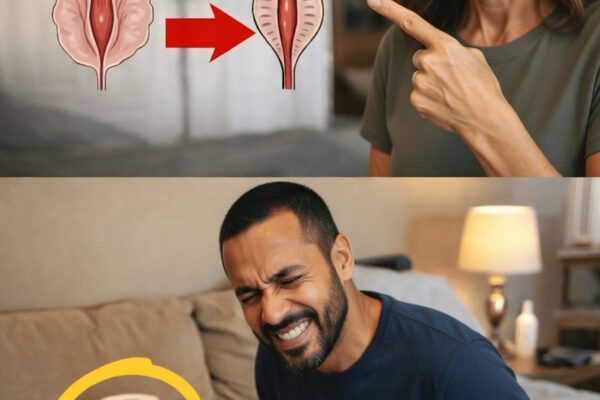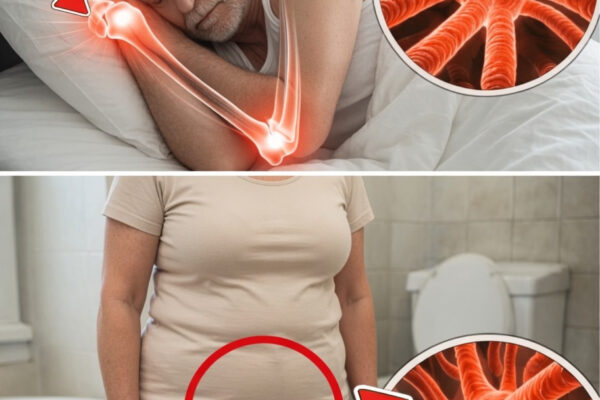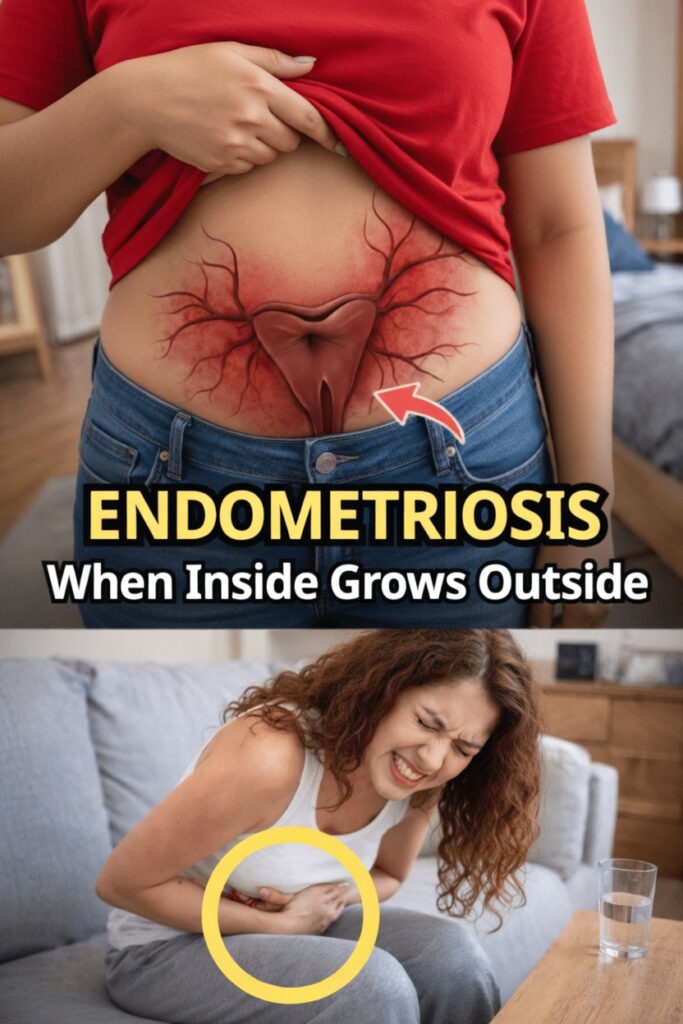
Endometriosis: Signs, Causes, and Everyday Ways to Support Your Well-Being
Every month, millions of women deal with pelvic pain, unusually heavy periods, and ongoing fatigue that interfere with work, routines, and overall quality of life. Because these symptoms are so often normalized, many women assume they are simply part of menstruation. In reality, persistent discomfort can turn everyday tasks into a struggle and leave many feeling alone or unheard.
Learning about one widely experienced yet frequently overlooked condition may help women identify warning signs sooner and make more informed decisions about their health. This guide explains what endometriosis is, how it may appear, and which practical steps can help women feel more prepared and supported.
What Is Endometriosis?
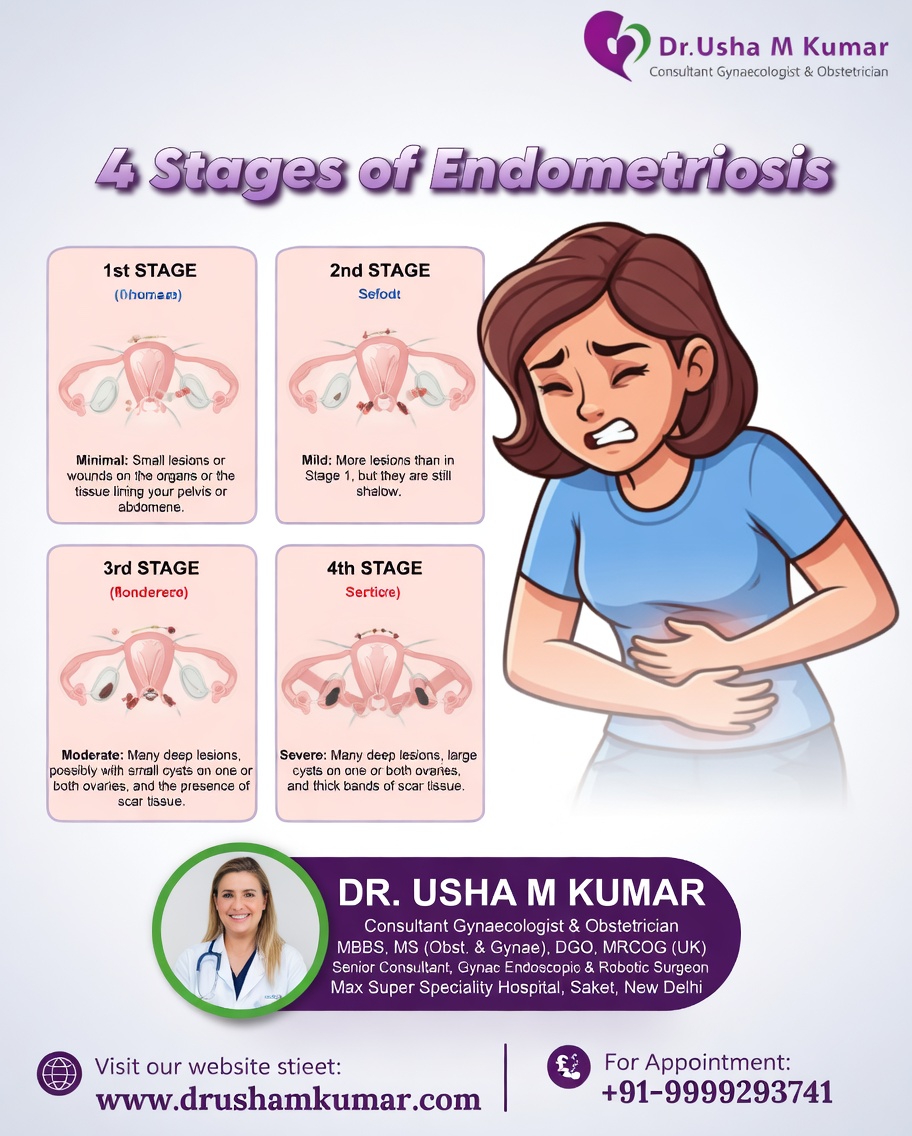
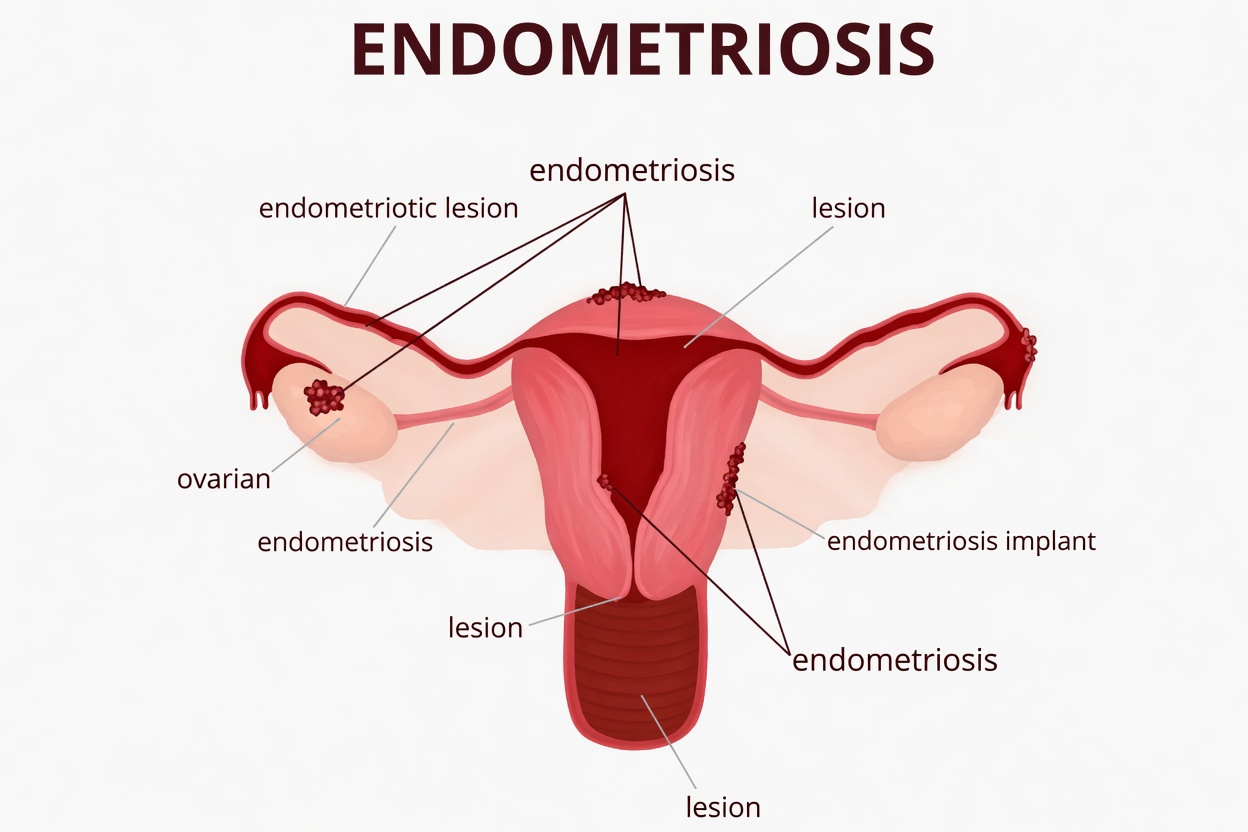
Endometriosis is a condition in which tissue resembling the lining of the uterus begins growing outside the uterus. It may develop on the ovaries, fallopian tubes, or elsewhere within the pelvic area. During the menstrual cycle, this tissue responds to hormonal changes much like the uterine lining does. However, unlike menstrual blood that exits the body, this tissue has no natural way to leave, which may lead to irritation, inflammation, and scar tissue over time.
Experts estimate that endometriosis affects about 10% of women of reproductive age across the world. Even so, many women spend years living with symptoms before the condition is properly recognized by a healthcare professional.
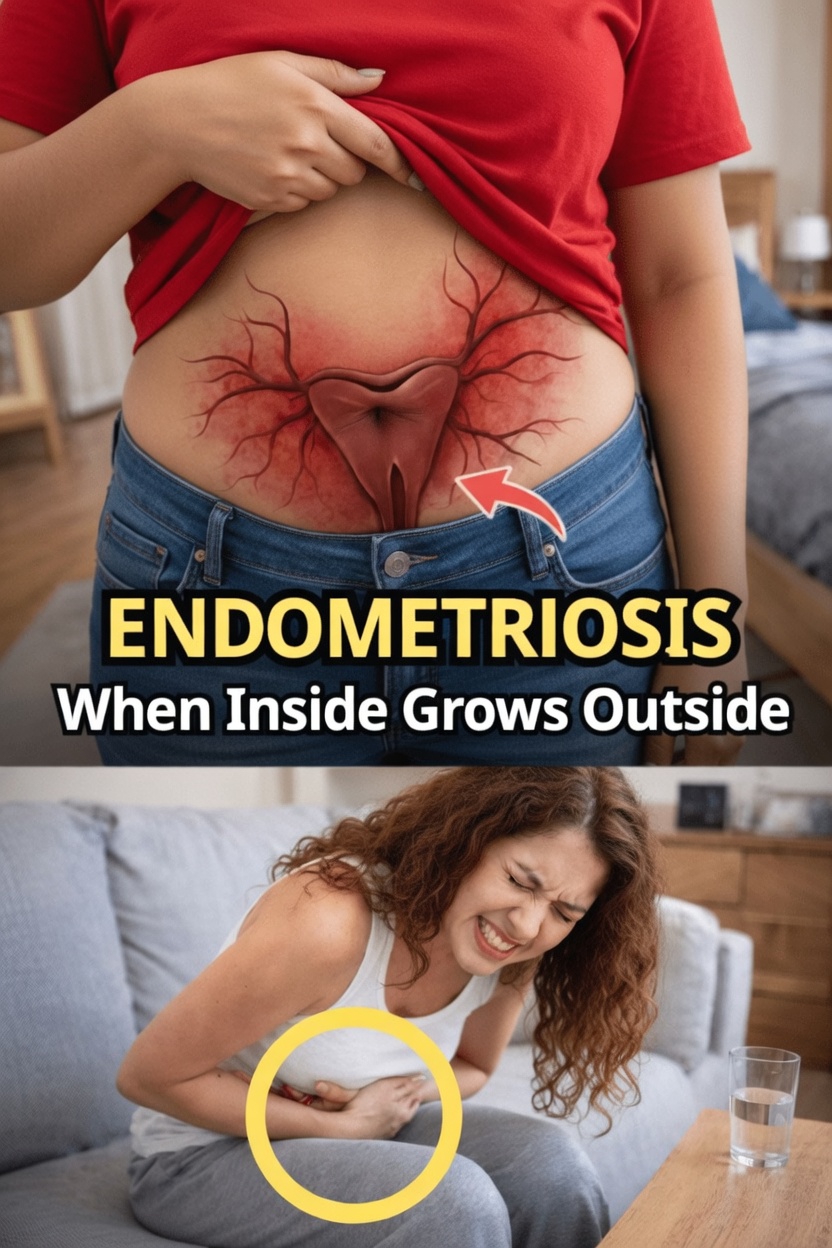
The challenge is that endometriosis does not look the same for everyone. Symptoms can differ greatly from one woman to another, making awareness especially important.
Common Symptoms of Endometriosis
Spotting the signs early may help women better manage their comfort and daily functioning. Common symptoms linked to endometriosis include:
- Pelvic pain that becomes worse around menstruation
- Heavy menstrual bleeding or irregular periods
- Pain during or after sex
- Pain or discomfort when urinating or having bowel movements during a period
- Ongoing tiredness or reduced energy
- Fertility difficulties in some cases
For some women, symptoms are mild and occasional. For others, they can become severe enough to affect work, relationships, and everyday responsibilities.
It is also important to remember that not all women with endometriosis experience every symptom. In some cases, the signs are subtle and easy to miss.
What Causes Endometriosis?
Researchers are still working to fully understand why endometriosis develops. One leading theory is retrograde menstruation, a process in which menstrual fluid flows backward into the pelvic cavity instead of leaving the body normally.
Genetics may also play a role, since endometriosis can run in families. In addition, hormones and immune system activity are believed to influence how the tissue grows and continues responding to monthly cycle changes.
These factors may help explain why symptoms often become more intense during certain parts of the menstrual cycle.
How Endometriosis Can Affect Daily Life
Endometriosis is not limited to physical pain. Many women say it also affects emotional health, social plans, relationships, and job performance. Because symptoms can be unpredictable, planning trips, attending events, or even getting through a workday may feel stressful.
Another common challenge is feeling dismissed by people who do not understand the condition. That lack of understanding can increase emotional strain and make the experience even more difficult.
At the same time, growing awareness is making it easier for more women to start productive conversations with healthcare providers and find practical ways to cope.
Practical Steps Women Can Take
Although each experience is different, many women benefit from taking a few simple and proactive steps with the guidance of a doctor. Helpful actions may include:
- Track symptoms in a journal or period app, including pain levels, bleeding patterns, fatigue, and mood
- Make an appointment with a healthcare provider if pelvic pain regularly disrupts daily life
- Bring detailed symptom notes to medical visits to support clearer discussions
- Try gentle movement such as walking, stretching, or yoga if it feels comfortable
- Observe whether certain foods seem to affect comfort levels
- Connect with supportive communities or other women who understand the experience
These small habits can help women feel more informed and more involved in their care while working with medical professionals.
Lifestyle Habits That May Improve Comfort
Many women also look for daily wellness habits that may support their overall comfort alongside medical advice. Some commonly recommended approaches include:
- Eating a balanced diet with vegetables, fruits, and omega-3-rich foods
- Drinking enough water throughout the day
- Keeping a regular sleep routine
- Using stress-management techniques such as mindfulness or deep breathing
- Wearing loose, comfortable clothing on more difficult days
Because every body responds differently, it can be useful to pay attention to personal patterns and notice what feels most supportive.
When to Talk to a Healthcare Professional
If pelvic pain frequently interrupts your routine, it is a good idea to speak with a healthcare provider. They can help identify possible causes, evaluate symptoms, and recommend next steps based on your specific needs.
Honest communication with your doctor is an important part of getting individualized care and improving symptom management over time.
Frequently Asked Questions
How common is endometriosis?
Endometriosis affects an estimated 10% of women during their reproductive years, making it one of the most common gynecological conditions.
Can endometriosis disappear on its own?
In many cases, endometriosis continues until menopause, although symptom intensity may change over time.
Is endometriosis just another term for painful periods?
No. Painful periods can happen for many reasons. Endometriosis specifically involves tissue similar to the uterine lining growing outside the uterus, which can cause symptoms beyond typical menstrual cramps.
Does every woman with endometriosis have intense pain?
No. Some women experience only mild symptoms or none that are easily noticeable, while others face severe pain and greater disruption to daily life.
Final Thoughts
Understanding endometriosis can help break the silence that has surrounded it for far too long. Recognizing common symptoms and exploring supportive daily habits may help many women feel more confident and proactive about their health.
Awareness is often the first step toward better conversations with healthcare providers, more personalized care, and greater day-to-day comfort.