Ginger and Cellular Wellness: What Early Research Is Revealing
Serious health issues often bring stress, uncertainty, and difficult decisions about treatment and everyday well-being. Alongside standard medical care, many people explore supportive lifestyle habits that fit a balanced approach to health. In recent years, laboratory research has started examining how certain natural substances may influence important cellular functions.
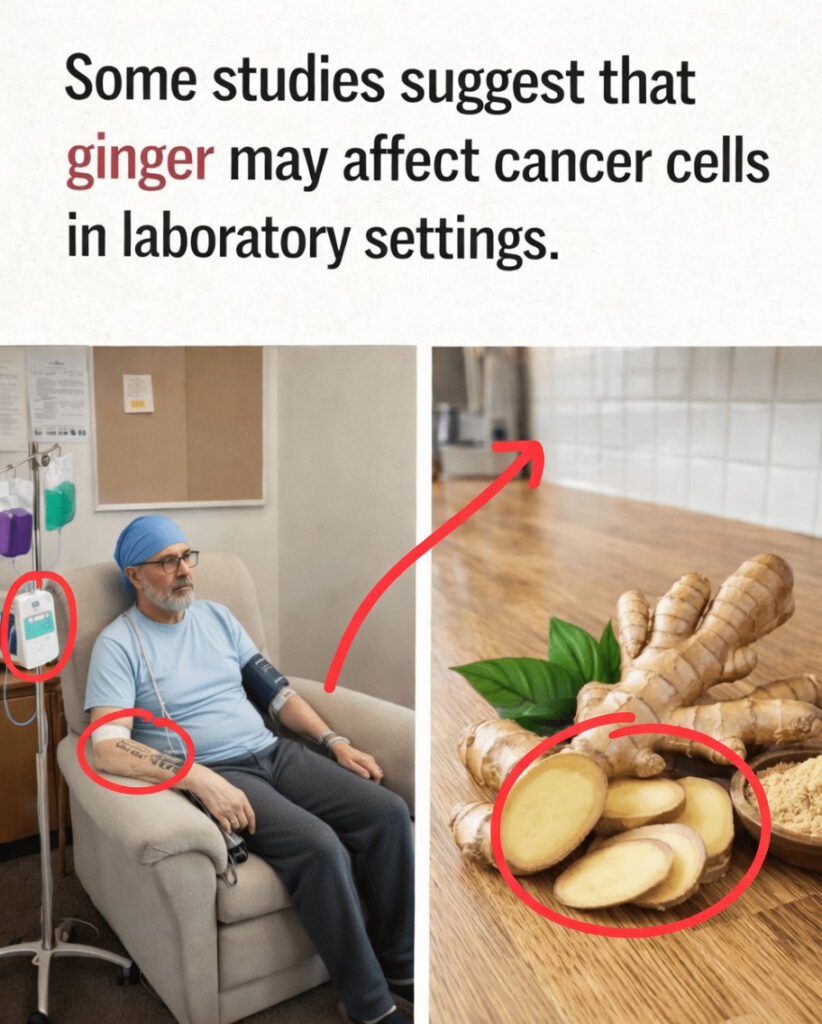
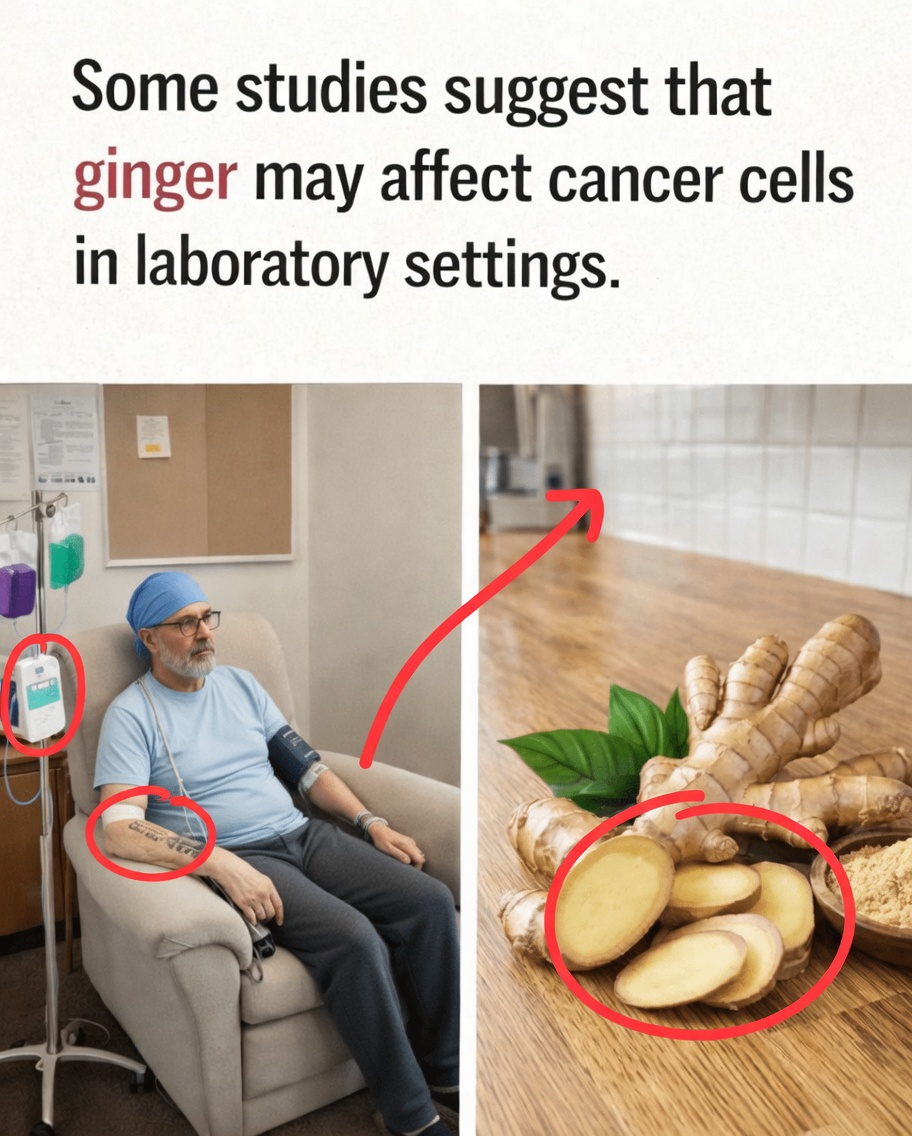
One familiar ingredient has become especially interesting in this conversation: ginger. Commonly found in kitchens around the world, this spice is now being studied for more than its flavor. Emerging findings suggest that compounds in ginger may affect specific cellular behaviors in controlled lab settings, raising important questions about its potential role in broader wellness discussions.
Cancer Stem Cells and Why Researchers Study Them
Cancer stem cells are a small group of cells that scientists investigate because they can self-renew and may help drive tumor development in laboratory models. In experimental settings, these cells often show greater resistance than other cells, which is why they receive so much scientific attention.
Researchers are especially interested in understanding how to influence these deep-level cellular processes. The hope is that studying natural compounds could reveal new insights into how abnormal cell behavior might be affected under carefully controlled conditions.
That is where ginger enters the picture. Used for centuries in food and traditional wellness practices, ginger has recently drawn attention from scientists studying these complex mechanisms.
The Active Ginger Compounds Under Investigation
Ginger root contains several naturally occurring substances, but two have become the main focus of research:
- 6-gingerol
- 6-shogaol
Fresh ginger contains higher levels of 6-gingerol, while dried or heated ginger tends to contain more 6-shogaol. This distinction matters because these compounds behave differently in laboratory studies.
They are also responsible for ginger’s signature spicy taste. In test-tube and animal-model research, scientists use these compounds at measured concentrations to see how they interact with different kinds of cells. A notable theme in many of these studies is their apparent selectivity: under the same lab conditions, they may affect certain abnormal cells while leaving healthy cells relatively unharmed.
What Lab Studies Have Shown So Far
A number of peer-reviewed studies have explored ginger extracts and isolated ginger compounds in cancer cell lines from tissues such as:
- Prostate
- Ovarian
- Colon
In one widely cited study published in Cancer Prevention Research, 6-shogaol showed activity against prostate cancer cells grown in culture, including groups with stem-like traits such as sphere formation.
Research involving ovarian cancer cells has reported similar patterns, with ginger extracts affecting cell viability and influencing specific signaling pathways in controlled experiments. Colon cancer models have also responded to these compounds, with investigators observing changes in growth behavior and markers linked to self-renewal.
One reason this area remains so compelling is that scientists often compare ginger compounds with other lab agents. These comparisons sometimes show different effects on stem-like cellular features, which helps explain why researchers continue to study ginger more closely.
Main Findings Reported in Experimental Models
Laboratory observations have included:
- Reduced sphere-forming capacity in stem-like cell cultures
- Effects on signaling pathways such as NF-κB and STAT3
- Support for normal cell-cycle regulation markers
- Relative preservation of healthy cells at the tested doses
It is important to stress that these findings come from highly controlled laboratory environments. They do not automatically translate into proven benefits in humans. Large, well-designed human studies are still necessary before practical conclusions can be made.
How Ginger Compounds Compare in Lab Settings
Below is a simplified overview based on published experimental trends:
| Aspect Studied | Ginger Compounds (Lab Models) | Standard Lab References |
|---|---|---|
| Effect on stem-like cells | Influenced self-renewal in spheroid models | Variable resistance often observed |
| Selectivity for healthy cells | Frequently preserved in the same cultures | Broader effects seen in many test systems |
| Mechanisms studied | Multiple signaling pathways involved | More direct cell-targeting effects |
| Concentration required | Active at lower ranges in some studies | Higher doses often needed |
This table is intended only as an educational summary of laboratory data. Real-world outcomes may differ significantly.
Easy Ways to Include Ginger in Your Routine
Although the science is still in its early stages, many people enjoy using ginger as part of a general wellness lifestyle. If you want to include it in your daily habits, here are some simple ideas:
-
Morning ginger tea
- Peel and grate a one-inch piece of fresh ginger.
- Add it to a cup of hot water.
- Let it steep for 5 to 10 minutes.
- Add lemon if you like.
- Begin with one cup per day.
-
Use it while cooking
- Add sliced or minced ginger to stir-fries, soups, curries, or roasted vegetables.
- It boosts flavor naturally without relying on extra salt.
-
Blend it into smoothies
- Add a small piece of fresh ginger to fruit, spinach, and yogurt smoothies.
- This creates a bright, refreshing flavor.
-
Try dried ginger
- Stir ground ginger into oatmeal, baked goods, or warm cereals.
- A moderate amount is about 1/2 teaspoon per serving.
-
Make ginger-infused water
- Slice fresh ginger root.
- Place it in a pitcher of water overnight in the refrigerator.
- Drink throughout the next day.
These options are affordable, practical, and easy to fit into most eating styles. As with any dietary change, it is best to start small and see how your body responds.
Important Points to Consider First
Ginger is widely available and is generally considered safe for most people when used in normal food amounts. Still, individual tolerance can vary. Increased ginger intake may not be suitable for everyone, especially for people with:
- Digestive sensitivity
- Certain medical conditions
- Medications that may interact, including blood thinners
Even promising lab research should never replace personalized medical advice. Scientists continue to emphasize that these findings are preliminary and that human clinical trials are still needed to clarify any long-term role ginger may have in wellness support.
The smartest perspective is to see ginger as just one small part of a much broader health picture that includes:
- Balanced nutrition
- Regular physical activity
- Ongoing medical care
- Professional guidance from your healthcare team
Why This Research Matters
The growing interest in ginger and cellular function highlights how natural ingredients can inspire meaningful scientific investigation. While no firm conclusions can be made yet, the selective effects seen in laboratory models have generated real excitement among researchers.
For everyday readers, the key takeaway is not to view ginger as a miracle solution, but as an interesting area of study and a potentially useful part of a healthy lifestyle. Staying informed and making thoughtful choices can help you take a more active role in your well-being.
Most importantly, talk openly with your healthcare provider before making significant changes to your diet or wellness habits.
Frequently Asked Questions
Is ginger safe to consume every day?
For most healthy adults, moderate amounts of ginger in meals or tea are generally considered safe. However, anyone with a medical condition or taking blood-thinning medication should speak with a doctor first.
How much ginger makes sense for everyday wellness?
Laboratory studies often use concentrated extracts rather than the amounts people normally eat. For general wellness, a practical intake is around 1 to 2 grams of fresh ginger or 1/2 to 1 teaspoon of dried ginger powder spread throughout the day.
Can ginger replace medical treatment or other wellness practices?
No. Current evidence is based mainly on laboratory and early-stage models. Ginger should not be used as a substitute for prescribed treatment, medical care, or other proven health strategies.