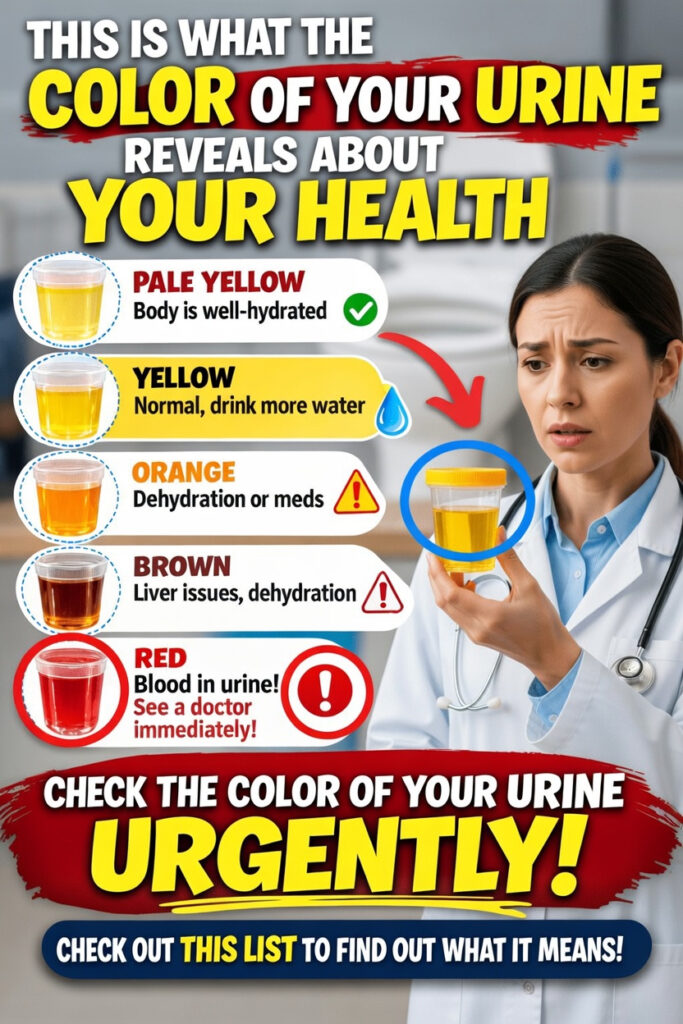
Why Urine Color Changes and What It Can Tell You
Have you ever looked in the toilet after using the bathroom and noticed that your urine seems darker, lighter, or different from the day before? It happens to many people. Urine color can shift from day to day, and in many cases, those changes reflect simple things like how much water you drank, what you ate, or how active you were.
Most of the time, these differences are harmless. Still, paying attention to urine color can help you better understand your body and daily hydration habits. This guide explains the most common urine colors, the factors that affect them, and practical ways to keep things in a healthy range. It also includes one hydration strategy that people often ignore until they realize how effective it is.
What Normal Urine Color Looks Like
Urine gets its color from urochrome, a pigment created when the body breaks down hemoglobin from aging red blood cells. The amount of water in your urine determines how strong or faint that color appears. When you drink more fluids, urine becomes more diluted and looks lighter. When you drink less, it becomes more concentrated and appears darker.
According to medical sources such as the Mayo Clinic and Cleveland Clinic, healthy urine usually ranges from almost clear to pale yellow or light straw. This is generally a sign that your body is getting enough fluids and your kidneys are filtering waste normally.
When urine moves outside that usual range, the reason is often temporary. Common triggers include dehydration, certain foods, vitamins, medications, or lifestyle habits.
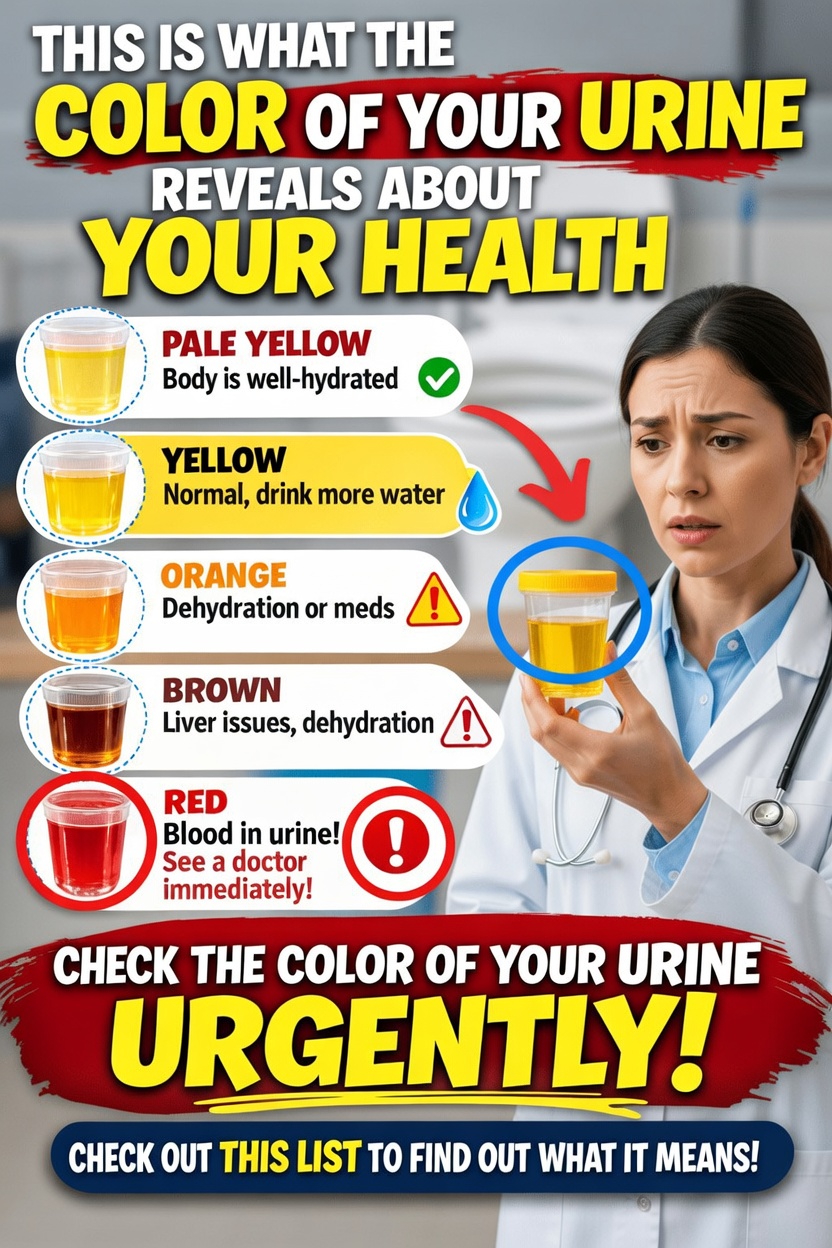
Urine Color Chart: Common Shades and Their Usual Meaning
Below is a simple overview of frequent urine colors and what they may suggest. These are general guidelines, not a diagnosis, since each person’s body and habits are different.
Clear or Nearly Colorless
This usually means you are drinking a lot of fluids. In some cases, it may indicate overhydration, especially if you are consuming water far beyond your body’s needs. While staying hydrated is important, too much fluid can sometimes dilute electrolytes.
Pale Yellow to Light Straw
This is often considered the ideal urine color. It typically reflects healthy hydration and normal kidney function.
Medium Yellow to Dark Yellow
A darker yellow shade often means your body needs more water. As fluid intake drops, urochrome becomes more concentrated, making urine appear deeper in color.
Amber or Honey-Colored
This shade commonly points to more noticeable dehydration. It often appears when the body is holding onto water and producing more concentrated urine.
Orange
Orange urine may be linked to dehydration, but it can also come from foods rich in pigments, such as carrots, or from supplements like B vitamins. Certain medications can also temporarily turn urine orange.
Brown or Tea-Colored
Brownish urine may occur with significant dehydration, specific foods, or supplements. In less common situations, it may relate to liver-related processes, especially if it does not improve. Persistent brown urine should be discussed with a healthcare professional.
Red or Pink
This can be harmless if you recently ate beets, blackberries, or rhubarb. However, if food does not explain the color, it may be worth monitoring more closely.
Other Colors: Blue, Green, or Cloudy
These colors are less common. They may be caused by food dyes, medications, or infections. Cloudy urine can also result from temporary particles or other changes in the urinary tract.
Urine color alone does not tell the whole story. Smell, frequency, and amount can also provide useful clues.
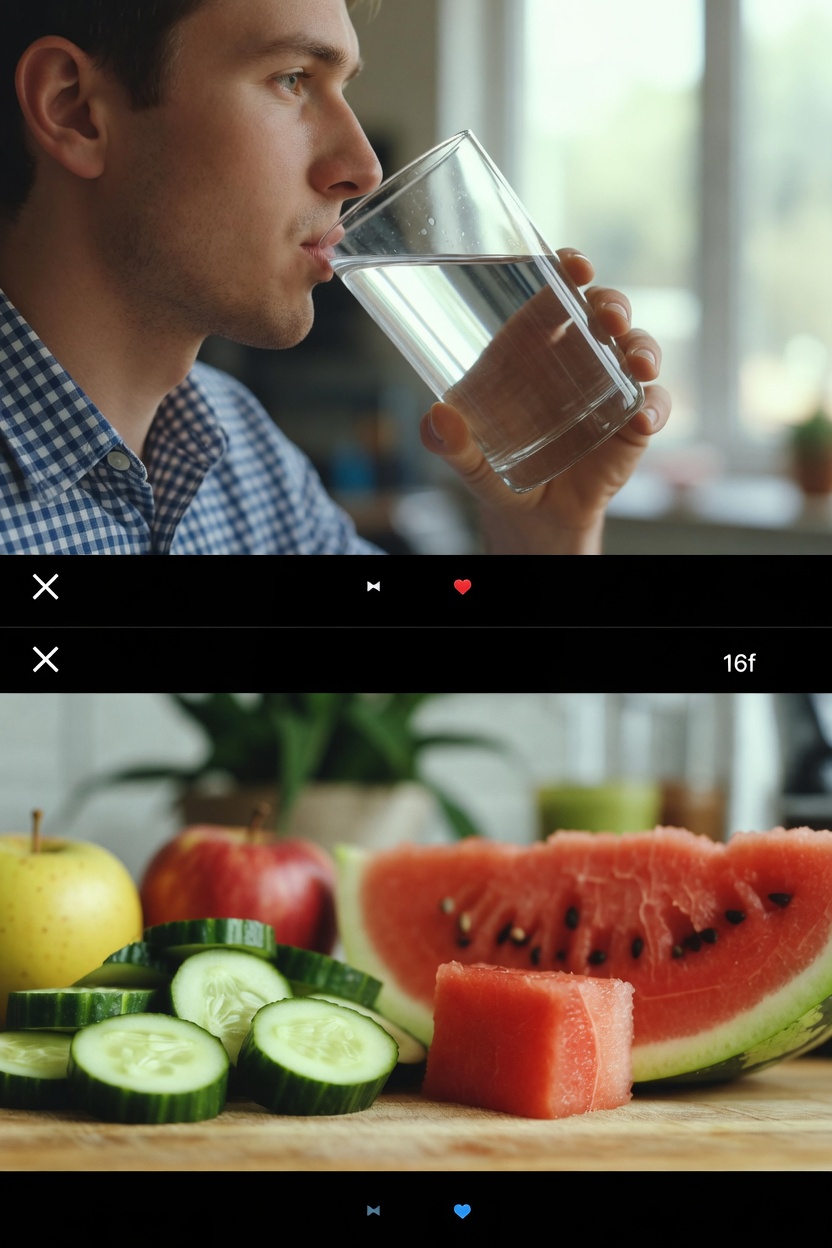
What Affects Urine Color Besides Hydration?
Although fluid intake is the biggest factor behind most changes, it is not the only one. Several everyday influences can alter the way urine looks.
Diet
Strongly colored foods can leave behind pigments that affect urine. Beets are well known for causing pink or reddish urine. Asparagus is more famous for changing odor, but food in general can still influence appearance.
Medications and Supplements
Some vitamins, antibiotics, and prescription drugs can create noticeable color changes. If you see a repeating pattern, it is a good idea to check the label or ask a healthcare provider whether that effect is expected.
Exercise, Heat, and Illness
Heavy physical activity, hot weather, fever, or sweating can lead to faster fluid loss. When your body loses more water, urine becomes more concentrated and darker.
A Simple Way to Track Your Pattern
Try observing your urine color at different times of day. The first bathroom trip in the morning is often the darkest because you have gone several hours without drinking. Compare that with what you see later after regular water intake.
Easy Ways to Keep Urine in a Healthy Range
If you want to support hydration and help your body function smoothly, these habits can make a real difference:
- Drink water steadily throughout the day instead of consuming a large amount all at once.
- Check your urine color regularly as a quick hydration cue.
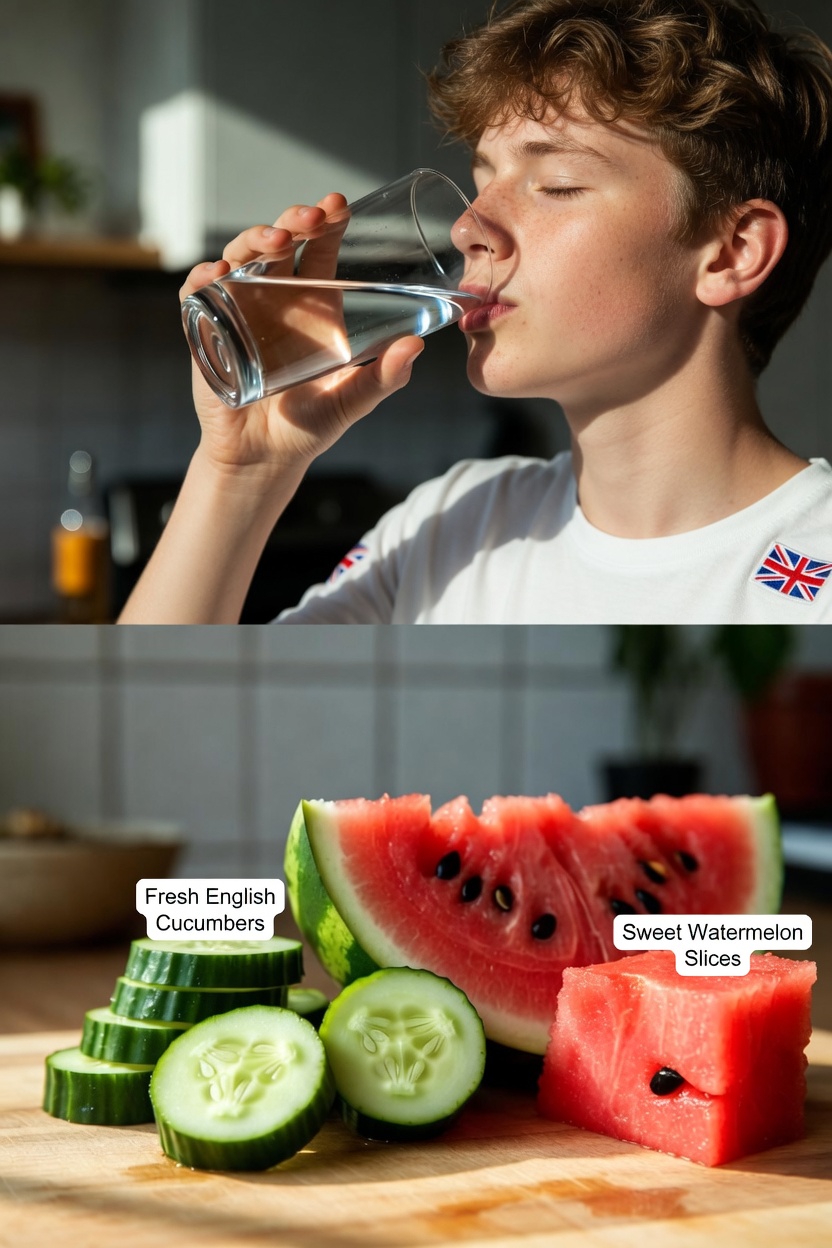
- Eat water-rich foods like cucumber, watermelon, oranges, and soup.
- Watch trends over several days, not just one unusual moment.
- Balance coffee and alcohol with water, since both can mildly increase fluid loss.
A common daily target is about 8 glasses of water, but your ideal amount depends on your activity level, climate, and body size.
Quick Urine Color Reference Table
| Urine Shade | Likely Main Cause | Quick Action |
|---|---|---|
| Clear | Very high fluid intake | Stay hydrated, but avoid overdoing it |
| Pale Yellow | Optimal hydration | Continue your normal routine |
| Dark Yellow | Mild dehydration | Drink a glass of water soon |
| Amber | Moderate dehydration | Increase fluid intake over the next few hours |
| Orange/Brown | Dehydration, food, supplements, or medication | Hydrate and think about recent intake |
| Red/Pink | Foods or other causes | Observe; seek advice if food does not explain it |
These simple checks can help you maintain healthy hydration without relying on guesswork.
When Urine Color Deserves More Attention
Most urine color changes improve with simple adjustments, especially drinking more water. But if an unusual color continues or appears along with other symptoms, it may be time to get professional advice.
Pay closer attention if color changes happen with:
- Pain
- Swelling
- Fatigue
- Changes in how often you urinate
- Other persistent symptoms
A healthcare provider can look at the full picture and give guidance based on your personal health situation.
A Surprising Hydration Tip Many People Miss
One of the most overlooked hydration habits is timing. Drinking small amounts of water consistently throughout the day is often better than drinking a lot only once or twice.
This steady approach helps prevent big swings in urine concentration, which can keep color more stable. It may also help you feel more energized and comfortable overall. Try spacing your water intake more evenly for a week and see whether you notice a difference.
Conclusion
Urine color is a simple daily wellness clue. In most cases, it reflects hydration and ordinary lifestyle factors such as diet, exercise, and supplement use. By paying attention to these subtle changes and making small adjustments, you can support your body’s natural balance.
Something as basic as checking urine color can become an easy habit that helps you stay more aware, hydrated, and proactive about your health.
FAQ
What urine color is considered healthiest?
Pale yellow to light straw is generally seen as the healthiest range because it usually indicates good hydration and normal body function.
Does dark urine always mean something serious?
No. In many cases, dark urine simply means you need more water or that a temporary factor, such as diet, is affecting color.
How much water should I drink to keep urine pale yellow?
A common guideline is about 8 glasses per day, but your needs may vary depending on weather, exercise, and body size. Thirst and urine color can both help guide you.