Why Bruises Change Color as You Age
You bump your arm on the edge of a table while cleaning, think nothing of it, and then later notice a dark mark forming. The next day it turns purple, and a few days after that it starts looking yellow. For many older adults, bruises like this can feel frustrating or even embarrassing, especially when someone asks, “What happened?”
The reality is simple: bruising tends to happen more often with age. Even more interesting, the changing color of a bruise can reveal a great deal about what is happening beneath the skin. In fact, each shade is part of your body’s quiet healing process.
Keep reading, because near the end you’ll learn one easy habit many doctors suggest to help protect aging skin and lower the chance of unnecessary bruising.
The Science Behind Bruise Color Changes
A bruise may seem to appear out of nowhere, but the process is actually well understood.
Bruises develop when tiny blood vessels under the skin break after a minor hit, bump, or injury. Blood leaks into the surrounding tissue, and that trapped blood creates the discoloration you can see on the skin.
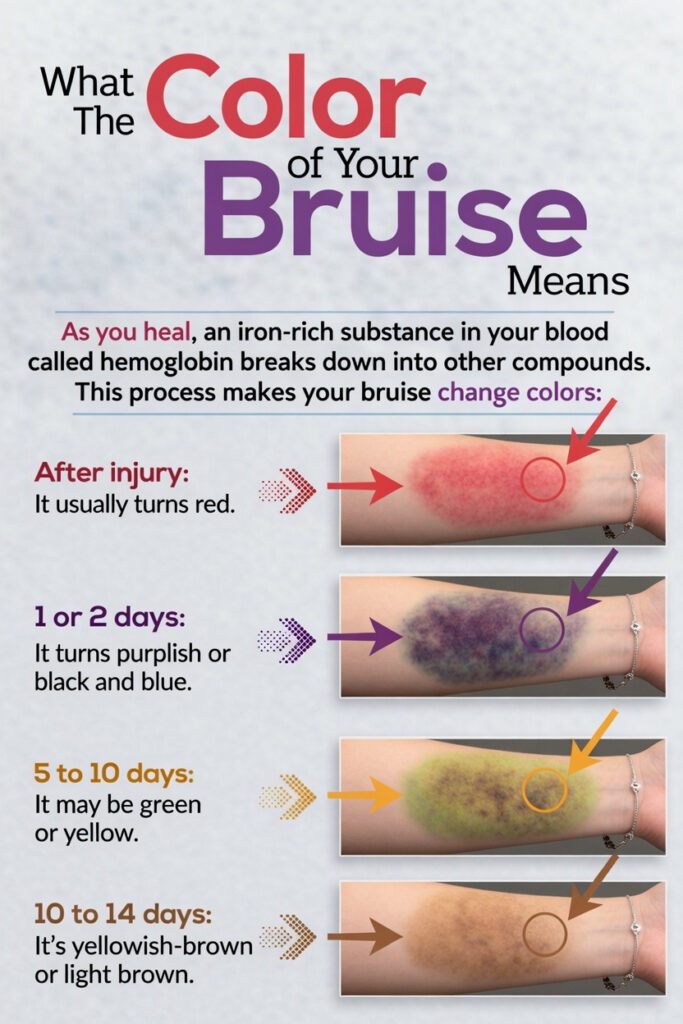
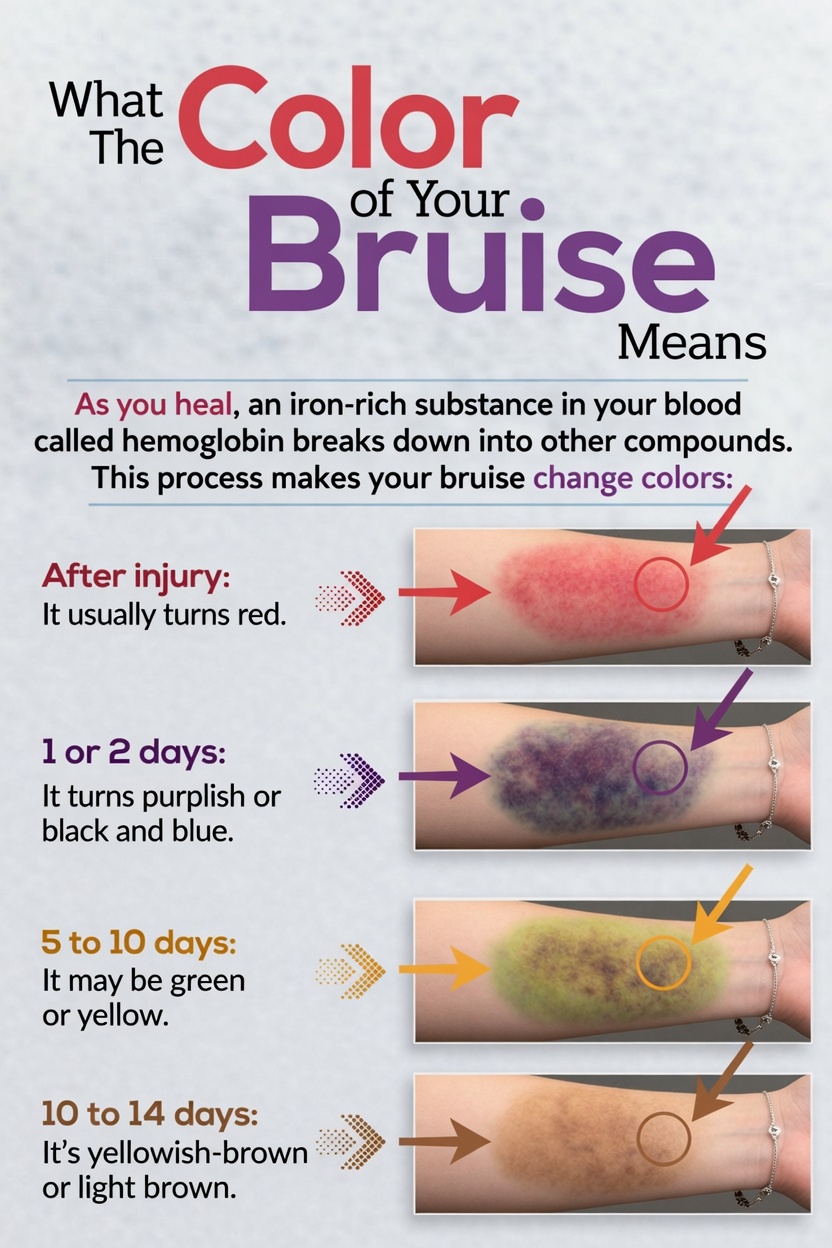
As the body begins repairing the damaged area, it also starts breaking down the blood beneath the surface. During this process, hemoglobin, the protein in red blood cells, is gradually transformed into other substances. Each step in that breakdown creates a different color.
Typical Bruise Healing Stages
| Healing Stage | Common Color | What Is Happening |
|---|---|---|
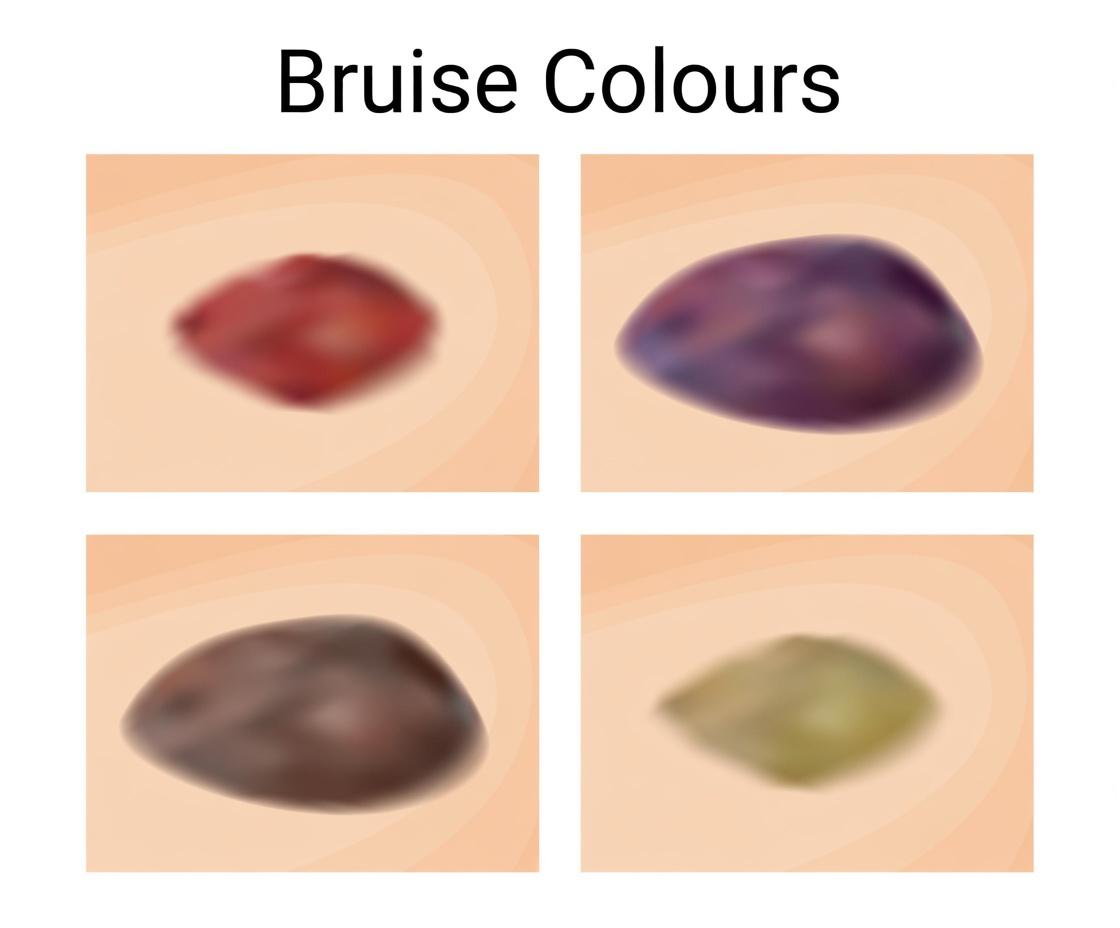
| Right after injury | Red | Fresh blood gathers under the skin |
| 1 to 2 days | Purple or blue | The trapped blood loses oxygen |
| 5 to 10 days | Green or yellow | Hemoglobin breaks down into biliverdin and bilirubin |
| 10 to 14 days | Yellow-brown | The body absorbs the remaining blood pigments |
Research in dermatology and wound healing shows that this color pattern is a normal part of recovery.
However, there is another important factor: in older adults, bruises often appear more easily and may take longer to fade.
Why Older Adults Bruise More Easily
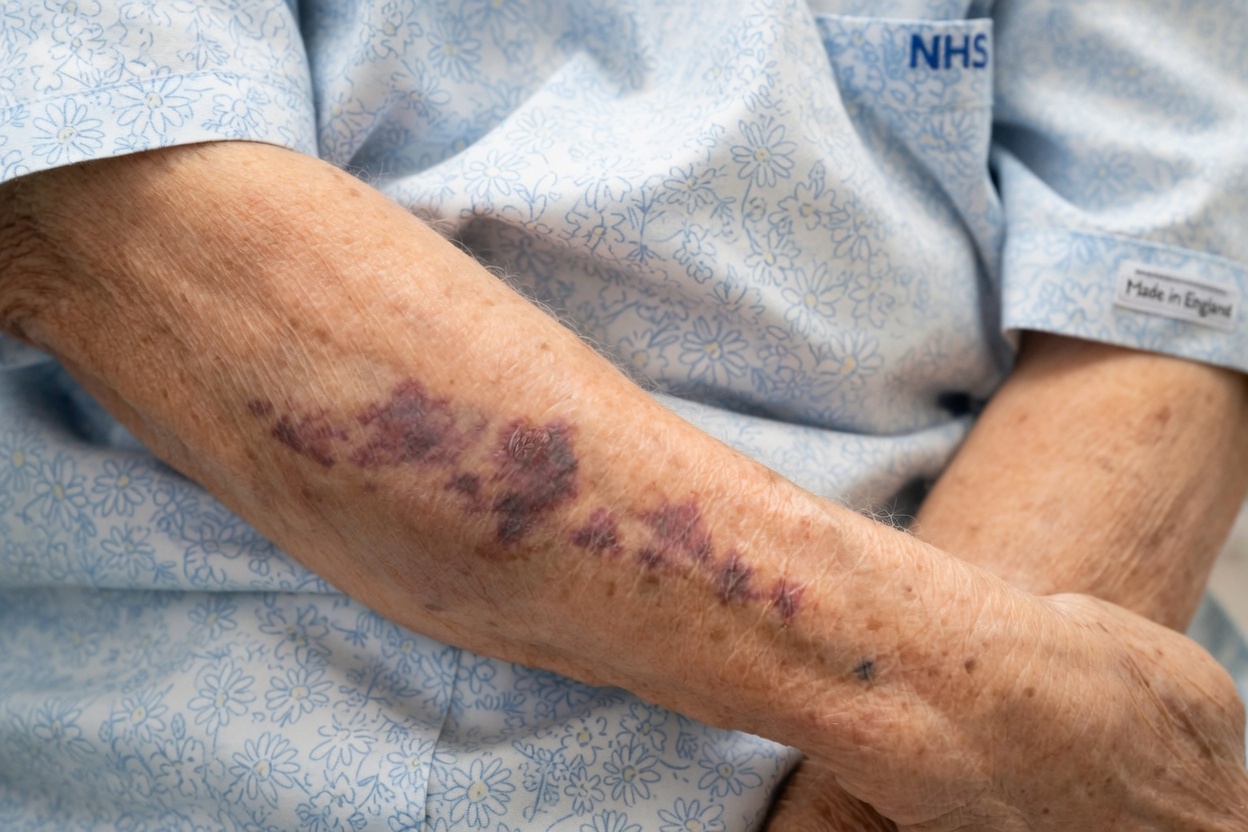
If bruises seem to show up more often after age 60 or 70, it is not your imagination. Several natural age-related changes make the skin and blood vessels more vulnerable.
First, the skin becomes thinner over time. At the same time, the fatty layer that cushions blood vessels beneath the skin also decreases. That means even a small bump can have a bigger impact than it used to.
Second, blood vessels grow more delicate with age, making them easier to damage.
Third, some medications commonly taken by older adults can increase the likelihood of bruising.
Common Reasons Bruising Increases With Age
- Thinning skin related to aging
- Lower collagen production
- Blood-thinning medications
- Years of sun exposure
- Small bumps that once would not have caused injury
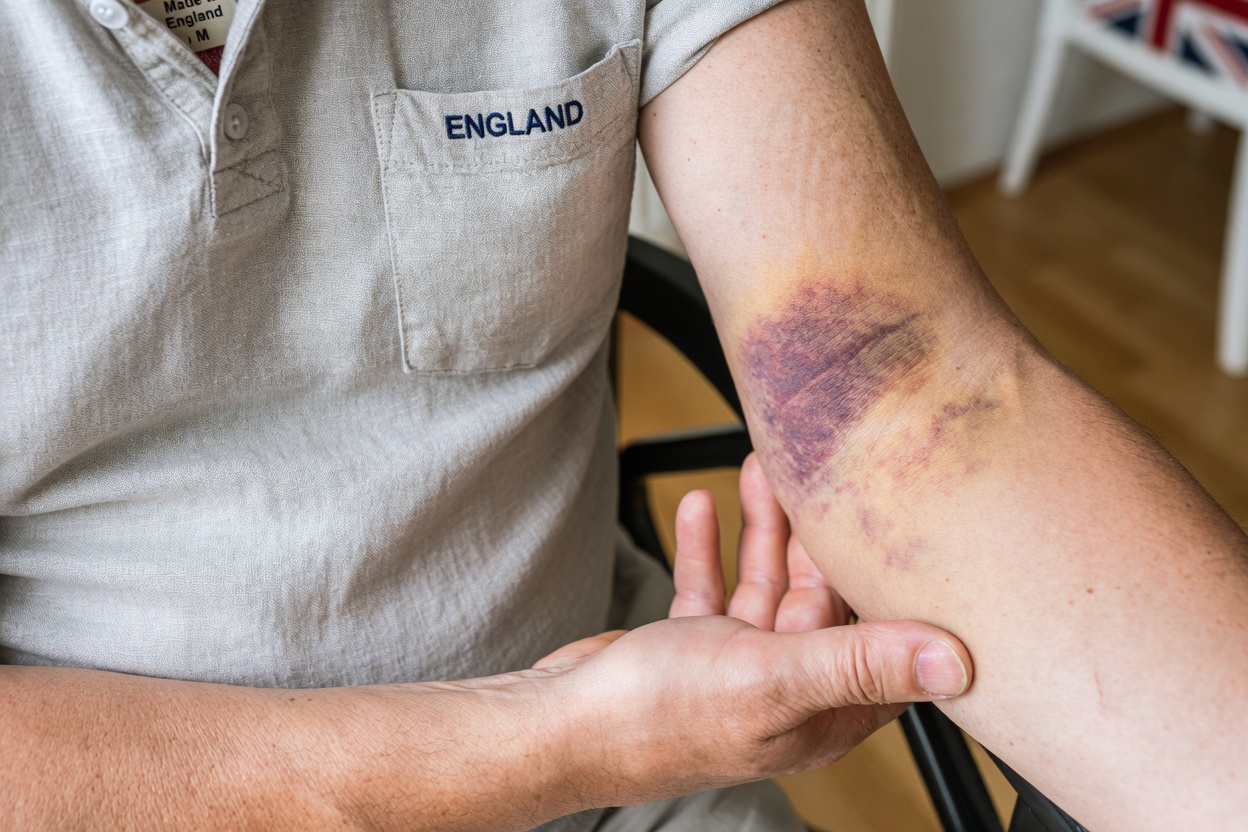
There is also another piece many people miss: nutrition matters.
Some studies suggest that low levels of nutrients such as vitamin C or vitamin K may affect how easily bruises form. This does not mean every bruise signals a health problem. Still, frequent bruising without a clear cause is worth mentioning to a healthcare professional.
What Different Bruise Colors Usually Mean
Unusual bruise colors can look alarming. Green, yellow, or brown marks may seem strange, but in most cases these shades are signs that the body is healing exactly as it should.
Red Bruises
This is the earliest stage, appearing soon after the injury happens.
Fresh, oxygen-rich blood collects under the skin, which gives the bruise a reddish appearance. The area may also feel sore or slightly swollen.
Purple or Blue Bruises
Within a day or two, the bruise often becomes darker.
This happens because the trapped blood starts losing oxygen. Although this stage can look dramatic, it is a normal part of the healing cycle.
Green or Yellow Bruises
This is where the process becomes especially interesting.
As hemoglobin breaks down, the body produces compounds called biliverdin and bilirubin. These substances create green and yellow tones. Studies in wound healing suggest this stage often means the body is actively clearing away damaged blood cells.
Yellow-Brown Bruises
This is generally the final stage of healing.
At this point, the body is gradually reabsorbing the leftover pigment, and the bruise starts to disappear. For most healthy adults, the full process takes about two weeks.
Still, older adults should remember that certain daily habits may slow or support this recovery.
Simple Ways to Support Healing and Protect Aging Skin
Many people wish they had learned this earlier: small everyday habits can make a real difference in how the skin responds to minor injuries.
1. Use Cold in the First Few Hours
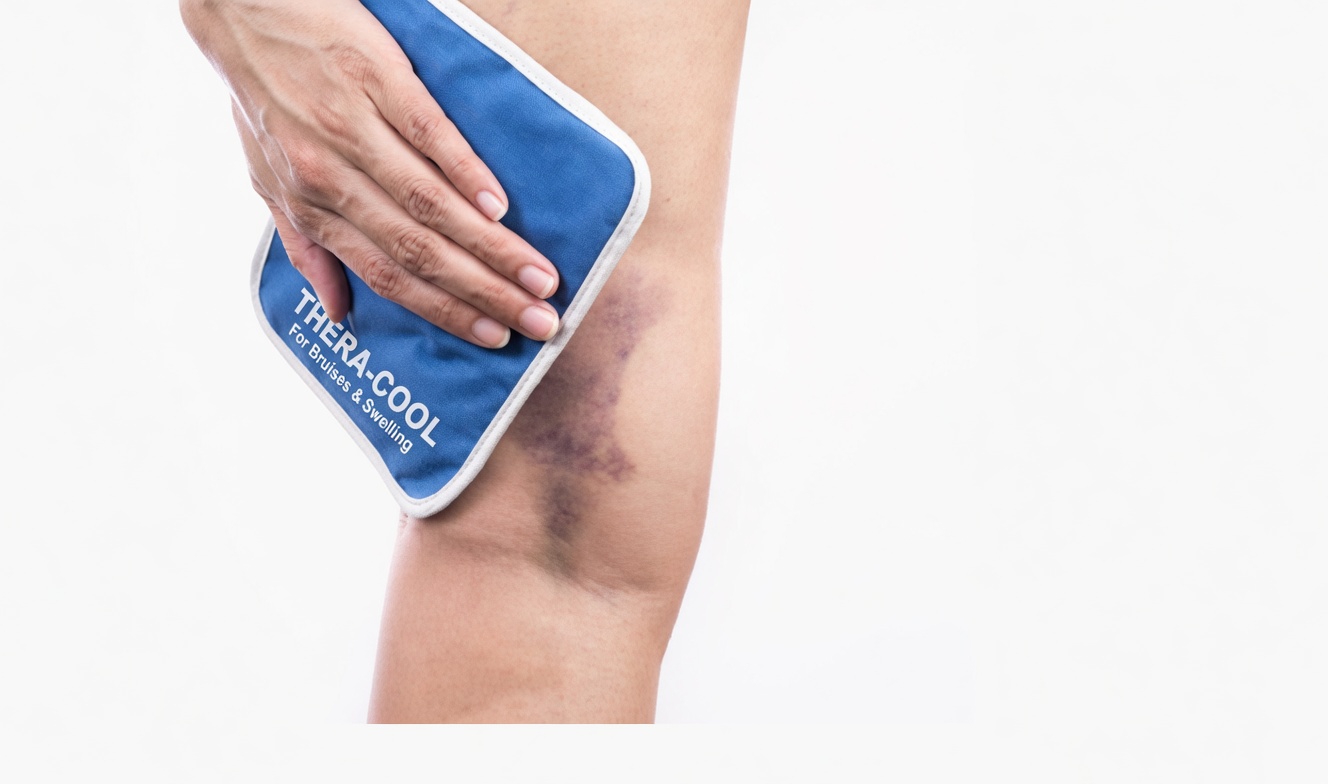
A cold compress may help reduce swelling soon after a bump.
Safe tips for applying cold:
- Wrap ice or a cold pack in a cloth
- Place it on the area for 10 to 15 minutes
- Repeat several times during the first day if needed
2. Elevate the Bruised Area
If possible, raise the injured body part a little above heart level. This may help reduce blood pooling in the tissue.
For example:
- Rest an arm on a pillow
- Prop up a leg while sitting or lying down
3. Take Steps to Protect Fragile Skin
Aging skin is easier to injure, so prevention matters.
Helpful ways to reduce bruising risk:
- Wear long sleeves while gardening or doing housework
- Add padding to sharp furniture corners
- Improve home lighting to avoid accidental bumps
4. Support Skin Health With Balanced Nutrition
The body needs proper nutrients to keep blood vessels and skin strong.
Foods often linked to healthy skin and circulation include:
- Citrus fruits
- Leafy green vegetables
- Bell peppers
- Nuts and seeds
- Olive oil
One more simple habit may help more than many people realize: staying well hydrated. Good hydration supports skin elasticity, which may make aging skin more resilient.
When a Bruise Could Need Medical Attention
Most bruises are harmless and fade on their own. However, doctors recommend paying attention to certain warning signs.
You may want to speak with a healthcare professional if you notice:
- Very large bruises without a known injury
- Bruises appearing frequently and suddenly
- Bruises that remain after three weeks
- Bruising along with unusual tiredness or bleeding
These signs do not automatically mean something serious is wrong. But they are important enough to check. In some cases, bruising can be related to medications, vitamin deficiencies, or changes in circulation.
A quick conversation with a doctor can often provide reassurance and help rule out larger concerns.
A Small Habit That Can Help Protect Your Health
One of the most useful takeaways for older adults is this: a bruise is more than just a mark on the skin.
It is a small signal showing how your body heals.
Most of the time, the changing colors simply reflect a normal recovery process. But paying attention to how often bruises appear, how large they become, and how long they last can offer helpful clues about your overall health.
A simple habit many family doctors recommend is to observe your bruises instead of ignoring them. That small moment of awareness can sometimes help you catch a problem early or prevent future injuries.
Combined with gentle skin care, nutritious food, hydration, and smart daily safety habits, this can make aging skin much easier to manage.
Frequently Asked Questions
Is it normal for a bruise to turn yellow?
Yes. Yellow is a common part of bruise healing. It usually means the body is breaking down and reabsorbing blood trapped under the skin.
Why do bruises appear when I do not remember getting hurt?
Small bumps often go unnoticed, especially in older adults. Because the skin becomes thinner and blood vessels become more fragile with age, even minor impacts can cause bruising.
How long does a normal bruise usually last?
Most bruises improve within 10 to 14 days. Larger bruises may take a little longer to fully disappear.
Medical Disclaimer
This article is intended for educational purposes only and should not be considered medical advice. If you have frequent, unusual, or unexplained bruising, consult a qualified healthcare professional for personal evaluation and guidance.