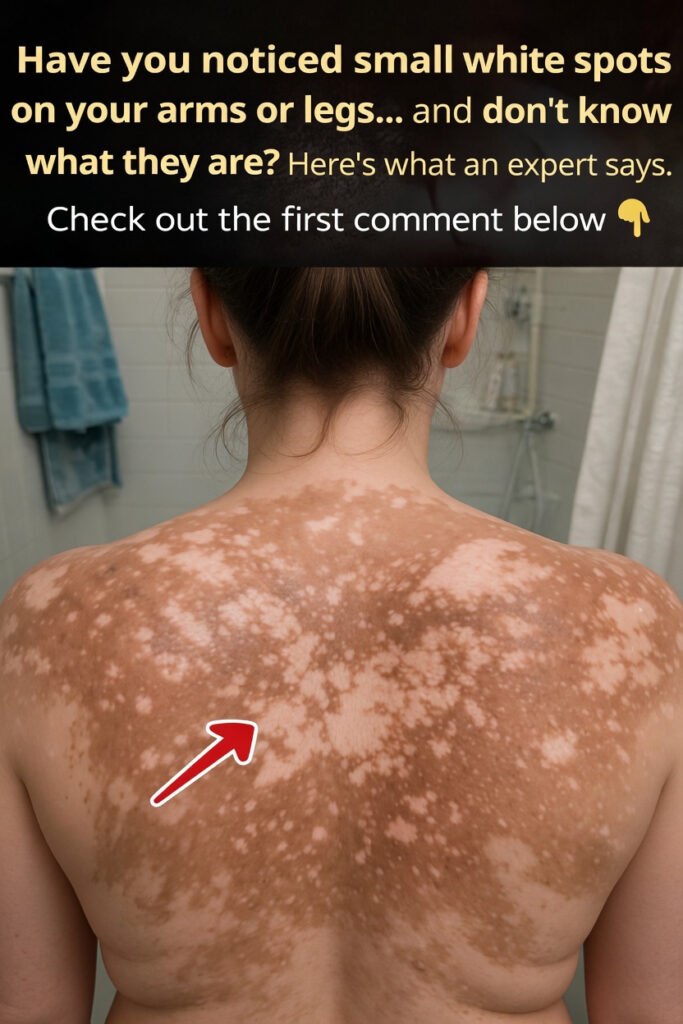
Understanding Small White Spots on the Skin
Tiny white marks on the skin are often seen as flat, circular, or oval spots measuring about 2 to 10 mm. They usually appear on areas that get frequent sun exposure, such as the arms, legs, shoulders, and back. In people with darker complexions, these spots may stand out more clearly because they remain lighter while the surrounding skin tans.
A common reason for this pattern is idiopathic guttate hypomelanosis (IGH), often referred to as white sun spots or reverse freckles.
Dermatology research on pigment changes shows that IGH becomes increasingly common with age, especially after 40. It is strongly associated with long-term ultraviolet (UV) exposure. These spots develop when small areas of skin have less melanin or fewer melanin-producing cells, which leads to localized lightening. In most cases, they are smooth and cause no itching, pain, or scaling.
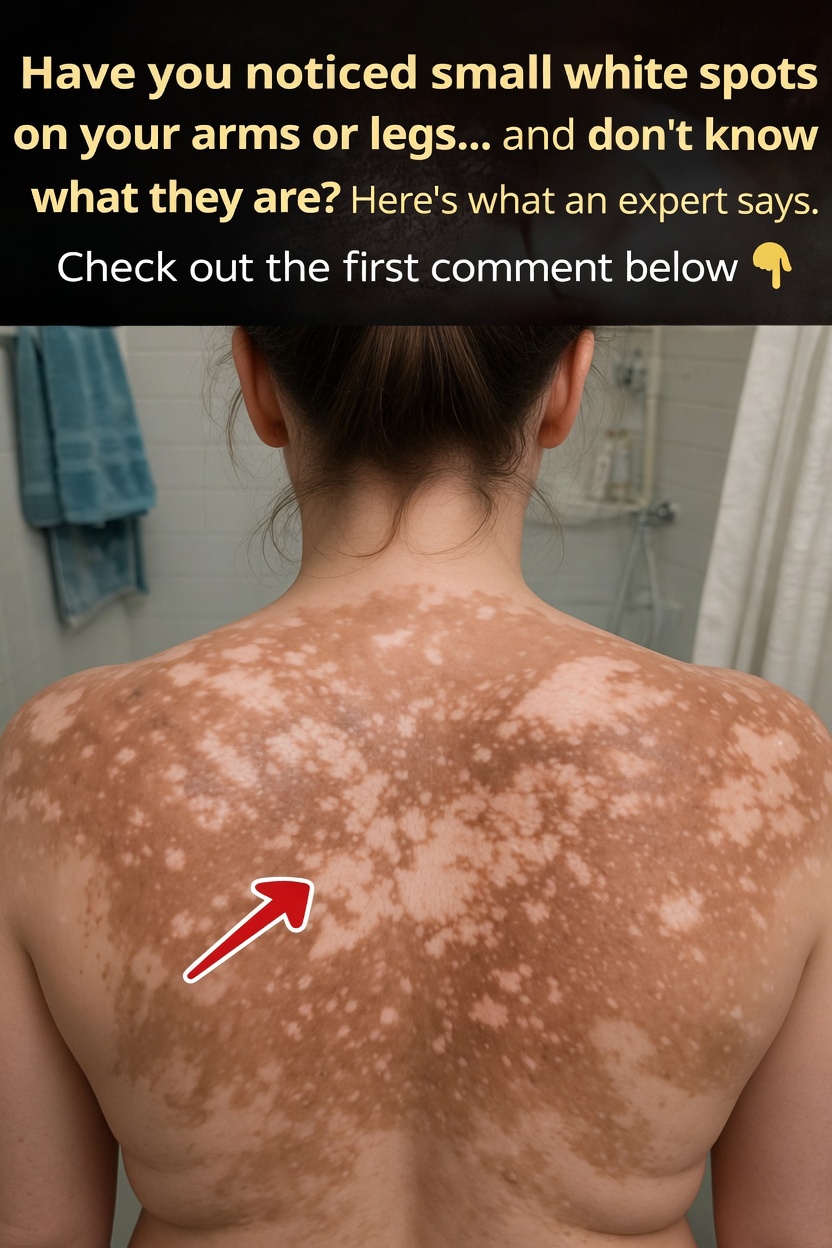
Other Possible Causes of Similar White Spots
Although IGH is a frequent explanation, it is not the only one. Similar-looking pale spots may also be linked to:
- Post-inflammatory pigment change after mild irritation, dryness, or minor skin inflammation
- Tinea versicolor, a mild fungal overgrowth that can create lighter patches on the trunk or arms, often with slight scaling
- Pityriasis alba, a condition more often seen in children and younger people, usually affecting the face or arms and often accompanied by dryness
The main takeaway from skin experts is reassuring: these white spots are usually benign and not a sign of a serious health problem. Still, if they spread quickly, feel different in texture, or appear with other symptoms, it is smart to seek medical advice.
Common Causes Behind Small White Spots
In many adults, sun exposure is the biggest contributing factor. Over time, UV radiation can affect melanocytes, the cells that give skin its color, in small isolated areas. This can leave behind scattered pale spots.
Studies suggest this may appear more often in people with fair to medium skin tones, but it can affect any complexion. On darker skin, the contrast may be even more noticeable, especially after tanning.
Additional factors that may play a role include:
- Aging, which naturally changes how pigment is distributed in the skin
- Genetics, since family history may increase the likelihood
- Environmental exposure, especially spending lots of time outdoors without proper protection
Even so, the cause is not always fully understood. The word idiopathic means the exact reason may be unknown in some people. What is clear, however, is that daily habits can influence how visible the spots become and how healthy the skin remains overall.
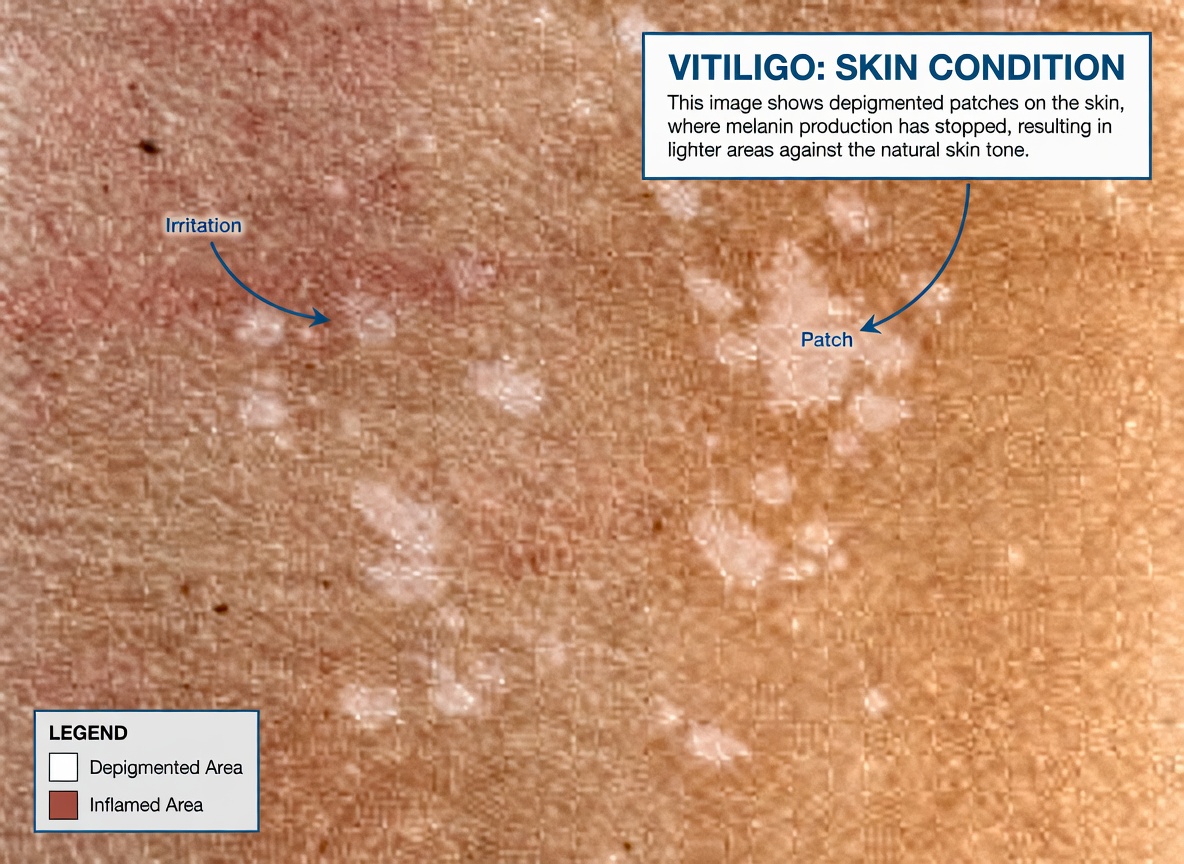
How to Tell Whether It Is Likely IGH
A quick comparison can help you better understand what you are seeing.
Typical Features of IGH
- Appearance: small, flat, round or oval white spots, usually around 2 to 6 mm
- Texture: smooth, without flakes, crusting, or raised borders
- Location: commonly on the forearms, shins, shoulders, and upper back
- Symptoms: usually none, with no itching or pain
- Progression: develops gradually over time, often increasing with age and sun history
- Tanning response: the spots stay pale while surrounding skin darkens
If the patches are larger, itchy, scaly, or grouped in an unusual pattern, another cause such as dryness, inflammation, or a mild infection may be more likely.
Practical Ways to Support Skin Health
You may not be able to prevent every white spot, but certain habits can help protect your skin and reduce further uneven pigmentation.
1. Use Broad-Spectrum Sunscreen Every Day
Apply SPF 30 or higher each morning, even when it is cloudy or when you spend time indoors near windows. If you are outside, reapply every two hours. This is one of the most effective ways to limit UV-related pigment changes.
2. Wear Protective Clothing
Long sleeves, pants, wide-brimmed hats, and UPF-rated clothing can help shield sun-exposed skin. This is especially useful during peak sunlight hours, usually from 10 a.m. to 4 p.m.
3. Moisturize Regularly
A gentle, fragrance-free moisturizer helps maintain hydration and may make uneven tone less noticeable by improving overall skin texture.
4. Exfoliate Gently if Needed
Mild exfoliation can support smoother skin, but it should be done carefully. Over-exfoliating may irritate the skin and worsen visible changes.
5. Support Skin from Within
Healthy lifestyle choices can also benefit the skin, including:
- Eating foods rich in antioxidants, such as berries, leafy greens, and nuts
- Drinking enough water
- Avoiding smoking, which can interfere with skin repair
These steps are not instant solutions, but they can improve long-term skin health and help maintain a more even appearance.
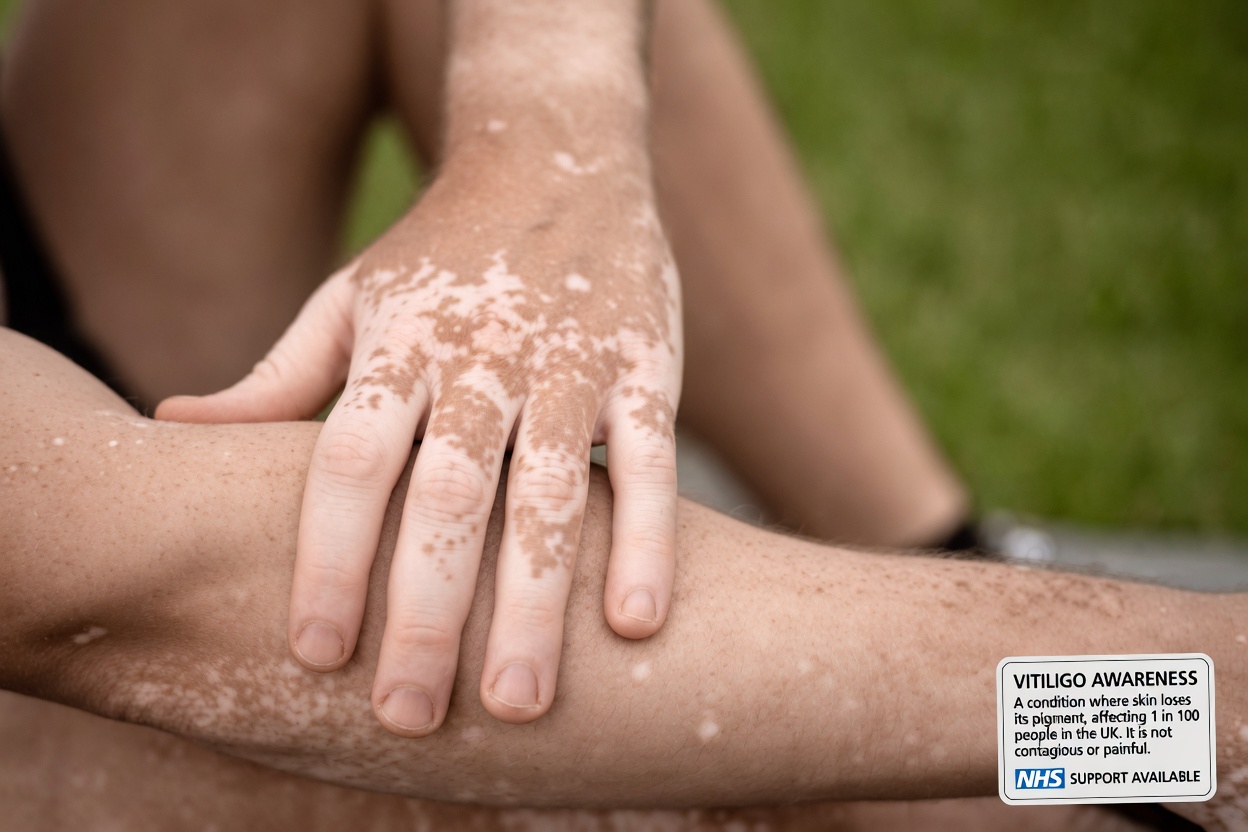
When to See a Professional
Most small white spots are harmless, but a visit to a dermatologist or healthcare provider is a good idea if:
- The spots increase quickly in number
- They join together into larger pale patches
- You notice itching, scaling, redness, or inflammation
- The changes occur along with other health concerns
A professional evaluation can confirm the cause and give you guidance based on your skin type, medical history, and symptoms.
Conclusion: Protect Your Skin and Feel More Confident
Small white spots on the arms, legs, shoulders, or back are often related to sun exposure and aging, with idiopathic guttate hypomelanosis being a common explanation in adults. In most cases, they are harmless. Still, simple habits such as daily sunscreen use, regular moisturizing, and protective clothing can make a meaningful difference in how your skin looks and feels.
Start with one easy step today, like applying sunscreen consistently, and build a routine that supports healthier skin over time.
FAQ
What causes small white spots on the arms and legs in adults?
A common cause is long-term sun exposure, which can reduce pigment in tiny areas of the skin. This often leads to idiopathic guttate hypomelanosis, a harmless and common condition.
Are small white spots on the skin dangerous?
Usually, no. In most cases, they are benign and not linked to serious illness. However, it is still wise to monitor them and seek medical advice if they change noticeably.
How can I make white spots on my skin less visible?
Focus on daily broad-spectrum sunscreen, regular moisturizing, and covering exposed skin when outdoors. These measures can help prevent further contrast and support a more even-looking skin tone over time.