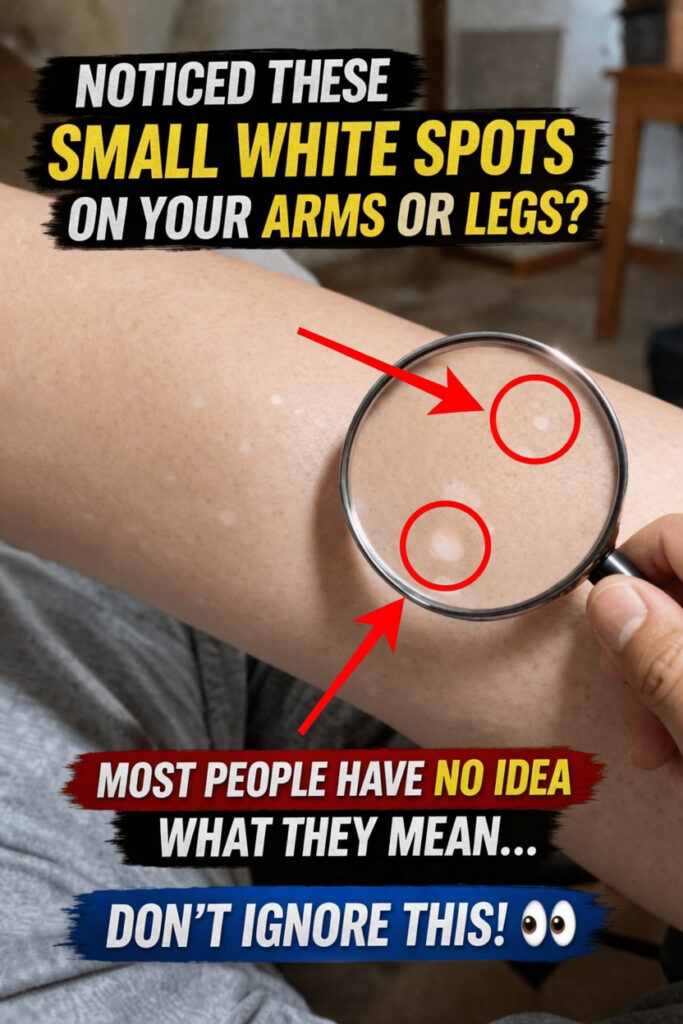
Tiny White Spots on the Skin: What They Usually Mean
Small white marks on the skin are often known as idiopathic guttate hypomelanosis, a condition many people refer to as white sun spots or even reverse freckles. These marks usually appear as smooth, flat, round, or oval spots that are only about 2 to 5 millimeters wide. Their color is typically pale white or porcelain-like, and they are most often seen on areas that get frequent sun exposure, such as the forearms, shins, upper chest, and legs.
Unlike itchy rashes or raised skin bumps, these spots are completely flat and smooth. They do not hurt, itch, or create any physical discomfort. In most cases, they develop gradually over many years and become easier to notice with age. Clinical findings suggest that they form because of a localized loss of melanin, the natural pigment responsible for skin color. This reduction in pigment is commonly linked to long-term sun exposure, aging skin, and sometimes inherited traits.
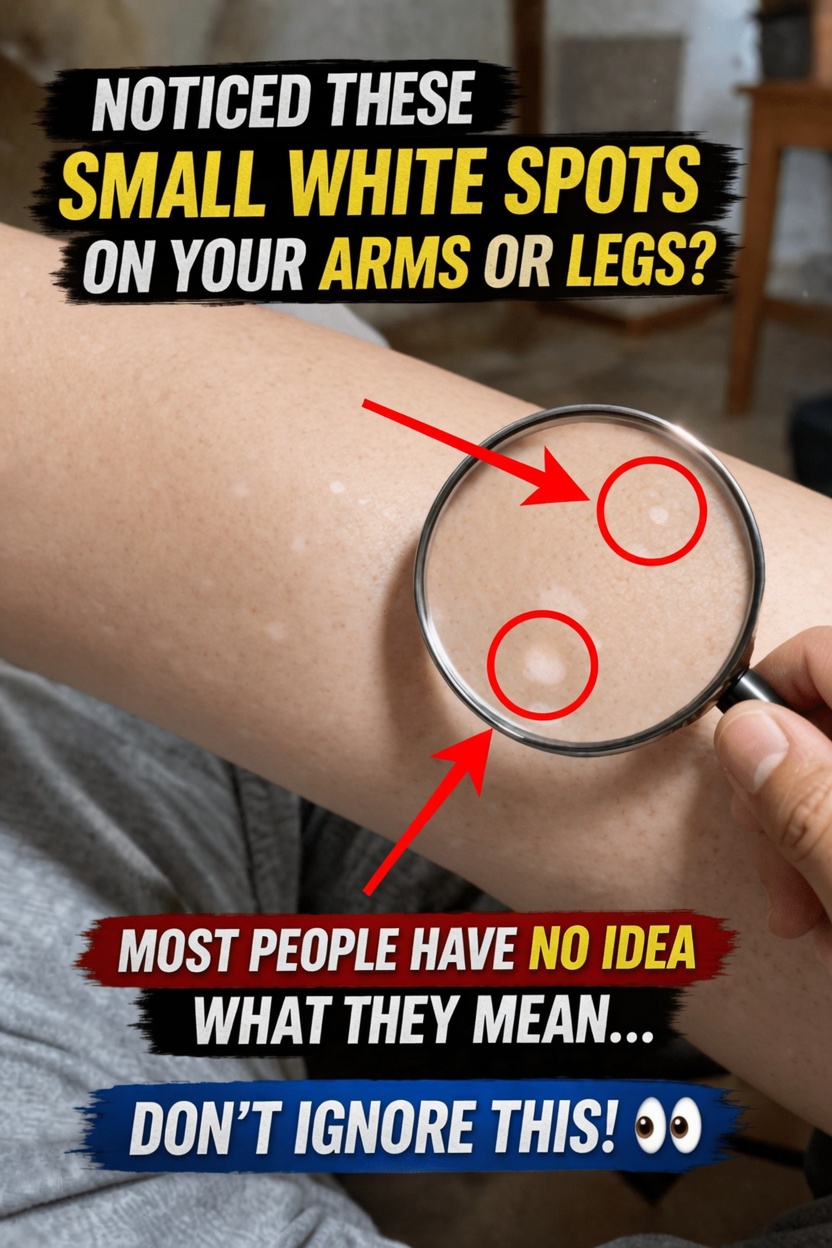
That said, there is more to understand. Many people first notice these spots in their 40s or later, although they can appear earlier in individuals with a strong history of sun exposure. Once they develop, they usually remain stable and do not spread aggressively like some other skin disorders.
Common Reasons These White Spots Appear
The exact cause is still being studied, but dermatology experts agree that several factors likely contribute to the formation of these spots. One of the biggest influences is years of ultraviolet (UV) exposure, since the marks almost always develop in areas that receive regular sunlight over time. As skin matures, some pigment-producing cells become less active in certain locations, which can result in these lighter patches.
Genetics may also play a role, making some people naturally more likely to develop them. In some cases, repeated mild skin trauma, such as friction or aggressive scrubbing, may also contribute. Importantly, these white spots are generally not caused by infections, allergies, or internal illnesses.
Factors commonly linked to their appearance
- Long-term sun exposure without reliable protection
- The natural aging process of the skin
- A family history of similar pigment changes
- Fair skin tones, where the contrast is often more noticeable
Understanding these causes can help reduce unnecessary concern. According to dermatology reviews and clinical observations, these spots are considered benign, meaning they are harmless and not a sign of disease.
How to Tell Them Apart From Other Skin Conditions
It is natural to wonder whether these spots could be something else. Some skin conditions also cause lighter patches, but they often look and behave differently.
Here are a few common comparisons:
-
Tinea versicolor
- Often appears as lighter or darker patches
- May have fine scaling
- Usually affects the trunk
- Commonly linked to yeast overgrowth in warm, humid environments
-
Pityriasis alba
- Seen more often in children
- Usually slightly scaly
- Often associated with mild eczema
- Frequently appears on the face
-
Vitiligo
- Typically causes larger, sharply defined white patches
- May continue to expand over time
- Can occur anywhere on the body
- Sometimes associated with autoimmune factors or family history
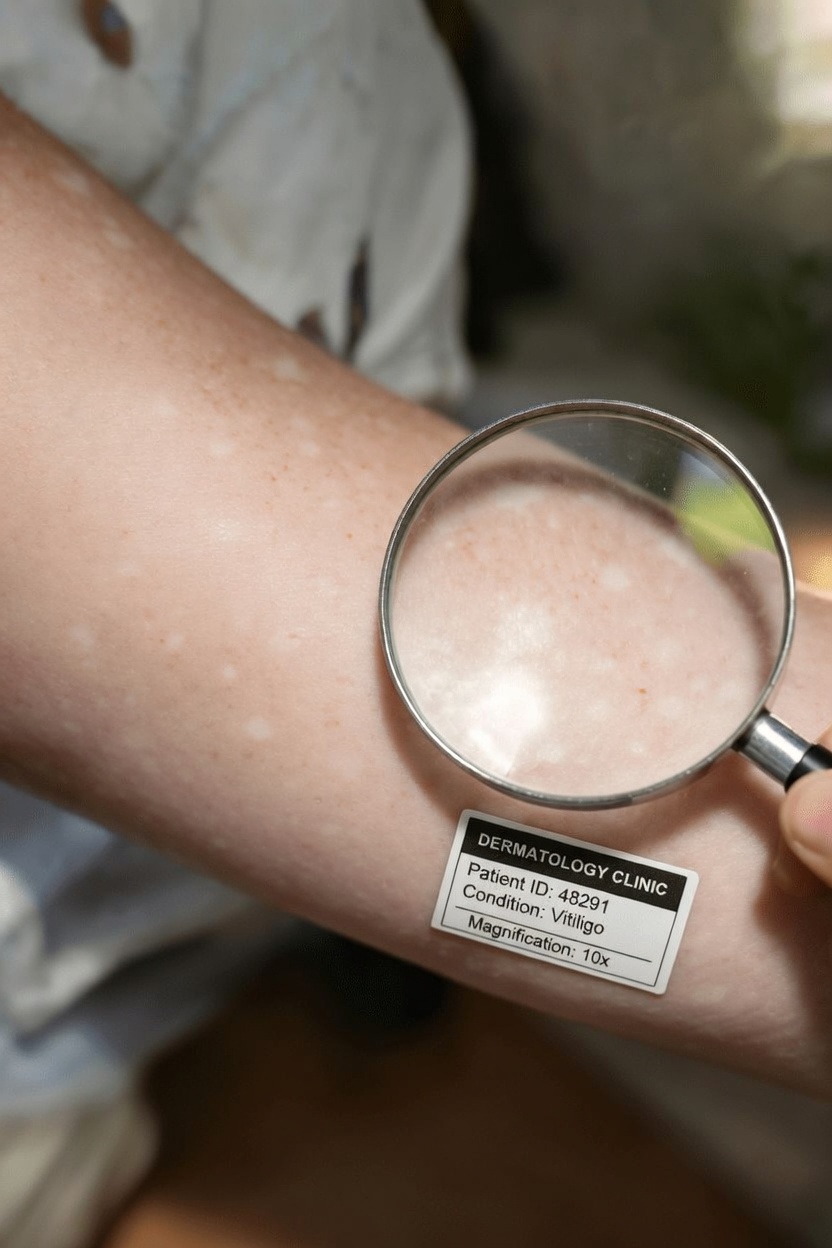
By contrast, the small white spots discussed here are usually tiny, flat, smooth, non-scaly, and localized to sun-exposed areas. They do not usually spread dramatically. While a simple visual exam may suggest what they are, a dermatologist is the best person to confirm the diagnosis if there is any uncertainty.
Why Sun Protection Is So Important
Although these spots are harmless, your sun habits still matter. Too much UV exposure not only contributes to these pigment changes but also increases the risk of other visible signs of skin aging and additional skin concerns.
Practical ways to protect your skin
- Use a broad-spectrum sunscreen with SPF 30 or higher every day
- Apply sunscreen even on cloudy days or when indoors near windows
- Wear lightweight long sleeves or long pants during extended outdoor time
- Stay in the shade during peak sun hours, usually from 10 a.m. to 4 p.m.
- Reapply sunscreen every two hours, especially after sweating or swimming
These simple habits can support healthier-looking skin and may help prevent new spots from becoming more noticeable over time.
Daily Habits That Help Maintain Healthy Skin
Sun protection is essential, but it is not the only step that matters. Small daily choices can improve overall skin resilience and help maintain a healthier appearance.
Drinking enough water supports skin hydration from within. A balanced diet rich in fruits, vegetables, and healthy fats provides antioxidants and nutrients that support normal skin function. Gentle skincare is also helpful. Harsh scrubs can create microtrauma, so it is better to choose mild cleansers and follow with a good moisturizer.
Some people also use products containing retinoids, under professional supervision, to improve skin texture. However, results for pigment changes can vary, and these products are not a guaranteed solution for white spots.
A simple skincare routine to follow
- Cleanse with a gentle, fragrance-free product
- Apply a moisturizer that suits your skin type
- Use broad-spectrum sunscreen every morning
- Add a mild exfoliant once or twice a week if recommended by a professional
These steps are easy to maintain and focus more on prevention and skin support than on dramatic correction.
What You Can Do If the Spots Bother You Cosmetically
For many people, no treatment is necessary because the spots do not cause pain or health problems. Still, if their appearance affects your confidence, there are several cosmetic options sometimes discussed in dermatology.
Possible approaches include:
- Topical creams that may support gradual pigment blending
- Targeted light-based treatments
- Brief cryotherapy or cold-based procedures in some cases
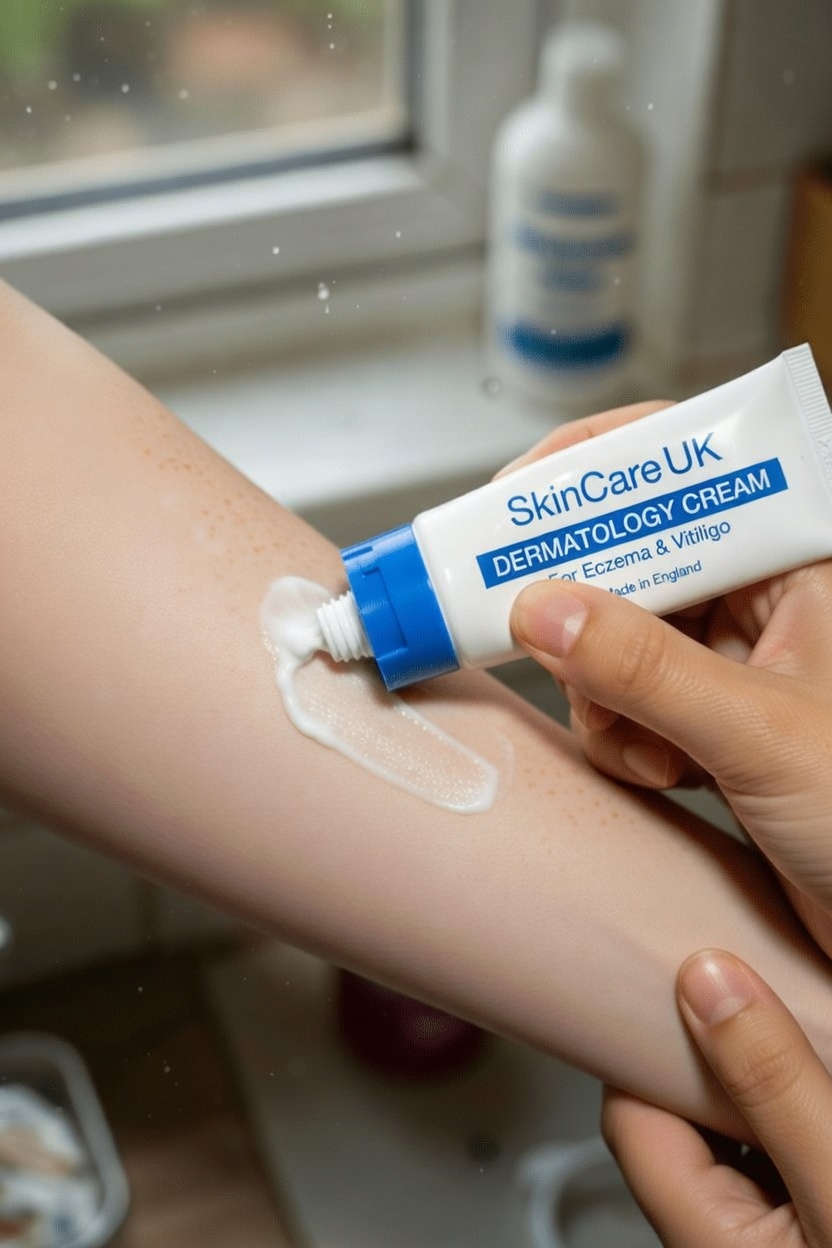
Results vary from person to person, and improvements are often modest rather than complete. The best next step is to speak with a board-certified dermatologist, who can recommend options based on your skin type, goals, and medical history.
The most important point is that these spots are not usually a medical emergency. For many adults, they are simply a common sign of how skin changes over time with age and sun exposure.
Frequently Asked Questions
Are these tiny white spots contagious?
No. They are not contagious and are not usually caused by bacteria, viruses, or fungi. They reflect a local change in pigmentation, not an active infection.
Will they disappear on their own or spread everywhere?
In most cases, the spots remain relatively stable after they appear. They do not usually spread widely across the body like certain other skin conditions and tend to stay in sun-exposed areas.
Should I see a doctor about them?
If the spots are new, changing quickly, or accompanied by symptoms such as itching, scaling, redness, or irritation, it is a good idea to see a dermatologist. Otherwise, they are generally viewed as a harmless skin variation that does not require treatment.
Final Thoughts
Seeing tiny white spots on your arms or legs can be surprising, but in most cases they are simply a harmless reflection of how skin responds to sun exposure and aging over time. Understanding what they are can ease concern and help you focus on healthy, protective habits.
The most valuable step you can take is to make daily sun protection part of your routine. That one habit can support healthier-looking skin in the long term and help you manage future changes with confidence.