
Guava Leaf Tea: A Gentle Herbal Support for Everyday Wellness
Many people experience everyday discomforts—such as mild digestive upset after meals, dips and spikes in energy, or simply the need for a natural way to relax at the end of the day. On their own, these issues may seem minor, but over time they can affect comfort, concentration, and overall balance in a busy lifestyle. One simple herbal option, enjoyed for generations in many cultures, is now drawing fresh attention as a gentle addition to modern wellness routines.
Guava leaf tea is a straightforward herbal infusion made from the leaves of the guava tree, rich in natural plant compounds. What makes it especially interesting is how both traditional use and emerging research suggest it may offer support in multiple areas of well-being—some of them surprisingly diverse. Below, you’ll find 17 potential benefits, what current studies indicate, and how you can start using it at home.

Why Guava Leaf Tea Is Becoming Popular in Modern Wellness
Guava leaves come from the Psidium guajava tree, a tropical species long valued in traditional medicine systems across Asia, Latin America, and other regions. The leaves contain a variety of bioactive substances—such as flavonoids, polyphenols, and quercetin—that are believed to contribute to their health-supporting reputation.
Scientific reviews and health publications have highlighted how guava leaf extracts may interact with the body. Research in test tubes, animals, and some human trials has explored their potential role in everyday health maintenance, including metabolism and digestive comfort. In Japan, a specific guava leaf tea has even been approved as a Food for Specified Health Uses (FOSHU) for its role in supporting healthy blood sugar after meals.
This foundation of traditional knowledge plus modern research is what makes guava leaf tea so intriguing as a daily herbal drink.
17 Potential Benefits of Guava Leaf Tea
Below are some of the key ways people around the world incorporate guava leaf tea into their wellness routines, based on traditional usage and early scientific findings. Evidence is still developing, so think of these as possible areas of support rather than guaranteed outcomes.
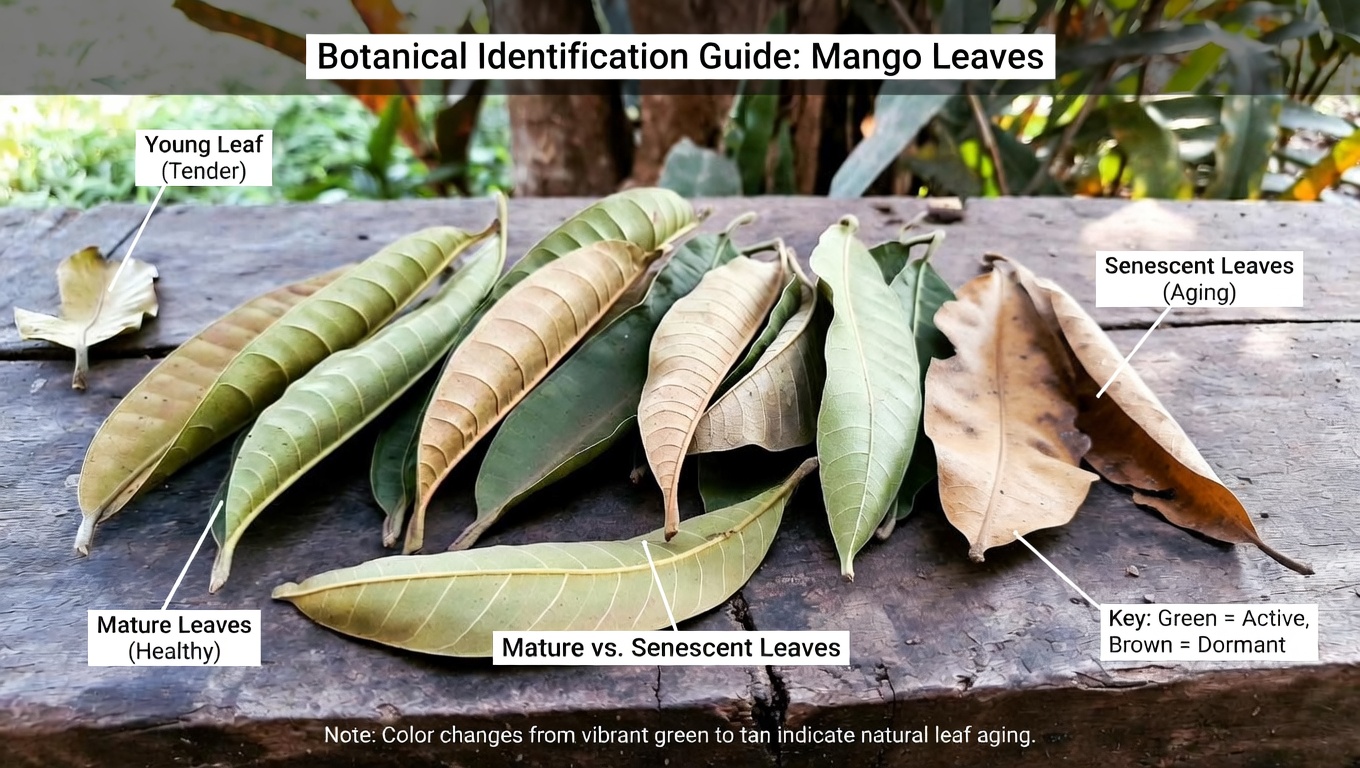
-
Supports Comfortable Digestion
Guava leaf tea is often sipped after meals to promote smoother digestion and ease mild bloating or irregularity. Some studies suggest its plant compounds may have antimicrobial effects that help encourage a balanced gut environment. -
May Help with Occasional Diarrhea
Laboratory and animal research indicates that guava leaf extract could help shorten the duration and reduce the intensity of diarrhea by acting on potential microbial triggers and supporting normal bowel function. -
Helps Promote Balanced Blood Sugar After Meals
One of the most researched aspects of guava leaves is their impact on carbohydrate digestion. Certain compounds may inhibit enzymes that break down carbohydrates, which can contribute to more stable post-meal blood sugar levels when used alongside a balanced diet. -
Supports Heart and Circulatory Wellness
The antioxidants in guava leaves may help protect cells from oxidative stress and support healthy cholesterol and blood pressure levels as part of an overall heart-conscious lifestyle, according to several reviews. -
Encourages Natural Relaxation
A warm cup of guava leaf tea can be a calming evening ritual. Many people find the earthy flavor and soothing warmth help them unwind and shift out of “high gear” after a long day. -
Helps Maintain Everyday Immune Function
Guava leaves contain vitamin C–related compounds and other antioxidants that may help support the body’s natural defenses against everyday stressors. -
Supports a Healthy Inflammatory Response
Traditional use and preliminary scientific studies suggest that the polyphenols in guava leaves might contribute to a balanced inflammatory response, which is important for overall well-being. -
Promotes Skin Vitality and Appearance
By providing antioxidants that help combat daily environmental stress, guava leaf tea may indirectly support healthier-looking skin and a more radiant complexion over time. -
Fits into Weight Management Plans
Naturally low in calories and free from added sugar, guava leaf tea can be a smart substitute for sweetened beverages. Its warm, satisfying nature may help reduce reliance on sugary drinks. -
Offers Comfort for Muscles After Activity
Enjoying the tea warm after exercise or physical labor can feel restorative. The combination of hydration, warmth, and relaxation may offer gentle comfort to tired muscles. -
Supports Oral and Gum Health
Some research points to potential antibacterial activity of guava leaf extracts, which may support oral cleanliness and gum comfort when used as part of good daily oral hygiene. -
May Ease Menstrual Discomfort for Some
Limited studies suggest guava leaf preparations could help reduce the intensity of menstrual cramps in certain individuals, though more research is needed to confirm these effects. -
Contributes to Liver Support
Animal studies have explored the possibility that guava leaf compounds may help protect the liver from oxidative stress, supporting normal liver function when combined with a healthy lifestyle. -
Gently Supports the Body’s Natural Detox Processes
Herbal teas like guava leaf tea contribute to daily hydration, which is essential for the body’s natural cleansing and elimination pathways. -
Helps Promote More Stable Energy Levels
By potentially supporting balanced blood sugar and metabolism, guava leaf tea may help reduce sharp energy highs and lows across the day when enjoyed regularly. -
Boosts Daily Antioxidant Intake
Regular cups of guava leaf tea provide an additional source of beneficial plant compounds, contributing to your overall antioxidant intake. -
Creates a Simple, Grounding Daily Ritual
Beyond its potential health benefits, guava leaf tea is easy to prepare and can become a comforting, mindful daily habit that anchors your wellness routine.
How to Make Guava Leaf Tea at Home: Step-by-Step
Preparing guava leaf tea at home is simple and requires only a few ingredients. Here is an easy method to get you started:

-
Gather the leaves
- Use about 10–15 fresh young guava leaves (rinse thoroughly).
- Or use approximately 1–2 teaspoons of dried guava leaves.
-
Boil the water
- Bring 1 liter (roughly 4 cups) of fresh water to a rolling boil.
-
Simmer the leaves
- Add the guava leaves to the boiling water.
- Reduce the heat and let them simmer for 10–15 minutes, or until the liquid takes on a light amber or golden hue.
-
Strain and enjoy
- Remove the pot from the heat.
- Strain out the leaves and pour the tea into a cup.
- Drink it warm. If you like, add a squeeze of lemon or a small amount of honey for extra flavor.
You can start with one cup per day, perhaps after a main meal or in the evening. Always choose clean, pesticide-free leaves from a reliable source.
Guava Leaf Tea vs. Other Popular Herbal Teas
Curious how guava leaf tea compares with other well-known herbal options? Here is a quick overview:
-
Guava Leaf Tea:
- Flavor: Earthy, mild, slightly herbaceous.
- Key associations: Digestive comfort, blood sugar support, daily antioxidant boost.
-
Green Tea:
- Flavor: Slightly bitter, grassy.
- Key associations: Strong antioxidant content, metabolism support, gentle energy from caffeine.
-
Ginger Tea:
- Flavor: Warm, spicy, zingy.
- Key associations: Nausea relief, digestive support, warming effect.
-
Chamomile Tea:
- Flavor: Light, floral, subtly sweet.
- Key associations: Relaxation, sleep support, soothing nighttime drink.
Guava leaf tea stands out for its combination of digestive and metabolic support, making it a versatile choice alongside more familiar herbal teas.
Tips for Getting the Most from Your Guava Leaf Tea Routine
To maximize the potential benefits of guava leaf tea, consider these practical suggestions:
-
Be consistent
Enjoy one cup daily for several weeks to notice gradual, subtle changes rather than expecting immediate results. -
Pair with healthy habits
Combine guava leaf tea with balanced meals, regular movement, and adequate sleep for a more holistic wellness approach. -
Store leaves correctly
If you have fresh leaves, dry the extra ones in a shaded, well-ventilated area. Once fully dry, store them in an airtight container away from heat and light. -
Pay attention to your body
Start with smaller amounts and adjust based on how you feel. If anything seems off, reduce intake or pause and consult a healthcare professional.
Final Thoughts on Adding Guava Leaf Tea to Your Day
Guava leaf tea offers a gentle, time-honored way to support everyday well-being through its rich profile of plant compounds. While research is still evolving, its long history of traditional use and ease of preparation make it an appealing addition to a modern wellness routine. Enjoyed mindfully alongside healthy lifestyle habits, it can become a simple, calming ritual that supports you from the inside out.
Frequently Asked Questions (FAQ)
Is guava leaf tea safe to drink every day?
For most generally healthy adults, drinking guava leaf tea in moderate amounts appears to be well tolerated. It’s wise to start with a small serving (such as one cup per day) and see how your body responds.
Can I drink guava leaf tea if I have existing health conditions?
If you have a medical condition—especially if you are managing blood sugar issues, taking prescription medications, pregnant, or breastfeeding—talk with your healthcare provider before adding guava leaf tea to your routine.
What does guava leaf tea taste like?
Guava leaf tea has a mild, earthy, and slightly sweet flavor. Many people find it smooth and soothing on its own, and it pairs well with a bit of honey or lemon if you prefer a brighter taste.