Aloe Vera Benefits: What Research Says About Skin Relief and Everyday Wellness
Dry, sensitive skin and occasional digestive upset are common concerns, and many people prefer gentle, plant-based remedies to feel better. These small but frustrating issues can affect comfort and confidence, especially when everyday products fail to deliver the soothing effect you want. Aloe vera, the familiar succulent often seen in homes, has remained popular for years thanks to the cool, moisture-rich gel inside its leaves.
What makes aloe vera truly interesting, though, is not just its traditional reputation. The bigger picture comes from scientific findings on how it may fit into daily self-care. Below, we’ll explore what aloe vera may actually help with, where evidence is still limited, and how to use it safely at home.
Why Aloe Vera Has Remained a Trusted Plant
Aloe vera is a fleshy plant that grows well in warm, arid climates. Inside its thick leaves is a clear gel rich in water, vitamins, minerals, antioxidants, and natural compounds such as polysaccharides. For generations, people have applied this gel to the skin and, in some cases, used aloe products orally for general wellness.
According to well-known health resources such as Mayo Clinic and WebMD, the transparent inner gel, rather than the yellow latex layer, is usually considered safe for most topical purposes. Its natural composition may help soothe inflammation and assist the skin’s normal recovery process.
Still, not every health claim linked to aloe vera is equally well supported. Some uses have reasonable evidence behind them, while others need much more research.
Aloe Vera for Skin Health: Uses With the Best Support
Among all of aloe vera’s potential benefits, skin care is where the strongest evidence exists. Research suggests it may be useful as a supportive option in several common situations.
Burns and Minor Skin Injuries
One of the most studied uses of aloe vera gel is for mild burns. Reviews and clinical findings suggest that applying aloe vera may help first- and second-degree burns heal faster than some conventional approaches. It may also reduce redness, discomfort, and surface irritation. This is one reason many people use fresh aloe gel for mild sunburn or small kitchen burns.
Acne Care
Some smaller studies have found that aloe vera may improve acne treatment results when used alongside prescription products such as tretinoin. Its calming, hydrating, and possibly antibacterial qualities may help reduce irritation while supporting clearer skin.
Psoriasis and Dry, Itchy Skin
Creams or topical products containing aloe extract have shown promise in easing symptoms of mild to moderate psoriasis when used regularly over time. Aloe vera may also help soothe dryness, itching, and skin irritation linked to other minor skin concerns.
Common Topical Uses Supported by Some Research
- Relieving discomfort from minor burns or sunburn
- Supporting healing in small cuts and scrapes
- Soothing irritated or inflamed skin, including psoriasis
- Assisting acne care when combined with other treatments
Much of this benefit appears to come from aloe vera’s moisturizing effects and its natural anti-inflammatory compounds.
Oral Aloe Vera: Possible Benefits and Current Evidence
Aloe vera is sometimes consumed as juice or gel for digestive support or blood sugar balance. However, the evidence for internal use is less consistent than it is for skin application.
Digestive Support
Aloe has long been associated with digestive wellness. The plant’s yellow latex portion has historically been used as a laxative, but experts urge caution because this part can cause unwanted side effects. The gel itself may offer some digestive support due to its polysaccharides, yet stronger, better-designed studies are still needed before firm conclusions can be made.
Blood Sugar Control
Some reviews suggest aloe vera may help improve blood sugar levels in people with prediabetes or type 2 diabetes, possibly by supporting insulin sensitivity. Even so, findings are mixed, and aloe should never be treated as a substitute for medical care, prescribed medication, or healthy lifestyle changes.
Important Reality Check on Serious Disease Claims
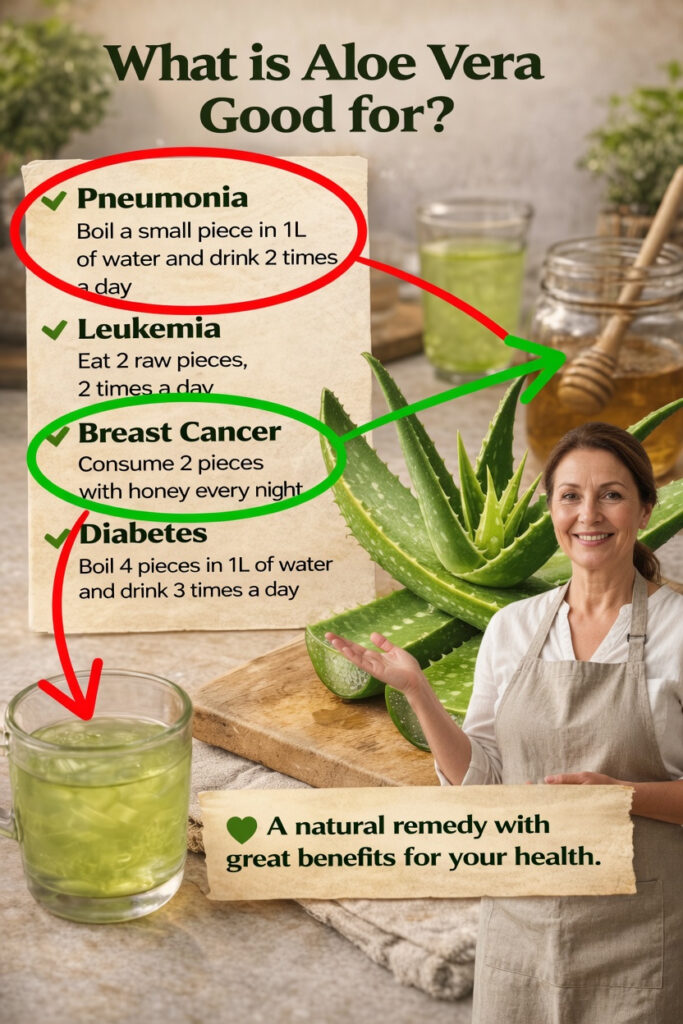
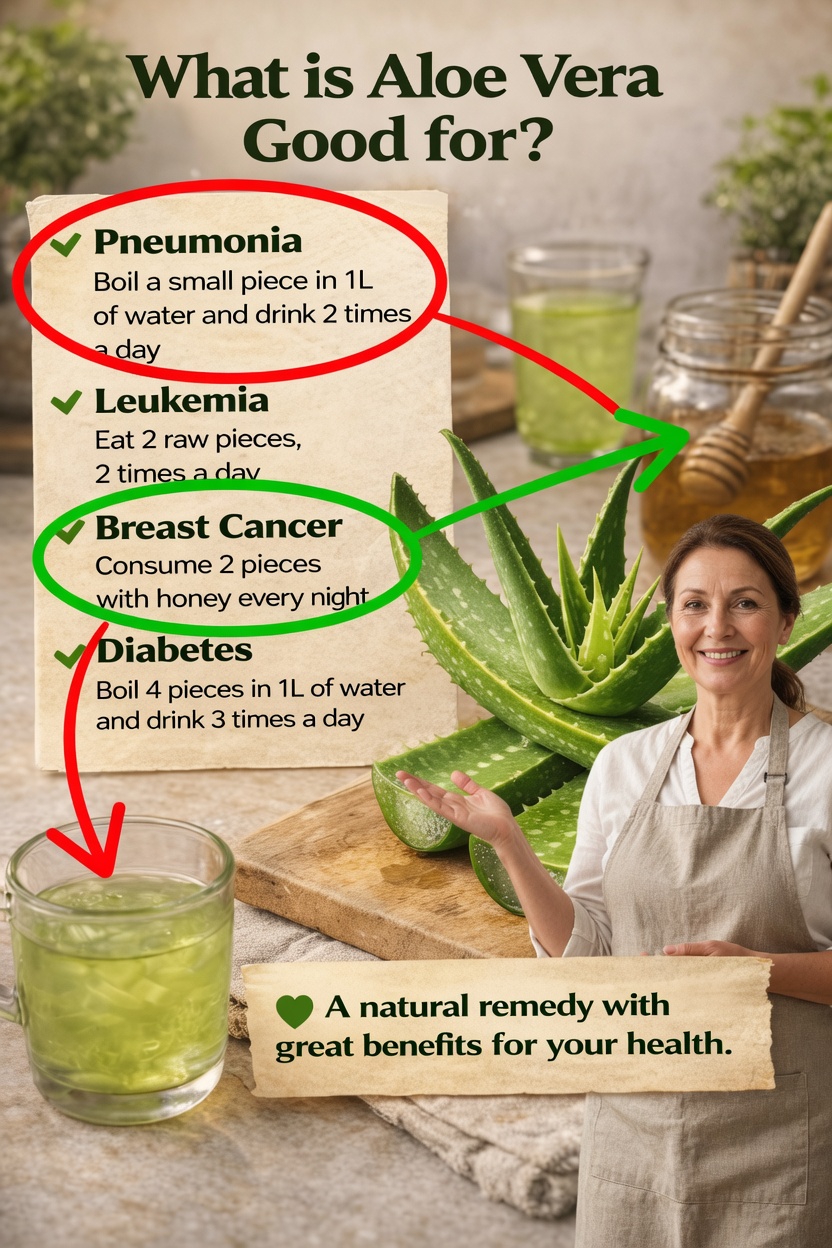
There are also claims online about aloe vera helping with major illnesses such as cancer, leukemia, pneumonia, or severe diabetes complications. At this time, those claims are not backed by strong clinical evidence in humans. While laboratory studies may show antioxidant or anti-inflammatory activity, that does not prove aloe can prevent or treat serious medical conditions. Proven medical treatment should always come first.
How to Use Aloe Vera Safely at Home
If you want to include aloe vera in your routine, safe preparation and careful use matter.
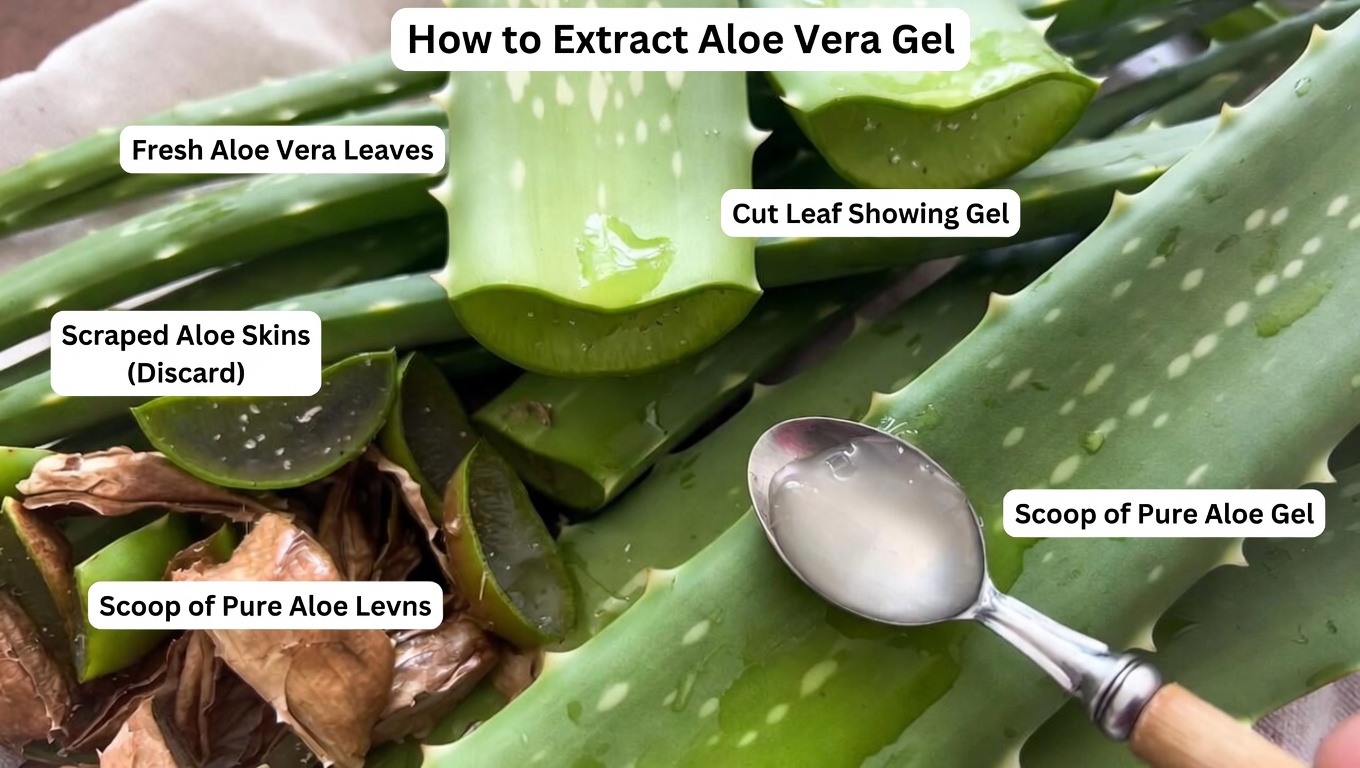
Preparing Fresh Aloe Gel
- Select a mature leaf from the outer section of the plant.
- Cut it near the base.
- Stand the leaf upright in a glass for about 10 minutes so the yellow latex can drain out.
- Slice the leaf open lengthwise.
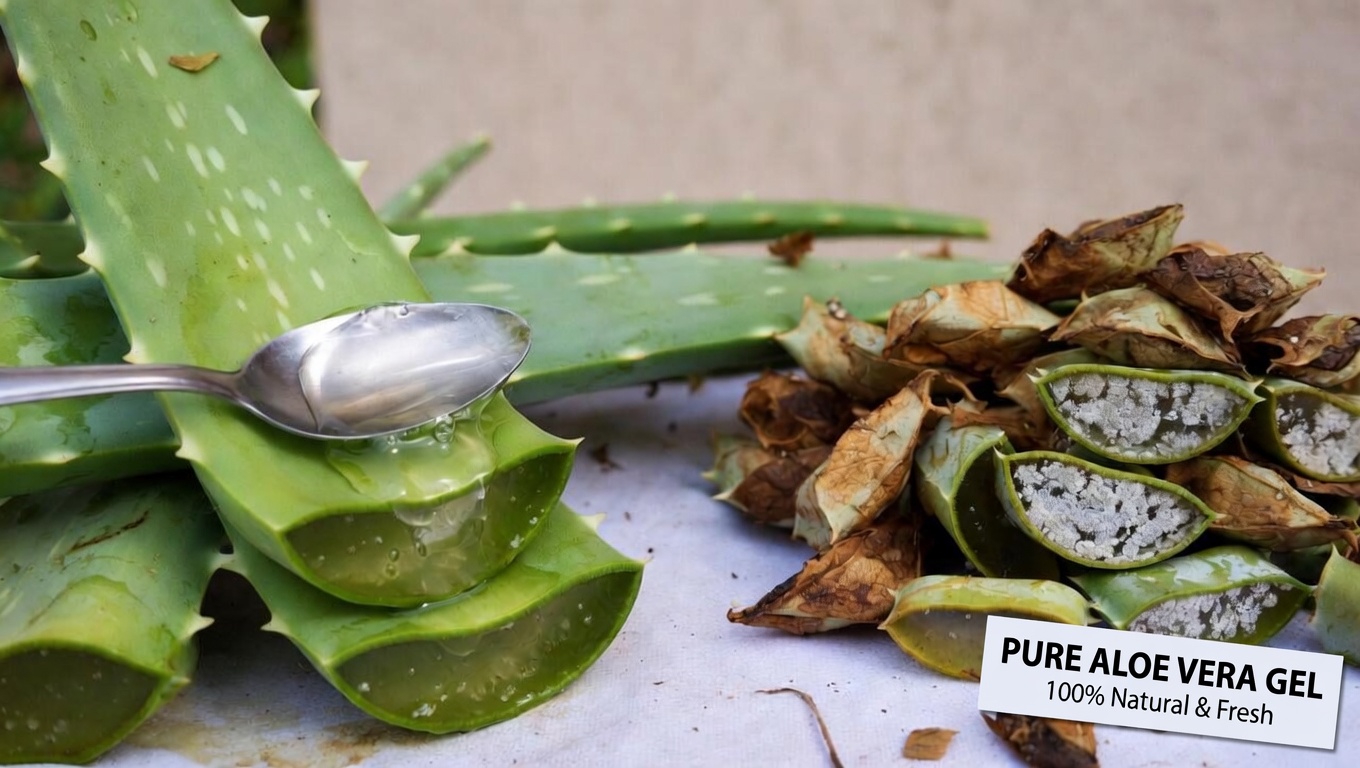
- Scoop out the clear inner gel with a spoon.
- Blend the gel if you prefer a smoother consistency for skin use or drinking.
Tips for Applying Aloe to the Skin
- Spread a thin layer of fresh gel onto clean skin 2 to 3 times daily.
- Test a small area first, such as the inner arm, to check for sensitivity.
- Keep leftover gel refrigerated and use it within about one week.
If You Are Considering Oral Use
- Begin with a small amount of pure, food-grade aloe vera juice.
- Choose products labeled as free from aloin, the compound linked to laxative effects.
- Speak with a healthcare professional first, especially if you use prescription medication.
In many cases, the best results come from regular use and pairing aloe vera with other healthy habits such as hydration, balanced nutrition, and gentle skin care.
Aloe Vera Safety and Possible Side Effects
Topical aloe vera is generally well tolerated, but not everyone reacts the same way. A few people may notice mild irritation, itching, or an allergic response, which is why patch testing is a good first step.
Internal use requires more caution.
Risks of Taking Aloe by Mouth
- Aloe latex may cause cramping and diarrhea, especially if overused.
- Long-term internal use is not advised without professional guidance.
- Aloe may interact with certain medications, including diabetes medicines and blood thinners.
People who are pregnant, breastfeeding, managing medical conditions, or considering aloe use for children should avoid oral aloe unless a qualified healthcare provider approves it.
Conclusion: A Useful Plant With the Greatest Value in Skin Care
Aloe vera remains a versatile natural remedy for everyday comfort and wellness. The strongest evidence supports its topical use, especially for mild burns, minor wounds, and some skin conditions. While traditional uses continue to attract attention, the safest and most effective approach is to focus on applications supported by research.
Adding fresh aloe gel to your routine can be a simple, practical way to care for your skin naturally and comfortably.
FAQ
Is it safe to use aloe vera straight from the plant?
Yes. The clear inner gel is generally safe for topical use in most people. Be sure to let the yellow latex drain away first, and always do a patch test before wider application.
Can aloe vera juice improve digestion?
Some people use it for mild digestive comfort, but scientific support is still limited. If you choose to try it, use aloin-free products and consult a doctor before taking it regularly.
Does aloe vera help lower blood sugar?
Early research suggests it may have some benefit for blood sugar management, but results are not conclusive. It should never replace prescribed treatment, medical advice, or healthy lifestyle changes.