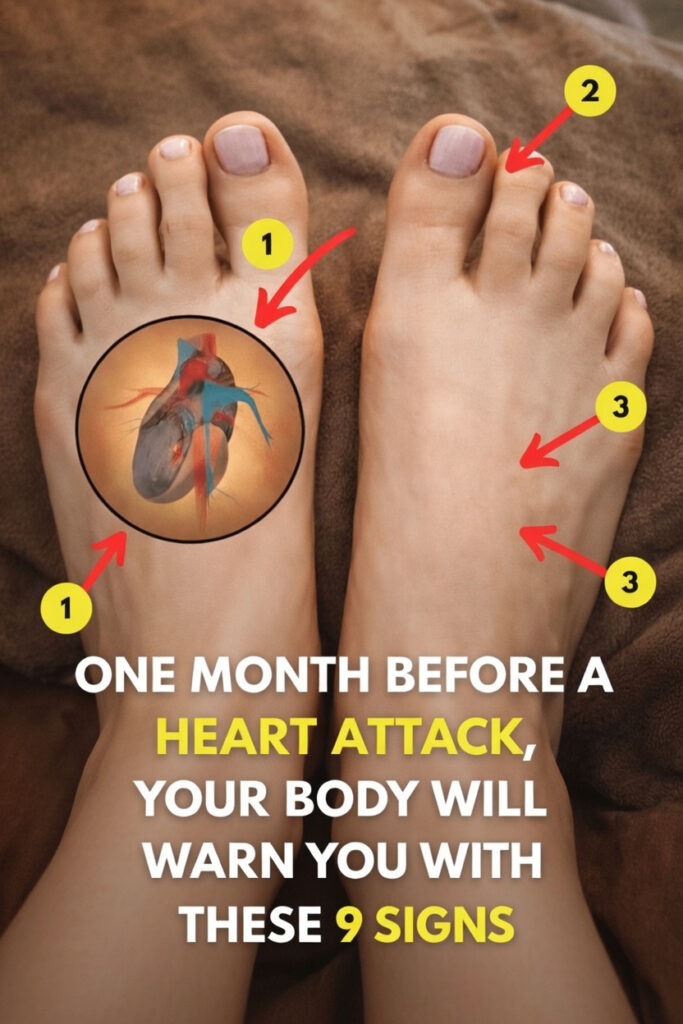
9 Subtle Changes That May Appear Before a Heart Attack
Many people dismiss daily exhaustion or minor physical discomfort as the result of a packed schedule, poor sleep, or simply getting older. But when these small changes keep showing up, they can create a quiet feeling that something is not quite right. In many cases, the body gives early warning signs before a serious heart issue occurs. Recognizing these signals can help you respond sooner and make more informed decisions about your health.
This guide explores nine subtle symptoms that some people report in the weeks before a heart attack, along with practical steps to help you stay alert and proactive.
Why Early Heart Attack Symptoms Matter
According to research cited by organizations such as the American Heart Association, some people experience symptoms days or even weeks before a heart attack happens. These signs are not a guarantee that a cardiac event will occur, but they have been commonly reported in survivor studies and medical reviews.
The challenge is that these symptoms are often mild. They may come and go, feel unrelated, or seem easy to explain away. That is exactly why paying attention matters. Noticing patterns early gives you the chance to speak with a healthcare professional before symptoms become more serious.
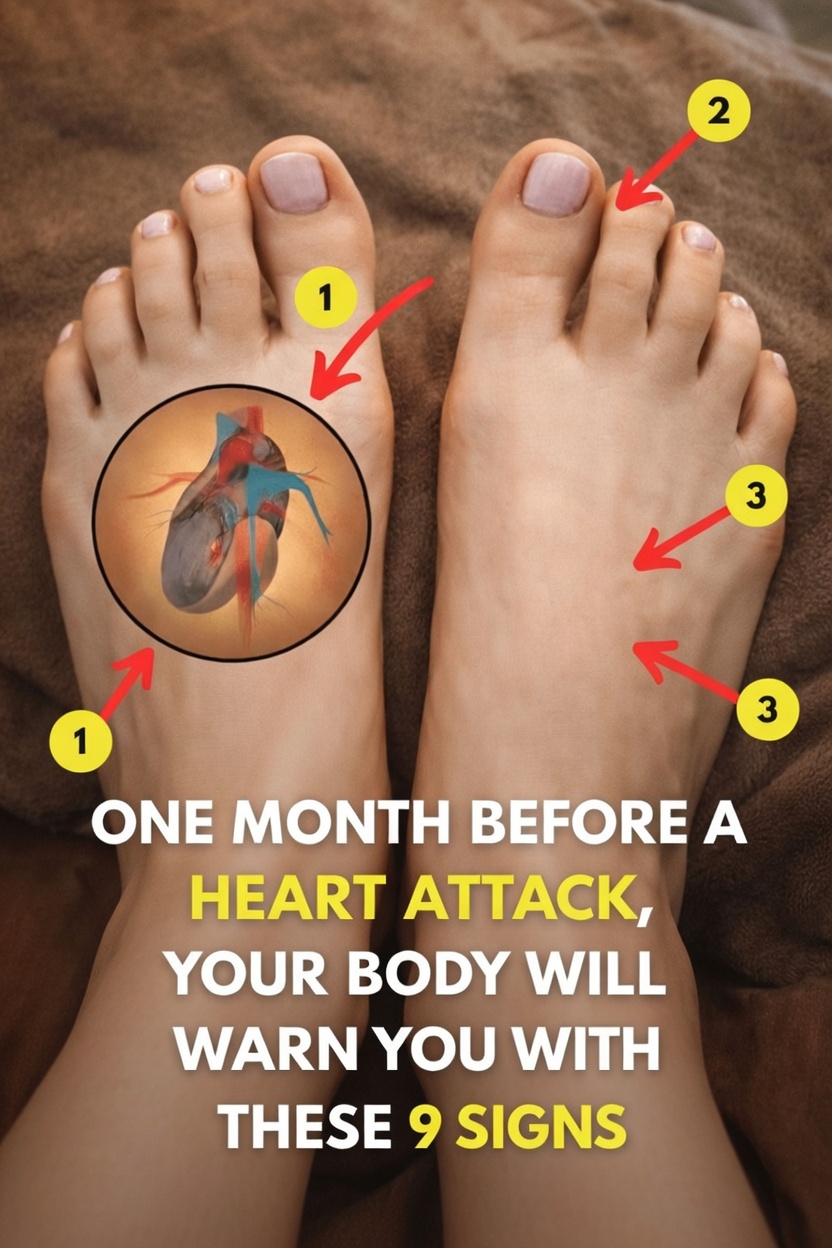
9 Possible Warning Signs to Watch For
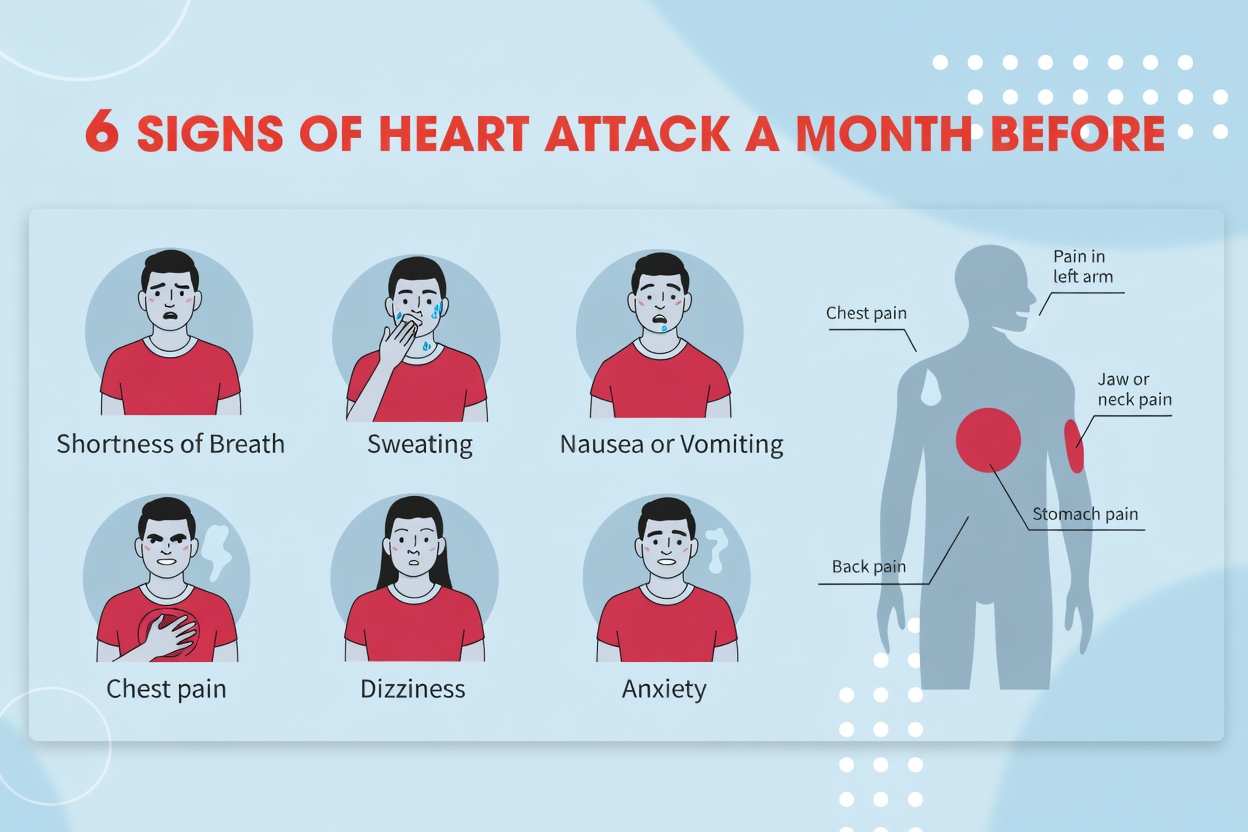
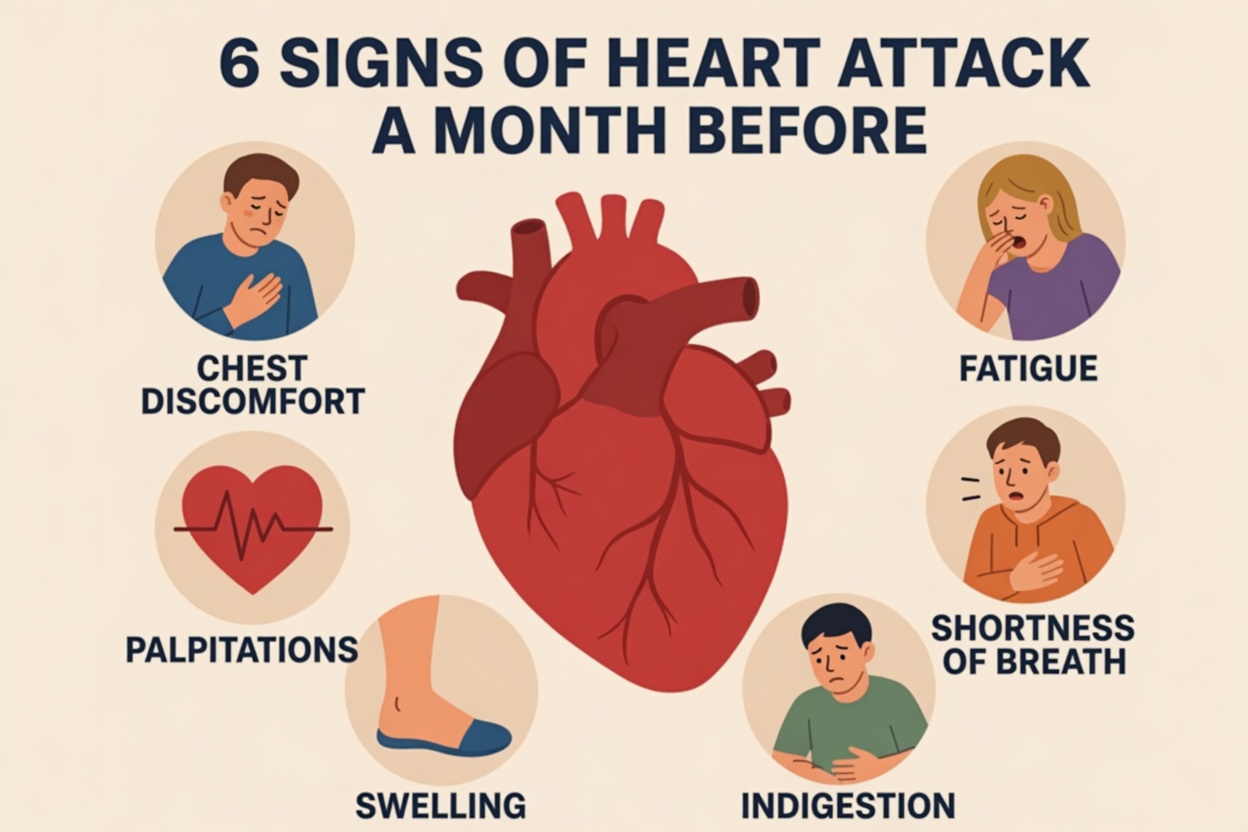
Medical literature and patient surveys suggest that the following changes may appear in the month leading up to a heart attack for some individuals:
1. Unusual Fatigue
This is more than feeling tired after a long day. It may feel like heavy, persistent exhaustion that does not improve with rest or light activity. Some studies involving women who survived heart attacks found that a large percentage reported severe fatigue in the weeks beforehand.
2. Shortness of Breath
Becoming breathless during simple tasks like walking short distances, climbing stairs, or doing routine chores may be a sign worth noting, especially if it feels new or unusual.
3. Chest Discomfort
Not everyone experiences sudden, intense chest pain. For some, the feeling is more subtle, such as pressure, tightness, squeezing, or heaviness in the center of the chest that comes and goes.
4. Dizziness or Lightheadedness
Episodes of feeling faint, off-balance, or unsteady without a clear explanation may also be an early signal, particularly when they happen repeatedly.
5. Swelling in the Legs, Ankles, or Feet
Fluid retention in the lower body can sometimes point to strain on the heart. If puffiness does not improve with rest or elevation, it should not be ignored.
6. Irregular Heartbeat
A fluttering sensation, skipped beats, or noticeable palpitations may indicate that the heart rhythm is behaving differently than usual.
7. Nausea or Indigestion
Some people report stomach discomfort, heartburn, nausea, or a full feeling that seems unrelated to food or known digestive problems.
8. Unexplained Sweating
Cold sweats or clammy skin during ordinary daily activities, especially without exercise or heat exposure, may be another subtle warning sign.
9. Anxiety or a Sense That Something Is Wrong
An unusual feeling of unease, panic, or impending doom can sometimes appear before a cardiac event, even when there is no obvious emotional trigger.
These signs do not always happen one at a time. In many cases, they overlap, develop slowly, or appear inconsistently, which makes tracking them especially useful.
How These Symptoms Can Affect Everyday Life
These changes can seem small at first, but they may quietly interfere with your routine. You may wake up already exhausted, feel short of breath doing simple tasks, or notice swelling by the end of the day even though your habits have not changed. Over time, this can affect sleep, mood, focus, and overall energy.
Cardiology research has noted that these early symptoms may be reported more often by women and older adults, though they can happen to anyone. What matters most is not one isolated symptom, but a pattern of changes that feels new, unusual, or persistent.
Because the signs are often subtle, many people do not act until they become stronger. Paying attention early can turn uncertainty into useful information for you and your doctor.
Simple Ways to Be More Proactive About Heart Health
You do not need complicated tools to become more aware of your body. A few consistent habits can help you notice changes sooner and make conversations with your healthcare provider more productive.
Practical steps you can start today
- Keep a symptom journal and write down when symptoms happen, how strong they feel, and what you were doing at the time.
- Book a medical check-up if two or more symptoms continue for more than a week.
- Add gentle movement, such as short walks, while paying attention to your breathing and energy levels.
- Stay hydrated and eat balanced meals to rule out common lifestyle-related causes.
- Tell a trusted family member or friend what you have been noticing so they can help you identify patterns.
Another useful habit is checking your blood pressure at home with a basic monitor. Regular readings can provide your doctor with helpful information and a clearer picture of your heart health over time.
Daily Habits That Support Better Heart Awareness
In addition to tracking symptoms, healthy routines can help you stay more in tune with your body. Small lifestyle choices often improve how you feel overall and make it easier to notice when something changes.
Consider focusing on the following:
- Maintain a regular sleep schedule
- Practice stress reduction techniques, such as deep breathing or quiet relaxation
- Reduce excess salt in your diet
- Eat more vegetables and nutrient-rich foods
- Stay physically active at a comfortable level
Experts, including those at the Mayo Clinic, often emphasize that healthy daily habits support heart health and complement medical guidance. They do not replace professional care, but they can help you feel better and stay more aware of your body’s signals.
When to Contact a Healthcare Professional
If any of these symptoms are new, concerning, or becoming more frequent, do not wait and hope they disappear. Reach out to your doctor for an evaluation. Early medical advice may lead to straightforward testing, reassurance, or timely treatment recommendations.
Symptoms can vary greatly from person to person. Only a qualified healthcare provider can assess what these changes mean based on your medical history, age, and risk factors.
Conclusion
The body often gives subtle clues when something needs attention, sometimes weeks before a heart attack. By learning to recognize these nine possible warning signs, tracking them carefully, and speaking with a medical professional when needed, you can take a more active role in protecting your heart health.
Stay aware of how you feel from day to day, and do not ignore patterns that seem unusual. When something feels off, seeking support early is always a smart step.
Frequently Asked Questions
Can these symptoms show up more than a month before a heart attack?
Yes. Some people notice changes earlier than a month, while others experience symptoms only days before a heart attack. Because timing is different for everyone, ongoing awareness is important.
Do all people experience the same warning signs?
No. Symptoms can vary widely. Women, older adults, and people with diabetes may be more likely to experience less typical signs such as fatigue, nausea, or shortness of breath instead of classic chest pain.
What should I do if I notice several symptoms at the same time?
Contact your healthcare provider as soon as possible for personalized advice. Acting quickly can improve outcomes and provide greater peace of mind.