
Why You Keep Waking Up at 3 or 4 AM
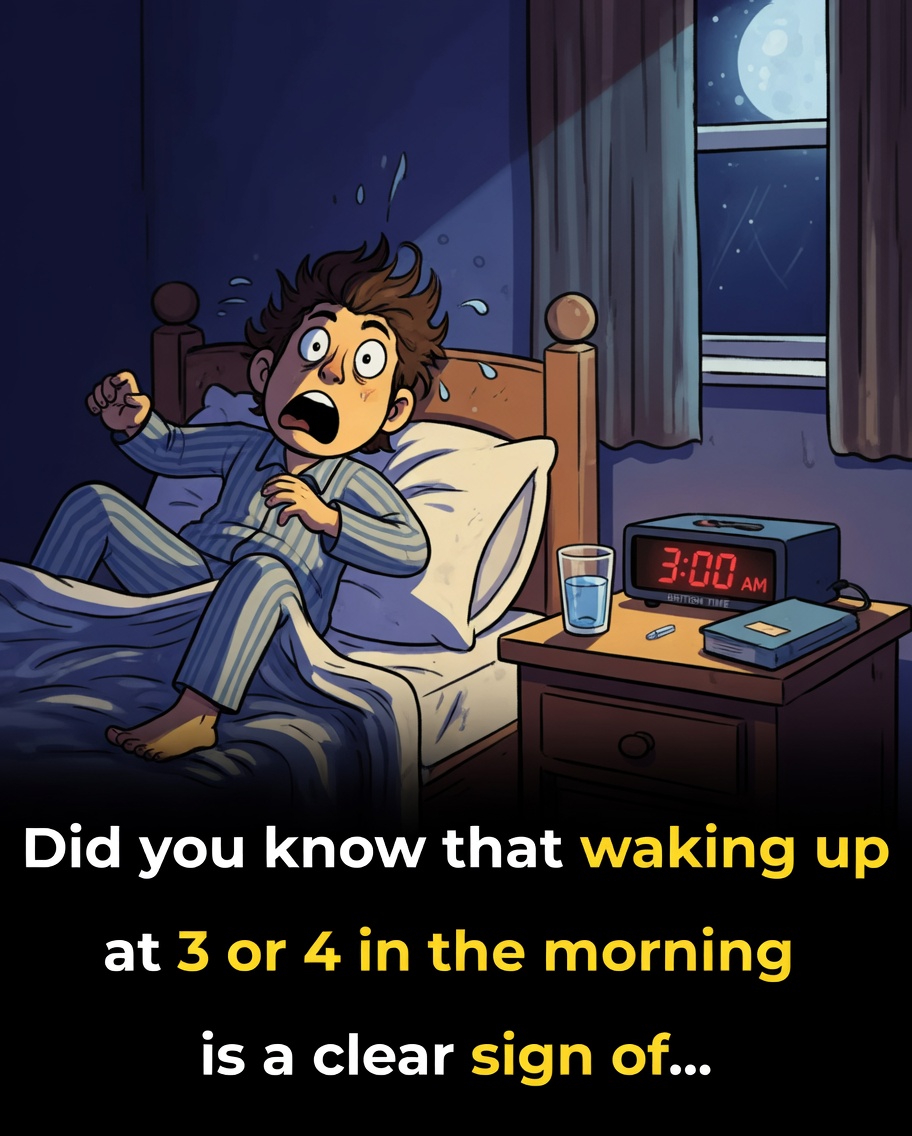
Have you ever suddenly awakened in the middle of the night, looked at the clock, and noticed it was exactly 3:00 AM or 4:00 AM again? Then, while everything around you stays quiet, you lie awake unable to drift back to sleep. It is a common and frustrating experience that can leave you exhausted the next day and wondering whether something unusual is happening.
The reassuring part is that this pattern is very common. In many cases, waking at these hours is linked to normal sleep rhythms, everyday habits, or the way your body responds to stress and recovery. What makes it especially interesting is that once you understand why these wake-ups happen, small adjustments can often improve sleep quality and help you rest more deeply. There is also one overlooked factor many people miss, which we will touch on later.
How Sleep Cycles Make 3 to 4 AM a Common Wake-Up Time
Your body moves through sleep in cycles that last about 90 minutes. Earlier in the night, sleep tends to be deeper and more physically restorative. As morning gets closer, lighter sleep and REM sleep become more dominant.
If you usually go to bed around 10 PM or 11 PM, one of those lighter sleep periods often falls between 3 AM and 4 AM. During this stage, the brain is more active as it processes dreams, memory, and emotions. Because sleep is lighter at this point, even a small disturbance such as a noise, a change in temperature, or an internal stress response can wake you completely.

Sleep research consistently shows that the second half of the night naturally contains more light sleep. That is one major reason so many people repeatedly find themselves awake at the same early-morning hour.
Another important factor is cortisol, the hormone that helps you become alert and ready for the day. As part of your natural circadian rhythm, cortisol slowly begins to rise between roughly 2 AM and 4 AM. If you are under more stress than usual, that normal increase may feel stronger, making you wake suddenly instead of gradually easing toward morning.
Everyday Reasons You May Be Waking at This Hour
A number of daily habits and environmental triggers can make early-morning awakenings more likely. Some of the most common include:
- Stress and mental overactivity: Ongoing worry can keep your nervous system in a more activated state, making it easier to wake during lighter sleep.
- Hormonal changes: Shifts related to perimenopause or menopause can increase nighttime and early-morning waking, especially in women over 55.
- Bedroom temperature or light exposure: A room that is too warm, or evening exposure to blue light from phones and tablets, can interfere with healthy sleep regulation.
- Caffeine or heavy late meals: Both can remain active in your body longer than expected and may increase alertness when you should be staying asleep.
In many cases, improving these basic factors can noticeably reduce sleep interruptions without requiring dramatic lifestyle changes.
Traditional Views on Waking Up in the Night
Some traditional systems offer another perspective on these repeated wake-ups. In traditional Chinese medicine, the body is believed to follow a 24-hour organ clock, with different systems becoming more active at different times of the day and night.
From around 1 AM to 3 AM, the liver system is emphasized. This period is associated with detoxification and emotional processing. Waking during or just after this time may be interpreted as a sign of accumulated tension or unresolved emotions, especially frustration.
From approximately 3 AM to 5 AM, the focus shifts to the lungs. In this view, the lungs are connected not only to breathing and immune function but also to emotions such as sadness or grief. Repeated waking in this window may suggest that the body needs more support through rest, breathing practices, or emotional release.

While this is not a medical diagnosis, it can be a useful way to notice recurring patterns and think more holistically about sleep and well-being. Modern research also supports the idea that stress and emotional strain can affect physical health, reinforcing the close connection between mind and body.
Practical Ways to Sleep Longer and More Restfully
The encouraging news is that there are steps you can start taking right away. These simple, evidence-based habits may help reduce early-morning waking:
-
Create a steady nighttime routine
Lower the lights, stop using screens at least an hour before bed, and choose calming activities such as reading or gentle stretching. -
Improve your bedroom setup
Keep the room cool, ideally around 60 to 67°F or 15 to 19°C, and make it as dark and quiet as possible. Blackout curtains and white noise can be helpful. -
Reduce stress during the day
Deep breathing, light exercise, or writing down your worries before bedtime can lower the mental pressure that often surfaces at night. -
Be mindful of evening eating and drinking
Avoid caffeine after midday, choose lighter dinners, and limit alcohol close to bedtime since it can disrupt later sleep stages. -
Support your circadian rhythm naturally
Get sunlight in the morning to help regulate your internal clock and encourage a healthier cortisol rise at the right time.
You do not need to change everything at once. Start with one or two habits and observe whether your sleep improves over the next week or two.
The Hidden Cost of Ignoring Repeated Wake-Ups
If these interruptions happen often, the effects can build over time. Poor sleep can lead to daytime tiredness, irritability, lower concentration, and reduced emotional balance. Over the long term, inadequate sleep quality may also affect immune health and resilience to stress.
Recognizing the pattern early gives you the chance to respond before the problem becomes more disruptive. In many situations, consistent small changes are enough to restore healthier rest.
There is also one commonly overlooked piece connecting many of these issues: unresolved emotions from daily life can quietly shape your nighttime sleep. Paying gentle attention to this emotional layer can sometimes offer surprising insight and relief.
Final Thoughts: Start Improving Your Sleep Tonight
Waking up at 3 or 4 AM does not have to remain a mystery or become a nightly struggle. When you understand how sleep cycles, cortisol, stress, lifestyle habits, and even traditional body-rhythm perspectives fit together, it becomes easier to take practical steps toward better rest.
Often, the most effective solutions are the simplest ones: a calming evening routine, a better sleep environment, and healthier stress management. With consistency, these small changes can help you wake up refreshed rather than drained.
Keep in mind that sleep is highly individual, and this information is meant for general education only. If waking during the night continues to affect your daily life or happens along with other symptoms, it is best to speak with a healthcare professional for personal guidance.
FAQ
Why do so many people wake up around 3 or 4 AM?
This often happens because the later part of the night includes more light and REM sleep, which makes waking easier. At the same time, cortisol begins rising to prepare your body for morning, which can further increase alertness.
Is waking at 3 AM a sign of a serious health problem?
Usually, no. It is often related to normal sleep patterns, stress, hormones, or daily habits. However, if it happens frequently and affects your health or functioning, a doctor can help rule out any underlying issues.
What should I do if I wake up at 3 or 4 AM and cannot fall back asleep?
Try to stay calm. Avoid looking at your phone or focusing on the clock. Slow belly breathing or a brief quiet activity can help until sleepiness returns. Struggling against wakefulness often makes it harder to fall asleep again.
Important Note
This article is for general informational purposes only and is not a substitute for professional medical advice. Always consult a qualified healthcare provider about concerns related to your sleep or overall health.