How to Clean Wooden Cooking Spoons Without Ruining Them
Wooden cooking spoons can be surprisingly frustrating to clean. Even so, they’ve become a staple in most kitchens.
It’s easy to see why: wooden spoons are tough, versatile, gentle on cookware, and can last for years. They’re perfect for stirring sauces, folding batters, and mixing just about anything.
But when it’s time to wash them, things get complicated. Many home cooks feel annoyed or confused about the best way to clean wooden utensils. Others keep them around not just for practicality, but for the cozy, rustic look they add to the kitchen. Over time, though, frequent use brings its own set of problems.
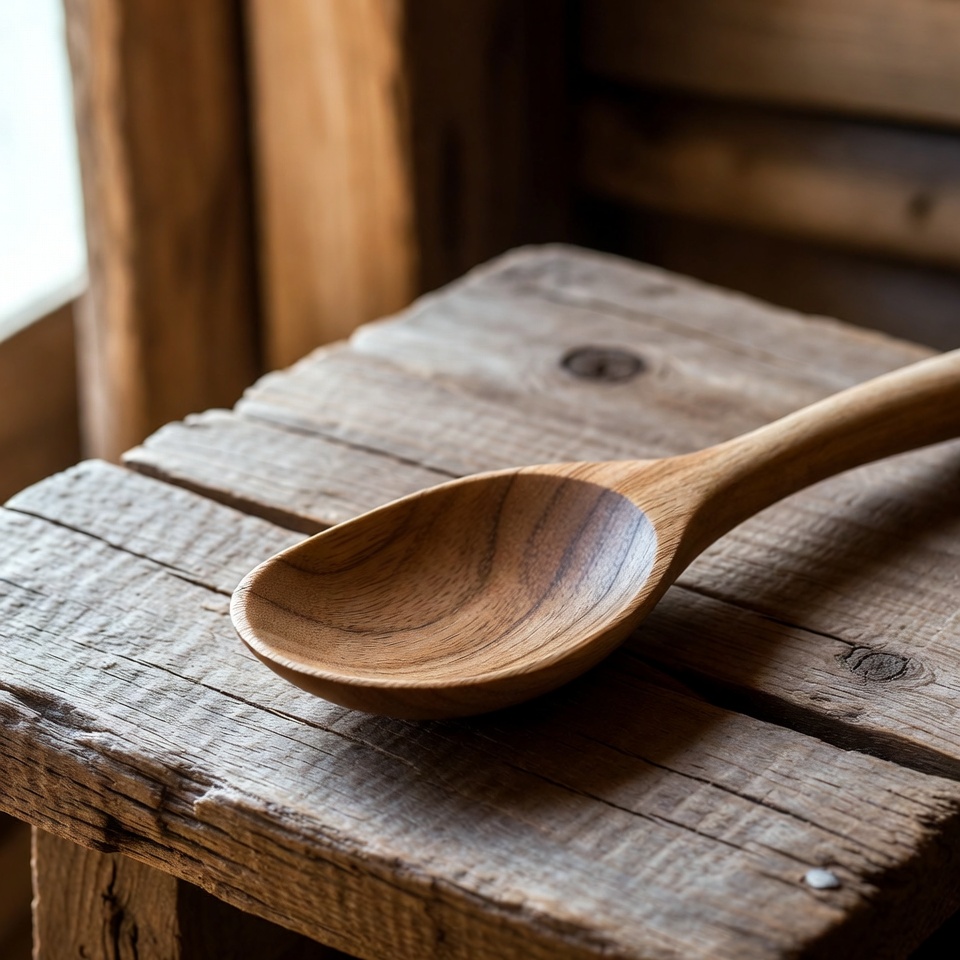
Eventually, wooden spoons can start to absorb odors, pick up stains, and lose their fresh appearance. Cleaning them properly isn’t always straightforward—but there is a simple method that can help.
The Viral TikTok Hack for Cleaning Wooden Spoons
A popular TikTok cleaning hack has made waves by showing how to refresh wooden spoons. You may have come across the video yourself.
The trick? Boiling wooden spoons in hot water to draw out grease, food particles, and odors. On the surface, it sounds like a clever and effective solution.
However, experts don’t all agree. While boiling can remove buildup, the high heat and prolonged exposure to water can damage the wood over time. Potential issues include:
- Cracking
- Warping
- Splitting
If your spoon has been treated or finished with oil or wax, boiling water can also cause the wood to absorb excess moisture, which may shorten its lifespan.
How to Boil Wooden Spoons Safely (If You Choose This Method)
If you still want to try the boiling method to deep-clean your wooden spoons, you can reduce the risk of damage by following a few precautions:
-
Use a large pot
Choose a pot big enough so the spoon can move freely and isn’t jammed against the sides. -
Limit the boiling time
Keep the spoon in gently boiling water for no longer than 5 minutes. Prolonged exposure increases the chance of cracking or warping. -
Cool and dry thoroughly
Remove the spoon carefully, let it cool completely, then dry it with a clean towel. Make sure it’s fully dry before storing to prevent moisture damage or mold.
This approach can help lift out trapped oils and odors, but it’s best used sparingly, not as an everyday cleaning method.
A Gentler Way: Hand Washing and Natural Disinfecting
For regular maintenance, hand washing is the safest and most reliable way to clean wooden cooking spoons.
Step 1: Wash With Warm Water
- Rinse the spoon under warm (not boiling) water.
- Clean it with mild dish soap and a soft sponge or cloth.
- Avoid soaking the spoon for long periods, as prolonged water exposure can cause swelling and cracking.
Step 2: Disinfect With a Vinegar Solution
To naturally sanitize your wooden spoons, use a simple vinegar rinse:
- Mix equal parts white vinegar and water.
- Wipe or briefly dip the spoon in the solution.
- Rinse quickly with clean water and dry thoroughly.
Vinegar helps kill bacteria and neutralize odors without harsh chemicals that might damage the wood.
Extra Care: Oiling and Stain Removal
To keep your wooden spoons looking good and lasting longer, a bit of routine care makes a big difference.
Regular Oiling
Oiling helps protect the wood, prevent drying and cracking, and repel moisture.
- Use a food-safe oil, such as mineral oil or a specialized cutting board oil.
- Apply a small amount to a clean, dry spoon and rub it in with a cloth.
- Let the spoon absorb the oil, then wipe off any excess.
Do this regularly, especially if the spoon starts to look dry or rough.
Removing Stubborn Stains
For tough stains or lingering odors, baking soda is very effective:
- Sprinkle a little baking soda onto the damp spoon.
- Gently scrub with a soft brush or cloth.
- Rinse well and dry completely.
Baking soda acts as a mild abrasive and deodorizer, helping restore the spoon’s appearance without damaging the wood.
With the right techniques, you can keep your wooden cooking spoons clean, odor-free, and in great condition—no cracking, warping, or frustration required.