Avocado Seed Tea: Benefits, Research, Preparation, and Safety
Most people cut open an avocado, enjoy the soft green flesh, and immediately throw away the pit. It seems like waste with no value. Yet that large seed contains a range of natural plant compounds that researchers have started examining more closely in the context of nutrition and wellness.
Avocado pulp is already well known for its heart-friendly fats, fiber, and overall nutritional value. The seed, however, has drawn quieter interest because of its concentration of bioactive substances, including polyphenols and antioxidants. Early laboratory and animal findings suggest these compounds may play a supportive role in overall health, and one traditional way people use the pit is by brewing it into tea.
Could the avocado seed you usually discard become part of a more intentional wellness routine? Let’s look at what current research suggests, how avocado seed tea is commonly prepared, and why careful use is important.
Why Avocado Seeds Are Getting More Attention
The avocado seed accounts for a sizeable share of the fruit’s total weight and contains notable amounts of phytochemicals. Studies have identified phenolic compounds, flavonoids, and other plant-based substances in the seed, many of which show strong antioxidant activity in laboratory testing.
Scientific reviews have reported that avocado seed extracts may provide impressive antioxidant effects under controlled conditions. Antioxidants help defend cells against oxidative stress, a normal biological process associated with aging and general health. Some research even indicates that the pit may contain more polyphenols than the edible flesh, making it a particularly concentrated source of these compounds.
This does not mean the seed is automatically superior to the fruit itself, but it does explain why it has become a topic of interest in food science and wellness discussions.
Potential Heart Health and Cholesterol Support
Cardiovascular health is one of the most studied areas in nutrition. While avocado flesh has well-established benefits for cholesterol balance because of its monounsaturated fats, the seed has mostly been investigated in preclinical settings.
Animal studies suggest that avocado seed flour and seed extracts may help lower total cholesterol and LDL, often referred to as “bad” cholesterol. In some rodent experiments, adding seed-derived compounds led to improvements in lipid profiles. Researchers believe these effects may be linked, at least in part, to the seed’s polyphenol content and its possible influence on oxidative stress.
Still, it is important to keep expectations realistic. Most of the available evidence comes from test-tube and animal research rather than large human studies. When researchers study avocado consumption in people, they usually focus on the flesh, not the seed. Those human studies more consistently show benefits such as better HDL (“good” cholesterol) levels and improved overall lipid balance as part of a healthy diet.
So while avocado seed shows promise, its role in heart health remains early-stage and not yet confirmed in humans.
Other Possible Wellness Benefits Under Study
In addition to cardiovascular interest, avocado seeds have appeared in research on several other health-related areas.
Antioxidant and Anti-Inflammatory Activity
Laboratory studies, including work associated with Penn State University, have found that certain avocado seed extracts show anti-inflammatory activity in controlled conditions. This has led to interest in whether the seed’s compounds could help support the body’s normal response to everyday inflammation.
Broad Bioactive Potential
Research reviews have also discussed other possible properties of avocado seed compounds, including:
- Antimicrobial activity
- Antifungal effects
- General protective plant-based bioactivity
These findings mainly come from in vitro studies and food science research. They highlight the seed’s rich chemical profile, but they do not prove the same benefits occur in the human body after drinking tea or consuming the seed in other forms.
How to Make Avocado Seed Tea
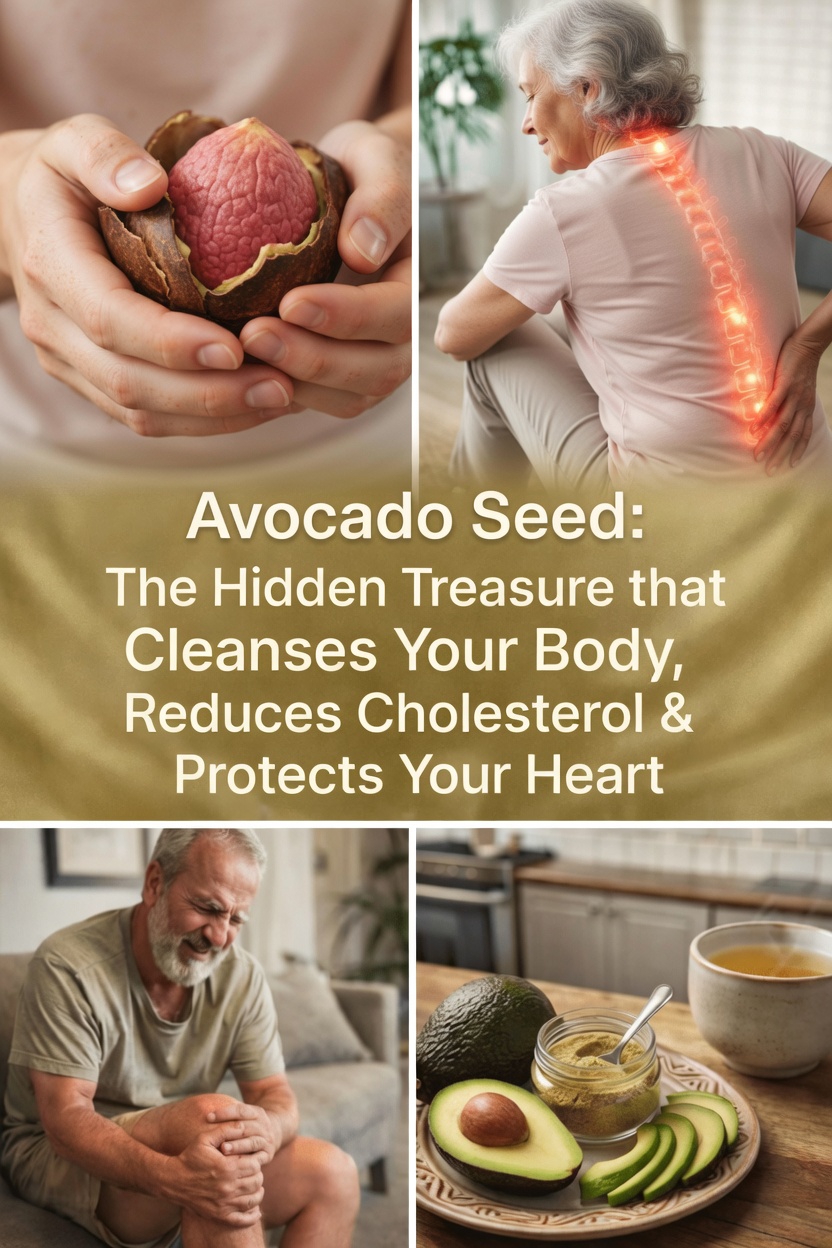
One of the easiest and most popular ways to use avocado seeds is to prepare them as tea. This method is rooted in traditional use and can be done at home without much difficulty. It should be viewed as a food-based experiment, not as a medical remedy.
Step-by-Step Preparation
-
Wash the seed well
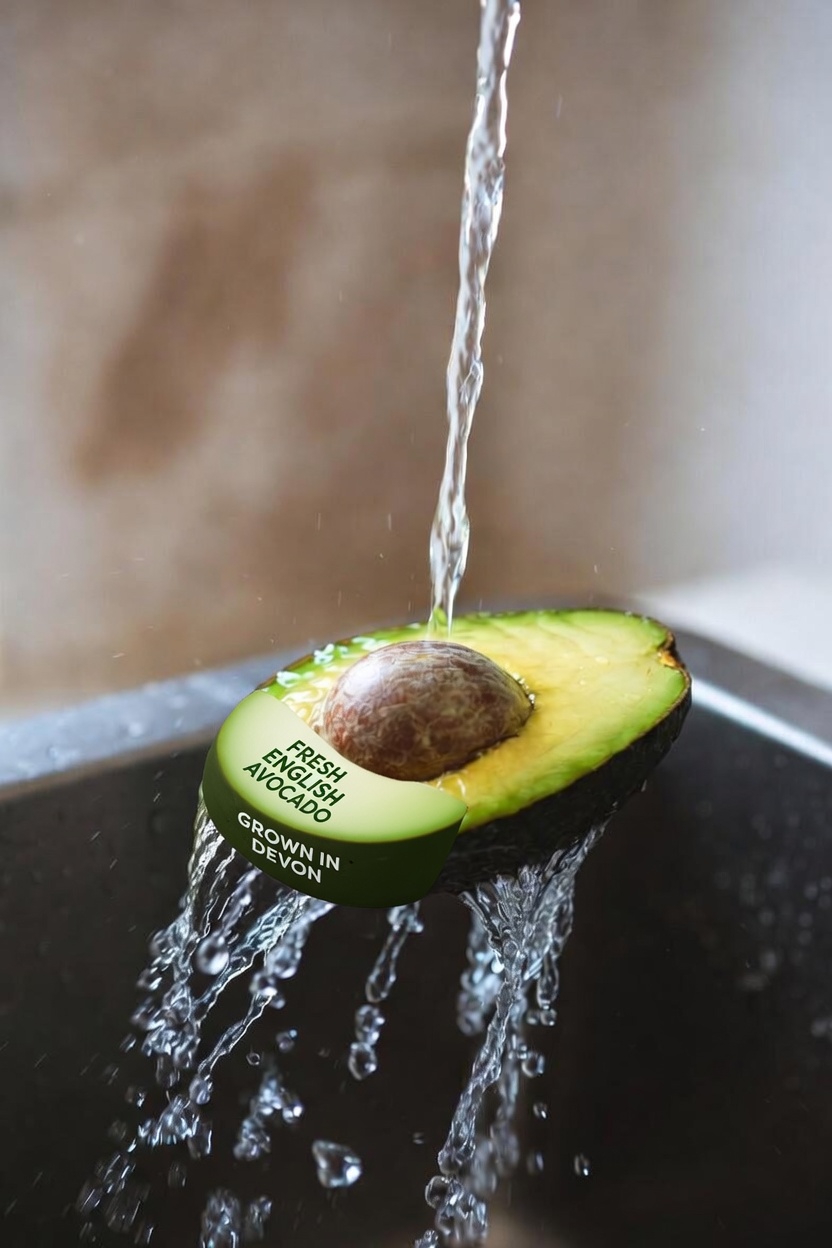
After removing the avocado flesh, rinse the pit thoroughly under clean running water to remove any residue. -
Dry it completely
Let the seed air-dry for several days, or dry it carefully by hand. Some people remove the thin outer layer once it loosens, which can make the seed easier to handle. -
Cut or grate the seed
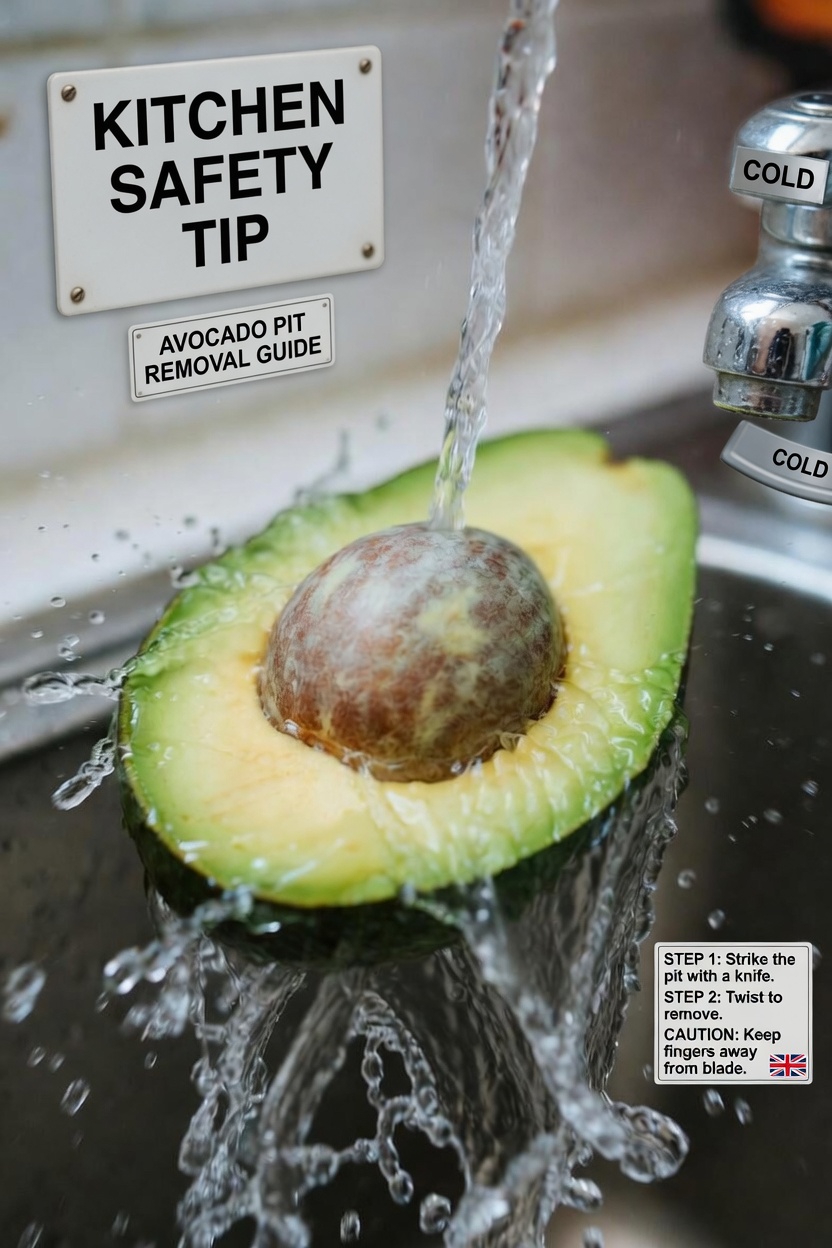
Use a sharp knife to divide the pit into quarters. Because the seed is very firm, work slowly and carefully to avoid injury. Another option is to grate it once it has dried enough. -
Boil in water
Add the pieces to a pot with roughly 2 to 4 cups of water per seed. Bring the water to a boil, then lower the heat and simmer for about 10 to 15 minutes. The liquid may develop a light reddish-brown, tea-like color. -
Strain and drink
Remove the seed pieces, strain the tea, and allow it to cool slightly before drinking. If desired, add a little honey or lemon for taste.
A practical approach is to begin with one cup a day and pay attention to how your body responds. Using fresh, preferably organic avocados may also help reduce concerns about surface residues.
Important Safety Notes and Limitations
Although avocado seed is interesting from a research perspective, there are important precautions to keep in mind.
1. Human Research Is Still Limited
Most of the positive findings come from lab experiments or animal studies. At this time, there are no large-scale clinical trials confirming the long-term safety or benefits of avocado seed tea in humans.
2. Certain Compounds May Cause Issues in Large Amounts
Avocado seeds contain tannins and other naturally occurring substances that may affect nutrient absorption if consumed excessively. Some people may also experience digestive discomfort if they use too much.
3. Moderation Matters
Because the seed is dense, bitter, and still not fully studied for regular long-term use, experts generally advise avoiding heavy consumption, especially in raw form. Small amounts are the more cautious option.
4. Some People Should Ask a Professional First
Before trying avocado seed tea, it is wise to speak with a healthcare provider if you:
- Have an existing medical condition
- Are pregnant
- Are breastfeeding
- Take prescription medications
- Follow a restricted or medically supervised diet
Avocado Flesh vs. Avocado Seed
Both parts of the avocado offer different qualities, but they are not equal in terms of research support.
Avocado Flesh
- Rich in monounsaturated fats
- Good source of fiber and potassium
- Strong evidence for supporting heart health
- Helpful for maintaining healthy cholesterol balance
- Easy to include in everyday meals
Avocado Seed
- Higher in certain polyphenols and antioxidants
- Early research suggests possible support for cholesterol and inflammation
- Most often used as tea or powder
- Needs more careful preparation
- Lacks strong human clinical evidence
In simple terms, the flesh remains the better-established choice for everyday nutrition, while the seed is more of an emerging area of interest.
Final Thoughts: Should You Try Avocado Seed Tea?
Avocado seeds are one of those overlooked parts of food that may hold more value than most people realize. Their high level of plant compounds has made them a promising subject in studies focused on antioxidant support, possible cardiovascular benefits, and other wellness-related effects.
That said, avocado seed tea is not a miracle drink, and it should not be treated as a replacement for proven nutrition habits or medical care. If you decide to try it, do so thoughtfully, in moderate amounts, and as part of a broader healthy lifestyle.
The key message is simple: the next time you cut into an avocado, you may want to think twice before throwing away the pit. Used carefully, it can be an interesting addition to a whole-food routine that also includes eating the nutrient-rich avocado flesh, staying physically active, and maintaining a balanced diet.
Frequently Asked Questions
Is it safe to drink avocado seed tea every day?
Some people drink it occasionally without any noticeable problems, but it is best to start with a small amount and observe how you feel. Because long-term human research is limited, moderation is the safest approach. If you plan to drink it regularly, consult a healthcare professional.
Can avocado seed tea replace cholesterol medication?
No. Any cholesterol-related benefits seen so far are preliminary and mostly based on animal or laboratory studies. Avocado seed tea should never replace prescribed medication or professional medical advice.
How does avocado seed compare with other antioxidant-rich foods?
Avocado seed stands out in lab studies for its polyphenol content, but many other foods such as berries, green tea, and nuts are easier to use regularly and have stronger research behind them. Those options remain more established choices for antioxidant support.