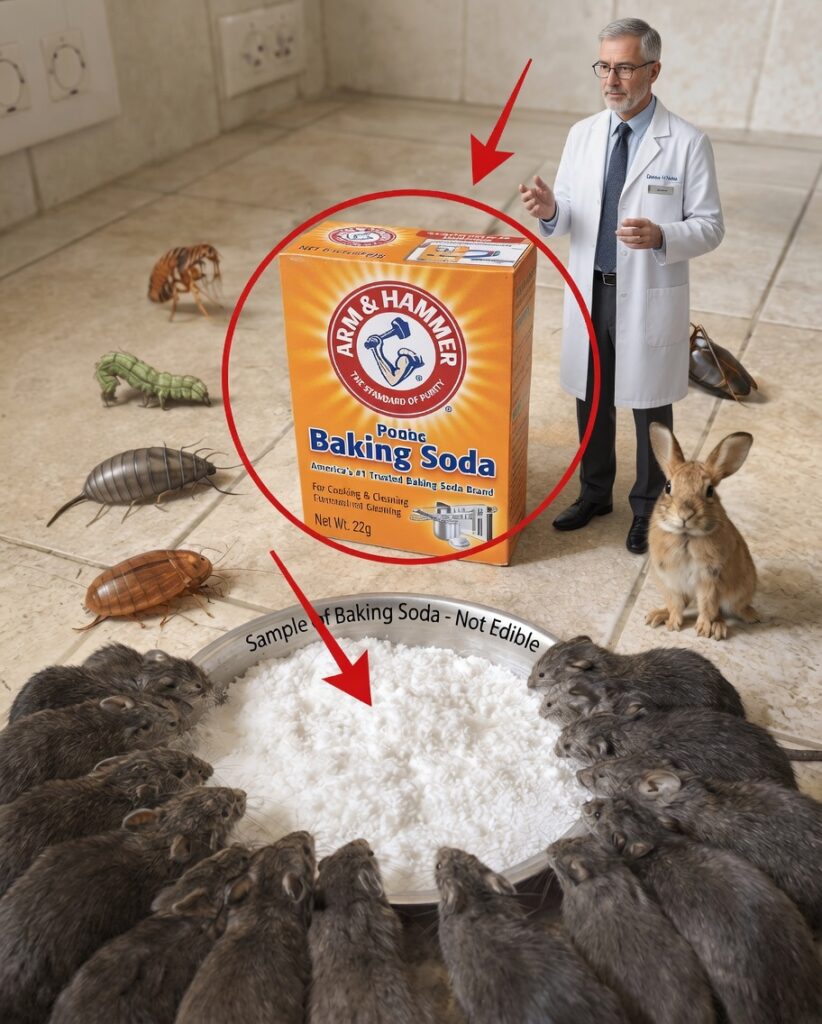
A Natural, Low-Toxic Option to Fight Household Pests and Keep Your Home Healthier
You walk into the kitchen at night and freeze—there’s a cockroach darting across the floor. Or you wake up with unexplained itchy bites and no clue where they came from. These unwanted intruders are more than just unpleasant: they can spread bacteria, trigger allergies, and disrupt your sleep. Chemical sprays may feel like the fastest fix, but is it worth bringing harsh toxins into your living space? What if a simpler alternative is already in your pantry? Keep reading—you may be surprised by what plain baking soda can do.
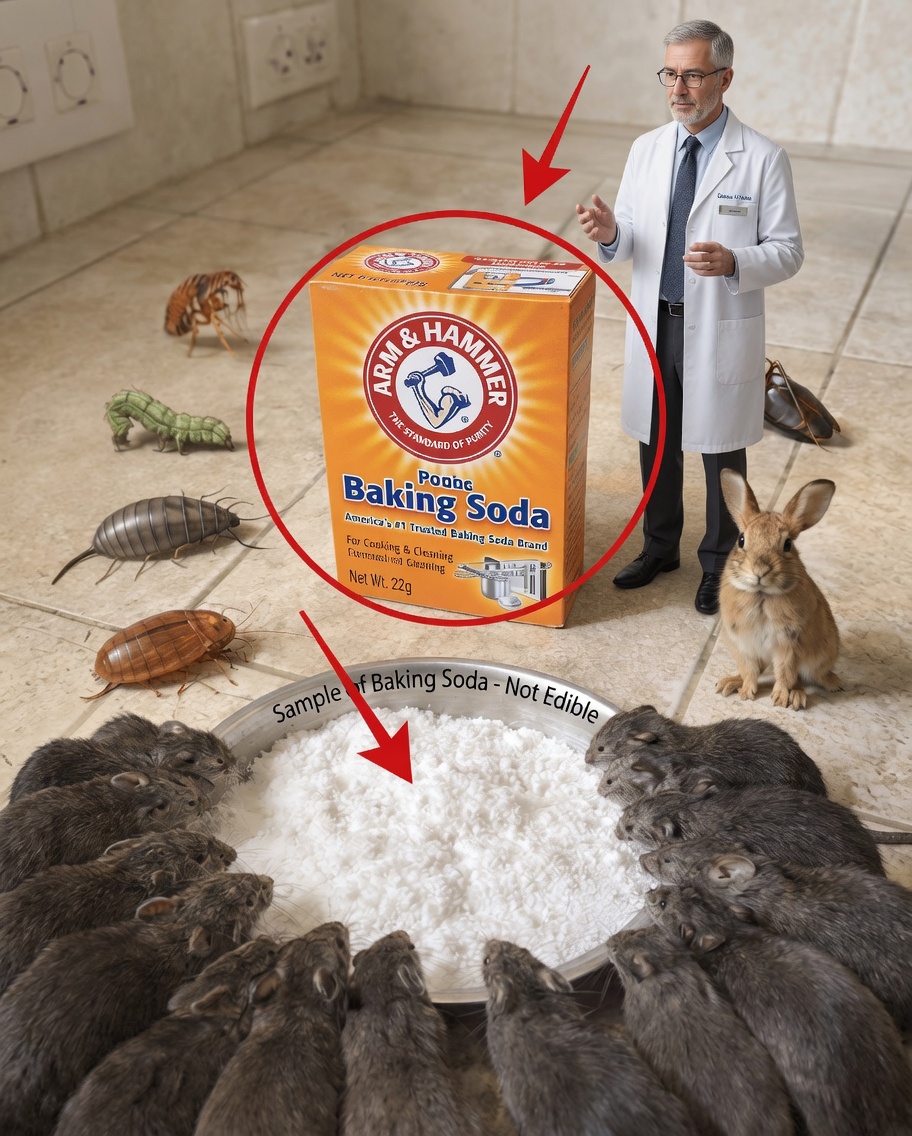
How Baking Soda May Work Against Pests
Baking soda (sodium bicarbonate) reacts with acidic substances, producing carbon dioxide and absorbing moisture. In theory, when certain insects ingest it, gas buildup and/or dehydration may interfere with their system. It can also dry out the bodies of some insects in specific conditions.
That said, results can vary widely. Baking soda is not a magic cure, but it can be useful as one part of a broader pest-control strategy—especially when paired with strong prevention and sanitation.
Why Many People Choose Baking Soda
Baking soda is popular because it’s:
- Inexpensive and widely available
- Generally lower-risk for households when used properly
- Supported by many anecdotal success stories (though outcomes differ)
Experts still emphasize that cleaning, sealing entry points, and prevention are the most reliable long-term methods.
Popular Baking Soda Methods for Pest Control
1. Simple Dry “Barriers”
Lightly dust baking soda along baseboards, corners, under sinks, and near suspected entry points. This approach tends to work best in a clean, dry environment, where powders are less likely to clump or wash away.
2. Baking Soda + Sugar Mix for Ants
Combine equal parts sugar and baking soda. The sugar attracts ants, and they may carry the mixture back to the nest. This method can help most with minor or early-stage infestations.
3. Cockroach Baits with Strong-Smelling Foods
Mix baking soda with an attractant such as:
- Finely chopped onion
- Peanut butter
The scent increases the odds that roaches will consume the bait rather than ignore it.
4. The Classic Sugar + Baking Soda Bait
This is one of the most commonly used DIY options. Place small portions in bottle caps or shallow lids and set them near key areas (behind appliances, under cabinets, along walls).
5. Boosting Attraction with Yeast or Flavor Scents
Some people add small amounts of:
- Yeast
- Vanilla scent/flavor
These additions may make the bait more appealing, depending on the pest and environment.
6. Using Baking Soda for Bed Bugs
Sprinkling baking soda along mattress seams or in crevices may provide minor help, but bed bugs are notoriously tough. Baking soda alone is not sufficient to eliminate them.
7. For Mice and Rats (Use Extra Caution)
Some DIY approaches combine baking soda with flour or sugar. Results are inconsistent, and this method requires caution—especially if pets might access the bait.
8. Pair Baking Soda with Consistent Cleaning (Most Important)
Baking soda works best when combined with everyday prevention:
- Remove food residue and crumbs
- Seal cracks and gaps
- Keep spaces dry (reduce moisture)
Hygiene and exclusion are what truly amplify any DIY method.
Common Signs of an Infestation
Watch for indicators such as:
- Small, dark droppings
- Unusual odors or greasy trails along walls
- Discarded wings
- Waking up with bites or irritated skin
Natural Prevention Tips That Actually Help
To reduce pest activity long-term:
- Store food in sealed containers
- Clean spills and crumbs immediately
- Seal openings with caulk or weatherstripping
- Avoid clutter where pests can hide and nest
How to Use Baking Soda Safely
If you choose to try baking soda baits, follow these practical safety steps:
- Use small amounts, especially when mixing with sugar
- Place bait in bottle caps or low containers
- Position it in hidden, low-traffic areas
- Replace the mixture every 3–7 days
- Keep all bait out of reach of children and pets
Conclusion
Baking soda can be a helpful natural ally, particularly for ants and cockroaches, but it won’t replace solid sanitation habits—and serious infestations may require professional support. Consistent small actions add up quickly. With the right routine, your home can feel calm and comfortable again—start today.