Understanding Varicose Veins
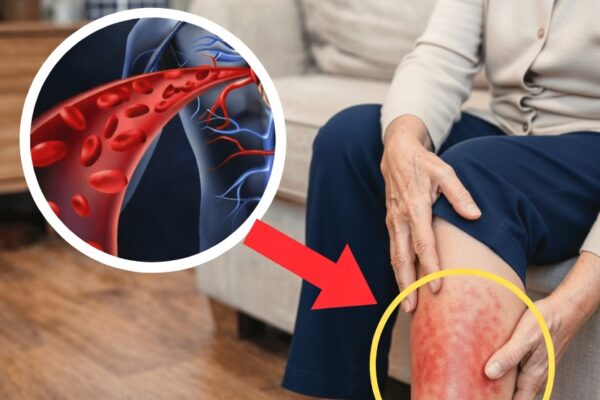
Varicose veins occur when the tiny one‑way valves inside your leg veins become weak or damaged. Instead of sending blood efficiently back to the heart, these valves allow blood to flow backward and collect in the vein. Over time, this pooling stretches the vein walls, causing swelling, discomfort, and the familiar twisted, rope-like blue or purple veins visible under the skin.
Several factors can raise the risk of developing varicose veins, including:
- Standing for long periods (for work or daily routines)
- Pregnancy
- Aging
- A family history of vein problems
- Being overweight or obese
Supporting healthy circulation and calming minor inflammation through daily habits is one of the most practical ways to improve comfort. Low-impact movement, leg elevation, nutrient-dense foods, and compression garments (when recommended by a healthcare professional) are all part of a comprehensive approach. Within this context, natural ingredients like garlic and rosemary are often discussed because of their traditional association with circulation support.
How Lifestyle Supports Healthy Leg Circulation
Before looking at specific herbs, it’s important to recognize that lifestyle is the foundation of vein health. Helpful habits include:
- Moving regularly to activate the calf muscles, which act as a “second heart” to push blood upward
- Elevating the legs to help blood drain back toward the chest
- Choosing balanced meals that support blood vessels and reduce unnecessary strain on the circulatory system
- Wearing compression stockings if advised by a clinician to help reduce swelling and improve venous return
Within a broader plan like this, topical and dietary herbs may add an extra layer of comfort for some people.
Garlic: A Traditional Ally for Circulation
Garlic has been prized in many cultures for its heart and circulatory benefits. Much of this interest centers on sulfur-containing compounds such as allicin, which are formed when garlic is crushed or chopped.
Research suggests that garlic may:
- Help blood vessels relax and widen (vasodilation)
- Support smoother blood flow
- Offer mild anti-inflammatory and antioxidant effects
These actions have mostly been studied in relation to overall cardiovascular health rather than varicose veins specifically. For example, some evidence indicates that garlic can improve endothelial function—the performance of the inner lining of blood vessels—and reduce certain contributors to poor circulation.
Although garlic is not a direct or targeted treatment for varicose veins, its circulation-supportive properties make it a common part of broader wellness routines.
Practical ways to use garlic include:
- In food: Adding fresh garlic to sauces, dressings, soups, and stir-fries allows you to consume its active compounds as part of a balanced diet.
- Topically in infused oils: When used on the skin as part of a homemade oil, garlic can create a warming sensation during gentle massage, which may encourage light local circulation.
Why Rosemary Often Appears Alongside Garlic
Rosemary is a fragrant culinary herb that also features in many traditional self-care rituals. It contains antioxidants and natural compounds such as rosmarinic acid, which have shown potential in laboratory and small-scale studies for supporting local blood flow and easing minor discomfort.
One in vitro study from 2009 noted that rosemary essential oil might enhance circulation and provide soothing effects when used topically. While this type of research is preliminary and not specific to varicose veins, it has helped popularize rosemary oil in massage blends.
In practice, rosemary-infused oils are frequently used for:
- Gentle massage to stimulate the area without excessive irritation
- Creating a pleasant, herbal aroma that many people find relaxing
- Combining with other ingredients (like garlic) in home-made leg comfort routines
Because essential oils can be potent, rosemary oil should always be diluted properly in a carrier oil to reduce the risk of skin sensitivity or irritation. Evidence from large clinical trials focusing specifically on varicose veins is still limited, so rosemary is best viewed as a supportive, not curative, option.
A Simple Garlic and Rosemary Infused Oil for Gentle Leg Massage
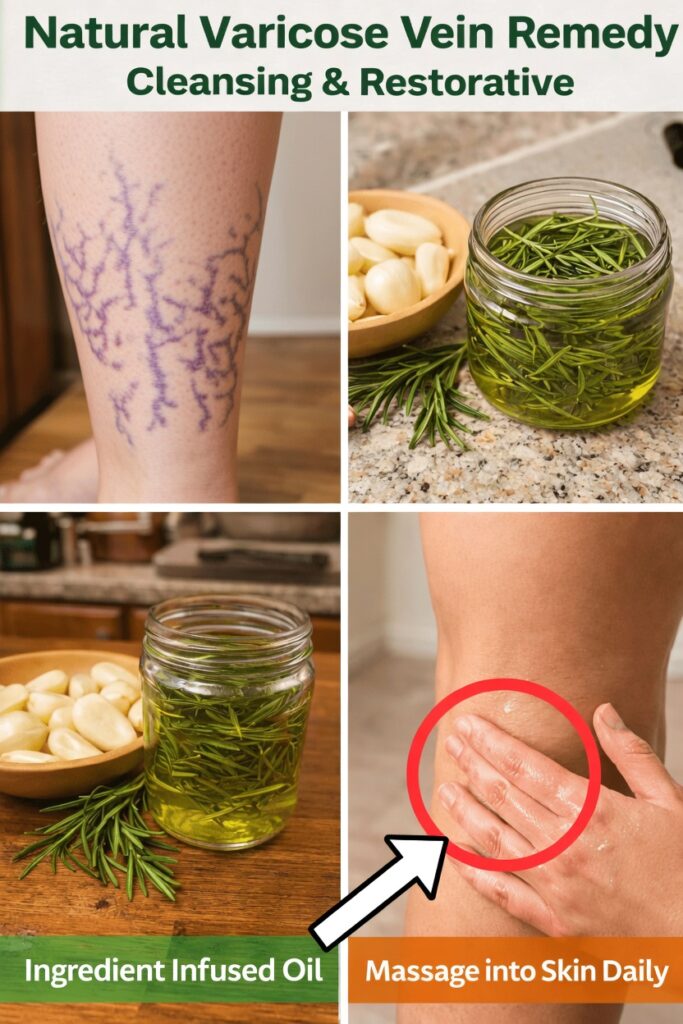
The following recipe is inspired by popular home wellness practices and uses fresh, natural ingredients. It is intended only for external use as a soothing massage oil and not as a medical treatment or cure for varicose veins.
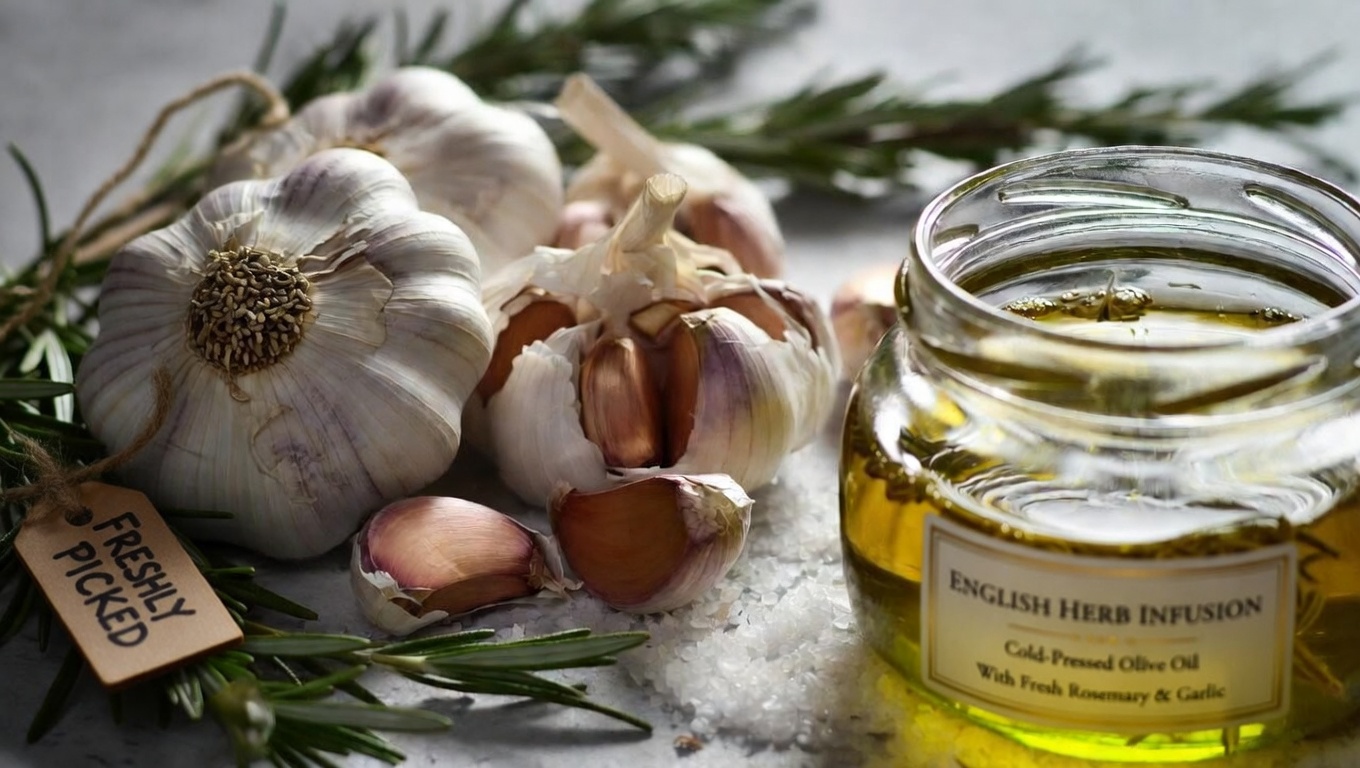
Ingredients
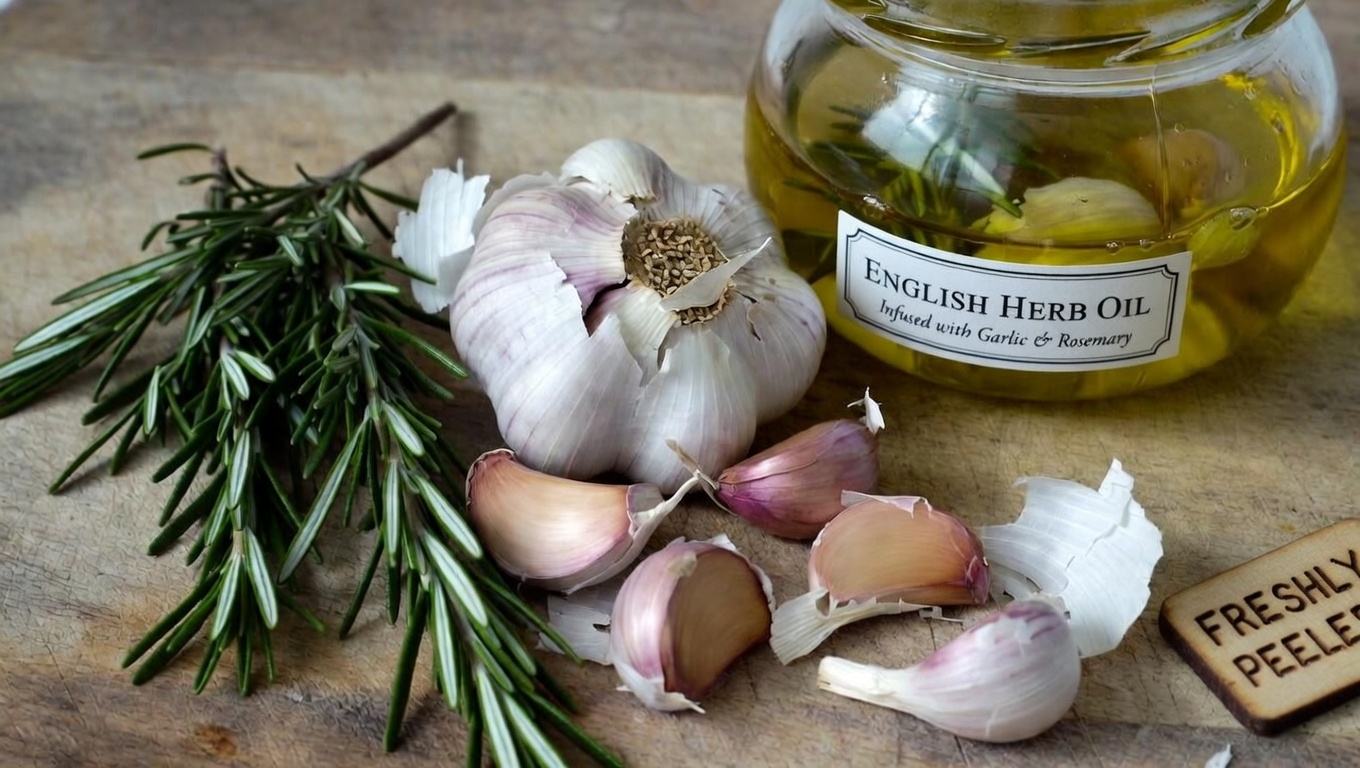
- 4–6 fresh garlic cloves, peeled and lightly crushed
- A small handful of fresh rosemary sprigs (or 2–3 tablespoons of dried rosemary)
- 1 cup (about 240 ml) of a mild carrier oil, such as olive oil or jojoba oil
- Optional: A clean glass jar or bottle for storing the finished oil
Step-by-Step Instructions
-
Warm the carrier oil
Pour the oil into a small saucepan and gently warm it over very low heat. The goal is to make it pleasantly warm (around 100–120°F or 38–49°C), not to fry or boil the ingredients. -
Add garlic and rosemary
Place the lightly crushed garlic cloves and rosemary sprigs into the warm oil. -
Infuse the mixture
Let the oil, garlic, and rosemary sit on very low heat for about 20–30 minutes, stirring occasionally. This allows aromatic and beneficial compounds to disperse into the oil. -
Cool and strain
Remove the pan from the heat and let the mixture cool completely. Then strain the oil through a fine mesh strainer or cheesecloth into a clean jar, discarding the solid pieces of garlic and rosemary. -
Store properly
Keep the infused oil in a cool, dark place. When stored well, it typically remains usable for about 1–2 months. Discard it if you notice any off smell or signs of spoilage.
How to Use the Oil Safely
-
Patch test first
Apply a small amount of the oil to the inside of your forearm and wait 24 hours. If you notice redness, itching, or irritation, do not use it on larger areas. -
Gentle leg massage
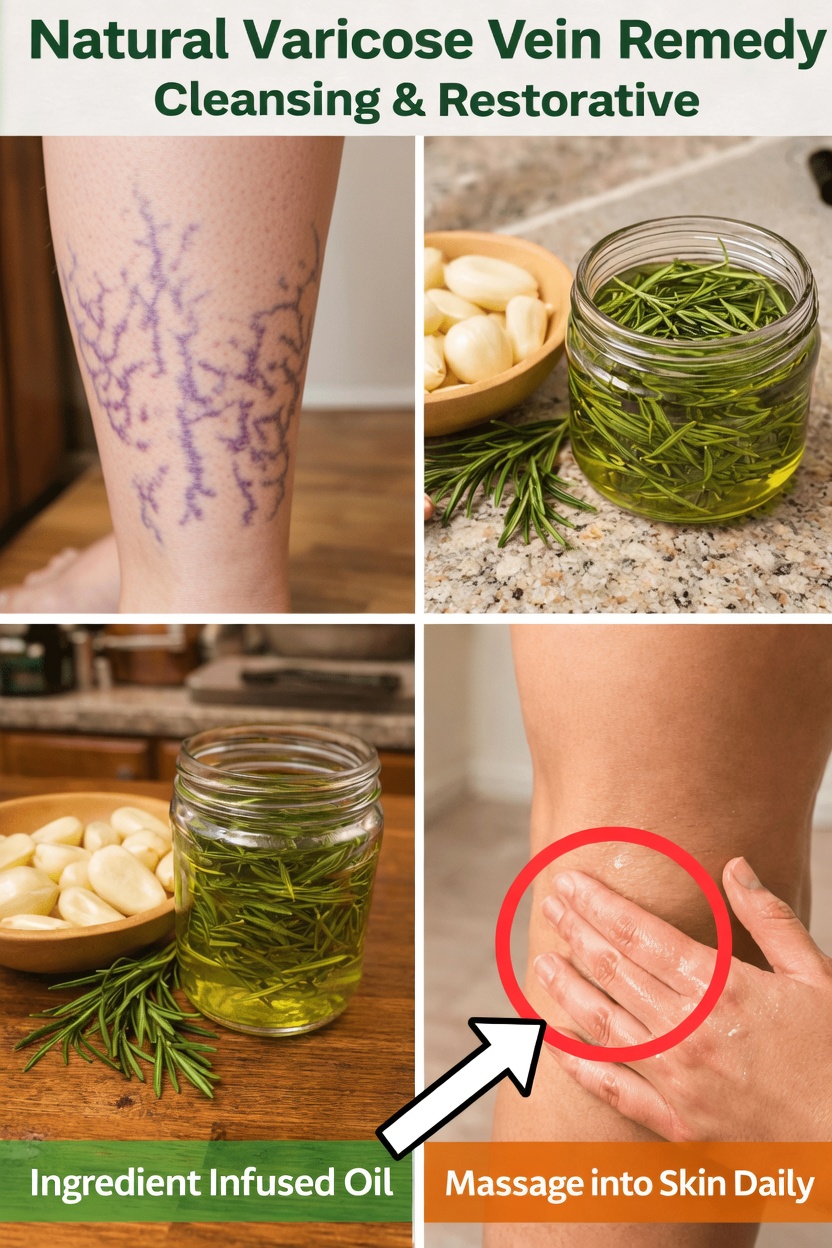
On clean skin, apply a small amount of oil to your legs and massage using light, upward strokes toward the heart. Aim for about 5–10 minutes once a day, preferably in the evening. -
Combine with leg elevation
After massaging, lie down and elevate your legs above heart level for added comfort and to support venous return. -
Avoid sensitive areas
Do not apply the oil to open cuts, broken skin, varicose ulcers, or areas that are already irritated or infected.
This simple practice can become a calming part of your nighttime routine, helping you unwind while gently encouraging local circulation.
Additional Lifestyle Tips to Support Leg Comfort
Topical routines work best when paired with daily habits that support vein health. Evidence-based strategies include:
-
Stay physically active
Low-impact activities—such as walking, swimming, or cycling—help the calf muscles pump blood back toward the heart. Aim for at least 30 minutes on most days of the week. -
Elevate your legs regularly
Whenever possible, raise your legs above heart level for 15–20 minutes, a few times per day, to reduce pooling of blood in the lower legs. -
Maintain a healthy body weight
Excess weight increases pressure on the veins in your legs. Gradual, sustainable weight management can ease this strain. -
Choose circulation-supporting foods
Focus on a diet that includes:- Berries and citrus fruits
- Leafy green vegetables
- Foods rich in flavonoids (such as onions, apples, and dark chocolate in moderation)
- Vitamin C sources to support collagen and blood vessel integrity
-
Avoid long periods of sitting or standing
Change position often, take short walking breaks, and flex your ankles and calves if you must stay in one position for extended periods. -
Use compression garments if recommended
Medical-grade compression stockings, when prescribed, can help reduce swelling and improve venous return.
Together, these steps can make a meaningful difference in symptoms and overall leg comfort, often more than any single remedy on its own.
What the Science Says Overall
Although garlic and rosemary have shown promising effects on circulation, blood vessel function, and inflammation in various studies, solid evidence that they directly reduce the size or severity of varicose veins is still limited. Most of the available data are:
- Small in scale
- Focused on general cardiovascular or microcirculatory benefits
- Not specifically designed to measure varicose vein outcomes
As a result, garlic and rosemary are best viewed as supportive tools—potentially helpful for comfort and local circulation—rather than definitive treatments. For moderate to severe varicose veins, professional evaluation and evidence-based medical or procedural options remain the standard of care.
Always speak with a healthcare provider before adding new supplements or topical preparations, especially if you:
- Take blood thinners or other cardiovascular medications (garlic, in particular, can interact)
- Are pregnant or breastfeeding
- Have chronic health conditions that affect circulation or skin integrity
Conclusion: Gentle Support for Everyday Leg Comfort
Integrating simple ingredients like garlic and rosemary into a homemade massage oil can offer a nurturing, relaxing addition to your self-care routine. While this approach does not cure varicose veins, it may help support local circulation and reduce feelings of heaviness when combined with:
- Regular movement
- Leg elevation
- A balanced, circulation-friendly diet
- Professional guidance when needed
Varicose veins are common and, in many cases, manageable. Pay attention to your body, prioritize sustainable lifestyle changes, and seek personalized advice from a vein specialist or healthcare provider if symptoms worsen or interfere with daily life.
Frequently Asked Questions
Can garlic and rosemary oil make varicose veins disappear?
No. Garlic and rosemary may offer mild circulation support and comfort for some people, but they do not remove or reverse varicose veins. For long-term management and cosmetic concerns, a professional assessment and appropriate medical treatments are essential.
How long might it take to notice any changes from using the infused oil?
Responses vary widely. Some individuals say they feel less heaviness or more comfort in their legs after using the oil consistently for several weeks, while others may not notice a significant difference. It is best to view this oil as one part of a broader lifestyle plan rather than a quick fix.
Is this homemade oil safe for everyone?
Not necessarily. In general, many people tolerate a well-diluted, patch-tested oil without problems, but you should avoid it if:
- You are allergic or sensitive to garlic, rosemary, or related plants
- You have very sensitive skin, open sores, or active skin conditions in the area
- You are pregnant, breastfeeding, or taking blood-thinning medications—unless a healthcare professional has approved its use
When in doubt, consult a doctor or dermatologist before trying new topical preparations, especially if you already have vein disease or other underlying health issues.