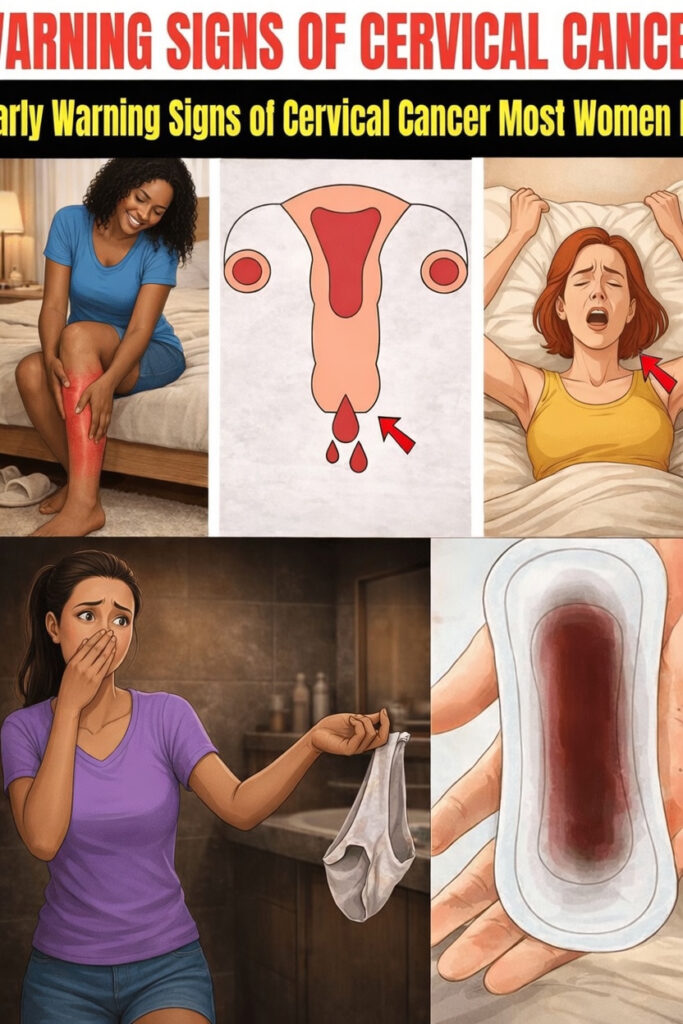
Understanding Cervical Cancer and Why Early Detection Matters
Cervical cancer begins in the cervix, the lower section of the uterus that opens into the vagina. According to leading medical organizations such as the American Cancer Society and Mayo Clinic, most cervical cancer cases are associated with long-term infection from high-risk types of human papillomavirus (HPV), a very common virus transmitted through sexual contact.
The good news is that cervical cancer is often highly treatable when it is found early through routine screening. The challenge is that early warning signs can be subtle and are often mistaken for more familiar issues, such as infections, hormonal changes, or menstrual irregularities. Research suggests that noticing unusual body changes and speaking with a healthcare provider promptly may help lead to earlier diagnosis.
Even so, regular screening remains the most reliable protection because early-stage cervical cancer frequently causes no symptoms at all.
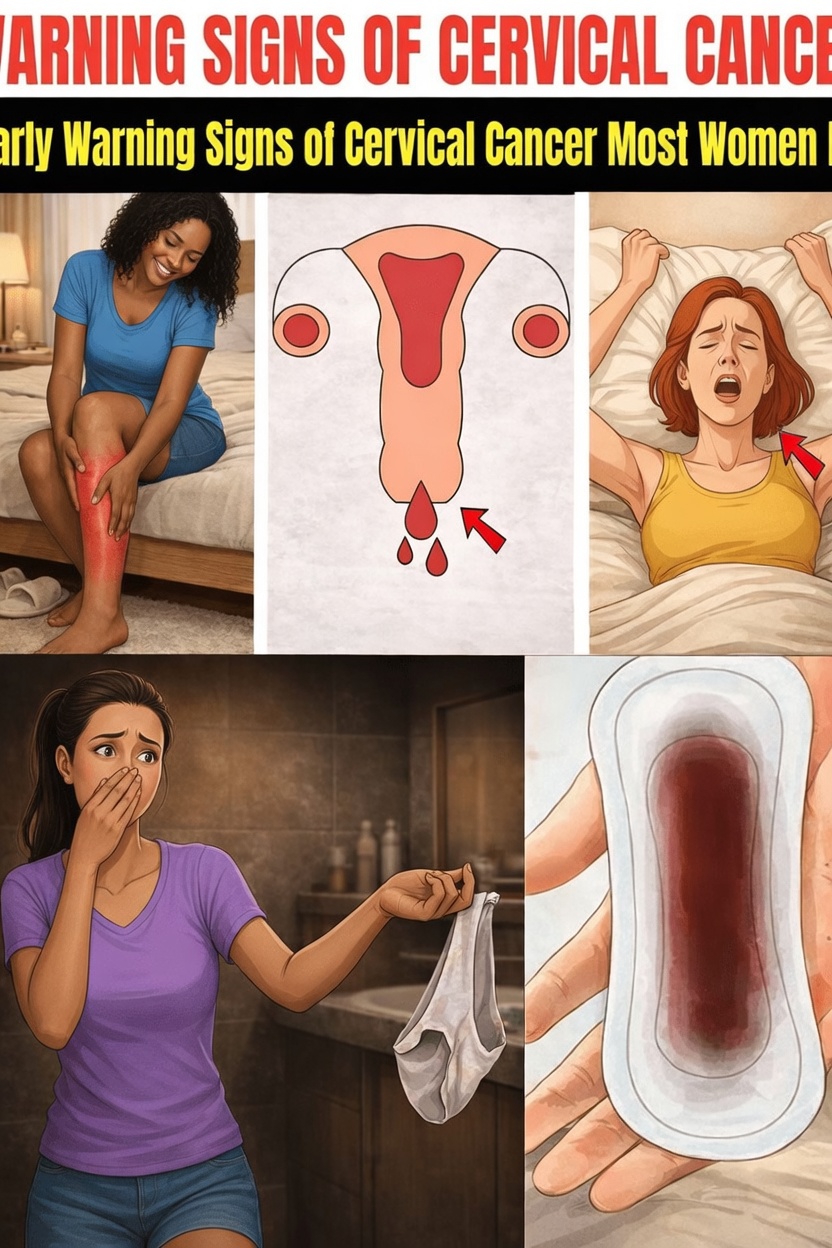
Key Cervical Cancer Symptoms to Watch For
Trusted sources including the CDC, Mayo Clinic, and American Cancer Society note several symptoms that may signal a problem. These signs do not automatically mean cancer, since many non-cancerous conditions can cause them as well. However, if they continue or worsen, they should not be ignored.
1. Abnormal Vaginal Bleeding
Unexpected vaginal bleeding is one of the most commonly reported warning signs. This may include:
- Spotting or bleeding between periods
- Bleeding after sex
- Bleeding after menopause
- Menstrual periods that become heavier than usual
- Periods that last longer than normal
Health authorities such as the NHS and Cancer Research UK stress that unusual bleeding is never something to dismiss and should be evaluated by a doctor.
2. Unusual Vaginal Discharge
A noticeable change in vaginal discharge can also be a sign to pay attention to. Discharge may become:
- Watery
- Blood-streaked
- Pink or brown
- Heavier than usual
- Strong-smelling or unpleasant
If discharge looks different from your usual pattern or appears outside your normal cycle, it is wise to monitor it and seek medical advice.
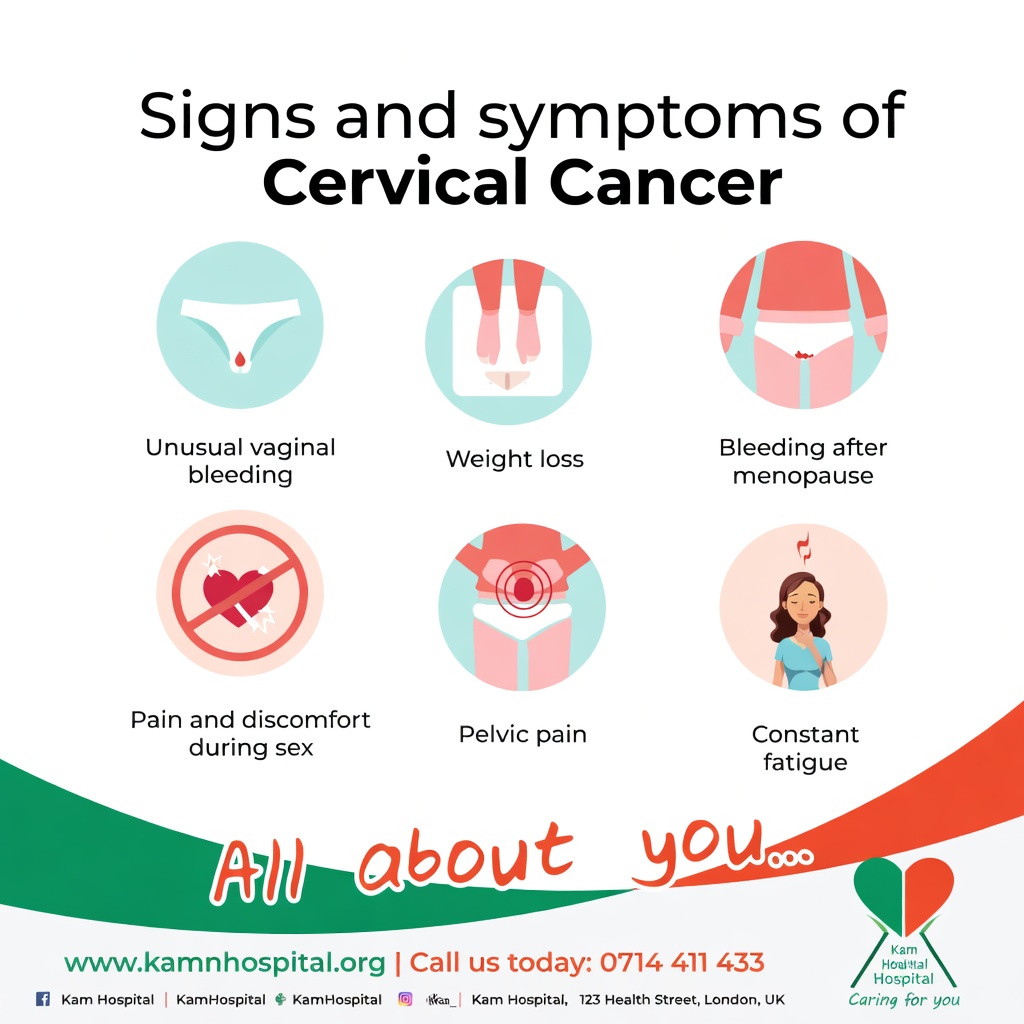
3. Pain During or After Sex
Pain or discomfort during intimacy, also known as dyspareunia, is another symptom mentioned by cancer centers such as MD Anderson. The discomfort may feel sharp, deep, or aching, and in some cases it can continue afterward.
4. Pelvic, Abdominal, or Lower Back Pain
Persistent pain in the pelvis, lower back, or lower abdomen that is not linked to menstruation or injury may be another possible warning sign. Some women describe it as pressure, cramping, or a constant dull ache.
5. Other Possible Late Signs
Some medical reviews also mention symptoms that may appear in more advanced cases, including:
- Swelling in one or both legs
- Ongoing fatigue without a clear reason
- Changes in bowel habits
- Changes in bladder function
These symptoms are less common early on, but they should still be assessed if they appear.
Quick Guide: Normal Changes vs. Concerning Symptoms
It can be difficult to tell the difference between routine body changes and signs that need medical attention. This comparison may help:
-
Normal menstrual spotting: light, occasional, and related to cycle changes
-
Concerning bleeding: repeated, unrelated to your cycle, after sex, or after menopause
-
Typical discharge: clear or white, mild odor, varies during the cycle
-
Unusual discharge: persistent, foul-smelling, or tinged with blood
If any of these symptoms continue for more than a couple of weeks, contact a healthcare professional rather than waiting to see if they disappear.
Why Cervical Cancer Symptoms Are Often Overlooked
Many women explain away symptoms as stress, age-related changes, infections, or hormonal shifts. Vaginal health can also feel like an uncomfortable subject to bring up, even though healthcare providers discuss these concerns every day.
Another reason these signs are missed is that cervical changes usually develop slowly and may not cause pain at first. That is exactly why screening tools such as Pap tests and HPV tests are so important. Updated guidance from the American Cancer Society, including recent changes through 2025, has also introduced more accessible screening options in some situations, such as self-collected HPV testing.
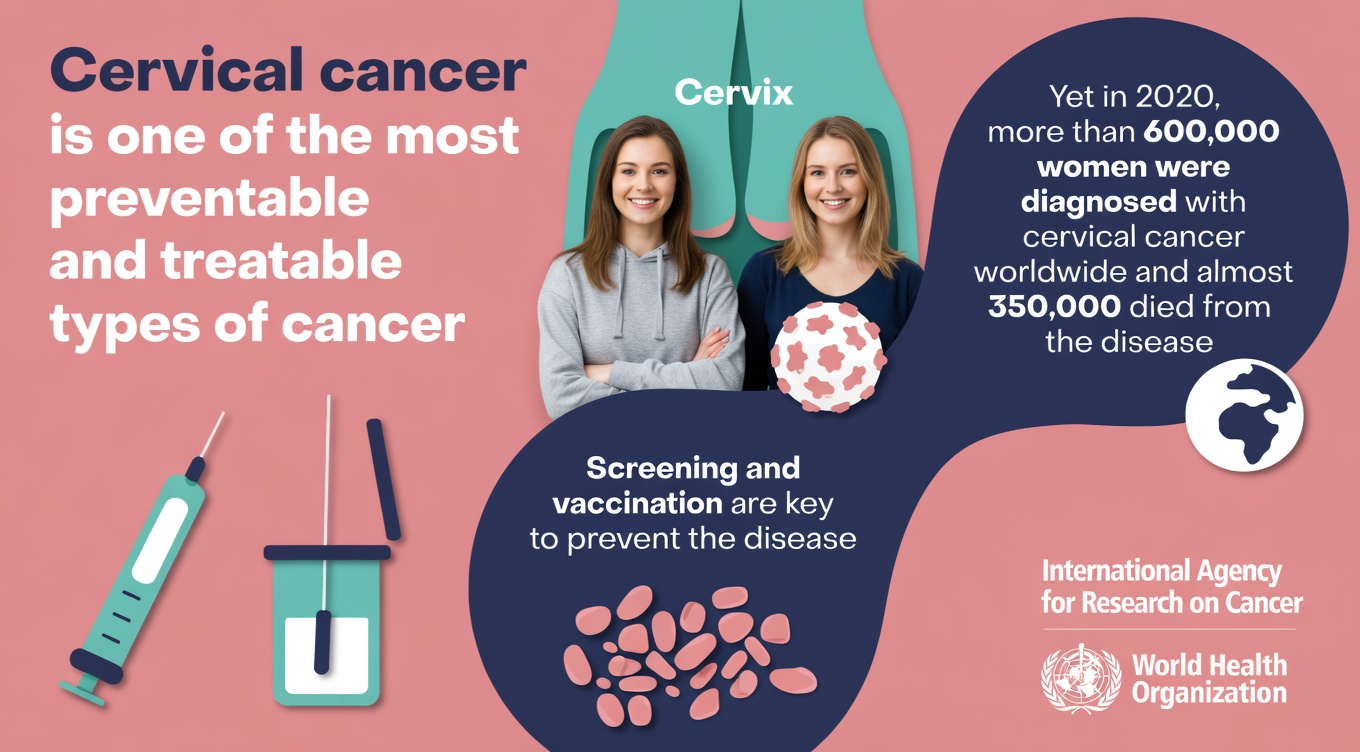
Practical Steps You Can Take Today
Protecting your cervical health does not have to be complicated. These expert-backed habits can make a meaningful difference.
Schedule Routine Screenings
Follow current screening recommendations based on your age and health history:
- Ages 21 to 29: a Pap test is commonly recommended every 3 years
- Ages 30 to 65: many women may have Pap testing combined with HPV testing every 5 years, or follow another schedule advised by their doctor
Your healthcare provider can help determine what is best for your personal risk level.
Track Any Symptoms
Keep a simple record of:
- Menstrual cycle changes
- Unusual discharge
- Spotting or bleeding
- Pelvic pain
- Pain during sex
Write down the dates, severity, and anything that seems to trigger the symptoms. This can make medical appointments more useful and accurate.
Consider the HPV Vaccine
The HPV vaccine helps protect against the strains of HPV most strongly linked to cervical cancer. It works best before exposure to the virus, but many adults may still benefit. Ask your doctor whether vaccination is right for you.
Support Your Health With Safer Habits
You can also lower risk by making healthy lifestyle choices, including:
- Using protection during sexual activity
- Avoiding smoking, which increases cervical cancer risk
- Eating a balanced diet
- Staying physically active
Seek Medical Advice Without Delay
If something feels unusual, trust your instincts and contact your gynecologist or primary care provider. A quick conversation may offer reassurance, or it may lead to early treatment when it matters most.
Prevention and Lifestyle Habits That Support Cervical Health
Screening is the most effective tool for detecting cervical changes early, but daily habits also play a supportive role. Research has linked lower risk with:
- Not smoking
- Eating plenty of fruits and vegetables rich in antioxidants
- Maintaining regular physical activity
No lifestyle choice can guarantee prevention, but these habits contribute to better overall health and may support cervical wellness over time.
The strongest protection comes from awareness combined with action. Regular check-ups can identify abnormal changes before symptoms ever begin.
Frequently Asked Questions
At what age should I start thinking about cervical cancer symptoms?
Cervical cancer can affect women at different ages, although the risk increases with ongoing exposure to high-risk HPV. Screening guidelines generally recommend starting at age 21, even if you feel completely well.
Do these symptoms always mean cervical cancer?
No. Many of these symptoms are caused by non-cancerous conditions such as infections, fibroids, or hormonal changes. Only a doctor can determine the cause through an exam and appropriate testing.
How often should I be screened if I have no symptoms?
That depends on your age, medical history, and current screening recommendations. Many women at average risk are screened every 3 to 5 years with Pap and/or HPV testing. Your provider can personalize the schedule for you.
Final Thoughts
Paying attention to your body and responding to unusual changes can be empowering. Cervical cancer often begins quietly, but understanding the possible symptoms and staying current with screening can provide strong protection. Reading about the signs is a valuable first step—following through with your next check-up is even more important.