Why Healthy Circulation Matters
Efficient blood circulation is essential for carrying oxygen and nutrients to tissues while helping the body clear metabolic waste. When blood flow becomes sluggish—especially in the legs and feet—you may notice heaviness, swelling, tiredness, or more visible veins. Aging, long periods of sitting, low physical activity, and poor dietary habits can all contribute to reduced circulation.
Simple lifestyle changes can help support vascular health, and certain herbs may offer additional benefits. While these natural options can be useful, they should be viewed as supportive tools rather than a substitute for medical treatment.
Herbs Commonly Used to Support Blood Flow
A number of herbs have been studied for their potential role in circulation. Some appear to influence blood vessel relaxation, inflammation, or platelet activity, all of which may affect how smoothly blood moves through the body.
Here are several of the best-known options:
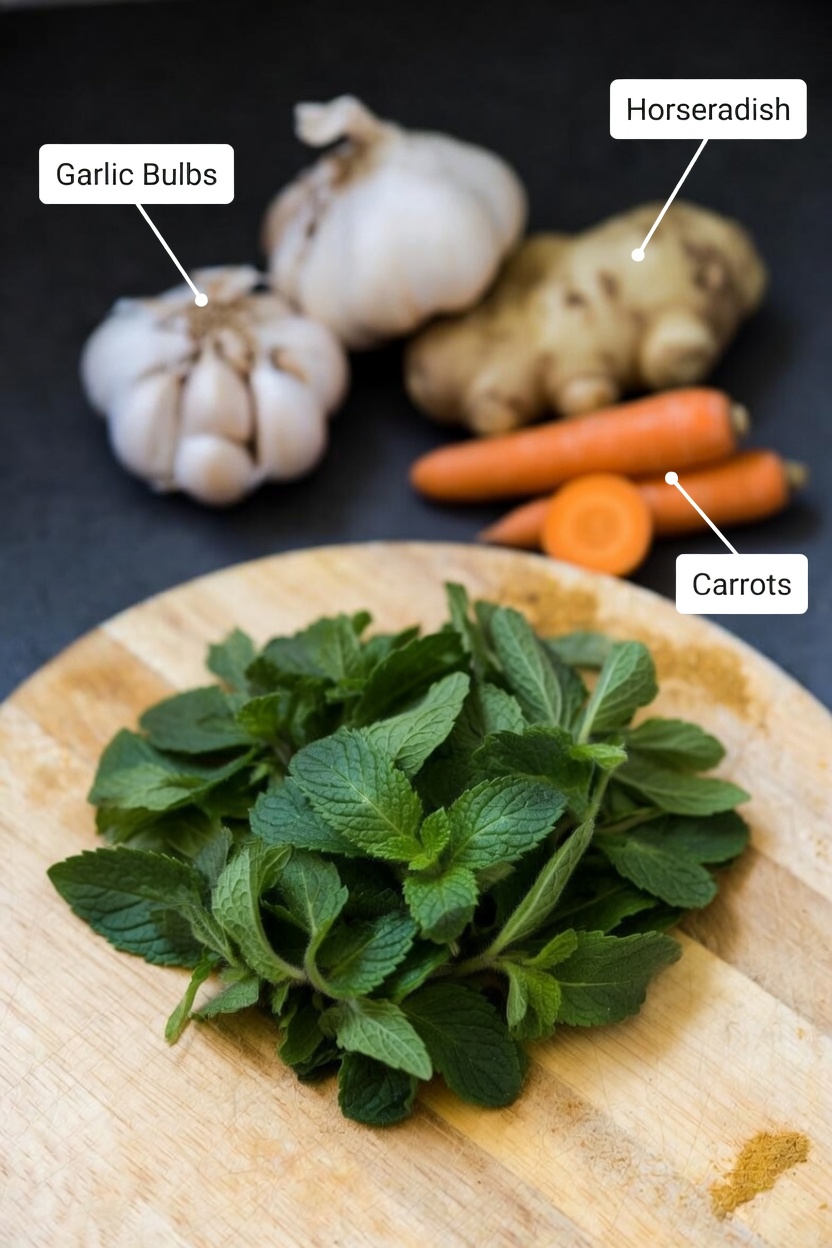
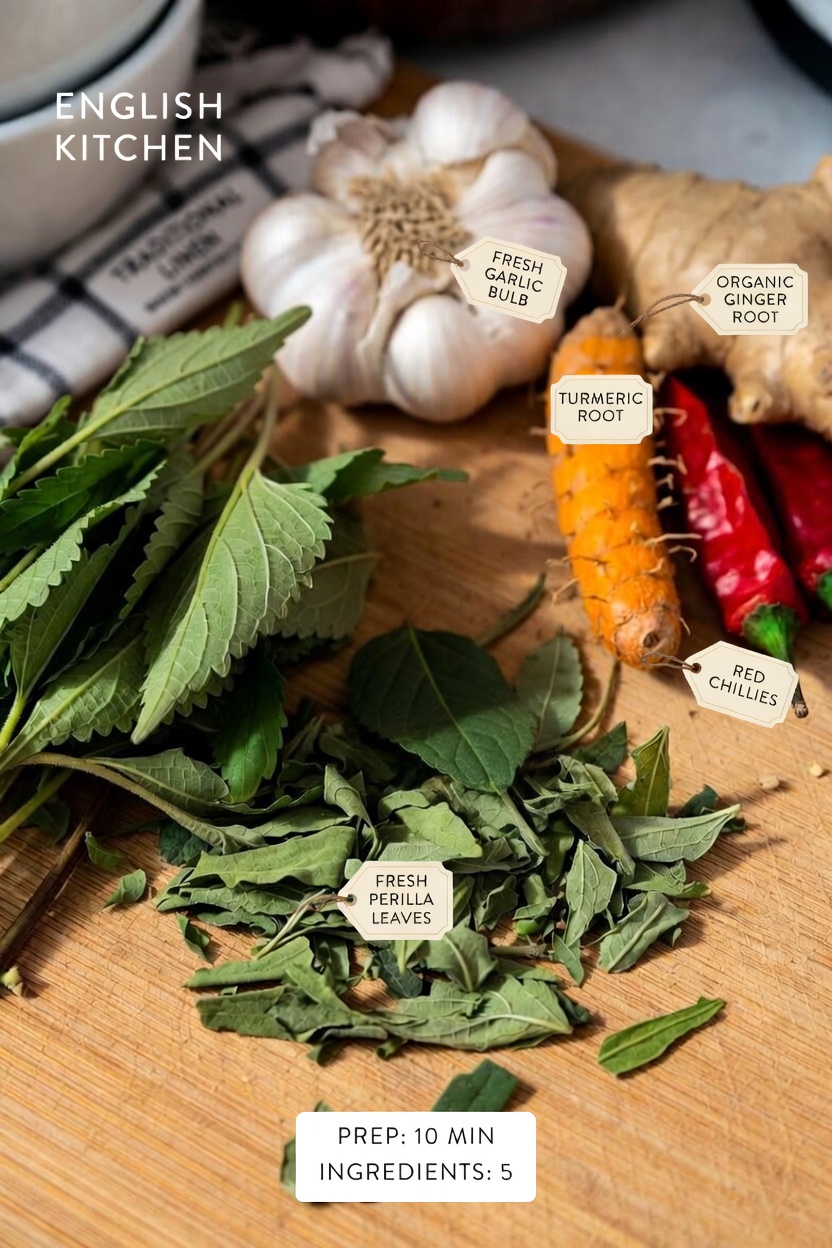
- Garlic: Rich in sulfur-containing compounds such as allicin, garlic is widely recognized for supporting cardiovascular health. Regular intake may help blood vessels relax and promote better circulation.
- Ginger: This warming root contains gingerol and related compounds that may help reduce inflammation and support healthy vessel function. It is easy to use in teas, soups, or everyday cooking.
- Turmeric: The active compound curcumin is known for its anti-inflammatory and antioxidant properties, which may contribute to better vascular wellness. Many people use turmeric in curries, lattes, or supplements.
- Cayenne Pepper: Capsaicin, the compound responsible for its heat, may encourage nitric oxide production and help blood vessels widen. Even small amounts can add both flavor and possible circulatory support.
- Ginkgo Biloba: Often researched for its effects on microcirculation, ginkgo may help support blood flow to the brain and extremities by improving vessel flexibility.
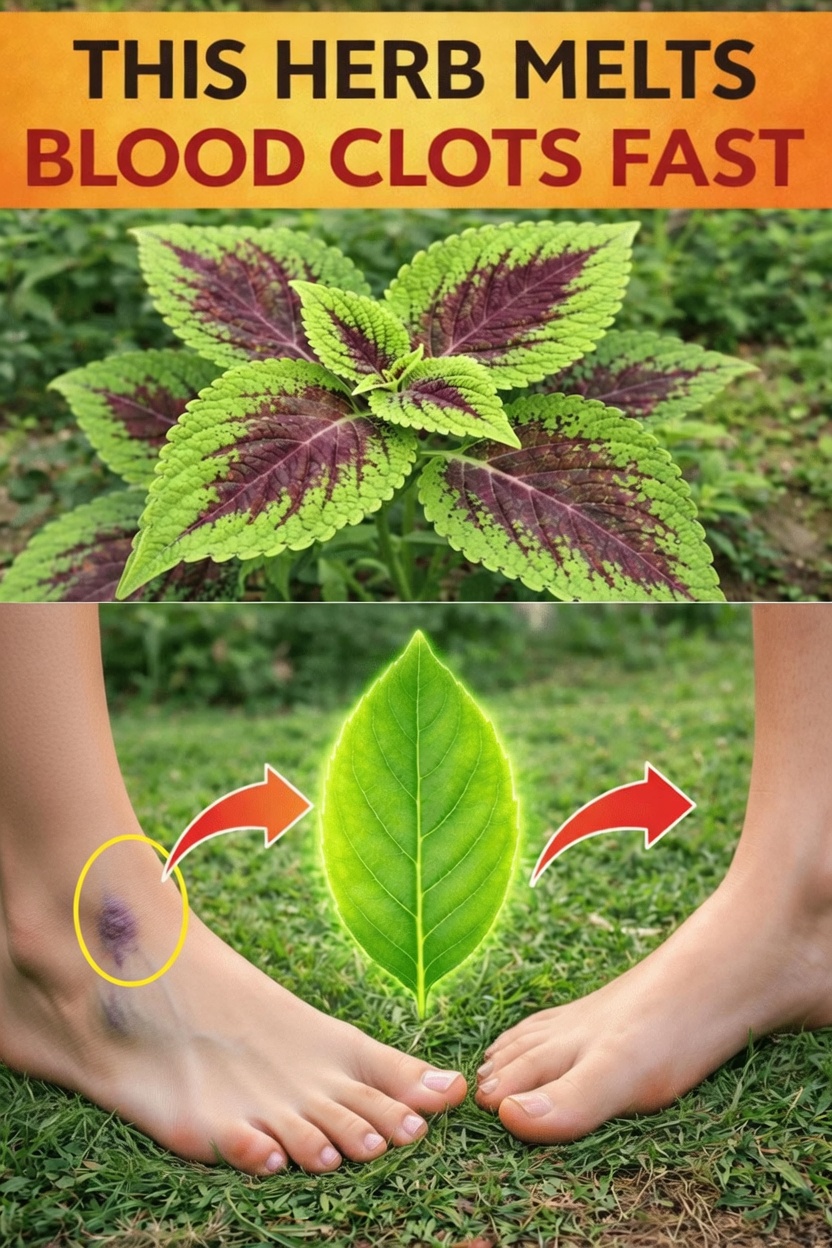
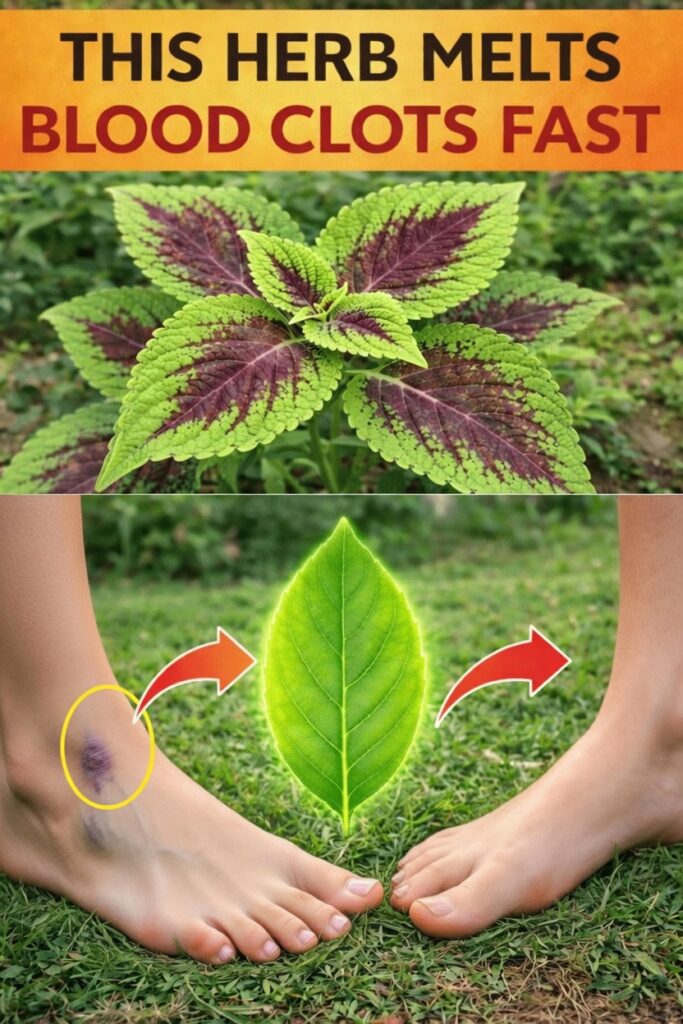
Among these herbs, one plant has drawn special attention in research focused on platelet activity and circulation.
Perilla (Shiso): An Herb with Interesting Circulatory Potential
Perilla frutescens, commonly known as shiso or the beefsteak plant, is a member of the mint family with striking green-purple leaves. It has long been used in Asian cuisine and traditional herbal practices, and modern research is beginning to explore its cardiovascular potential.
Studies, including animal-based research, suggest that perilla oil may help reduce platelet aggregation by affecting thromboxane-related pathways. This may slow unwanted clot formation and support smoother blood flow. In one experimental model involving oxidative injury, perilla oil increased the time before arterial blockage occurred, pointing to a possible protective effect on circulation.
Perilla leaf extracts have also shown antioxidant activity, which may help protect blood vessels from oxidative stress. In addition, the plant is a source of alpha-linolenic acid (ALA), a plant-based omega-3 fatty acid associated with heart and vascular support.
Some human studies involving perilla leaf powder have reported improvements such as:
- Lower levels of oxidized LDL
- Better at-home blood pressure readings
- Increased antioxidant capacity
These findings make perilla a particularly interesting herb for people looking to support circulation in a gentle, natural way.
Safe Ways to Add Perilla to Your Routine
If you want to try perilla, there are several easy ways to include it in your diet:
- Fresh leaves: Add them to salads, wraps, rice dishes, or use them as a garnish.
- Perilla tea: Steep 1 to 2 teaspoons of dried leaves in hot water for 5 to 10 minutes.
- Perilla seed oil: Use it in dressings or cold dishes, beginning with a small amount to see how you tolerate it.
Choose products from trusted sources, and speak with a healthcare professional before using herbal products regularly—especially if you take prescription medications.
Daily Habits That Naturally Improve Circulation
Herbs tend to work best when paired with habits that support healthy blood flow. Consider these practical strategies:
- Move every day: A 30-minute walk, stretching, or calf raises can help encourage blood return from the legs.
- Elevate your legs: Raising your legs above heart level for about 15 minutes a few times daily may reduce pooling and swelling.
- Stay hydrated: Drinking enough water helps maintain healthy blood viscosity.
- Eat more antioxidant-rich foods: Berries, citrus fruits, leafy greens, and colorful vegetables can help support vascular function.
- Avoid staying still too long: Break up long periods of sitting or standing with short walks and stretches.
Together, these habits and herbal support can create a more complete approach to circulation and vascular wellness.
What Science Actually Says
The research on herbs for circulation is promising, but it is still developing. Much of the current evidence comes from laboratory experiments, animal studies, or smaller human trials. Herbs such as perilla may support certain markers related to blood flow, platelets, or oxidative stress, but effects can differ from person to person.
It is also important to be realistic: no herb can instantly dissolve clots or replace proper medical care. Claims suggesting otherwise go beyond what current research supports. The most helpful way to think about herbs is as part of a long-term prevention and wellness strategy.
Conclusion
Using herbs such as perilla, garlic, ginger, turmeric, cayenne, and ginkgo may offer gentle support for healthy circulation when combined with smart lifestyle choices. Perilla stands out because of its emerging research on platelet activity, antioxidant protection, and vascular support.
If you are interested in trying herbal approaches, start gradually, pay attention to how your body responds, and combine them with regular movement, hydration, and a nutrient-rich diet for the best results.
Frequently Asked Questions
Can herbs replace blood-thinning medication?
No. Herbs may help support healthy circulation, but they are not a replacement for prescribed blood-thinning drugs or other medical treatments. Always consult your doctor before making any changes.
How long does it take to notice results from circulation-supporting herbs?
The timeline varies. Some people may notice changes within a few weeks of consistent use, especially when herbs are combined with exercise and healthy eating. Others may take longer.
Does perilla have side effects?
Perilla is generally considered safe in normal food amounts. However, allergic reactions or drug interactions are possible. If you are pregnant, breastfeeding, or taking medication that affects blood clotting or circulation, consult a healthcare professional first.