Baking Soda for Skin: Benefits, Risks, and Better Alternatives
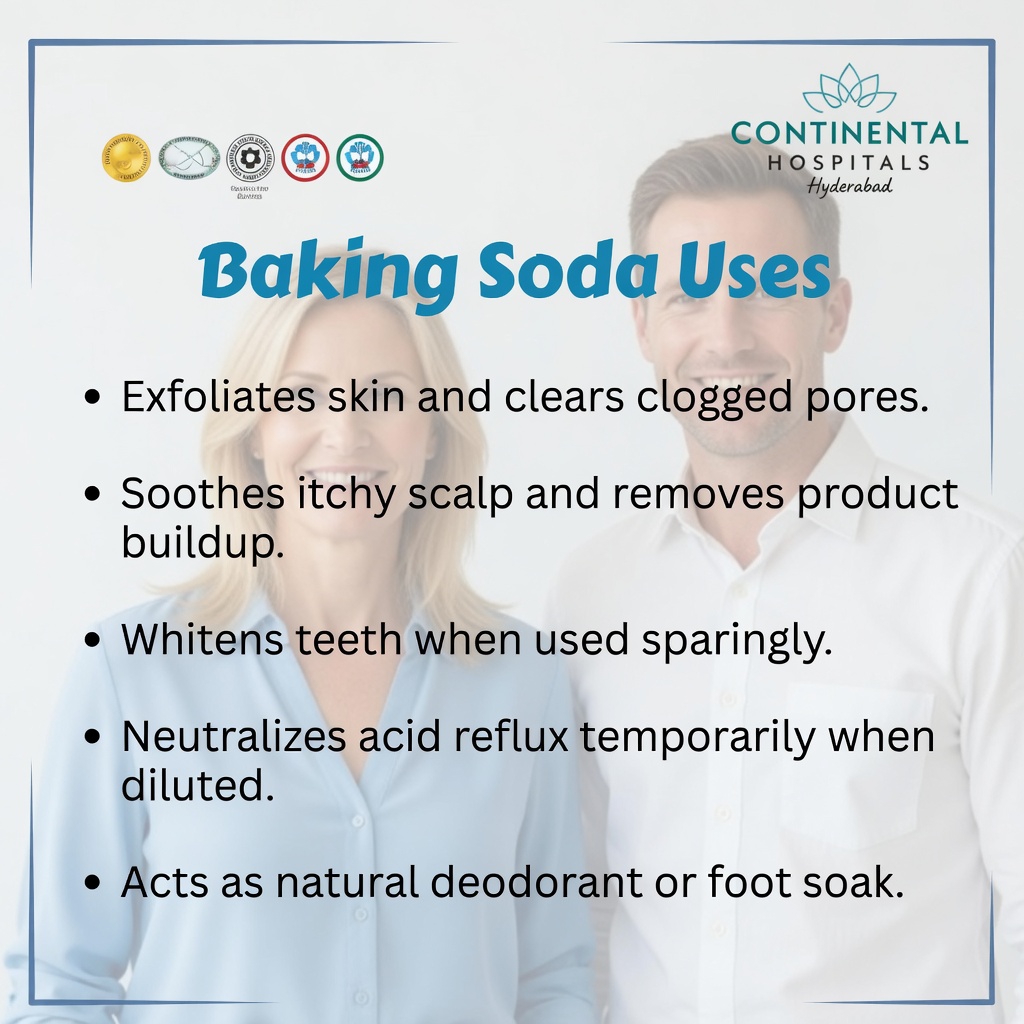
Baking soda, or sodium bicarbonate, is a familiar household ingredient often praised for its mildly gritty texture. In skincare, it is mainly considered a physical exfoliant, meaning it helps remove dead skin cells sitting on the surface. This can leave skin feeling softer for a short time and may make the complexion look brighter by clearing away buildup.
That said, baking soda is not a simple anti-aging fix. Its pH is about 9, while healthy skin naturally stays slightly acidic, usually between 4.5 and 5.5. Because of this difference, frequent or direct use can disturb the skin’s natural balance and may lead to dryness, irritation, or sensitivity. Dermatologists generally agree that although baking soda can provide temporary exfoliation, there is little evidence that it improves wrinkles long term, and gentler options are usually better for ongoing care.
Possible Benefits of Baking Soda for Skin Appearance
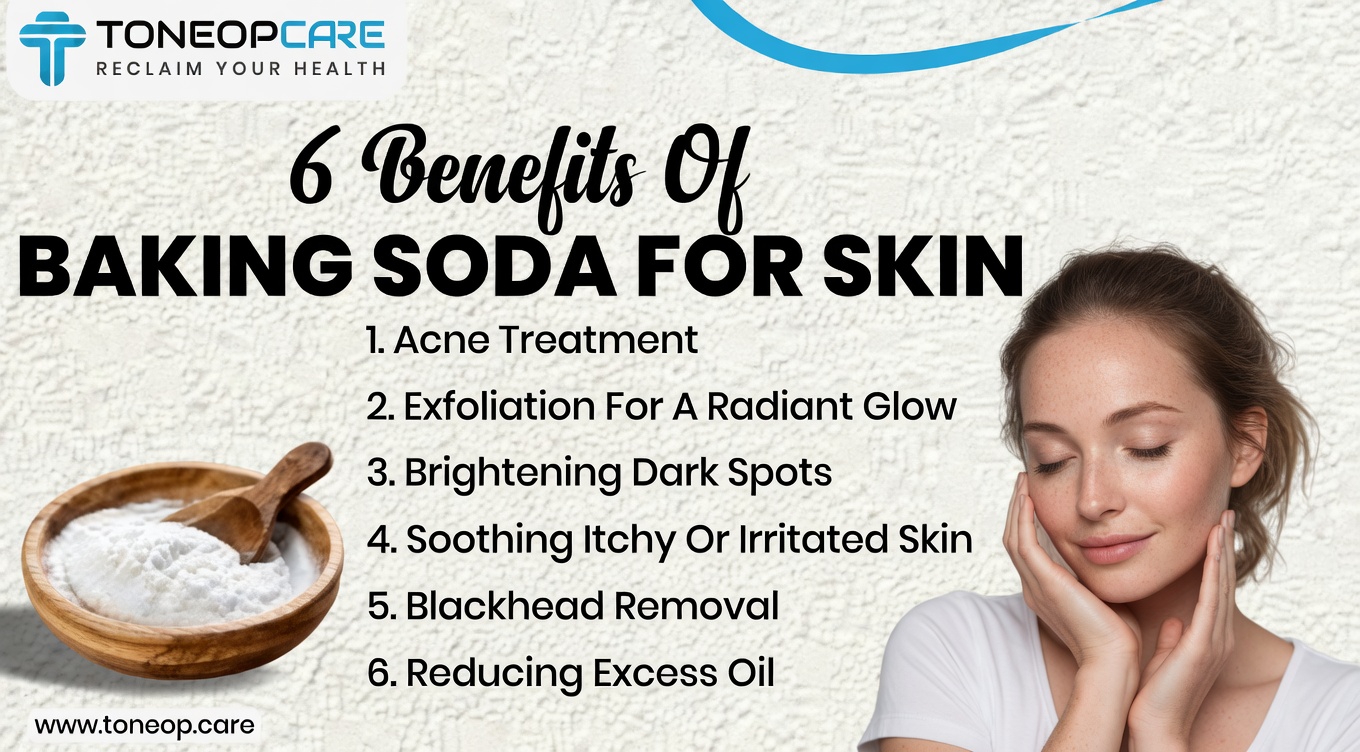
If used carefully, in a diluted form, baking soda may provide a few short-term cosmetic benefits:
- Light exfoliation that helps reveal fresher-looking skin
- Temporary smoothing by removing debris and dead cells from the surface
- Mild soothing support in baths for small areas of irritation, though not recommended as a direct facial treatment
According to expert reviews and available research, these effects are mostly surface-level and temporary. For instance, exfoliated skin often reflects light more evenly, which can make the face appear brighter for a while. However, this does not target deeper causes of visible aging, such as reduced collagen or loss of elasticity.
Why Caution Matters
Online beauty trends often promote baking soda masks, spot treatments, or overnight applications with dramatic claims. Skin experts urge caution with these methods. Too much use can strip away natural oils, weaken the protective barrier, and make skin more reactive over time. In some cases, prolonged use has been linked to redness, discomfort, and rougher skin texture.
Because of these concerns, dermatologists do not usually recommend baking soda as a core ingredient in a facial skincare routine. If you still want to test it, a patch test is essential, and use should remain limited.
Better Natural Ways to Support Smooth, Healthy-Looking Skin
Rather than depending on baking soda alone, it is wiser to follow skincare habits backed by research. These practical steps can help improve skin’s overall appearance over time:
- Drink enough water each day to support skin hydration and fullness
- Apply broad-spectrum sunscreen daily to defend against UV damage, one of the biggest causes of premature aging
- Exfoliate gently 1-2 times a week with well-studied ingredients such as low-strength alpha-hydroxy acids
- Moisturize regularly to maintain hydration and strengthen the skin barrier
- Eat antioxidant-rich foods like berries, nuts, and leafy greens to support skin from within
These habits are more reliable for long-term skin health and resilience than harsh or trendy DIY treatments.
A Mild Baking Soda Method to Try Carefully
If you still want to experiment with baking soda, the safest approach is a brief, diluted exfoliating mask rather than an overnight cream or heavy paste.
How to Use It
- Mix 1 teaspoon of baking soda with 2-3 teaspoons of water. You can also use plain yogurt as a gentler base.
- Apply the mixture to clean, damp skin.
- Avoid the eye area completely.
- Massage very gently in circular motions for 30 to 60 seconds.
- Rinse well with lukewarm water.
- Apply a moisturizer immediately after.
- Use it no more than once a week.
- Stop immediately if you notice burning, redness, or irritation.
This method reduces exposure time while still using the exfoliating texture of baking soda. Even so, it should only be an occasional option, not a treatment for deep wrinkles or ongoing skin concerns.
Baking Soda vs. Gentler Exfoliating Options
Here is how baking soda compares with more widely recommended exfoliation methods:
1. Baking Soda
- Pros: Inexpensive, easy to find, offers quick physical exfoliation
- Cons: High pH, may irritate skin, limited support for anti-aging benefits
2. Gentle Chemical Exfoliants
Examples include glycolic acid and lactic acid.
- Pros: Backed by studies for improving brightness and texture, often less abrasive than rough scrubs
- Cons: May cause slight tingling at first, especially if the concentration is too strong
3. Physical Exfoliants
Examples include microbead-free facial scrubs with smooth particles.
- Pros: Can deliver immediate softness
- Cons: May still be too harsh if the particles are large or used too often
In general, skincare professionals favor gentle, pH-balanced exfoliants over baking soda for regular facial use.
A Simple Daily Routine for Healthier Skin
If your goal is smoother and more radiant skin, consistency matters more than any single ingredient. A simple routine can make a noticeable difference:
- Cleanse twice daily with a mild, pH-balanced face wash
- Moisturize morning and night with a formula suited to your skin type
- Use sunscreen every morning as the final step in your routine
- Add a serum with niacinamide or hyaluronic acid for hydration and more even-looking tone
- Sleep well and manage stress, since both can affect how your skin looks
When followed regularly, these habits often produce better and safer results than DIY exfoliation tricks.
Conclusion
Baking soda may help exfoliate the skin lightly when used sparingly and with care, but it is not a miracle remedy for wrinkles and should not replace proven skincare habits. Because it is alkaline, overuse can disrupt the skin barrier and trigger dryness or irritation. For healthier-looking skin, it is far more effective to focus on hydration, sun protection, gentle exfoliation, and consistent daily care. Small steps practiced every day often lead to the most visible improvement over time.
FAQ
Is baking soda safe to use on the face every day?
No. Most dermatologists advise against daily facial use because baking soda’s alkaline pH can interfere with the skin’s natural balance and may cause dryness, irritation, or sensitivity. If used at all, it should only be occasional and diluted.
Can natural ingredients like baking soda replace professional skincare?
Not completely. Natural ingredients may play a small supporting role, but they do not replace research-backed skincare habits such as wearing sunscreen, moisturizing, and using appropriate active ingredients for long-term skin health.
How often should I exfoliate for smoother skin?
For most people, 1 to 2 times per week is enough. The right frequency depends on your skin type and sensitivity, so reduce use if irritation appears.