Atorvastatin Side Effects: What to Expect and How to Manage Them
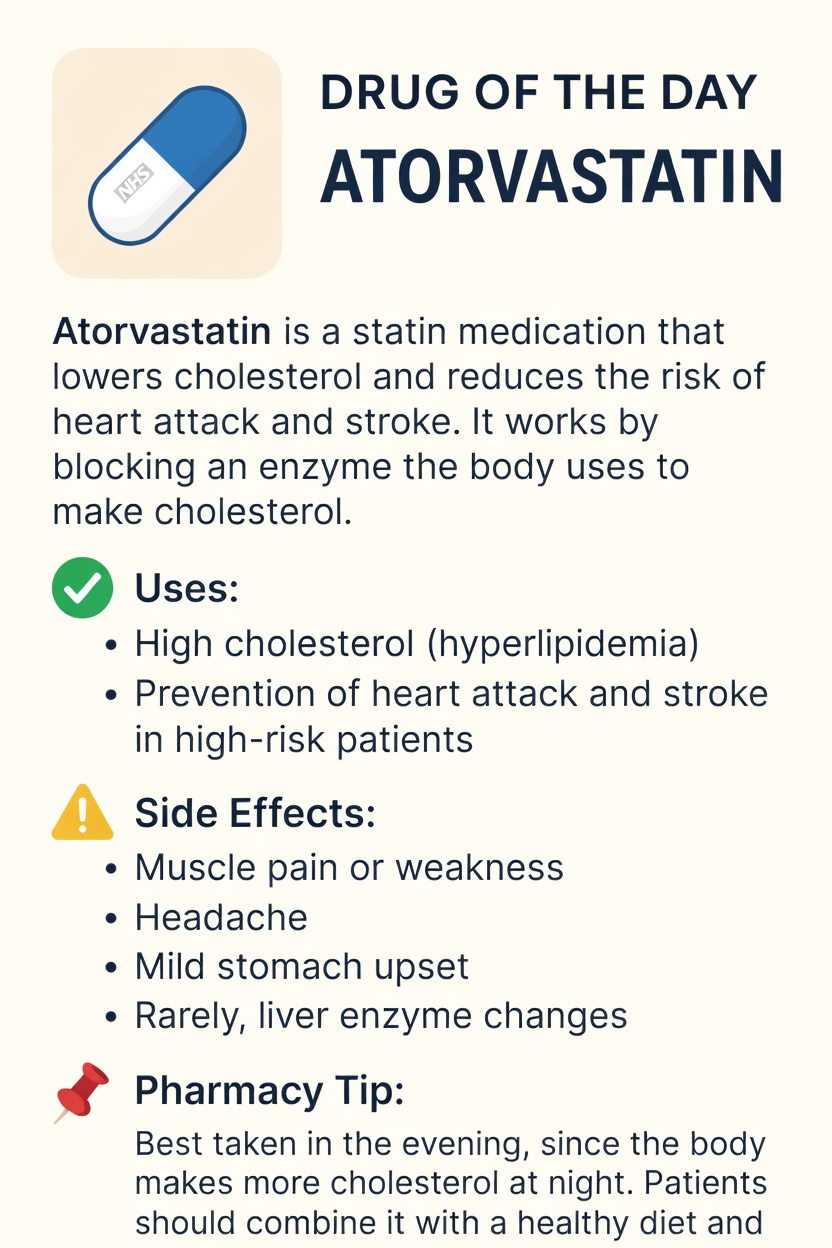
If you are among the many people treating high cholesterol, you have probably come across atorvastatin. This widely prescribed statin is known for lowering LDL cholesterol and helping reduce the risk of heart attack and stroke. Even so, like all medications, it may cause side effects that interfere with daily comfort.
Some reactions are minor and temporary, while others may be more disruptive or require medical attention. The encouraging part is that knowing what to look for can help you respond early and stay in control. With the right habits and good communication with your healthcare provider, many people are able to use atorvastatin successfully and safely.
What Is Atorvastatin and How Does It Work?
Atorvastatin, commonly recognized by the brand name Lipitor, is part of the statin family of medications. It works by blocking a liver enzyme involved in cholesterol production. As a result, it helps:
- Lower LDL cholesterol
- Reduce triglyceride levels
- Slightly increase HDL cholesterol
According to major heart health organizations, statins such as atorvastatin can meaningfully lower the chances of cardiovascular events in people with high cholesterol or increased heart risk.
That said, atorvastatin does not affect everyone in the same way. Your age, dose, medical history, and use of other medications can all influence how your body responds. Before starting treatment, it is important to review your full health background with your doctor so your plan is tailored to your needs.
Common Atorvastatin Side Effects
Many side effects linked to atorvastatin are mild and often improve as the body adapts. Still, they should not be ignored if they persist or worsen.
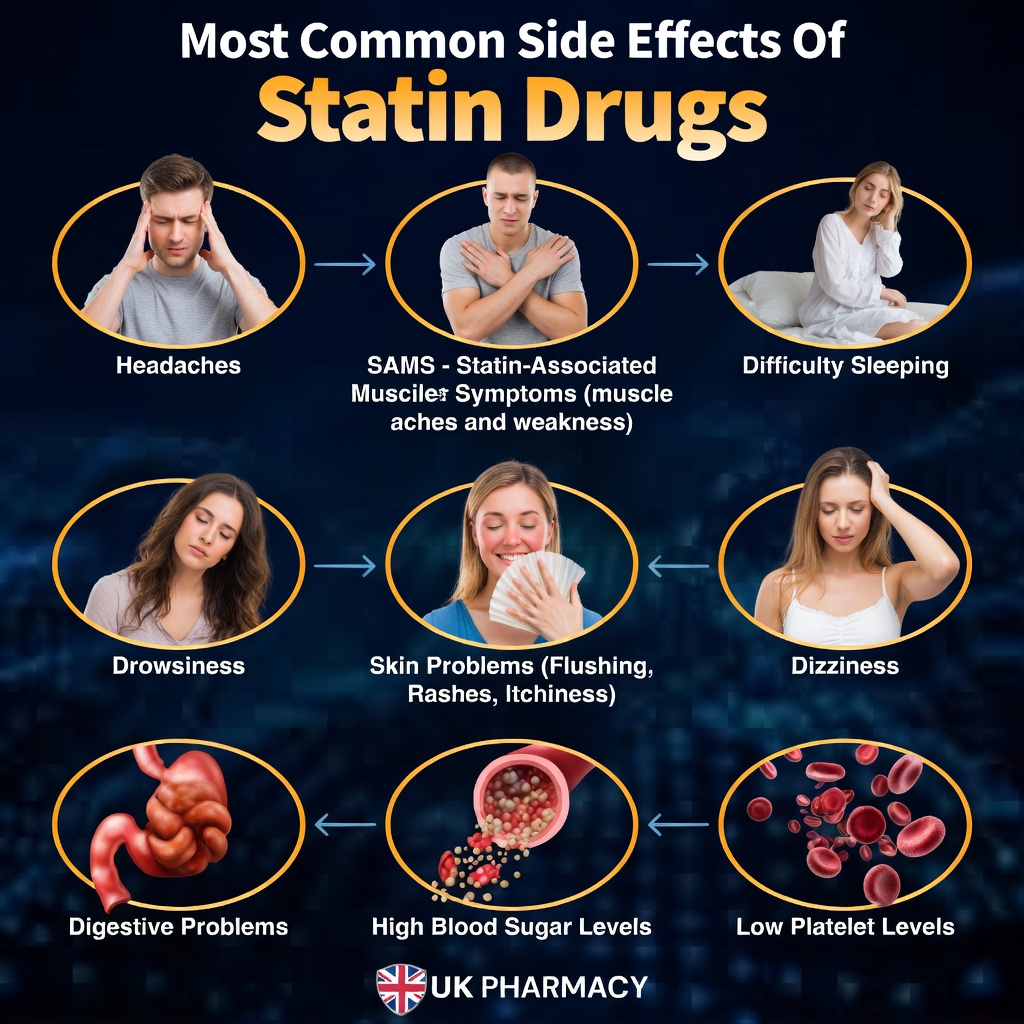
Muscle Pain or Weakness
Muscle-related discomfort is one of the most frequently reported concerns. This may feel like soreness, heaviness, or weakness that does not seem related to exercise. Some studies suggest this affects around 5% to 10% of users.
You can try the following to ease symptoms:
- Drink enough water throughout the day
- Add gentle stretching or light movement to your routine
- Tell your doctor if pain continues or becomes stronger
- Ask whether dose adjustment or coenzyme Q10 may be appropriate
In rare situations, muscle symptoms can signal a more serious issue, which is covered later in this article.
Digestive Problems
Some people notice stomach-related symptoms after starting atorvastatin, including:
- Nausea
- Diarrhea
- Indigestion
- Stomach discomfort
These effects are usually manageable. Helpful steps include:
- Taking the medication with food
- Choosing simple, mild meals
- Avoiding spicy or greasy foods at first
If digestive symptoms continue, check with a healthcare professional to confirm whether atorvastatin is the cause.
Headaches and Tiredness
Headaches and fatigue are also reported by some users, especially early in treatment. These often settle as the body adjusts.
To manage them:
- Keep a regular sleep schedule and aim for 7 to 9 hours each night
- Stay hydrated
- Record headaches or fatigue patterns in a notebook or app
- Share persistent symptoms with your doctor
Less Common but Important Side Effects
Not everyone experiences these problems, but they are still worth knowing about.
Joint or Bone Pain
Some statin users report aching joints or discomfort that feels similar to arthritis. This may be linked to inflammatory changes in certain individuals.
Ways to cope include:
- Try low-impact activities such as walking, swimming, or cycling
- Discuss pain relief options with your doctor before using anti-inflammatory medicines
- Avoid pushing through severe or worsening discomfort
Sleep Problems
A small number of people taking atorvastatin notice:
- Trouble falling asleep
- Restless sleep
- Vivid dreams
To improve sleep quality:
- Create a calming bedtime routine
- Limit screen exposure before bed
- Practice deep breathing or relaxation exercises
- Keep caffeine intake in check later in the day
Even small changes in sleep habits can make a noticeable difference.
Skin Reactions
Though uncommon, skin-related reactions can happen. These may include:
- Itching
- Rash
- Dryness
- Hair thinning or hair loss
If this occurs:
- Use fragrance-free, gentle skincare products
- Avoid harsh soaps or irritating cosmetics
- Seek medical advice if symptoms become severe or widespread
Rare Side Effects That Need Attention
These side effects are uncommon, but it is important to recognize them quickly.
Liver Function Changes
Atorvastatin can sometimes raise liver enzyme levels. Serious liver damage is uncommon, but monitoring matters.
Watch for symptoms such as:
- Yellowing of the skin or eyes
- Dark-colored urine
- Unusual tiredness
- Pain in the upper abdomen
Routine blood tests are often used to check liver function while taking statins.
Higher Blood Sugar Levels
Atorvastatin may slightly increase the risk of type 2 diabetes, especially in people who already have prediabetes or other risk factors.
To help reduce this risk:
- Monitor blood sugar if recommended
- Eat more vegetables, whole grains, and high-fiber foods
- Stay physically active
- Maintain a healthy body weight
Memory Changes or Brain Fog
Some users describe forgetfulness or trouble concentrating while taking statins. Research has not shown a strong consistent link, but personal experiences vary.
To support cognitive health:
- Keep your mind active with reading, puzzles, or learning
- Eat a balanced diet with enough B vitamins
- Mention any memory concerns to your healthcare provider
Rhabdomyolysis: Severe Muscle Breakdown
This is a very rare but serious condition in which muscle tissue breaks down rapidly, potentially affecting the kidneys.
Warning signs include:
- Intense muscle pain
- Marked weakness
- Dark urine
This requires immediate medical care.
Allergic Reactions
Although rare, atorvastatin can trigger an allergic response. Emergency help is needed if you develop:
- Swelling of the face, lips, or throat
- Hives
- Trouble breathing
Tendon Problems
In rare cases, people may experience tendon irritation or even rupture.
To lower the risk:
- Stay active without overtraining
- Stop and get checked if you feel sudden tendon pain or weakness
Low Platelet Count
A low platelet count can interfere with blood clotting. Symptoms may include:
- Easy bruising
- Frequent nosebleeds
- Unusual bleeding
If these signs appear, contact your doctor.
Peripheral Neuropathy
Rarely, users may notice tingling, numbness, or burning sensations in the hands or feet. This should be evaluated to rule out nerve-related complications.
Vision Changes
Blurred vision or other eye-related symptoms are not common, but they can occur. Regular eye exams are helpful, especially if you already have vision concerns.
Hormonal or Sexual Changes
Some reports suggest possible effects on libido or erectile function. If you notice these changes, speak openly with your doctor. In many cases, there are practical ways to address them.
Weighing the Benefits and Risks of Atorvastatin
Atorvastatin has helped prevent countless heart attacks and strokes, and its benefits are supported by many years of research. For many people, the protection it offers is far greater than the risk of side effects.
Still, no treatment decision should be one-size-fits-all. The best approach is personalized care. Your doctor can help you compare:
- Your cholesterol levels
- Your heart disease risk
- Any symptoms you are experiencing
- Other medications or health conditions
Lifestyle choices can also make atorvastatin work better. Health experts commonly recommend:
- 150 minutes of moderate exercise each week
- A heart-friendly diet rich in fish, nuts, vegetables, and whole grains
- Weight management
- Smoking cessation
- Stress control
Practical Ways to Reduce Atorvastatin Side Effects
Here are simple strategies that can help you stay more comfortable while taking atorvastatin:
- Track symptoms: Use an app or notebook to record what you feel and when it happens
- Take it consistently: Use the medication at the same time every day
- Stay hydrated: Adequate water intake supports overall body function
- Eat well: A nutrient-dense diet can improve energy and digestion
- Schedule check-ups: Blood tests can help monitor liver function and muscle health
- Review drug interactions: Ask your provider or pharmacist whether other medicines or supplements may increase side effects
Quick Reference: Common Side Effects and What to Do
Muscle Pain
- Frequency: Common
- What helps: Light exercise, hydration, medical review if ongoing
Nausea
- Frequency: Common
- What helps: Take with food, eat bland meals, avoid rich foods
Fatigue
- Frequency: Common
- What helps: Keep a stable sleep routine, stay hydrated, monitor symptoms
Liver Changes
- Frequency: Rare
- What helps: Routine blood tests, report warning signs quickly
Blood Sugar Increase
- Frequency: Less common
- What helps: Healthy diet, physical activity, glucose monitoring if needed
Strong Daily Habits for Better Heart Health While Taking Atorvastatin
Supporting your heart goes beyond medication alone. These habits can improve both cholesterol management and overall well-being:
- Eat omega-3-rich foods such as salmon or sardines
- Increase fiber intake through oats, fruit, vegetables, and legumes
- Use stress-reduction practices like meditation or slow breathing
- Stay socially connected to support mental and emotional health
- Aim for at least 8 glasses of water daily, unless your doctor advises otherwise
These are not just small extras. Over time, they can meaningfully improve long-term health and may even make side effects easier to handle.
Final Thoughts
Atorvastatin remains an important tool in protecting heart health, especially for people with high cholesterol or elevated cardiovascular risk. While side effects can happen, many are mild, manageable, and temporary. The key is staying informed, watching for warning signs, and working closely with your healthcare provider.
If something feels off, do not stop the medication on your own. Instead, get professional guidance. A small adjustment in dose, timing, diet, or daily routine may be all that is needed to make treatment easier and more effective.
Sometimes the most helpful tip is also the simplest: keep a symptom journal. Tracking how you feel each day can reveal patterns, make doctor visits more productive, and help you find the routine that works best for your body.