
Atorvastatin Side Effects: 15 Possible Reactions and How to Manage Them
If your doctor has prescribed atorvastatin to control cholesterol, you are in very good company. This medication is widely used to protect cardiovascular health and lower the risk of serious heart problems. Still, like many prescription drugs, it may cause side effects that can feel unexpected and sometimes unsettling.
These changes can affect how you feel day to day, interfere with normal activities, and leave you wondering whether your body is reacting normally. The good news is that understanding possible side effects can help you respond with more confidence. And there is one often-overlooked strategy that can make a major difference: staying closely connected with your healthcare provider and tracking how you feel over time.
What Is Atorvastatin and Why Do Doctors Prescribe It?
Atorvastatin, best known under the brand name Lipitor, is part of the statin family. Statins lower cholesterol by blocking an enzyme in the liver that helps produce it. As a result, atorvastatin can:
- Reduce LDL, or “bad” cholesterol
- Lower triglycerides
- Slightly increase HDL, or “good” cholesterol
Doctors frequently recommend it for people with high cholesterol, especially if they also have risk factors such as:
- Diabetes
- A previous heart attack
- A history of stroke
- Existing heart disease
- Elevated cardiovascular risk
Atorvastatin is also commonly used after a cardiac event to help prevent future complications. Research consistently supports its role in long-term heart health management.
That said, no two people respond exactly the same way. Age, dosage, other medications, and underlying medical conditions can all influence how the drug affects you. That is why personalized guidance from your healthcare professional is essential.

Common Atorvastatin Side Effects
For many people, side effects are mild and improve as the body adapts. Even when they are not dangerous, they can still be frustrating. Below are some of the most commonly reported reactions.
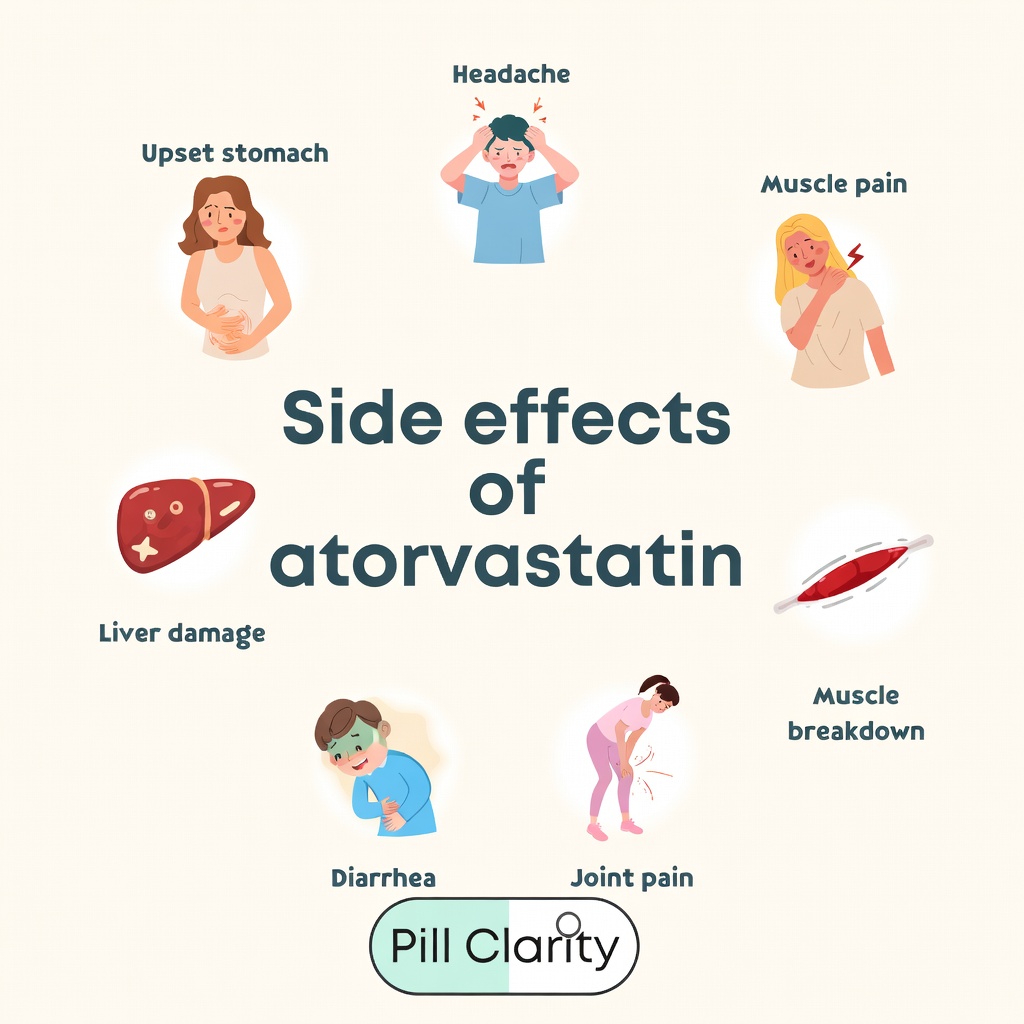
1. Muscle Pain
Muscle aches are among the side effects people mention most often. The discomfort may feel mild or more noticeable, especially in the legs, shoulders, or back. Some reports suggest this affects up to 10% of users.
If you begin experiencing muscle soreness, it may help to note:
- When it starts
- Whether it worsens after exercise
- Which muscles are affected
- How long it lasts
Light stretching and low-impact movement, such as walking, may help reduce discomfort.
2. Muscle Weakness
In addition to soreness, some people notice reduced muscle strength or an unusual feeling of heaviness. This can make normal activities feel more tiring than usual.
Pay attention if weakness seems to increase suddenly or becomes severe, especially if it interferes with daily tasks.
3. Joint Pain
Atorvastatin may also be linked with joint stiffness or aching, particularly in areas such as:
- Knees
- Hips
- Elbows
- Wrists
This can resemble arthritis, although it is often temporary. Gentle mobility exercises and staying active may help reduce stiffness.
4. Diarrhea
Digestive upset is another possible issue. Diarrhea can occur in a small but noticeable percentage of users, sometimes after meals and sometimes without a clear pattern.
A few simple measures may help:
- Eat smaller meals
- Choose bland foods for a short time
- Drink enough fluids
- Avoid foods that irritate your stomach
5. Nausea
Some people feel queasy when starting atorvastatin. This sensation may come and go and can be more noticeable after eating.
To make nausea easier to handle, try:
- Smaller, more frequent meals
- Mild foods such as toast, rice, or crackers
- Avoiding greasy or very spicy dishes
6. Headaches
Headaches are another relatively common complaint. They are often mild but can be persistent. Dehydration, poor sleep, and stress may make them worse.
Keeping a simple symptom log can help you identify patterns and triggers.
7. Cold-Like Symptoms
A few users report symptoms similar to a mild cold, including:
- Runny nose
- Sore throat
- Mild nasal irritation
This condition is sometimes described as nasopharyngitis. Although usually not serious, it can be uncomfortable. Saline sprays or other simple remedies may provide relief, but it is best to confirm options with a pharmacist or doctor.
8. Fatigue
Some people feel more tired than usual while taking atorvastatin. This can show up as low energy, a lack of motivation, or a need for more rest during the day.
Fatigue can have many causes, so it is important to consider whether it began after starting the medication or changed after a dose adjustment.
Less Common but Serious Side Effects
Although rare, some reactions deserve immediate attention. Spotting warning signs early can help prevent more serious complications.
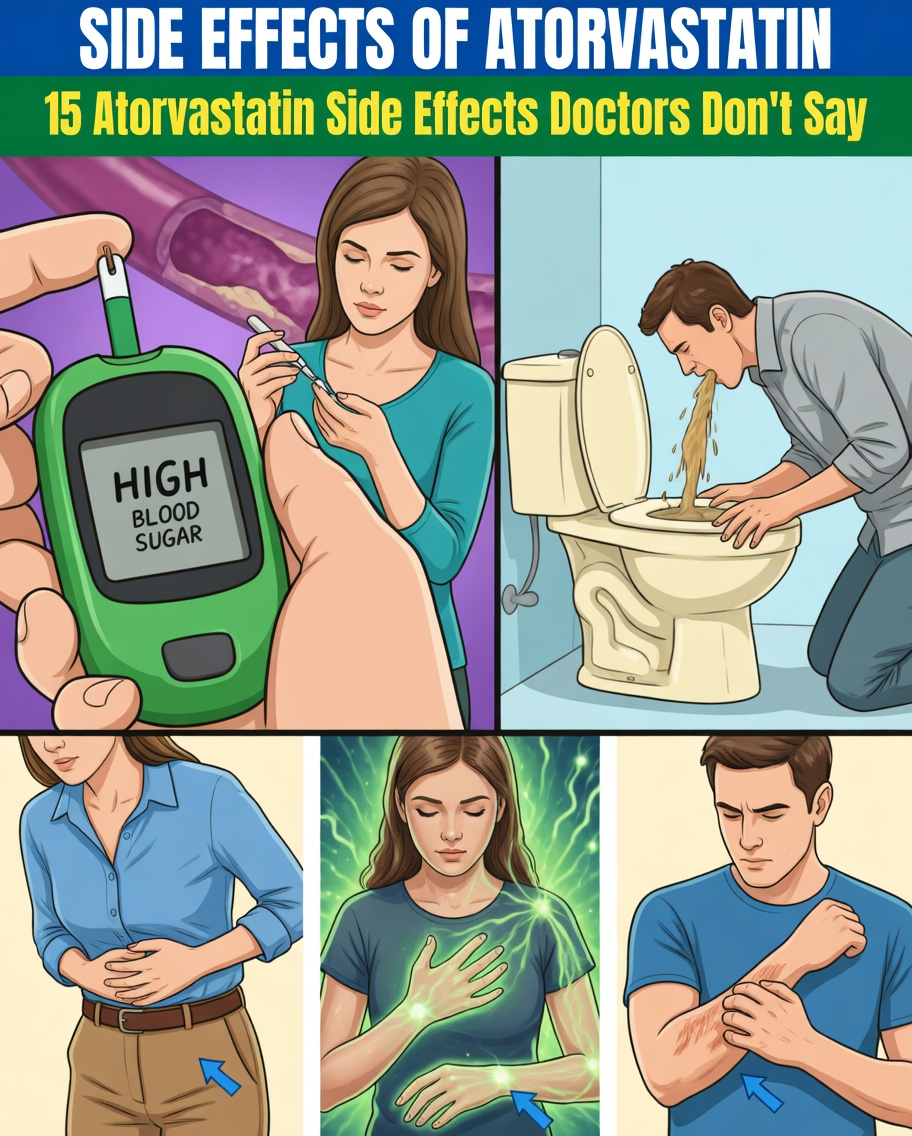
9. Liver Enzyme Elevation
Atorvastatin can occasionally affect the liver, which may show up as increased liver enzyme levels on blood tests. In some cases, symptoms may include:
- Unusual tiredness
- Dark urine
- Yellowing of the skin or eyes
- Loss of appetite
Routine blood work is often used to monitor this risk. Limiting alcohol may also help support liver health.
10. Increased Blood Sugar
Some evidence suggests statins may slightly raise blood sugar levels in certain individuals. This may be more relevant for people with prediabetes or diabetes.
Possible signs include:
- Increased thirst
- Frequent urination
- Unexplained fatigue
A balanced diet and regular exercise can help keep blood sugar under control.
11. Rhabdomyolysis
This is a rare but serious condition involving severe muscle breakdown. It can lead to kidney problems if not treated quickly.
Watch for:
- Intense muscle pain
- Severe weakness
- Dark-colored urine
- Sudden worsening of symptoms
The risk may be higher with larger doses or interactions with certain other drugs. Immediate medical attention is important if these signs appear.
12. Allergic Reactions
Although uncommon, atorvastatin can trigger an allergic response in some people. Symptoms may include:
- Rash
- Hives
- Swelling
- Trouble breathing
Any swelling of the face, lips, throat, or difficulty breathing should be treated as urgent.
13. Memory Problems or Confusion
Some users have reported forgetfulness, mental fog, or confusion while taking statins, though the evidence remains mixed. Even so, these symptoms can feel worrying and should be discussed with a healthcare professional.
14. Dizziness
A small number of people feel lightheaded or unsteady. This may be more noticeable when standing up quickly or during periods of dehydration.
If dizziness continues or becomes severe, medical advice is recommended.
15. Chest Tightness, Insomnia, or Urinary Tract Infections
Other reported side effects may include:
- Chest tightness
- Trouble sleeping
- Urinary tract infections
These are less commonly discussed but still possible. Every person’s experience is different, which is why monitoring symptoms matters.
Quick Comparison of Common and Rare Side Effects
The table below offers a simple overview of how frequently certain side effects are reported.
| Side Effect Category | Common Examples | Typical Frequency | Rare Examples | Typical Frequency |
|---|---|---|---|---|
| Musculoskeletal | Muscle pain, joint pain | 1% to 10% | Rhabdomyolysis | Less than 1% |
| Digestive | Diarrhea, nausea | 1% to 10% | Severe indigestion | Less than 1% |
| Neurological | Headache | 1% to 10% | Confusion | Less than 1% |
| Other | Cold-like symptoms, fatigue | 1% to 10% | Allergic reactions | Less than 1% |
| Metabolic | Increased blood sugar | Varies | Liver changes | Less than 1% |
Most people do not experience severe problems, and many side effects can be managed successfully with the right approach.
How to Manage Atorvastatin Side Effects
If side effects show up, there are practical ways to respond without feeling overwhelmed.
Monitor Symptoms Daily
Keep a short journal of:
- Symptoms you notice
- What you ate
- Exercise or physical activity
- Time you took your medication
- Changes in sleep or stress
This can help identify patterns and give your doctor more useful information.
Stay Physically Active
Gentle exercise may support muscle and joint health. Walking for around 30 minutes on most days can be a good starting point if approved by your doctor.
Adjust Your Diet
Food choices can make a difference, especially for digestive side effects and blood sugar control. Helpful options include:
- Oatmeal
- Whole grains
- Leafy greens
- Berries
- Lean protein
- High-fiber foods
Drink Enough Water
Hydration supports overall body function and may reduce headaches, dizziness, and digestive discomfort. Many people benefit from aiming for around 8 glasses of water per day, though individual needs vary.
Speak Up Early
Do not ignore symptoms that persist. A healthcare provider may decide to:
- Change the dose
- Check for drug interactions
- Order blood tests
- Recommend an alternative medication
The key is not to wait too long if something feels wrong.
Additional Tips That May Improve Your Experience
Beyond the basics, a few extra strategies may help you manage atorvastatin more comfortably.
Ask About Coenzyme Q10
Some studies suggest CoQ10 supplements may help with muscle discomfort in certain people taking statins. This is not appropriate for everyone, so discuss it with your healthcare provider before trying it.
Consider Timing
Taking atorvastatin in the evening may suit some people because cholesterol production in the body tends to be more active at night. Always follow your doctor’s instructions regarding timing.
Avoid Grapefruit Juice
Grapefruit and grapefruit juice can interfere with how atorvastatin is metabolized, which may increase the risk of side effects. If you regularly consume grapefruit products, ask your doctor whether you should avoid them.
When to Seek Medical Help
Some symptoms should never be ignored. Contact a medical professional right away if you experience:
- Severe or rapidly worsening muscle pain
- Marked weakness
- Dark urine
- Yellowing of the skin or eyes
- Difficulty breathing
- Swelling of the face or throat
- Unusual bruising
- Persistent chest tightness
Prompt action can make a significant difference in preventing complications.
Why Regular Checkups Matter
One of the most effective yet often overlooked ways to stay safe on atorvastatin is to keep up with regular follow-up appointments. These visits allow your provider to:
- Monitor cholesterol improvement
- Check liver function if needed
- Review side effects
- Adjust your dosage
- Catch problems early
That simple habit can turn a difficult medication experience into a manageable one.
Final Thoughts
Atorvastatin remains one of the most commonly prescribed and effective medications for lowering cholesterol and reducing cardiovascular risk. While it offers important benefits, it may also cause side effects ranging from common issues like muscle aches, headaches, nausea, and fatigue to uncommon but serious concerns such as liver changes or rhabdomyolysis.
Being informed helps you stay in control. By tracking symptoms, making smart lifestyle adjustments, staying hydrated, and maintaining open communication with your healthcare provider, you can often reduce disruption and continue focusing on your long-term health.
The most valuable strategy of all may be the simplest: build a strong, honest partnership with your healthcare team. That ongoing communication can completely change how confidently and safely you manage your treatment.
FAQ
What should I do if I experience muscle pain while taking atorvastatin?
Mild muscle pain can sometimes improve as your body adjusts, but you should still pay attention to it. Record when it happens, how severe it feels, and whether it gets worse after activity. Contact your doctor if the pain is persistent, becomes severe, or is accompanied by weakness or dark urine. Do not stop the medication on your own unless your healthcare provider tells you to do so.