Age-Related Muscle Loss: Foods That May Help You Stay Stronger as You Age
Losing muscle over time is a common part of aging. This gradual decline in muscle mass and strength often begins after age 30 and tends to speed up later in life. By the time people reach their 70s or 80s, these changes can become significant enough to affect balance, movement, and everyday tasks.
Several factors can influence this process, including lower activity levels, shifts in hormones, and reduced ability to absorb nutrients efficiently. The good news is that diet can play an important role. When healthy eating is combined with regular movement, even modest changes may help support muscle maintenance over time.
Findings from research, including reviews published by organizations such as the National Institutes of Health, suggest that dietary patterns rich in protein and other essential nutrients are linked with better muscle health in older adults.
So which foods are most helpful, and how can you add them to your meals in a realistic way without completely changing how you eat?

Why Protein Becomes More Important With Age
Protein is essential for building and repairing muscle through a process known as muscle protein synthesis. As people get older, the body may not respond to protein as effectively as it once did. This reduced response is often referred to as anabolic resistance.
Because of this, many specialists recommend that older adults consume around 1.0 to 1.2 grams of protein per kilogram of body weight each day, ideally divided across meals instead of eating most of it at once. For someone who weighs 70 kilograms, that works out to about 70 to 84 grams of protein daily.
Protein sources that contain all essential amino acids, especially leucine, appear to be especially beneficial. Research has linked regular intake of foods such as dairy, eggs, poultry, fish, and some plant proteins with better preservation of muscle strength and function.
Protein-Rich Foods That Work Well for Seniors
Here are some practical high-protein options:
- Greek yogurt or cottage cheese: about 15 to 20 grams of protein per cup, easy to eat, and often a source of calcium
- Eggs: around 6 grams of protein per large egg, convenient and versatile
- Chicken or turkey breast: roughly 25 to 30 grams per 100-gram serving, lean and filling
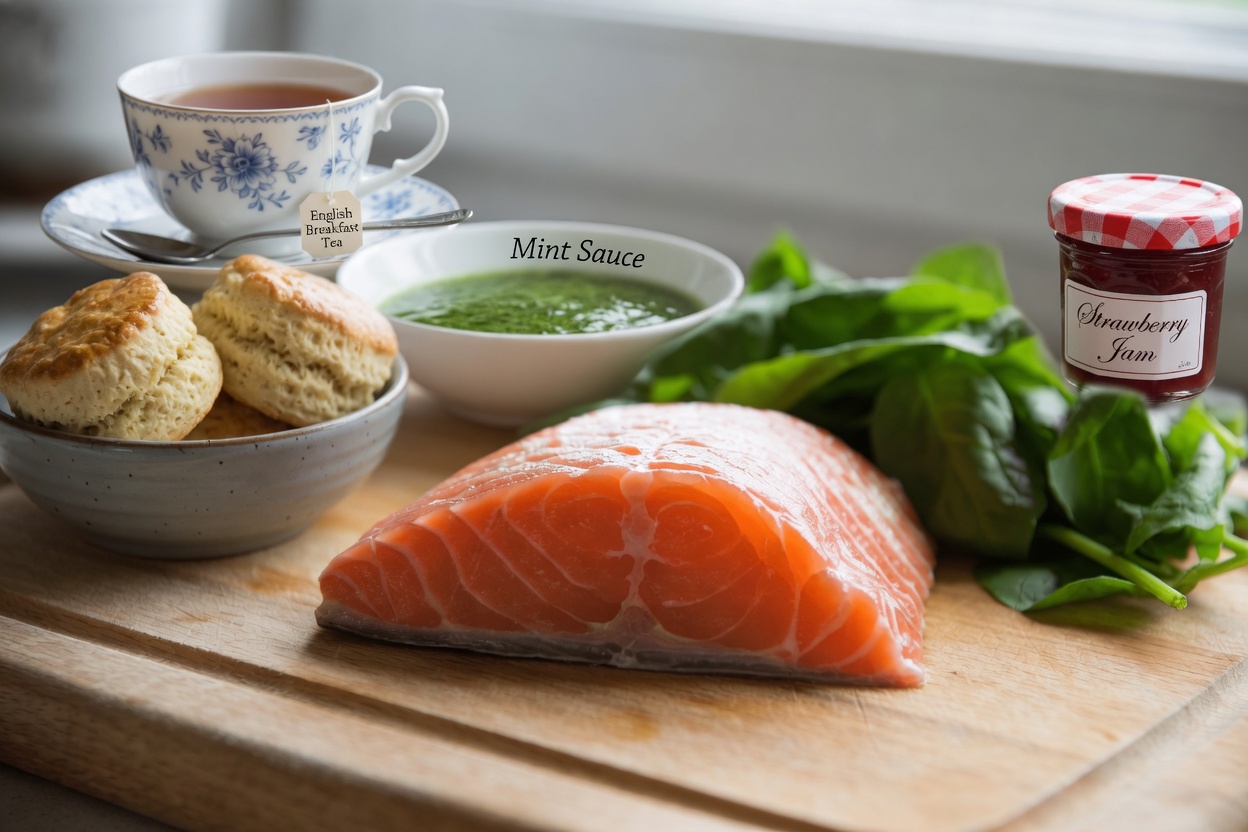
- Salmon and other fatty fish: provide both protein and additional nutrients that support healthy aging
- Lentils or beans: about 8 to 9 grams per half-cup cooked, budget-friendly and high in fiber
Simple Tip
Try to get 20 to 30 grams of protein at each main meal. For example:
- Eat eggs and yogurt at breakfast
- Add grilled chicken to a lunch salad
- Choose fish or lentils for dinner
Spreading protein throughout the day may help the body use it more efficiently.
Omega-3 Fatty Acids and Inflammation Support
Inflammation may affect how muscles age and respond to stress. Omega-3 fatty acids, especially EPA and DHA found in oily fish, have been studied for their potential to support muscle health by helping regulate normal inflammatory processes.
Some studies tracking older adults over time have found that regular fish consumption is associated with stronger grip strength and better physical performance.
Good Sources of Omega-3s
- Salmon
- Mackerel
- Sardines
- Walnuts
- Flaxseeds
Fatty fish are the most direct food source of EPA and DHA. Plant foods like walnuts and flaxseeds are still nutritious, although the body converts their omega-3s less efficiently.
If you rarely eat fish, it may be worth asking a healthcare professional whether a supplement is appropriate. Still, whole foods offer extra benefits beyond omega-3s, including protein and vitamin D.
Vitamin D and Muscle Function
Vitamin D is well known for helping the body absorb calcium, but it also contributes to muscle contraction and strength. Older adults often have low vitamin D levels due to limited sun exposure, lower dietary intake, or age-related changes in metabolism.
Foods that provide vitamin D include:
- Fatty fish
- Egg yolks
- Fortified dairy products
- Fortified plant-based milks
Some studies suggest that when low vitamin D levels are corrected, especially alongside adequate protein intake, muscle-related outcomes may improve.
Practical Approach
- Include fortified milk or yogurt in your daily routine
- Get safe sun exposure when possible
- Talk with your doctor about vitamin D testing if needed
Whenever possible, prioritize food sources before turning to supplements.
The Value of Antioxidant-Rich Fruits and Vegetables
Fruits and vegetables deliver antioxidants such as vitamin C, carotenoids, and polyphenols, which help protect cells from everyday oxidative stress. Observational studies have linked lower carotenoid levels with a greater decline in muscle strength over time.
Colorful produce is especially useful here. Foods like leafy greens, berries, tomatoes, bell peppers, and carrots provide a broad range of protective compounds. Diets rich in these foods, including Mediterranean-style eating patterns, are often associated with better physical function in older adults.
Why Carrots Deserve Attention
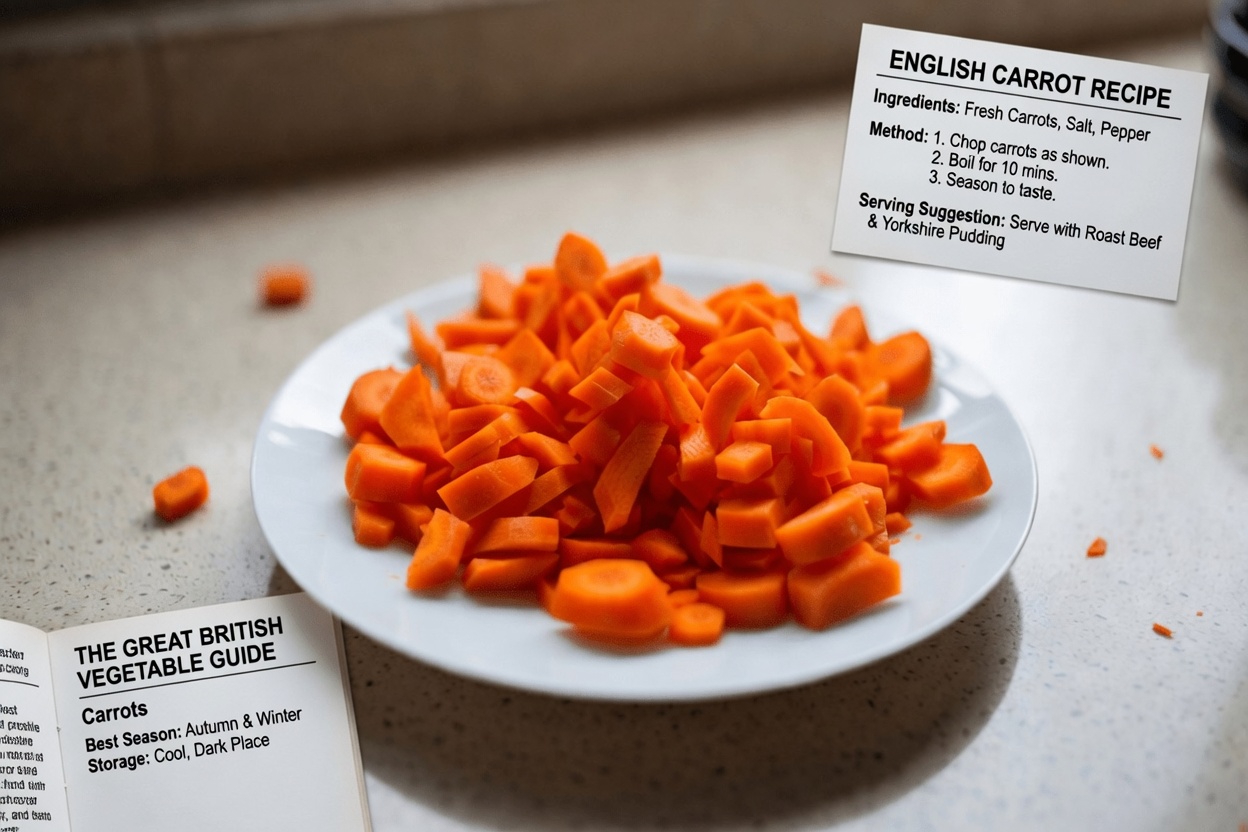
Carrots are a standout option because they are affordable, easy to store, and simple to use in different meals. Their bright orange color comes from beta-carotene, which the body converts into vitamin A and which contributes to antioxidant support.
No single food can prevent muscle loss on its own, but studies examining carotenoid intake suggest that eating orange and red vegetables regularly may be linked with stronger muscle-related markers in older adults.
You can enjoy carrots in many ways:
- Raw in salads
- Roasted as a side dish
- Added to soups
- Blended into purees
- Mixed into grain bowls
Seven Key Foods Often Linked to Better Muscle Health
The following foods are commonly highlighted in discussions about healthy aging and muscle support:
- Lean poultry or eggs — provide high-quality protein and leucine for muscle protein synthesis
- Fatty fish such as salmon — offer protein plus omega-3 fatty acids
- Dairy foods like Greek yogurt or milk — supply protein, calcium, and often vitamin D
- Legumes including beans, lentils, and chickpeas — deliver plant protein and fiber
- Leafy greens and brightly colored vegetables — provide antioxidants, magnesium, and vitamins
- Nuts and seeds such as walnuts and pumpkin seeds — contain healthy fats, magnesium, and extra protein
- Carrots and other carotenoid-rich vegetables — supply antioxidants that may support muscle maintenance
These foods are most effective when they are part of an overall balanced diet rather than treated as isolated solutions.
How to Build Meals That Support Muscle as You Age
Creating a muscle-friendly plate does not need to be complicated. Here is one easy structure:
Breakfast
- Scrambled eggs with spinach
- Greek yogurt on the side
Lunch
- Grilled chicken salad
- Mixed greens, carrots, tomatoes
- Olive oil dressing
Dinner
- Baked salmon
- Lentils
- Steamed broccoli
Snack
- A handful of walnuts
- Or cottage cheese with berries
The key is consistency. Adding one or two beneficial foods each week can be more sustainable than trying to change everything at once.
Nutrition Works Best When Paired With Movement
Food alone is helpful, but it becomes even more powerful when combined with physical activity. Resistance-based movement is particularly important for maintaining muscle. This does not always mean intense workouts. Simple exercises can also help, such as:
- Seated leg lifts
- Wall push-ups
- Light dumbbell exercises
- Chair squats
- Resistance band movements
Many studies show stronger results when regular movement and good nutrition are practiced together.
Before beginning a new exercise plan, it is wise to speak with a doctor or physical therapist, especially if you have an existing medical condition or mobility concerns.
Conclusion
Supporting muscle health with age is not about extreme diets or sudden lifestyle overhauls. It is about building habits that are realistic and sustainable. Prioritizing protein-rich foods, omega-3 sources, vitamin D, and a wide range of colorful fruits and vegetables, including carrots, can help create meals that nourish the body and support strength over time.
Small daily choices can add up. With steady effort, these habits may help you remain stronger, more active, and more independent as the years go by.
Because individual needs vary based on health status, medications, and activity levels, it is always best to work with a healthcare provider or registered dietitian for personalized guidance.
FAQ
1. How much protein do seniors really need each day?
Many health experts recommend that healthy older adults aim for about 1.0 to 1.2 grams of protein per kilogram of body weight per day. The exact amount can vary depending on overall health, physical activity, and medical conditions, so personalized advice from a healthcare professional is important.