Cat’s Claw (Uncaria tomentosa): Properties and Health Benefits
Cat’s claw (Uncaria tomentosa) is a traditional medicinal plant native to the Amazon rainforest. Long used by Indigenous communities and often called the “Peruvian vine,” it has become popular worldwide for its potential anti-inflammatory, antioxidant, and immune-supporting effects.
In this guide, you will learn what cat’s claw is, its main health benefits and medicinal properties, plus a simple tea (infusion) recipe you can prepare at home to harness its natural power.
What Is Cat’s Claw?
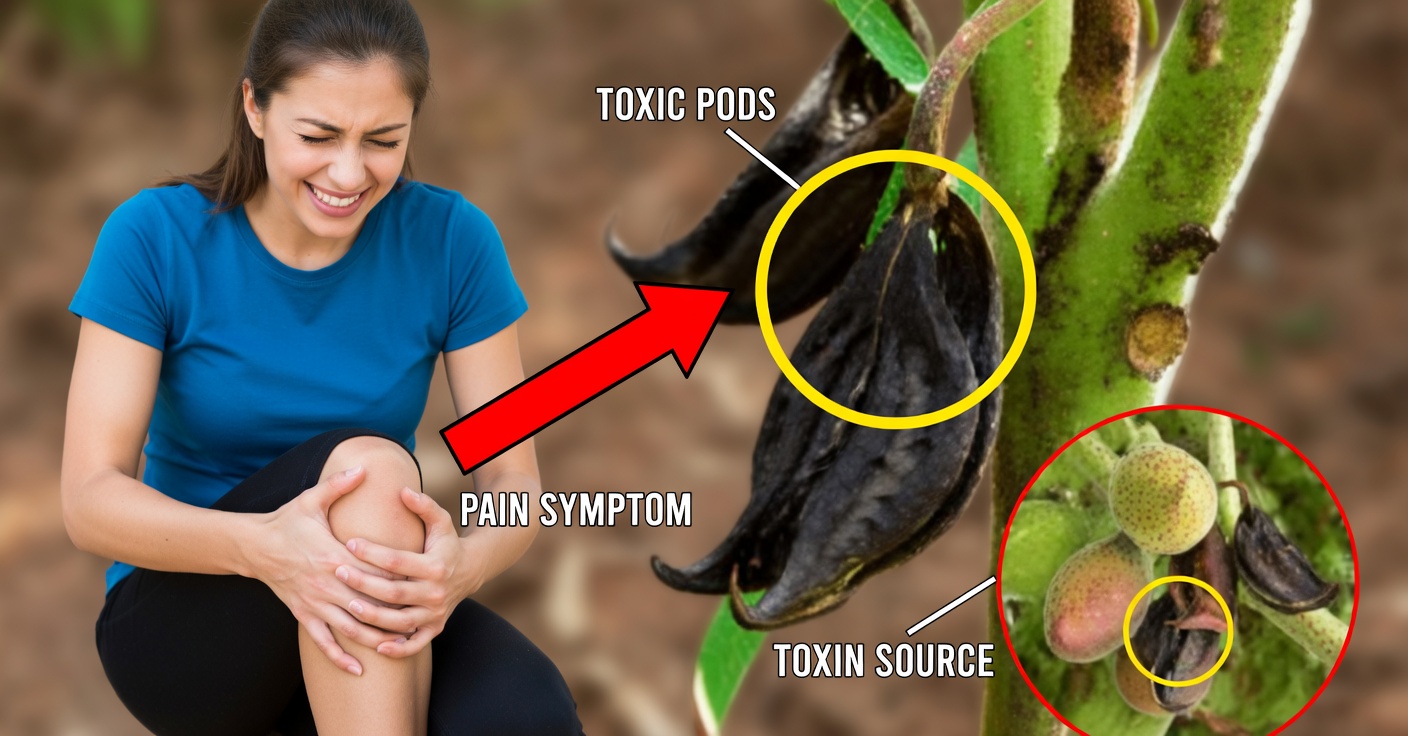
Cat’s claw is a woody vine named for its distinctive curved thorns, which resemble a cat’s claws. For centuries, Amazonian and Andean peoples have used the bark and root of this plant to help manage infections, joint pain, and various inflammatory conditions.
In recent decades, scientific interest in cat’s claw has grown, with studies exploring its immune-modulating, anti-inflammatory, and antioxidant potential.
Main Health Benefits of Cat’s Claw
Below is an overview of the most commonly cited benefits of cat’s claw, based on traditional use and emerging research. These effects can vary from person to person and should not replace medical treatment.
-
Supports the immune system:
May stimulate the production and activity of white blood cells, helping the body defend itself against pathogens. -
Helps reduce inflammation:
Traditionally used to ease symptoms of arthritis, joint pain, and other inflammatory conditions. -
Aids natural detoxification:
Can support the body’s natural detox processes and assist liver function in eliminating waste products. -
Promotes healthy digestion:
Often used to calm mild stomach discomfort and support a balanced, healthy intestinal tract. -
Relieves muscle discomfort:
Its traditional analgesic (pain-relieving) properties may help ease post-exercise muscle soreness. -
Helps protect urinary tract health:
Acts as a gentle diuretic, which may support kidney health and reduce the risk of recurrent urinary issues. -
Supports wound recovery:
Believed to encourage tissue repair and help the body in natural wound-healing processes. -
Contributes to cardiovascular health:
Some evidence suggests it may help improve circulation and support healthy cholesterol levels. -
Supports respiratory function:
Traditionally used to ease cold symptoms, bronchitis discomfort, and soothe a persistent cough. -
Helps with allergy symptoms:
By modulating immune responses, it may help reduce the intensity of certain allergic reactions. -
Fights premature aging:
Its antioxidant compounds help neutralize free radicals that contribute to cellular aging. -
Supports mood and emotional balance:
Traditionally used to alleviate mild stress, nervous tension, and promote a sense of well-being. -
Helps maintain healthy blood pressure:
May support normal blood pressure levels as part of a balanced lifestyle. -
Eases headaches:
Its natural analgesic action has been used to relieve tension headaches and migraines. -
Boosts energy levels:
Often taken to combat feelings of fatigue and support overall vitality. -
Supports bone health:
May assist in better mineral utilization, indirectly benefiting bones and skeletal strength. -
Helps cognitive function:
Antioxidant properties can support brain health and may help protect memory and cognitive performance. -
Combats fungal infections:
Traditionally used as a natural aid against conditions like candidiasis and other fungal issues. -
Supports restful sleep:
May help regulate sleep patterns and improve perceived sleep quality. -
Helps balance hormones:
Used in traditional medicine to ease symptoms related to menopause and other hormonal imbalances.
Medicinal Properties of Cat’s Claw
Cat’s claw contains a variety of bioactive compounds—such as alkaloids, flavonoids, and tannins—that are believed to underpin its medicinal reputation. Among its most notable properties:
-
Anti-inflammatory:
Commonly used in natural approaches for arthritis, joint pain, and muscle soreness. -
Antioxidant:
Helps protect cells from oxidative damage caused by free radicals. -
Immunostimulant / immunomodulatory:
Can strengthen or regulate the body’s natural defense mechanisms. -
Antimicrobial:
Demonstrates activity against certain bacteria, viruses, and fungi in laboratory studies. -
Diuretic:
Promotes the elimination of excess fluids retained in the body. -
Detoxifying:
Supports the body’s mechanisms for clearing accumulated toxins.
Recipe: How to Make Cat’s Claw Tea (Infusion)
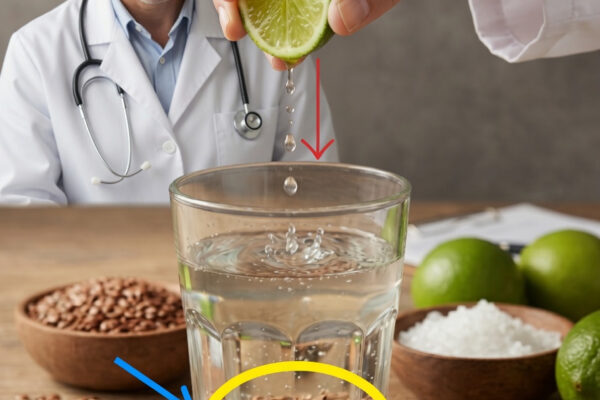
One of the easiest and most traditional ways to consume cat’s claw is as a warm herbal infusion. Here is a simple recipe you can prepare at home.
Ingredients
- 1 liter of water
- 2 tablespoons of dried cat’s claw bark
- 1 teaspoon of honey (optional)
- Juice of half a lemon (optional)
Preparation
- Bring 1 liter of water to a boil in a pot.
- Add the dried cat’s claw bark to the boiling water.
- Reduce the heat and let it simmer gently for 10–15 minutes.
- Strain the liquid to remove the bark.
- Allow the tea to cool slightly.
- If desired, sweeten with honey and add a little freshly squeezed lemon juice.
How to Drink It
- Drink one cup in the morning and one cup before bedtime.
- Follow this routine for 10 consecutive days.
- Take a one-week break, then repeat if needed and if well tolerated.
Many people use this infusion to support immune function, calm inflammation, and improve overall energy and well-being.
Safety and Precautions
Although cat’s claw offers many potential benefits, it must be used responsibly. Consider the following precautions:
-
Pregnancy and breastfeeding:
Not recommended for pregnant or breastfeeding women due to insufficient safety data. -
Autoimmune conditions:
If you have an autoimmune disease (such as lupus, rheumatoid arthritis, or multiple sclerosis), cat’s claw may overstimulate your immune system. Always consult a healthcare professional first. -
Medications:
Talk to your doctor before using cat’s claw if you are taking:- Blood thinners (anticoagulants)
- Medication for high blood pressure
- Immunosuppressive drugs
-
Dosage:
Do not exceed recommended amounts. High doses may cause gastrointestinal discomfort such as nausea, diarrhea, or stomach cramps.
If you have any chronic condition or are on regular medication, seek medical advice before adding cat’s claw to your routine.
Conclusion
Cat’s claw (Uncaria tomentosa) is a remarkable medicinal plant with a long history of traditional use. It is valued for its potential to support the immune system, soothe inflammation, promote healthy digestion, and contribute to cardiovascular and overall wellness.
Preparing a simple cat’s claw tea at home is a practical way to benefit from its natural properties. Always follow recommended guidelines, respect the precautions, and consult a healthcare professional if you have any doubts or underlying health issues.
Used thoughtfully, cat’s claw can be a powerful ally in a natural, holistic approach to better health.