Guava Leaves for Oral Care: 3 Simple Home Methods to Support Gums and Reduce Plaque
Many adults deal with tooth sensitivity, mild gum irritation, or visible plaque even when they brush regularly. These common oral concerns can make hot, cold, sweet, or crunchy foods less enjoyable and may also affect how confident you feel about your smile. On top of that, the cost and inconvenience of frequent dental appointments can be discouraging.
Guava leaves have long been used in traditional wellness practices, and modern research is beginning to explore why. They contain natural compounds with antibacterial and anti-inflammatory potential, which may help support daily oral hygiene. Below are three gentle home methods inspired by traditional use and supported by emerging studies.
Understanding Why Guava Leaves May Help Oral Health
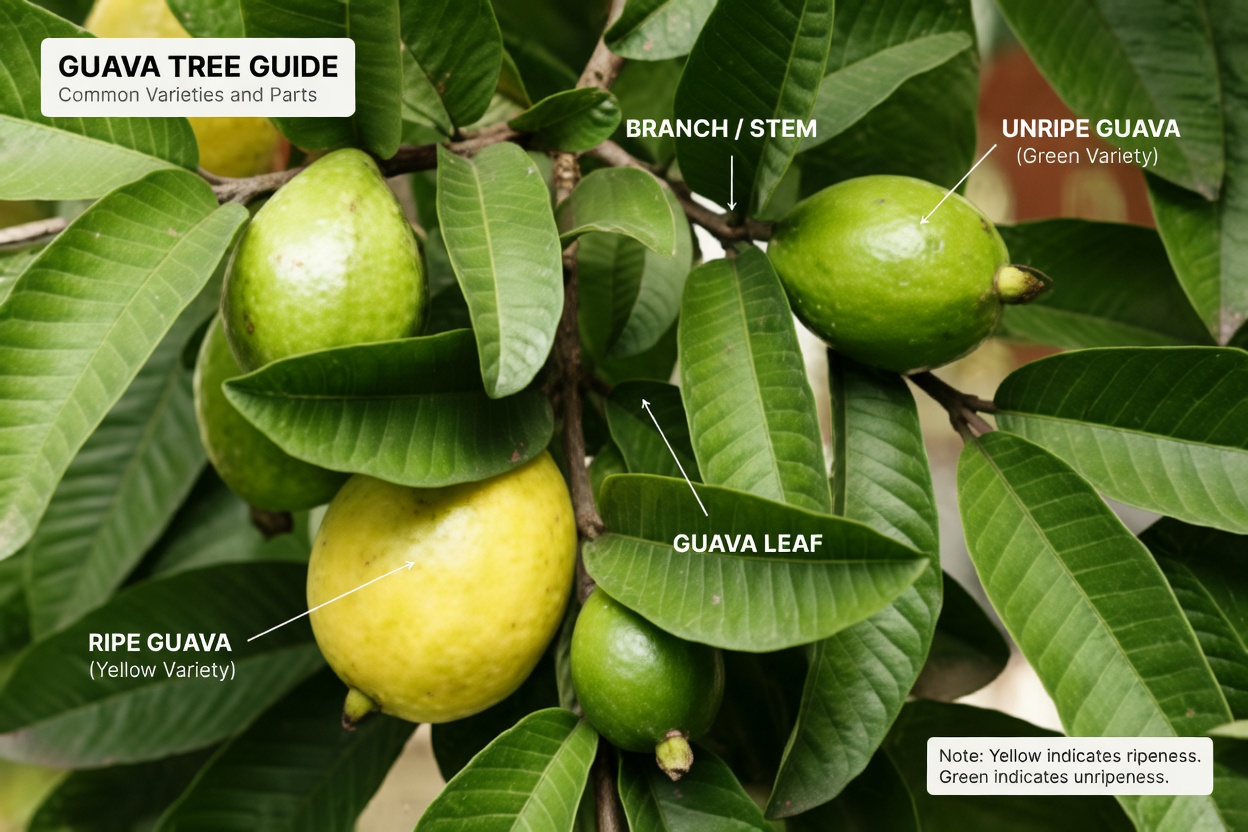
Guava leaves come from the Psidium guajava plant, which grows widely in tropical climates. These leaves contain flavonoids, tannins, and other plant-based compounds that have been studied for their effects on harmful oral bacteria.
Research published in dental and health-related journals suggests that guava leaf extract may help slow the growth of plaque-forming bacteria and may also ease markers associated with gum inflammation. While guava leaves should not be seen as a substitute for professional dental treatment, they can serve as a natural addition to an everyday oral care routine.
One reason they are so popular is their practicality. Guava leaves are affordable, easy to find in many regions, and simple to prepare at home.
Method 1: Guava Leaf Rinse for Everyday Oral Freshness
One of the easiest and most studied ways to use guava leaves is as a mouth rinse. A boiled leaf rinse, or decoction, is commonly used in traditional care routines and has also been examined in small clinical settings.
Some findings suggest that regular use of guava leaf rinse, combined with brushing, may help reduce plaque levels and support healthier gums. In certain studies, participants also showed lower bacterial activity after using it consistently.
How to Prepare and Use It
- Boil 5 to 7 fresh or dried guava leaves in 2 cups of water for about 10 minutes.
- Let the liquid cool completely.
- Strain it and transfer it to a clean container.
- Swish 1/2 cup in your mouth for 30 to 60 seconds.
- Use twice a day.
Quick Guide
| Step | Action | Frequency |
|---|---|---|
| Prepare | Boil leaves in water | As needed |
| Use | Swish cooled rinse | Twice daily |
| Store | Keep refrigerated in a clean jar | Up to 3 days |
For best results, use fresh leaves whenever available, as they may offer stronger potency.
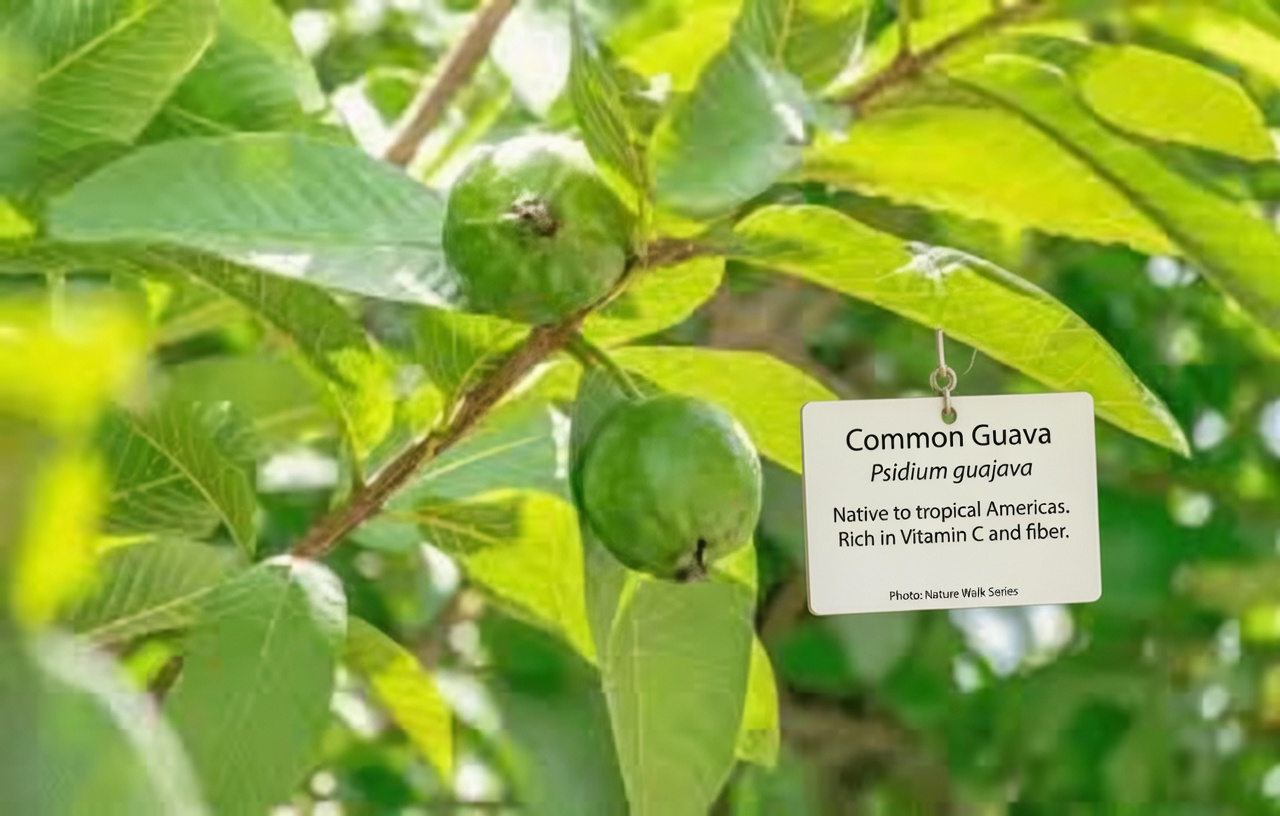
Method 2: Chewing Fresh Guava Leaves for Direct Gum Contact
In many communities, chewing tender guava leaves is a long-established traditional habit. This method allows the active plant compounds to come into direct contact with the teeth and gums.
Chewing also naturally increases saliva production. Saliva helps protect the mouth by washing away food particles and supporting the body’s defense against bacteria. Some evidence suggests that this practice may offer temporary relief from minor oral discomfort as well.
Simple Steps
- Choose 2 to 3 young, clean guava leaves.
- Wash them thoroughly.
- Chew slowly for 5 to 10 minutes.
- Spit out the remaining fibers.
- Rinse lightly with water.
Try this 1 to 2 times daily, preferably after meals.
Quick Guide
| Action | Duration | Tip |
|---|---|---|
| Chew leaves | 5 to 10 minutes | Focus on sensitive areas |
| Optional salt pinch | Occasional | May add freshness |
Pay attention to how your mouth responds. If irritation appears, stop using this method.
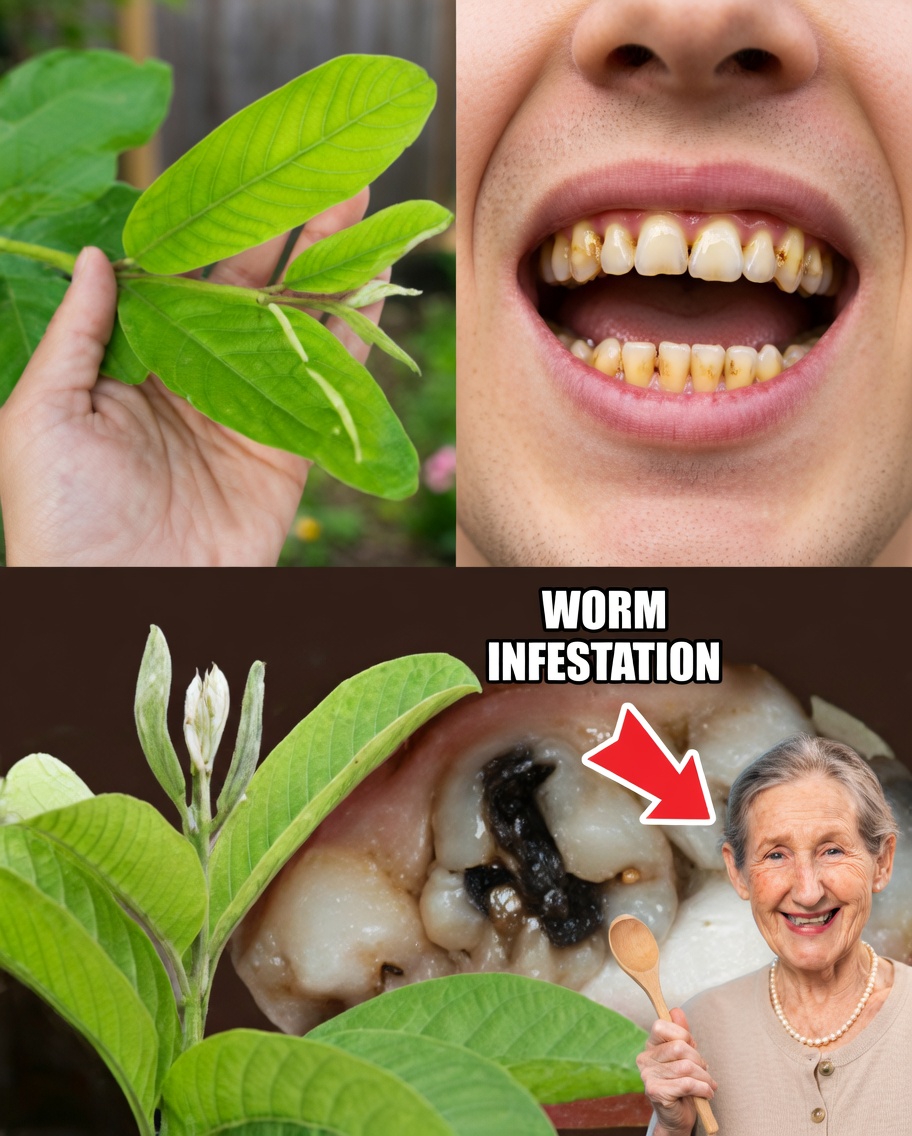
Method 3: Guava Leaf Paste for Targeted Use
A paste is useful when you want more concentrated contact on specific teeth or gum areas. This approach is based on the idea of keeping guava leaf compounds in place for a short period rather than rinsing them away immediately.
Studies involving guava leaf gels suggest possible benefits related to reducing inflammation and limiting bacterial attachment around the gums. A homemade paste is a simple version inspired by those oral care formulations.
How to Make It
- Dry guava leaves in the shade until they become crisp.
- Grind them into a fine powder.
- Mix 1 teaspoon of the powder with a few drops of coconut oil.
- Apply gently to the gums or teeth.
- Leave it on for about 5 minutes, then rinse.
Ingredients and Use
| Ingredient | Amount | Purpose |
|---|---|---|
| Guava leaf powder | 1 teaspoon | Main base |
| Coconut oil | A few drops | Binder |
| Application time | 5 minutes | Targeted support |
Use this method occasionally when you want focused care in a particular area.
How to Combine These Methods Into a Simple Routine
If you want broader support, you can use the three approaches together in a balanced way:
- Morning and night: use the rinse
- After meals: chew fresh leaves
- When needed: apply the paste to specific areas
Consistency is more important than doing everything perfectly. These methods work best when paired with the basics of oral hygiene:
- Brushing regularly
- Flossing daily
- Keeping up with dental checkups
Practical Tips Before You Start
To use guava leaves safely and effectively, keep these tips in mind:
- Choose clean, pesticide-free leaves whenever possible.
- If using dried leaves, buy from a trusted source.
- Test a small amount first to see whether your mouth is sensitive.
- Store homemade preparations carefully to keep them fresh.
- Drink enough water, since hydration supports the mouth’s natural defenses.
If you already have a dental condition or ongoing oral discomfort, it is wise to ask your dentist before adding anything new to your routine.
Quick Self-Check
Take a moment to reflect on your current oral care habits:
- How often do you notice plaque buildup?
- Do your gums feel sensitive or irritated?
- Which of these methods seems easiest for you to try first?
- On a scale from 1 to 10, how confident are you in your current routine?
Even small, steady changes can make oral care feel more manageable and empowering.
Final Thoughts
Guava leaves are a traditional remedy with growing research interest behind them. They may help freshen breath, support gum comfort, and reduce plaque when used as part of a regular oral hygiene routine. The three methods above—rinsing, chewing, and applying a paste—are all simple options that can be tried at home.
Start with one method, use it gently, and notice how your mouth responds over time. Natural tools like guava leaves can be a helpful complement to modern dental care.
Frequently Asked Questions
Are guava leaves safe for oral use?
Most adults can use guava leaves in moderation without problems. Still, sensitivity is possible, so begin with a small amount and stop if irritation occurs. They are not recommended for young children.
Can guava leaves replace toothpaste or dental appointments?
No. Guava leaves are meant to support oral care, not replace it. Brushing, flossing, and professional dental visits are still essential. While they may help reduce plaque, they do not reverse tooth decay.
How soon might I notice results?
Results vary from person to person. Some studies reported changes in plaque levels after a few weeks of consistent use alongside normal oral hygiene practices.
Important Note
This article is for informational purposes only and should not be considered medical advice. Always speak with your dentist or healthcare provider before trying new oral care methods, especially if you have dental problems, underlying health conditions, or take medications.