A Simple Guava Leaf Rinse May Help Reduce Plaque and Freshen Breath—Here’s How to Make It
That nagging feeling in your teeth or gums can turn an ordinary day into an uncomfortable one. You brush and floss, yet something still feels “off.” It can affect how you eat, how you smile, and even how confident you feel when speaking. It’s no surprise that many people look for natural, low-cost, easy-to-fit options that support daily oral care without adding hassle.
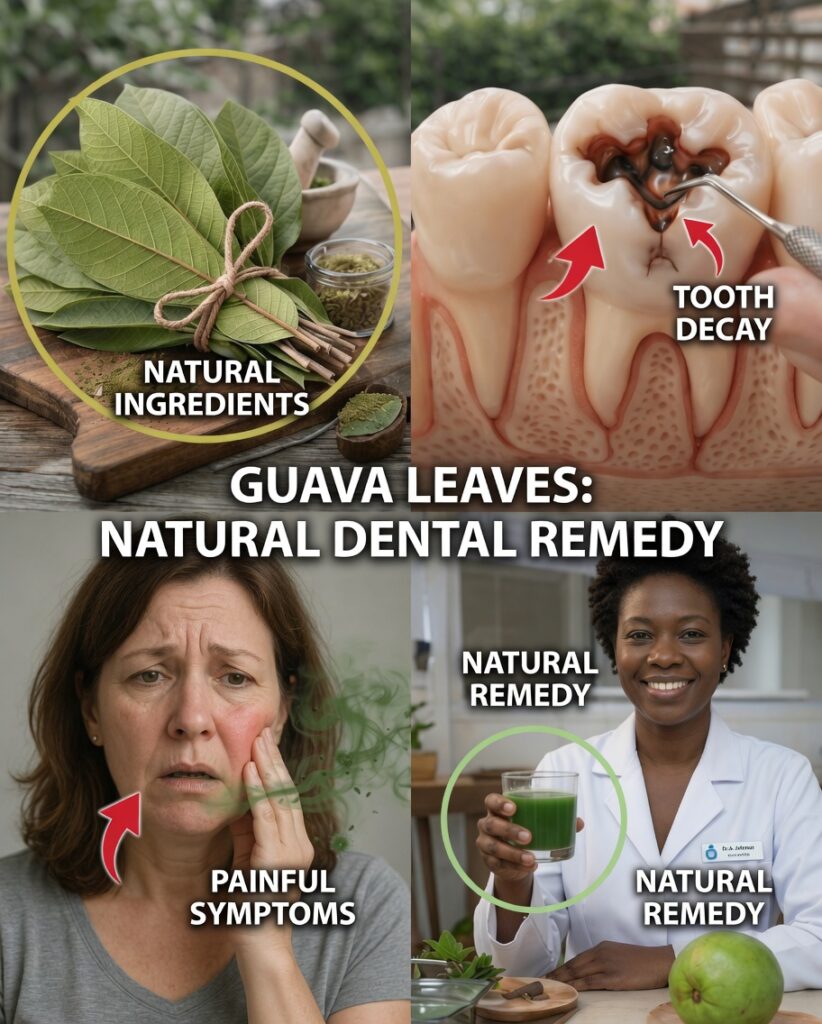
Guava leaves have a long history in traditional routines for oral hygiene, and laboratory research plus early clinical observations have explored their potential. The best part: you can try them in very simple ways at home. Below are three practical methods to incorporate guava leaves into your mouth-care routine.
Why Guava Leaves Are Interesting for Oral Care
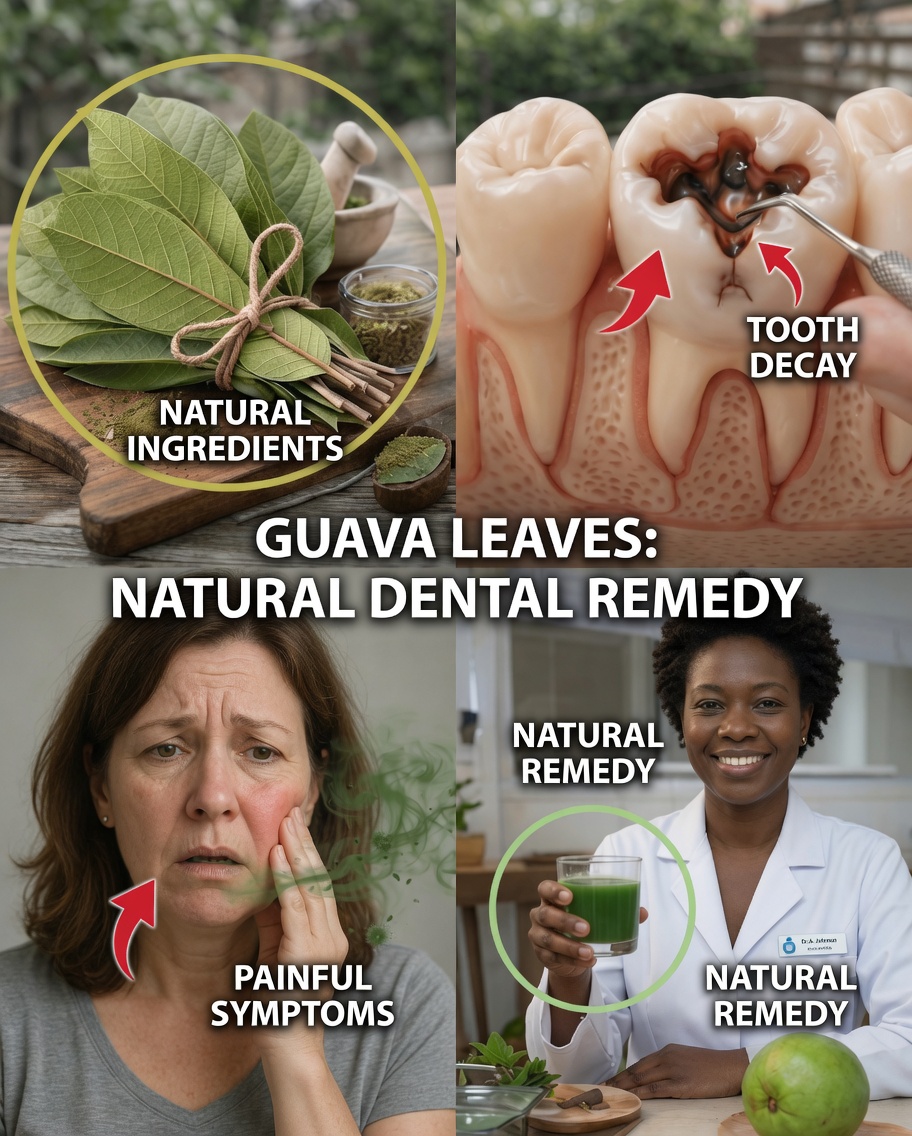
Guava leaves come from Psidium guajava, a tropical plant widely found in warm regions. The leaves contain natural compounds—such as flavonoids, tannins, and phenolic compounds—that have been studied for possible health and hygiene benefits.
Research suggests these compounds may interact with oral bacteria and help maintain a cleaner environment in the mouth. Some studies have noted antibacterial activity against microorganisms linked to dental plaque, along with a potential role in reducing bacterial adhesion to tooth surfaces.
Important: These methods are supportive habits. They are not a replacement for professional dental care, diagnosis, or treatment.
1) Guava Leaf Mouthwash (Rinse): Simple and Effective
This is one of the easiest and most popular ways to start using guava leaves for oral hygiene.
How to prepare
- Use 5–6 guava leaves (fresh is ideal; dried can work if fresh isn’t available)
- Rinse the leaves thoroughly
- Lightly crush them to help release their natural juices
- Boil in 1 cup of water for 10–15 minutes
- Let it cool, then strain
- Optional: add a small pinch of salt
How to use
- Swish for about 30 seconds, then spit it out
- Use 2–3 times daily, ideally after brushing
Why people like it
- Low-cost and easy to make
- Can be stored in the refrigerator for up to 2 days
- Mild, herbal taste
2) Chewing the Leaves or Using a Leaf Paste: Direct Contact Support
If you want something quick and more targeted, chewing or applying a paste can be a practical option.
Chewing method
- Take 1–2 fresh, clean leaves
- Chew gently for a few minutes
- Spit out the leaf remains
Paste method
- Crush 4–5 leaves into a thick paste
- Apply directly to the gum area or the specific tooth
- Leave on for 5–10 minutes
- Rinse with water
Some studies suggest guava leaves may have anti-inflammatory and antimicrobial properties, which could be helpful for mild, temporary discomfort.
Caution: Only use well-cleaned leaves. Stop immediately if you notice irritation or sensitivity.
3) Guava Leaf Powder: Convenient for Ongoing Use
If you prefer something that’s easy to keep on hand, guava leaf powder can fit well into a routine.
How to make the powder
- Dry fresh leaves in the shade until they become crisp
- Grind into a fine powder
- Store in an airtight container
How to use it
- Mix with water to create a rinse or a paste
- Add a small pinch to your toothpaste
- Use as a gentle, natural tooth powder
Certain compounds in guava leaves (including quercetin) are often discussed in research for their potential role in supporting oral hygiene over time.
Key Tips for Better Results
- Keep brushing twice daily and flossing regularly
- Limit sugary foods and drinks (sugar can feed plaque-forming bacteria)
- Pay attention to how your mouth responds over time
- Choose organic leaves when possible, and always wash them thoroughly
Conclusion
Adding guava leaves to your routine can be a simple, natural, and budget-friendly way to support oral health. Whether you use a guava leaf mouthwash, chew the leaves, or keep a powder on hand, the biggest factor is consistency.
Small daily habits can make a noticeable difference—try it for a few weeks and observe how your mouth feels.
Important Notice
This content is for informational purposes only and does not replace medical or dental advice. Consult a qualified healthcare or dental professional before starting any new practice—especially if you have pain, ongoing oral issues, or pre-existing conditions. Results may vary from person to person.