
12 Natural Ways to Support Healthy Creatinine Levels and Kidney Function
Rising creatinine levels can be unsettling, especially when they signal extra pressure on your kidneys and a drop in your estimated glomerular filtration rate (eGFR)—the key marker of how well your kidneys filter waste. Many people worry about what this means for their long-term health, daily energy, and overall quality of life, and look for practical changes they can make right now.
The encouraging news: everyday choices around diet, fluid intake, and lifestyle can help support kidney health. Below are 12 research-informed strategies that may assist in maintaining healthier creatinine levels and better kidney function over time—plus one easy, often overlooked habit near the end.

Understanding Creatinine and eGFR
Creatinine is a waste product formed when your muscles use energy and when your body breaks down protein. Healthy kidneys filter it out efficiently. When creatinine levels climb, it may indicate that your kidneys are not clearing waste as well, which is often reflected in a lower eGFR.
Key factors that can influence creatinine and eGFR include:
- Diet (especially protein and salt intake)
- Hydration status
- Blood pressure control
- Physical activity level
Studies suggest that targeted lifestyle changes can help protect kidney function and, in some cases, stabilize or modestly improve these markers. Results differ from person to person, so medical guidance is essential.
1. Stay Consistently Hydrated
Proper hydration supports your kidneys’ natural ability to remove waste products, including creatinine. For many adults with otherwise healthy kidneys, a general goal is about 6–8 glasses (around 1.5–2 liters) of water per day, unless your doctor advises otherwise.
Research indicates that:
- Dehydration can cause temporary increases in creatinine
- Adequate fluid intake helps keep filtration more stable
Practical tip: Keep a reusable water bottle with you and sip regularly. Add slices of lemon, lime, or cucumber for flavor without raising sodium intake.
2. Ease Up on Animal Protein
Large amounts of animal-based protein—especially red and processed meats—can increase creatinine production, since these foods are rich in creatine and protein that break down into creatinine.
Shifting part of your protein intake toward plants can reduce kidney workload. Studies associate lower animal protein diets, such as vegetarian-style eating plans, with more favorable creatinine levels in many individuals.
Try:
- Replacing one meat-based meal per day with beans, lentils, peas, or tofu
- Choosing fish or poultry instead of red or processed meat when possible
3. Cut Down on Sodium (Salt)
High sodium intake can elevate blood pressure, which over time damages the delicate blood vessels in the kidneys and can make creatinine more difficult to manage.
General guidance:
- Aim for less than 2,300 mg of sodium per day
- If you already have kidney concerns or high blood pressure, a target closer to 1,500 mg may be recommended by your doctor
Helpful strategies:
- Read nutrition labels and choose lower-sodium options
- Cook more meals at home to control salt usage
- Flavor foods with herbs, spices, garlic, and citrus instead of salt
Research consistently shows that reducing sodium supports healthier blood pressure and can help protect kidney function.
4. Increase Fiber-Rich Foods
Dietary fiber from whole plant foods can help bind certain waste products in the digestive tract, potentially easing the burden on the kidneys.
Studies in people with kidney issues have found that higher fiber intake may:
- Improve serum creatinine levels in some cases
- Support better eGFR readings over time
Easy ways to add fiber:
- Start the day with oatmeal or another whole grain cereal
- Snack on fruits with edible skins, like apples or pears
- Include vegetables such as broccoli, carrots, or Brussels sprouts at meals
5. Embrace a Plant-Forward Eating Pattern
A diet centered on fruits, vegetables, whole grains, and plant-based proteins provides antioxidants, vitamins, and minerals that can help protect kidney tissue from long-term stress.
Evidence suggests that plant-focused eating patterns may:
- Reduce kidney workload
- Help slow the progression of kidney damage in some individuals
- Support more stable creatinine and eGFR over time
A simple rule of thumb: aim to fill at least half your plate with colorful vegetables and fruits at most meals.
Quick Comparison: Animal vs. Plant Protein Choices
-
Higher Potential Impact on Creatinine
- Red meat (beef, lamb, pork)
- Processed meats (sausages, bacon, deli meats)
- High-dose protein powders or supplements, especially without medical supervision
-
More Kidney-Supportive Alternatives
- Lentils, chickpeas, and black beans
- Quinoa and other whole grains
- Nuts and seeds (in appropriate portions)
- Tofu, tempeh, and other soy-based proteins
6. Support Healthy Blood Pressure
High blood pressure is one of the leading causes of kidney damage. When blood pressure remains elevated, it harms the tiny filtering units inside the kidneys, which can worsen creatinine levels and reduce eGFR.
Helpful strategies include:
- Checking your blood pressure regularly
- Following a lower-sodium, plant-forward diet
- Incorporating stress management techniques
- Engaging in regular, moderate physical activity
Research highlights blood pressure control as one of the most powerful ways to preserve kidney function.
7. Keep Blood Sugar in Check
For people with diabetes or prediabetes, managing blood sugar is essential for protecting the kidneys. Persistently high glucose levels can injure the blood vessels and filtering structures, leading to rising creatinine and declining eGFR.
Supportive habits:
- Choose balanced meals with a mix of protein, healthy fats, and fiber
- Limit sugary drinks, sweets, and refined carbohydrates
- Eat at regular intervals to avoid large spikes and drops in blood sugar
Clinical studies show that maintaining good glycemic control helps safeguard kidney function over the long term.
8. Move Your Body with Moderate Exercise
Physical activity improves circulation, helps regulate blood pressure, and supports a healthy weight—all of which benefit the kidneys. However, very intense exercise can temporarily elevate creatinine due to muscle breakdown.
Aim for:
- Light to moderate activity, such as walking, cycling, swimming, or yoga
- About 30 minutes on most days of the week, if approved by your healthcare provider
If you are new to exercise, begin slowly and build up over time to avoid unnecessary strain.
9. Limit Alcohol and Avoid Smoking
Both alcohol and tobacco can negatively affect kidney health:
- Alcohol in excess can cause dehydration, increase blood pressure, and put extra stress on the kidneys
- Smoking narrows blood vessels, reducing blood flow to the kidneys and accelerating damage
Cutting back on alcohol and quitting smoking are strongly associated with better kidney outcomes and may help stabilize creatinine levels over time.
10. Prioritize Quality Sleep and Stress Management
Poor sleep and chronic stress can raise blood pressure and inflammation—two factors that contribute to kidney damage.
Helpful approaches:
- Aim for 7–9 hours of quality sleep each night
- Keep a consistent sleep schedule
- Use relaxation techniques such as deep breathing, meditation, or gentle stretching
- Set boundaries around work and screen time before bed
By improving sleep and managing stress, you indirectly support more stable kidney function and healthier creatinine readings.

11. Use Over-the-Counter Medications Wisely
Some commonly used non-prescription medications—particularly nonsteroidal anti-inflammatory drugs (NSAIDs) such as ibuprofen or naproxen—can strain the kidneys when taken frequently or in high doses.
If you already have elevated creatinine or reduced eGFR:
- Talk to your healthcare provider before using pain relievers regularly
- Ask about safer alternatives for pain management
- Always follow dosing instructions on the label
Regular medical guidance is essential to avoid unintentionally worsening kidney function.
12. Add Antioxidant-Rich Foods (Including One Simple Habit)
Oxidative stress plays a role in long-term kidney damage. Antioxidant-rich foods help counter this process and support overall health.
Beneficial choices include:
- Berries (blueberries, strawberries, raspberries)
- Leafy greens (spinach, kale, Swiss chard)
- Colorful vegetables (red bell peppers, cabbage, cauliflower)
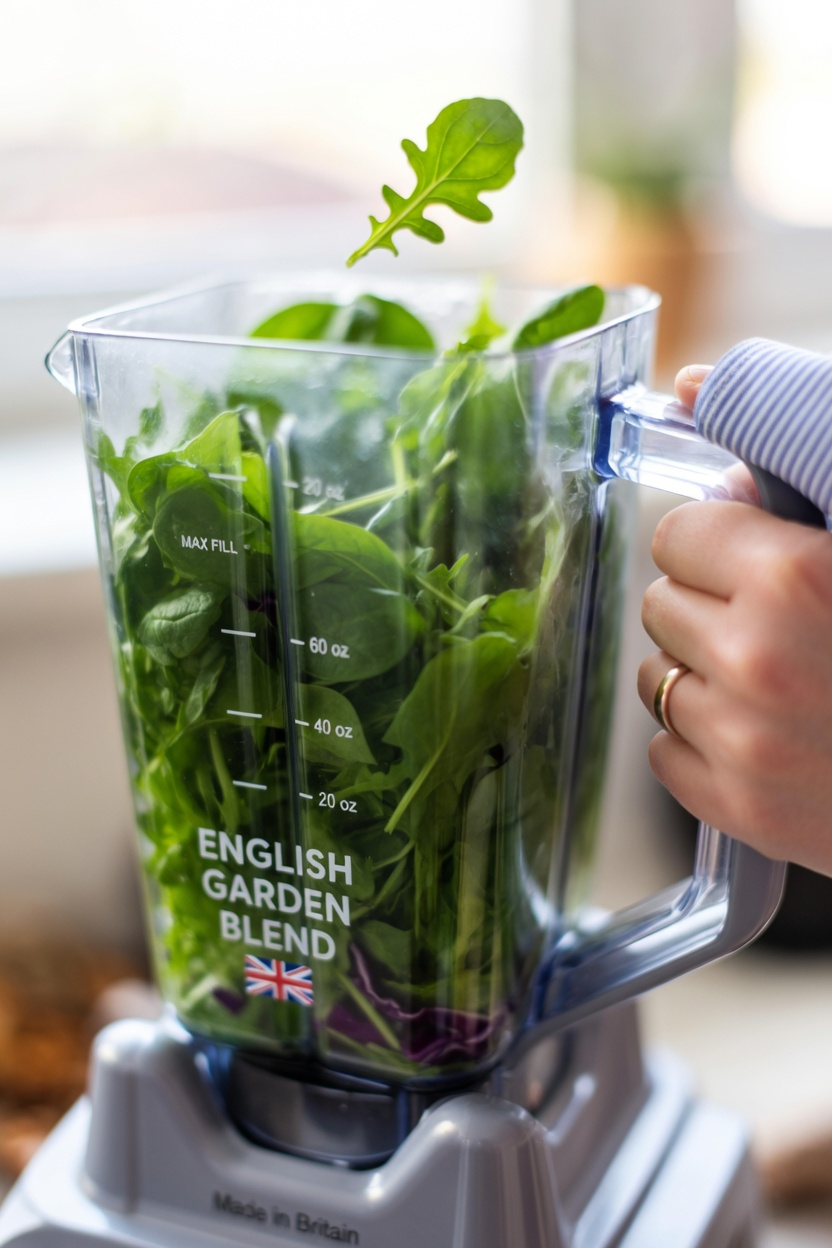
One underrated, easy-to-implement strategy: blend a handful of leafy greens and some berries into a daily smoothie. This simple habit can significantly increase your intake of antioxidants and other kidney-supportive nutrients with very little effort.
Consistency Matters More Than Perfection
Many people find that the real progress comes not from drastic, short-term changes but from small, consistent habits practiced over weeks and months. Track how you feel, pay attention to your energy and overall well-being, and monitor your lab results with your healthcare team.
Conclusion: Small Steps to Support Healthy Creatinine and Kidney Function
Adopting these 12 strategies—from better hydration and plant-forward eating to stress reduction and smart medication use—offers a practical, natural way to support healthy creatinine levels and kidney function.
Key takeaways:
- Focus on sustainable, daily habits rather than quick fixes
- Work closely with your doctor to monitor creatinine, eGFR, and other relevant markers
- Celebrate gradual improvements and stay patient with the process
Your kidneys work around the clock. Giving them consistent support through lifestyle choices can make a meaningful difference in how you feel today and in the future.
Frequently Asked Questions
Can drinking more water quickly lower creatinine?
Staying well-hydrated can prevent creatinine from rising due to dehydration, but dramatic, rapid drops in creatinine from drinking water alone are not typical. Consistent, appropriate fluid intake mainly helps maintain steadier kidney function over time. Always follow your doctor’s recommendations on how much to drink, especially if you have kidney disease or heart issues.
Are there specific fruits and vegetables that are especially supportive for the kidneys?
Fruits and vegetables often recommended for kidney-friendly eating patterns include:
- Apples
- Berries (in appropriate portions)
- Cabbage and cauliflower
- Red bell peppers
These options tend to be rich in fiber and beneficial nutrients. For people who need to control potassium or other minerals, portion sizes and specific food choices should be personalized with a healthcare provider or dietitian.
How long does it take for lifestyle changes to affect creatinine or eGFR?
The timeline varies widely. Some people may see stabilization or mild improvements within several weeks to a few months of consistent lifestyle changes, particularly when combined with appropriate medical treatment. Regular follow-up with blood tests is the most reliable way to gauge how your creatinine and eGFR are responding.